
エアロジニー — あなたのインテリジェントな副操縦士。

現在のトレンド
Categories
Delta Air Lines’ Fleet Expansion and Valuation Following Airbus and Boeing Orders

Delta Air Lines Expands Fleet with Major Airbus and Boeing Orders Amid Industry Competition
Delta Air Lines (NYSE: DAL) has announced substantial new aircraft purchases from both Airbus and Boeing, marking its first direct Boeing widebody order since 2008. These acquisitions are a cornerstone of Delta’s strategy to expand and modernize its international widebody fleet, reinforcing its long-haul and global operations for the foreseeable future.
The timing of these investments coincides with Delta’s efforts to manage operational disruptions caused by Winter Storm Fern, underscoring the airline’s commitment to enhancing both capacity and reliability. The new aircraft commitments are expected to significantly influence Delta’s route planning, fuel efficiency, and maintenance strategies, thereby shaping the airline’s international profile in the years ahead.
Delta’s fleet expansion occurs amid intensifying competition within the U.S. airline industry. Major carriers such as American Airlines, United Airlines, and Southwest Airlines are also increasing their widebody fleets. Notably, United Airlines is scheduled to receive 20 Boeing 787 aircraft in 2026, representing the largest annual widebody delivery to a U.S. passenger carrier in nearly four decades. This competitive landscape highlights the strategic importance of Delta’s fleet decisions as it seeks to maintain and grow its market share.
Market response to Delta’s announcements has been favorable. The airline projects first-quarter revenue growth of 5 to 7 percent in 2026, driven by strong demand from both consumer and business travel sectors. Meanwhile, the broader aircraft manufacturing industry is experiencing shifts, with Airbus maintaining dominance in single-aisle sales while Boeing faces pressure to regain its position in the narrowbody segment.
Valuation and Investor Considerations
Delta’s current share price of $70.86 stands approximately 13 percent below the consensus analyst target of $81.89. According to Simply Wall St, the stock trades at a 42.3 percent discount to its estimated fair value, indicating potential undervaluation. Despite this, recent price momentum has been modest, with a 1.3 percent decline over the past 30 days following the fleet announcements.
Investors should consider several key factors. The large Airbus and Boeing widebody orders will play a pivotal role in shaping Delta’s long-haul and international earnings mix. The airline’s price-to-earnings ratio of 9.18 is slightly below the industry average of 9.65, while analyst price targets remain above the current share price. However, earnings are forecasted to decline by an average of 0.6 percent annually over the next three years. Additionally, heavy aircraft commitments, ongoing operational challenges, and weather-related disruptions such as Winter Storm Fern could impose financial and operational pressures.
Delta’s aggressive fleet modernization, set against a highly competitive industry and evolving manufacturer dynamics, will be critical to its future international reach and profitability. Investors are advised to monitor developments in aircraft deliveries, fuel costs, and load factors relative to forecasts, as well as how the airline navigates competitive pressures and operational risks.

Plane lands on Pennsylvania highway due to ‘engine issues,’ FAA says
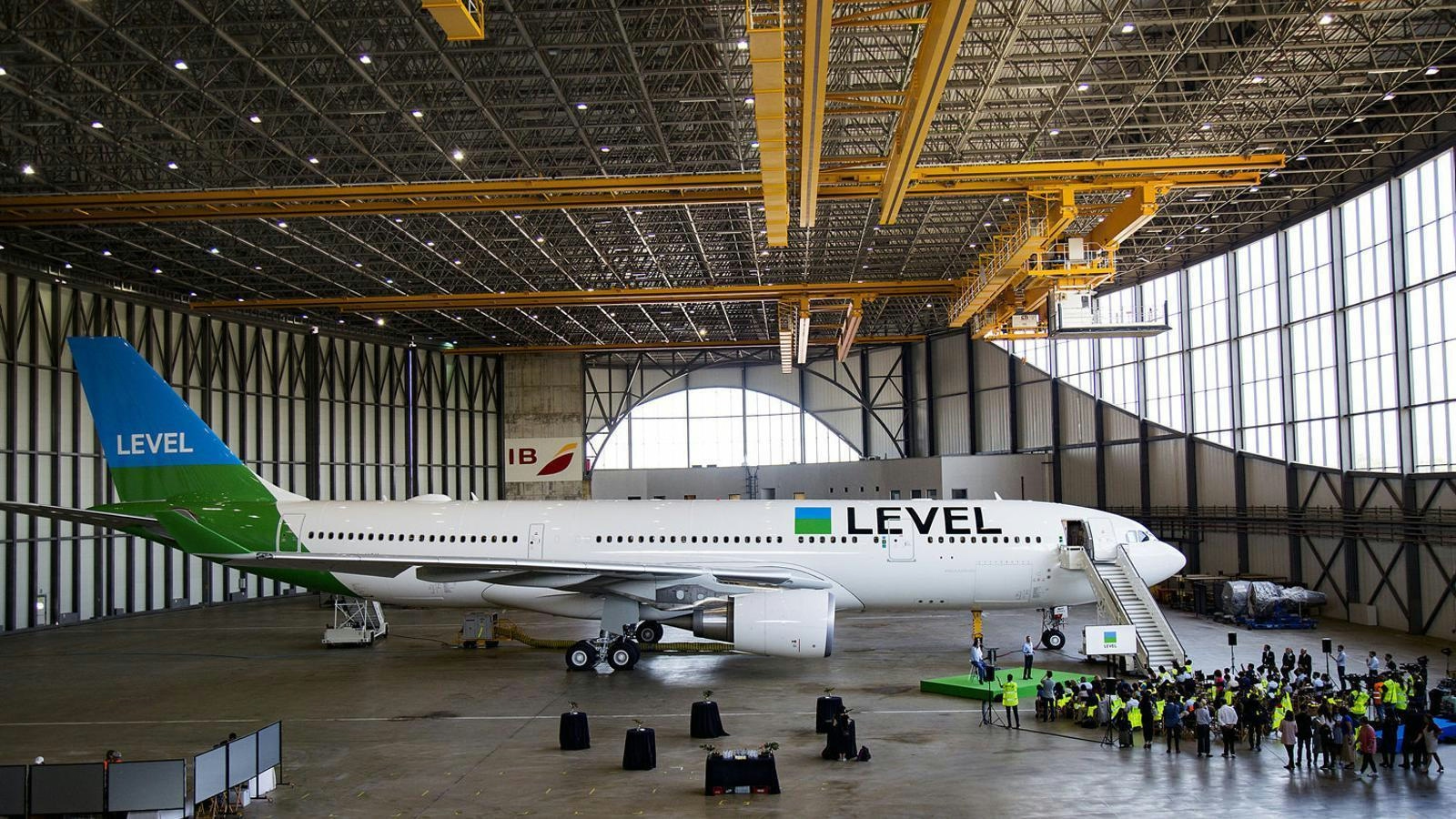
LEVEL Suspends San Francisco Flights Due to Engine Shortage
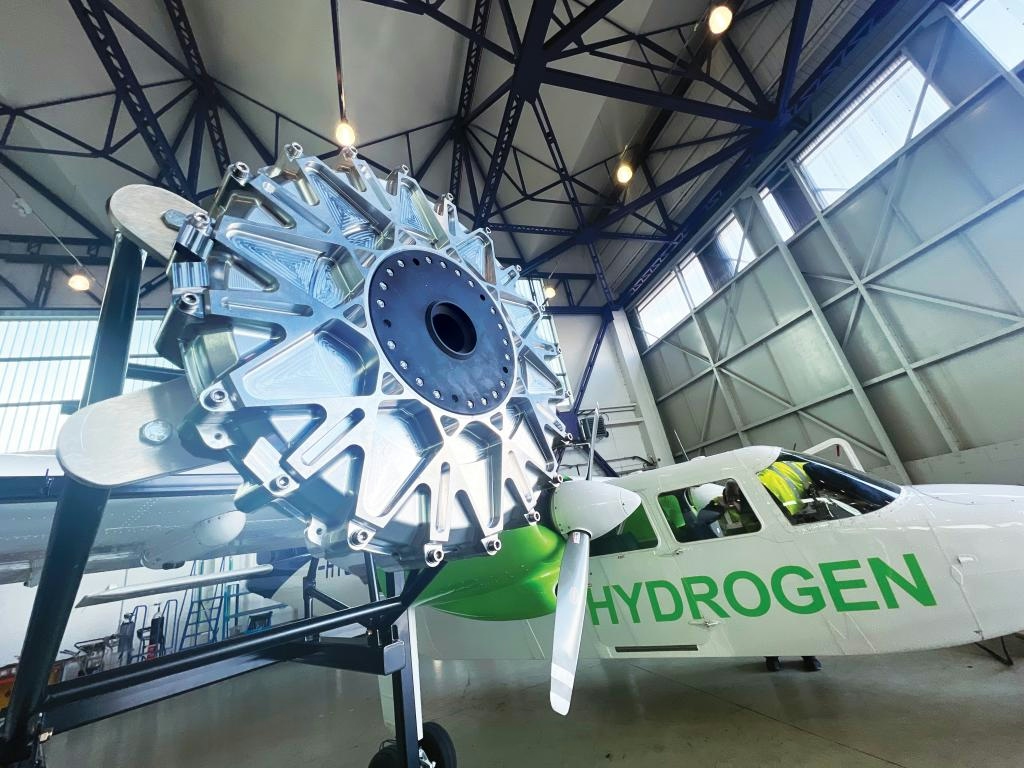
China Conducts First Flight Test of Megawatt Hydrogen Turboprop Engine

Oklahoma’s Aerospace Industry Expands and Its Impact on the State Economy
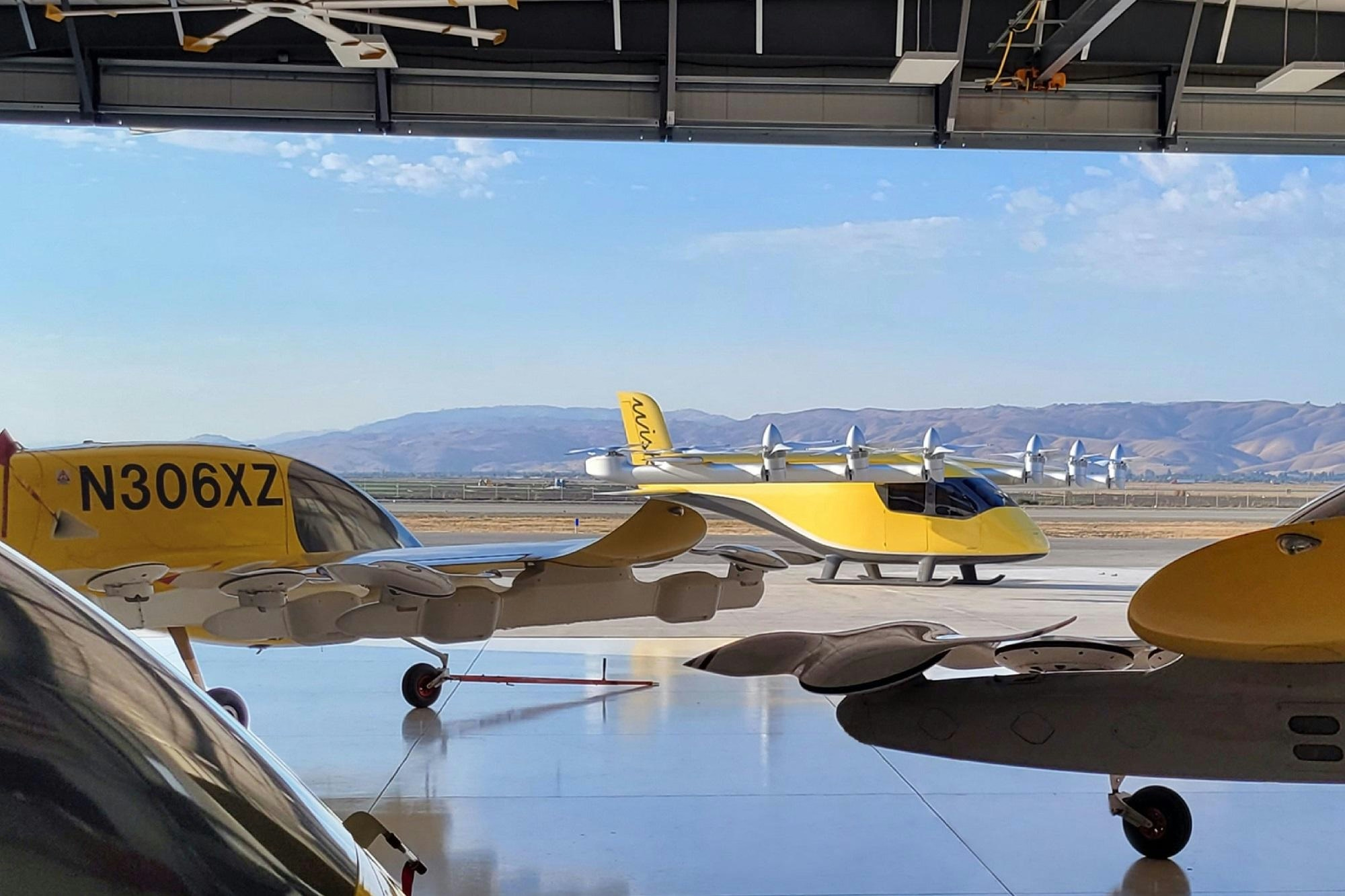
Archer Aviation Confronts Setbacks Amid Declining Air Taxi Interest
FAA and EASA Mandates to Influence Flight Line Testing Equipment Market Through 2035
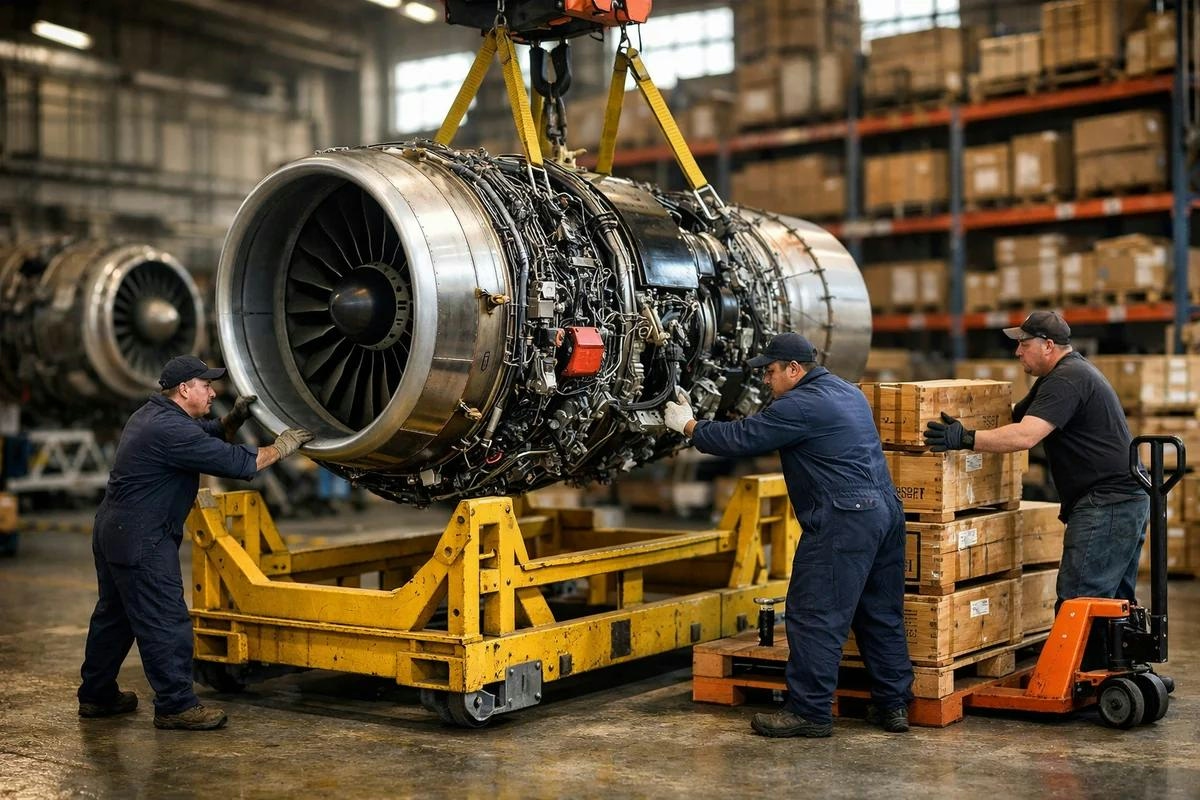
Willis Lease Operates as a Leveraged Spread Business with Moderate Returns

Chinese Team Develops First Flight Control Software for Bamboo Drones
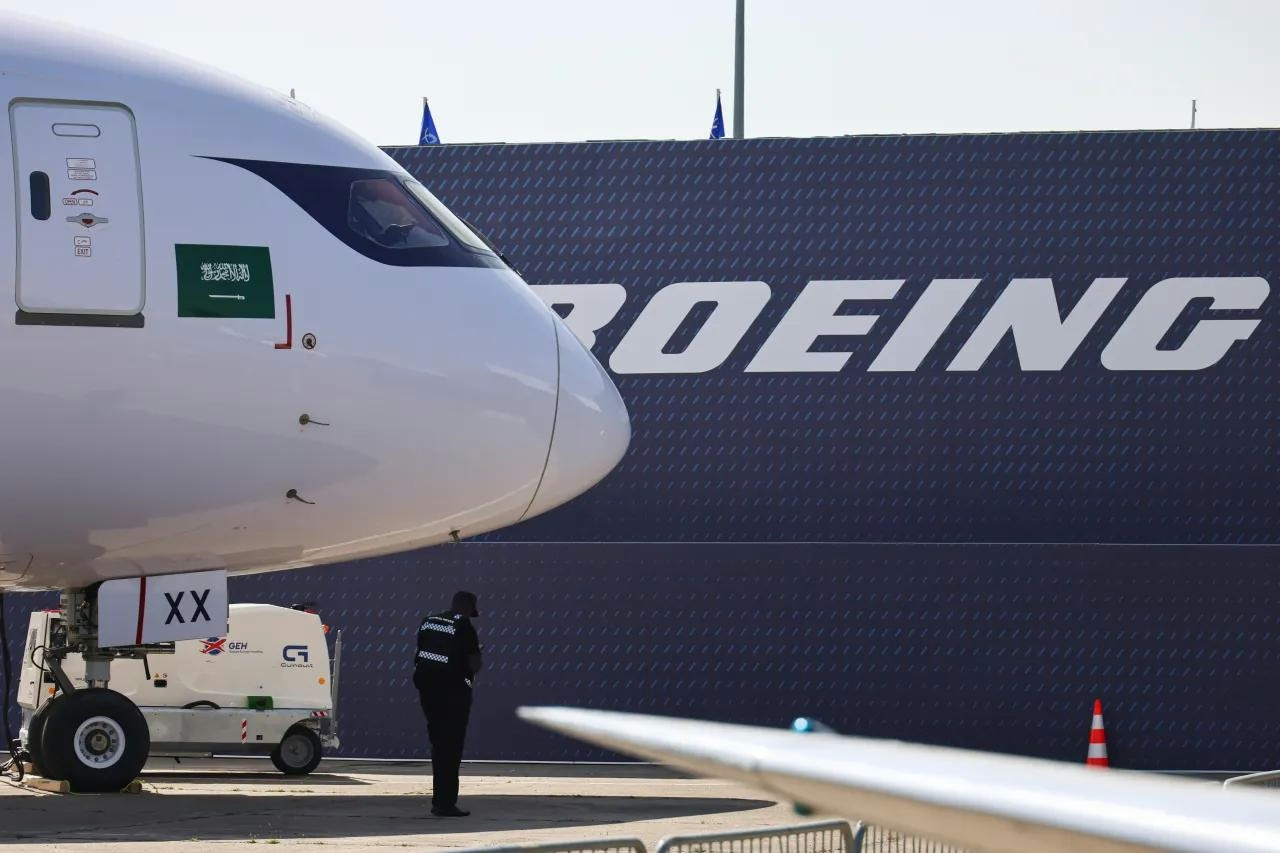
Government Moves Forward with Boeing Purchase, Considers Airbus Leasing

Changes in Airline Industry Leadership, Alliances, and AI
