
AIによるインサイトを行動へとつなげる

現在のトレンド
Categories
El Al Upgrades Dreamliner Orders to Larger 787-10 Model and Adds New Aircraft
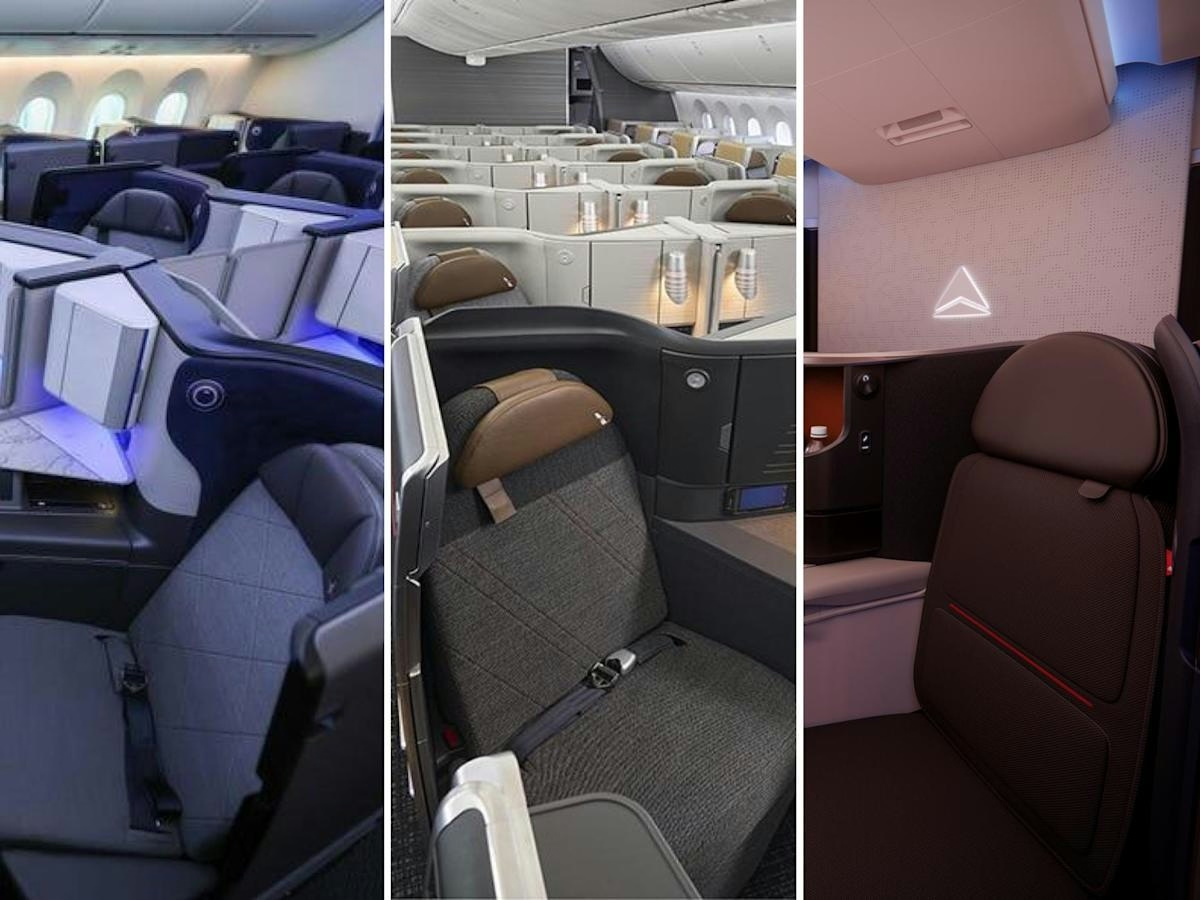
El Al Upgrades Dreamliner Orders to Larger 787-10 Model and Expands Fleet Amid Market Challenges
El Al has announced a significant revision to its Boeing 787 order book, opting to upgrade its existing Dreamliner orders to the larger 787-10 variant while expanding its long-haul fleet. The Israeli flag carrier has converted three previously ordered 787-9 aircraft into 787-10s and exercised an option for a fourth 787-10, signaling a strategic shift toward higher-capacity jets on its core international routes. The agreement also includes options for up to six additional Dreamliners, potentially increasing El Al’s total 787 fleet to 34 aircraft by the early 2030s.
Fleet Expansion and Capacity Enhancement
Currently, El Al operates 17 Dreamliners, comprising four 787-8s and 13 787-9s, with two more leased aircraft expected to join the fleet shortly, bringing the near-term total to 19. The 787 family already serves as the backbone of El Al’s long-haul network, replacing older widebody aircraft and connecting key destinations across North America, Europe, and Asia. The introduction of the 787-10 reflects the airline’s focus on increasing seat capacity to accommodate anticipated growth in passenger traffic at Tel Aviv’s Ben Gurion Airport. In El Al’s configuration, the 787-9 seats 271 passengers across three classes, while the larger 787-10 can carry approximately 300 or more, depending on the layout. Although the 787-10 offers a substantial increase in seat supply, it features a slightly reduced range compared to the 787-9.
El Al’s widebody fleet also includes six Boeing 777-200s, each configured with 313 seats. However, these older aircraft are expected to be phased out as the new Dreamliners enter service. The revised agreement with Boeing is valued at approximately $1.5 billion, subject to final configuration and pricing.
Market Challenges and Strategic Considerations
El Al’s fleet expansion occurs amid broader industry challenges. The decision to upgrade to the larger 787-10 and add new aircraft exposes the airline to potential production delays and increased costs associated with this variant. Market analysts have noted that the substantial investment—particularly the $1.5 billion deal for six additional Dreamliners—may invite scrutiny regarding El Al’s financial position and long-term strategic planning.
Responses from competitors further illustrate the complexities of the widebody market. For instance, All Nippon Airways (ANA) recently shifted some of its 787-10 orders back to the smaller 787-9, reflecting a more cautious approach to the 787-10’s market suitability. These developments highlight the challenges El Al faces in balancing capacity growth with operational flexibility and financial discipline.
Despite these hurdles, El Al emphasizes that the fleet renewal is critical to aligning its capacity with projected demand and modernizing its long-haul operations for the years ahead.

Etihad Airways Suspends Airbus A380 Flights on Key Route

Aditya Birla Group Seeks Approval for Aircraft Leasing in GIFT City

Qatar Airways Highlights Innovation and Connectivity at Arabian Travel Market 2026

Hong Kong's Five-Year Plan Includes Andrew Fan's Aircraft Parts Processing Hub Proposal

ACIA Aero Leasing Delivers ATR72-600 to Air Nostrum

RTX Appoints Jill Albertelli as Head of Pratt & Whitney

TAT Technologies Joins Beyond Aero Hydrogen Aircraft Program

AURAK Study Highlights Barriers to Air Taxi Adoption in Emerging Economies

Xiamen Air Selects Altitude for 787 Maintenance at Heathrow

Etihad and Swissport Extend Global Partnership
