
AIによるインサイトを行動へとつなげる

現在のトレンド
Categories
Hidden Monopoly Behind Rising Airfares Revealed
Hidden Monopoly Behind Rising Airfares Revealed
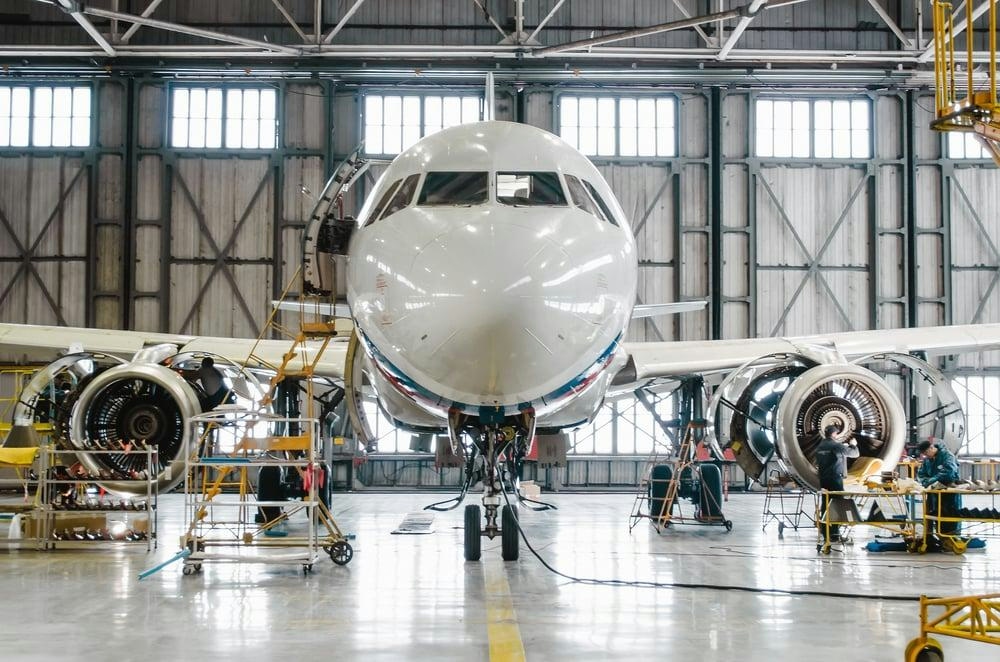
Passengers around the world are experiencing steadily increasing airfares, yet the airlines selling these tickets are not always the primary beneficiaries of the resulting profits. Behind the scenes, a largely unnoticed monopoly within the maintenance, repair, and overhaul (MRO) sector is exerting significant influence on the aviation industry. As global fleets age and maintenance expenses escalate, this sector is quietly driving up costs and reshaping the dynamics of air travel.
Aging Fleets and Escalating Maintenance Costs
The average commercial aircraft in operation today is approximately 15 years old, with some long-haul jets surpassing that age considerably. Although older aircraft can remain safe with proper upkeep, the financial burden of maintaining them is rising sharply. For instance, a 10-year-old jet may incur annual maintenance costs of around $2 million, but this figure can more than double to over $5 million for a 20-year-old plane. Major overhauls, which are mandated every six to ten years, can cost between $3 million and $6 million in labor and parts alone. When factoring in the revenue lost during extended downtime, these expenses can effectively double.
Compounding these challenges is a global shortage of engines and critical components, which has placed additional strain on the maintenance ecosystem. In some cases, aircraft have become more valuable as sources of spare parts than as operational assets. A notable example is EirTrade Aviation’s recent acquisition of two relatively new Airbus A320s from the bankrupt Spirit Airlines, purchased specifically for disassembly and parts recovery. This trend underscores the growing importance and value of parts inventories in the current market.
Profits in the MRO Sector Amid Airline Financial Pressures
While airlines struggle with rising maintenance and operational costs, companies within the MRO sector are capitalizing on the situation. TransDigm Group, a leading supplier of proprietary aircraft parts, benefits from a steady aftermarket demand driven by aging fleets. Unlike new aircraft sales, this demand is linked to flight hours, component failures, inspections, and regulatory compliance, creating a resilient and high-margin revenue stream. Although TransDigm’s performance has been relatively flat year-to-date, analysts project approximately 16% upside potential for its shares.
Heico, another significant player in the sector, provides alternative components through its Parts Manufacturer Approval business, enabling airlines to extend the lifespan of their fleets and better manage costs. As supply chain backlogs persist and original equipment manufacturer (OEM) parts become increasingly scarce, Heico’s offerings have gained appeal. The company’s stock has risen by over 10% this year, with analysts forecasting an additional 12% growth.
AAR Corp., a pure-play MRO provider, has experienced a remarkable stock surge exceeding 65% year-to-date. Despite being the smallest among its peers with a market capitalization of $5.43 billion, AAR is well-positioned to benefit from the growing demand for maintenance services as airlines seek to maintain aging fleets amid supply constraints.
Fuel Costs and Industry Consolidation Intensify Pressure
The financial pressures on airlines are further exacerbated by soaring fuel prices. Global carriers are projected to spend an additional $100 billion on jet fuel by 2026, a development that could reduce industry profits from $45 billion to $23 billion. Major U.S. airlines, including United, Delta, and American, have already reported rising fuel expenses, which have contributed to a 27% increase in airfares over the past year. In Australia, both Qantas Group and Virgin Australia have raised fares in response to higher fuel costs, with regulators cautioning that the full impact on ticket prices will become more apparent in the coming months.
Simultaneously, European aviation giants are consolidating their market positions by acquiring stakes in smaller airlines. This consolidation is tightening competition within the region and may further limit consumer choice, adding another layer of complexity to the industry’s evolving landscape.
The Bottom Line
As passengers contend with rising ticket prices, a significant portion of the profits is shifting toward companies that control the maintenance and parts supply chain. Faced with aging fleets, escalating fuel costs, and persistent supply shortages, airlines are increasingly reliant on the MRO sector. This growing influence is reflected not only in the sector’s expanding profits but also in its profound impact on the future of air travel.

Etihad and Swissport Extend Global Partnership

Sepehran Airlines B737 Returns to Mashhad After Tyre and Engine Issues

Etihad Deploys Widebody Fleet to Meet Strong Demand

Korean Air Finalizes $36.2 Billion Deal with Boeing

Australia’s RFDS Queensland Section Orders Six King Air 260Cs

Korean Air Finalizes Order for 103 Boeing Jets and Engines

Embraer E195-E2 Features Distinctive Engine Placement Among Regional Jets

What Passengers Can Expect on Boeing’s New 777X Jet

How Ethiopian Airlines Became Africa’s Leading Carrier Amid Gulf Competition

Joby Aviation Extends Autonomous Flight Capabilities with Cross-Country Tour
