
AIによるインサイトを行動へとつなげる

現在のトレンド
Categories
The Future of Human Resources in Aviation by 2035

The Future of Human Resources in Aviation by 2035
Technological Transformation and the Enduring Human Element
By 2035, the aviation industry is expected to undergo profound transformation driven by pervasive automation, digital twins, agentic artificial intelligence (AI) systems, and autonomous ground operations. Despite these technological advancements, the human element will continue to play a central role in ensuring aviation’s safety, resilience, and governance. Human Resources (HR) is anticipated to evolve beyond its traditional support function, emerging as a strategic and operationally integrated command center vital for maintaining safety standards, organizational culture, and effective governance of human-AI workforce interactions.
Automation and AI technologies will be deeply embedded across various facets of aviation, including maintenance, dispatch, apron operations, and training. Nevertheless, industry analyses suggest that more than 60 percent of aviation processes will still require human judgment, oversight, or intervention. The sector’s most significant risks are not mechanical but rather cultural, cognitive, and organizational in nature. Experts emphasize that safety culture cannot be digitized, trust cannot be automated, and governance cannot be delegated to algorithms. This reality underscores the enduring importance of HR, which must adapt and lead rather than diminish in the face of rapid technological change.
Challenges and Strategic Imperatives
The path forward for aviation HR is not without considerable challenges. A projected decline in engineering graduates threatens the sector’s talent pipeline and, consequently, its contribution to the UK economy. The industry must carefully balance the integration of AI-driven workflows with the preservation of essential human skills. Alex Alonso of the Society for Human Resource Management (SHRM) highlights that maintaining human expertise alongside technological innovation will be critical to the sector’s success.
Furthermore, the rise of advanced AI raises existential questions about the future of HR itself. Johnny Taylor Jr. of SHRM warns of a potential “extinction” threat to traditional HR roles as AI capabilities expand. To confront this challenge, organizations must proactively develop visionary AI strategies that harness the transformative potential of AI while safeguarding the human core of their operations. As discussed in HR Executive’s analysis of the AI dilemma, the industry’s future depends on its ability to lead these changes rather than merely react to them.
Recommendations for HR Leadership in Aviation
To position aviation HR for success by 2035, three strategic decisions are recommended. First, the approval of a three-year talent and reskilling investment fund is essential to address workforce gaps and future-proof critical skills. Second, the establishment of an AI governance charter with board-level oversight is necessary to ensure the ethical and effective integration of AI technologies. Third, authorizing three 90-day operational pilots will allow organizations to test and refine new models of human-AI collaboration.
These measures are crucial to ensuring that, even as technology reshapes the aviation landscape, the human element remains its most valuable asset. The future of HR in aviation is not merely about survival; it is about strategic evolution and leadership in an era defined by both innovation and uncertainty.

Etihad and Swissport Extend Global Partnership
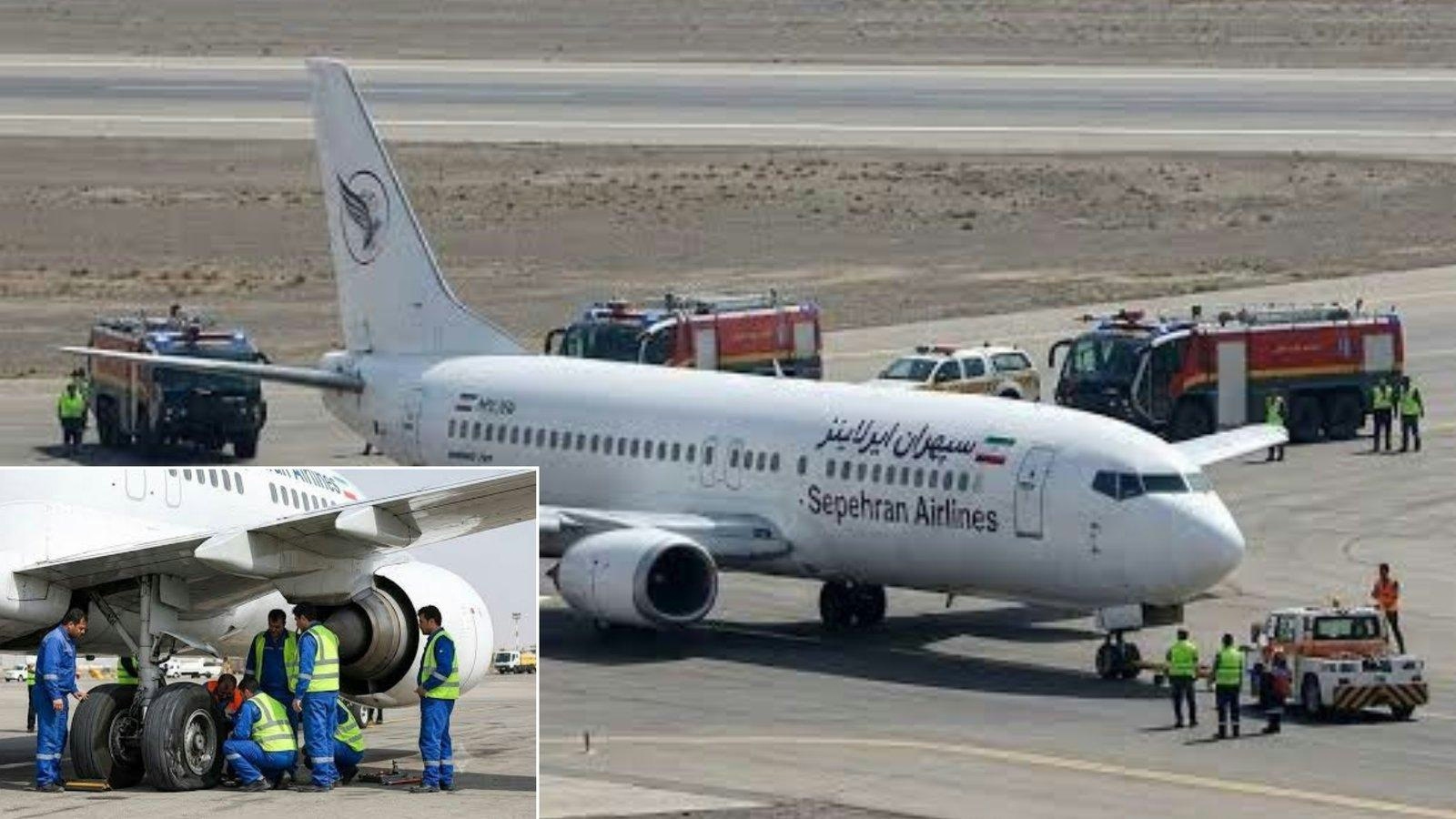
Sepehran Airlines B737 Returns to Mashhad After Tyre and Engine Issues
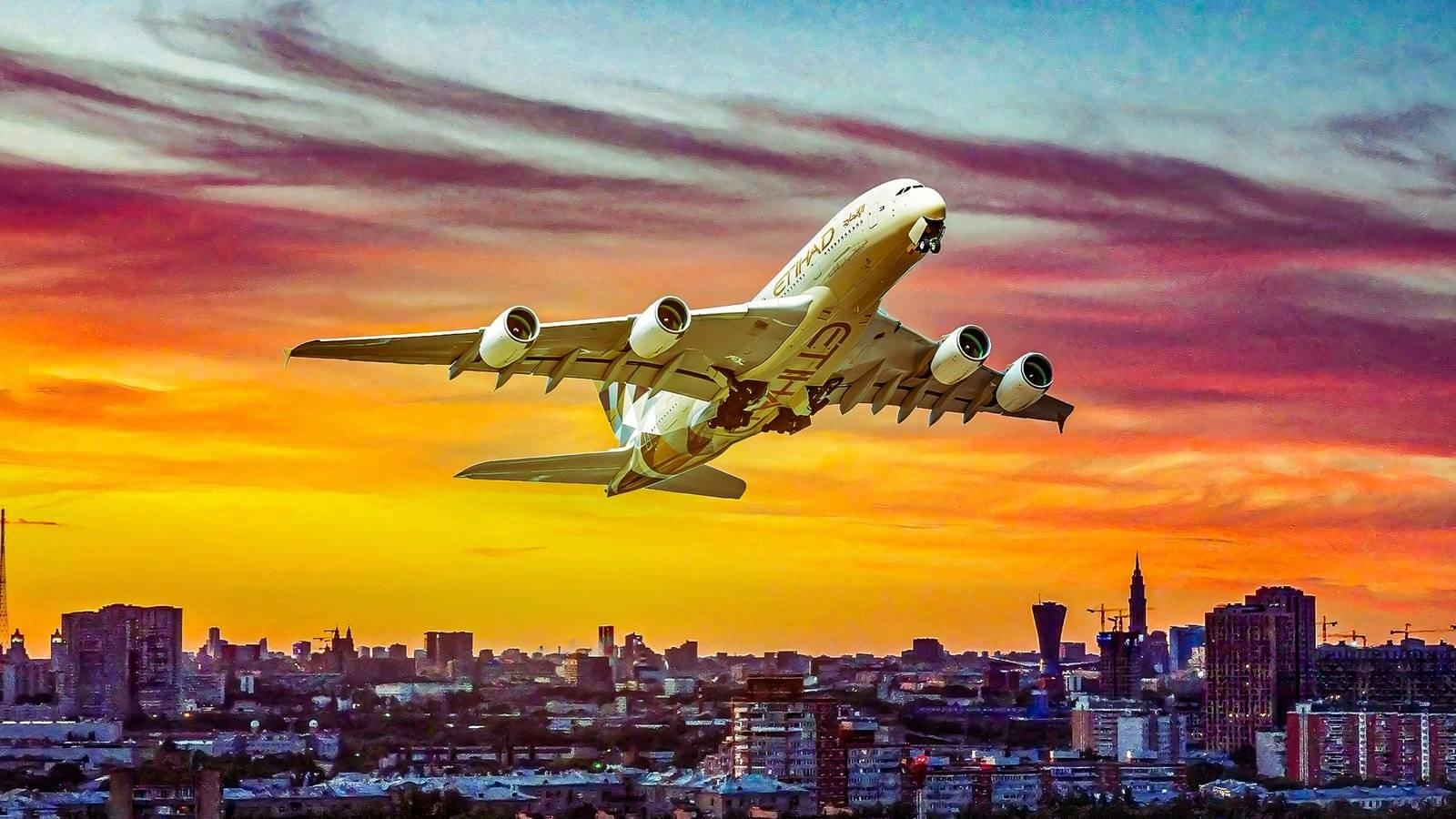
Etihad Deploys Widebody Fleet to Meet Strong Demand
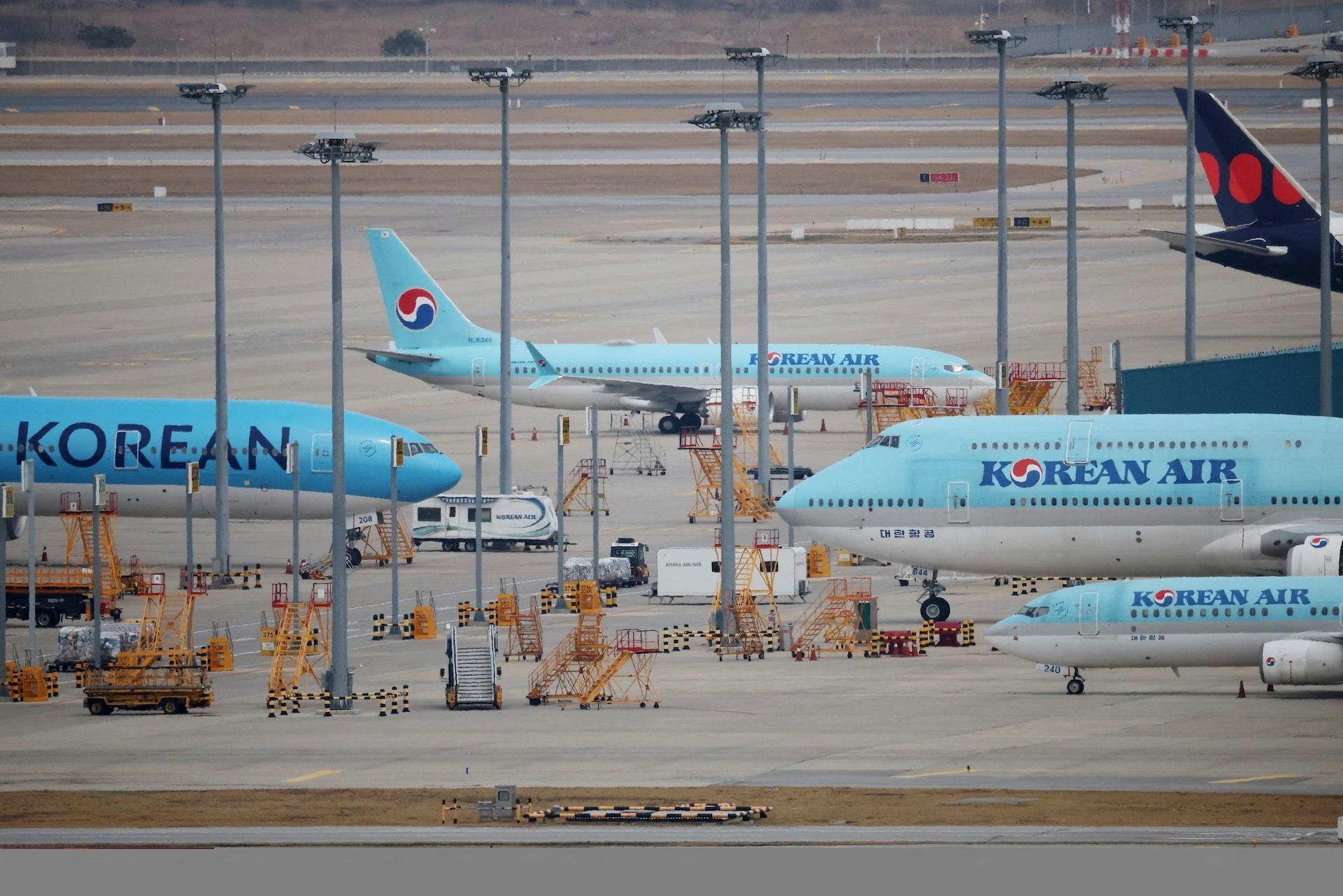
Korean Air Finalizes $36.2 Billion Deal with Boeing
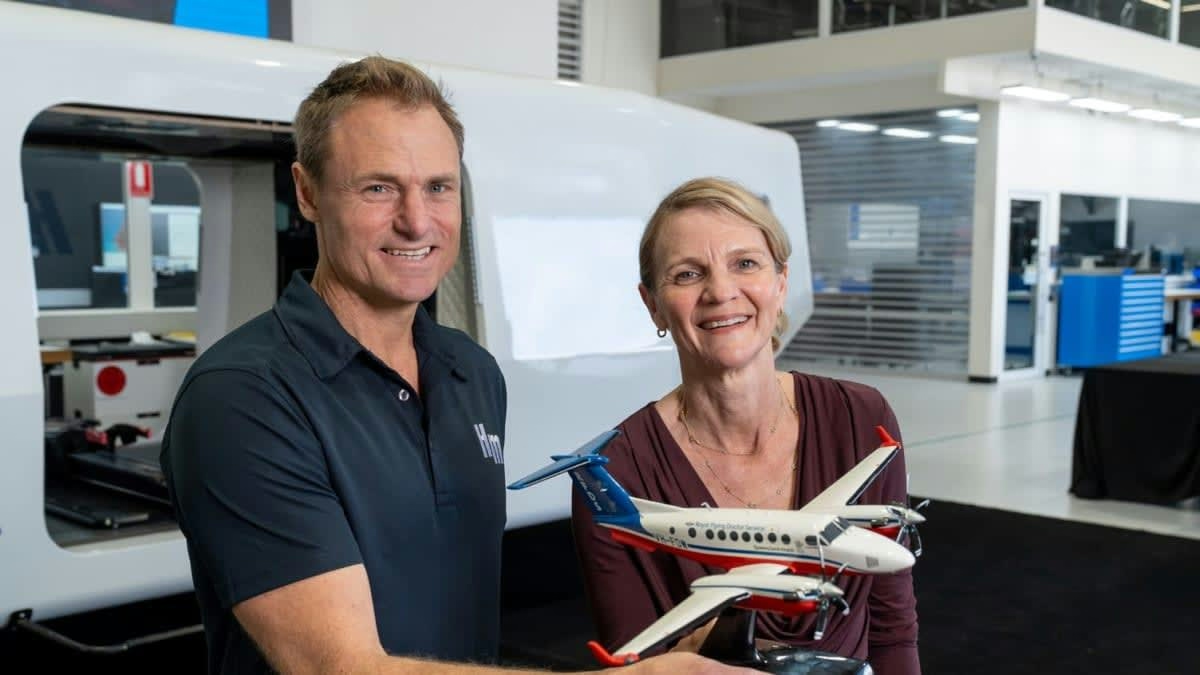
Australia’s RFDS Queensland Section Orders Six King Air 260Cs
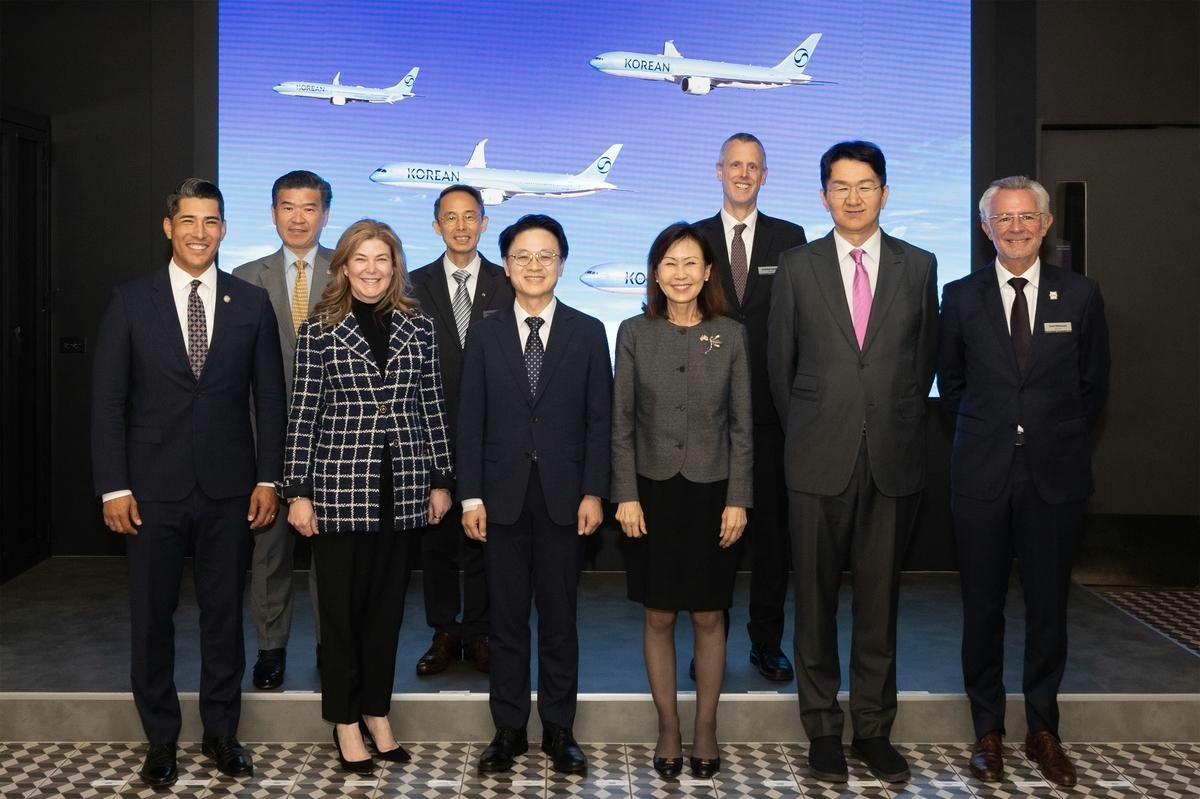
Korean Air Finalizes Order for 103 Boeing Jets and Engines
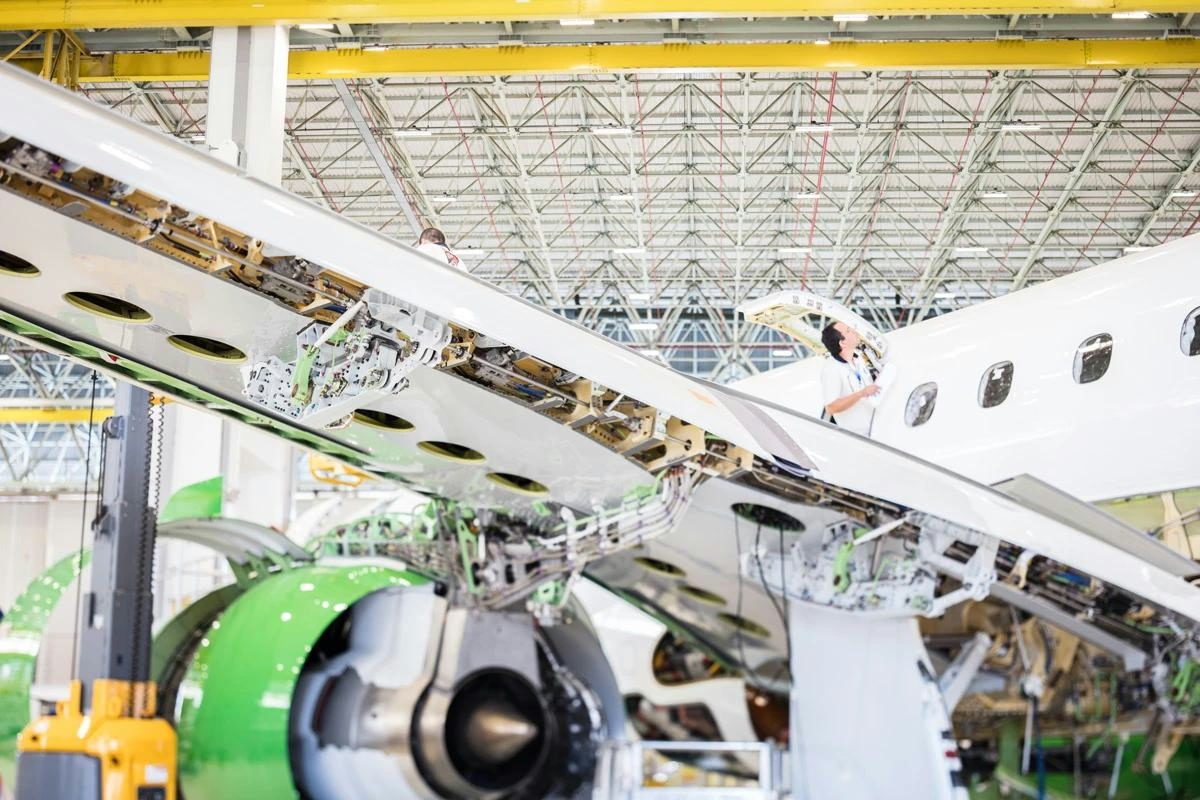
Embraer E195-E2 Features Distinctive Engine Placement Among Regional Jets
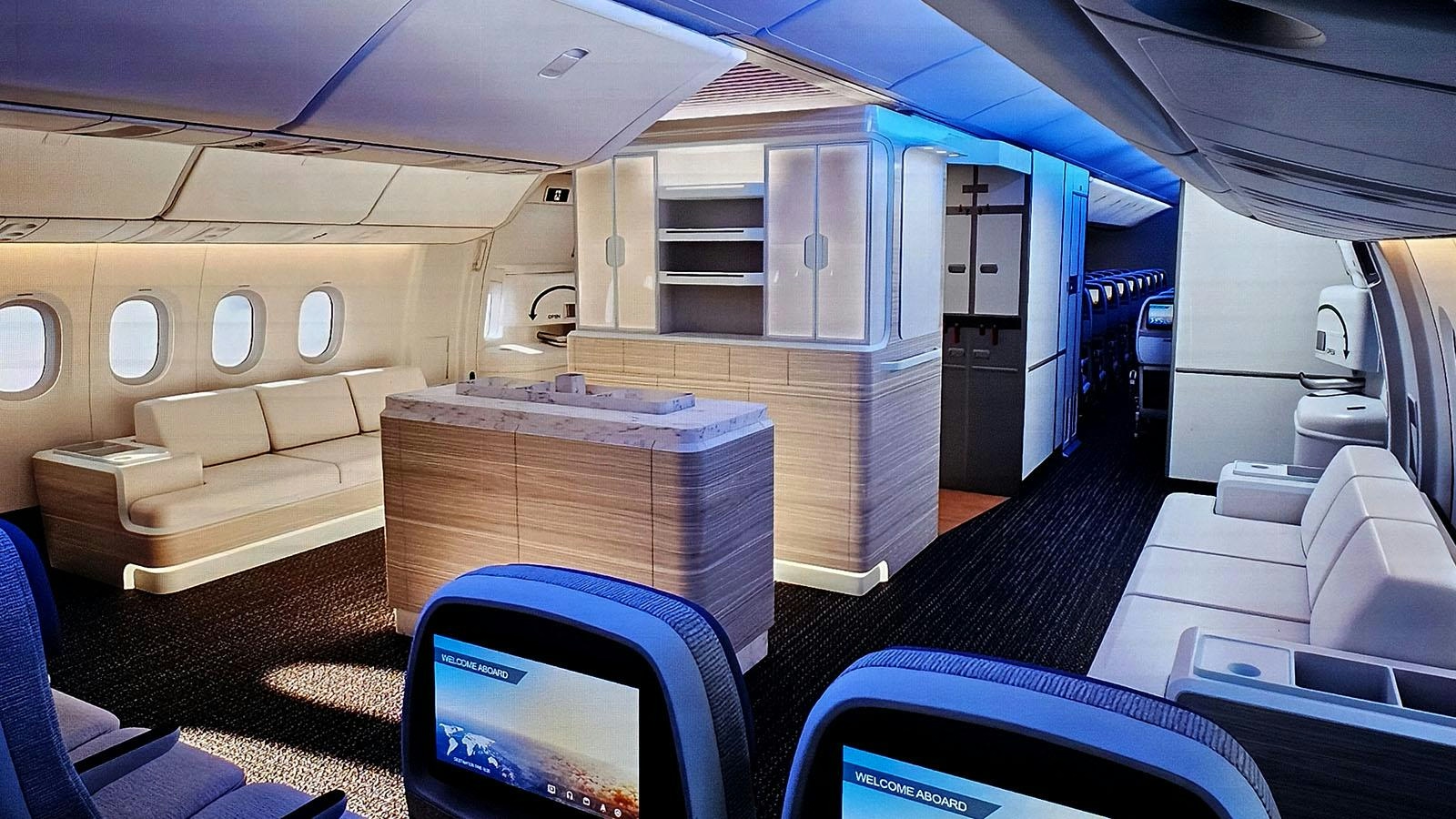
What Passengers Can Expect on Boeing’s New 777X Jet
How Ethiopian Airlines Became Africa’s Leading Carrier Amid Gulf Competition
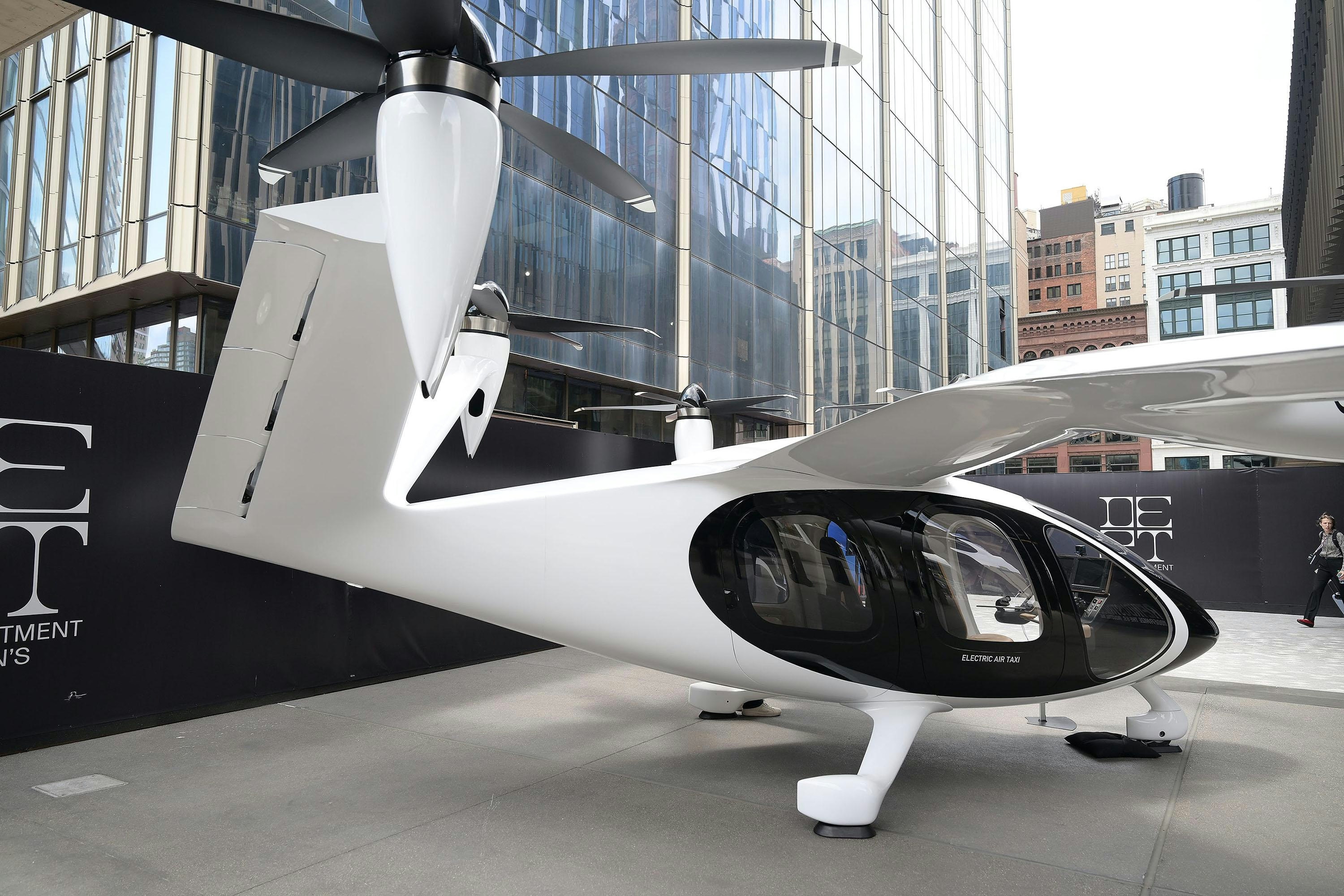
Joby Aviation Extends Autonomous Flight Capabilities with Cross-Country Tour
