
AIによるインサイトを行動へとつなげる

現在のトレンド
Categories
Lithuania Reviews Future of Šiauliai International Airport
Lithuania Reviews Future of Šiauliai International Airport
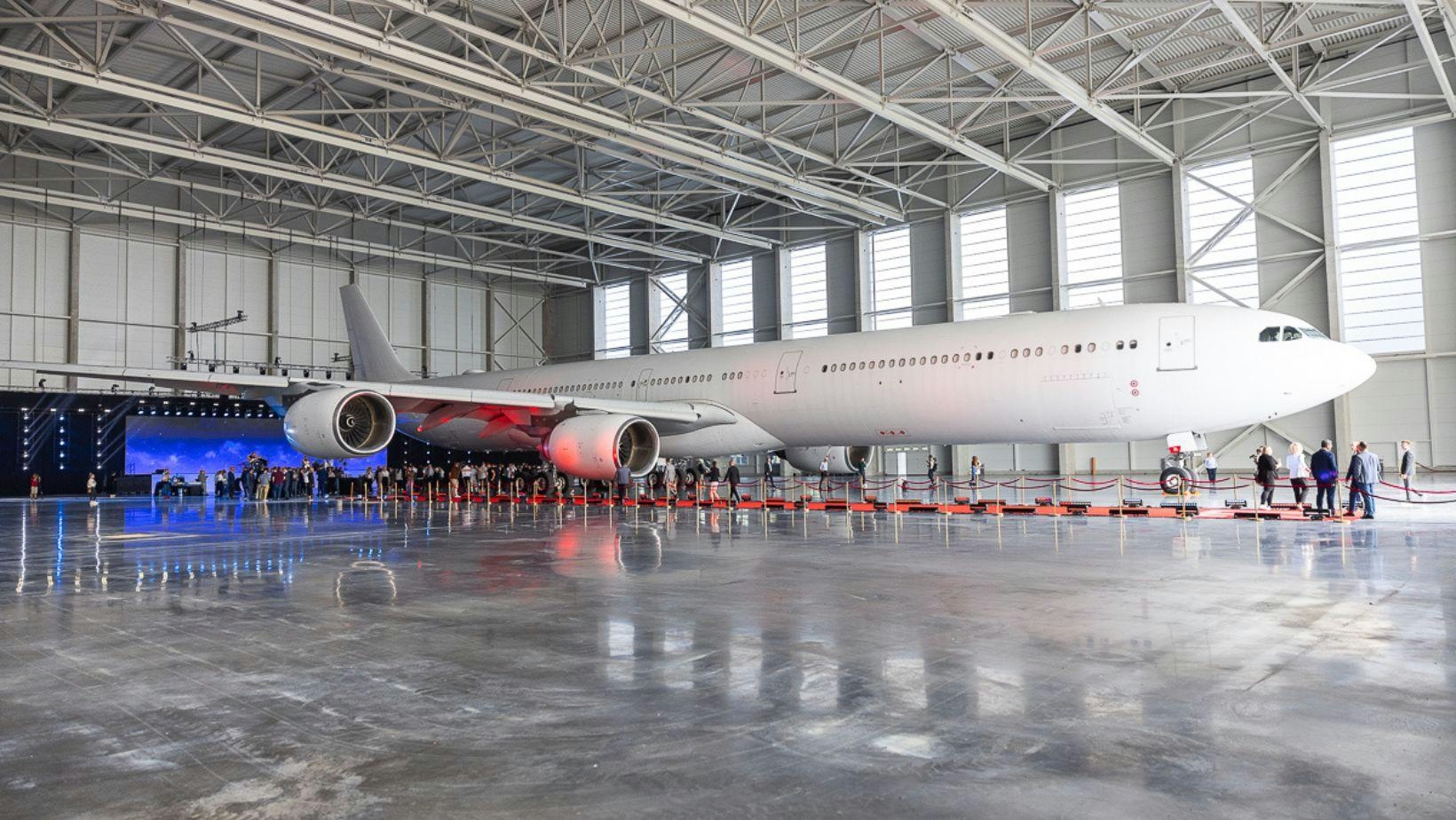
Lithuania is undertaking a comprehensive reassessment of Šiauliai International Airport’s role, with Defense Minister Robertas Kaunas confirming that civilian flights will cease following the expiration of the passenger terminal lease in March 2027. Minister Kaunas underscored that the primary focus should remain on maintaining the airport to NATO standards, emphasizing that Lithuania’s existing civilian airports sufficiently accommodate passenger traffic.
Strategic and Economic Considerations
Šiauliai International Airport, operated by the Lithuanian Air Force, functions as its principal base while also supporting non-scheduled civilian passenger and cargo flights. The prospect of ending civilian operations has sparked concern among local businesses, which warn that such a move could lead to substantial investment losses and the erosion of the airport’s international standing. Estonian-owned Aviatic MRO, one of two civilian maintenance, repair, and overhaul (MRO) providers at Šiauliai alongside Airhub Aviation, has expressed interest in expanding its maintenance hub investments. However, the company requires firm assurances regarding the airport’s continued operational status to proceed with its plans.
Compounding these challenges, Riga Airport in neighboring Latvia is preparing to assume responsibility for live animal cargo transport in the region—a service previously managed by Šiauliai—highlighting the competitive pressures confronting the Lithuanian facility.
Broader Aviation Sector Challenges
The review of Šiauliai’s future occurs against a backdrop of significant challenges within the European aviation sector. Rising operating costs, geopolitical uncertainties, and increasing demands for sustainability are exerting pressure on regional airports. Concurrently, ongoing consolidation among major European airlines threatens to reduce competition and connectivity, disproportionately affecting smaller airports such as Šiauliai. Airlines are also navigating fuel price volatility and escalating operational expenses, factors likely to influence their strategic decisions regarding regional routes.
Furthermore, the industry’s transition toward greener technologies and the implementation of new state aid regulations are poised to reshape regional airport connectivity. These developments, alongside market dynamics and competitor responses, will be critical in determining the trajectory of Šiauliai International Airport.
As Lithuania deliberates on the airport’s future, the decision will carry significant implications not only for national defense priorities but also for regional economic development and the country’s role within the evolving European aviation landscape.

Etihad and Swissport Extend Global Partnership

Sepehran Airlines B737 Returns to Mashhad After Tyre and Engine Issues

Etihad Deploys Widebody Fleet to Meet Strong Demand

Korean Air Finalizes $36.2 Billion Deal with Boeing

Australia’s RFDS Queensland Section Orders Six King Air 260Cs

Korean Air Finalizes Order for 103 Boeing Jets and Engines

Embraer E195-E2 Features Distinctive Engine Placement Among Regional Jets

What Passengers Can Expect on Boeing’s New 777X Jet

How Ethiopian Airlines Became Africa’s Leading Carrier Amid Gulf Competition

Joby Aviation Extends Autonomous Flight Capabilities with Cross-Country Tour
