
AIによるインサイトを行動へとつなげる

現在のトレンド
Categories
Results of the Lift Challenge
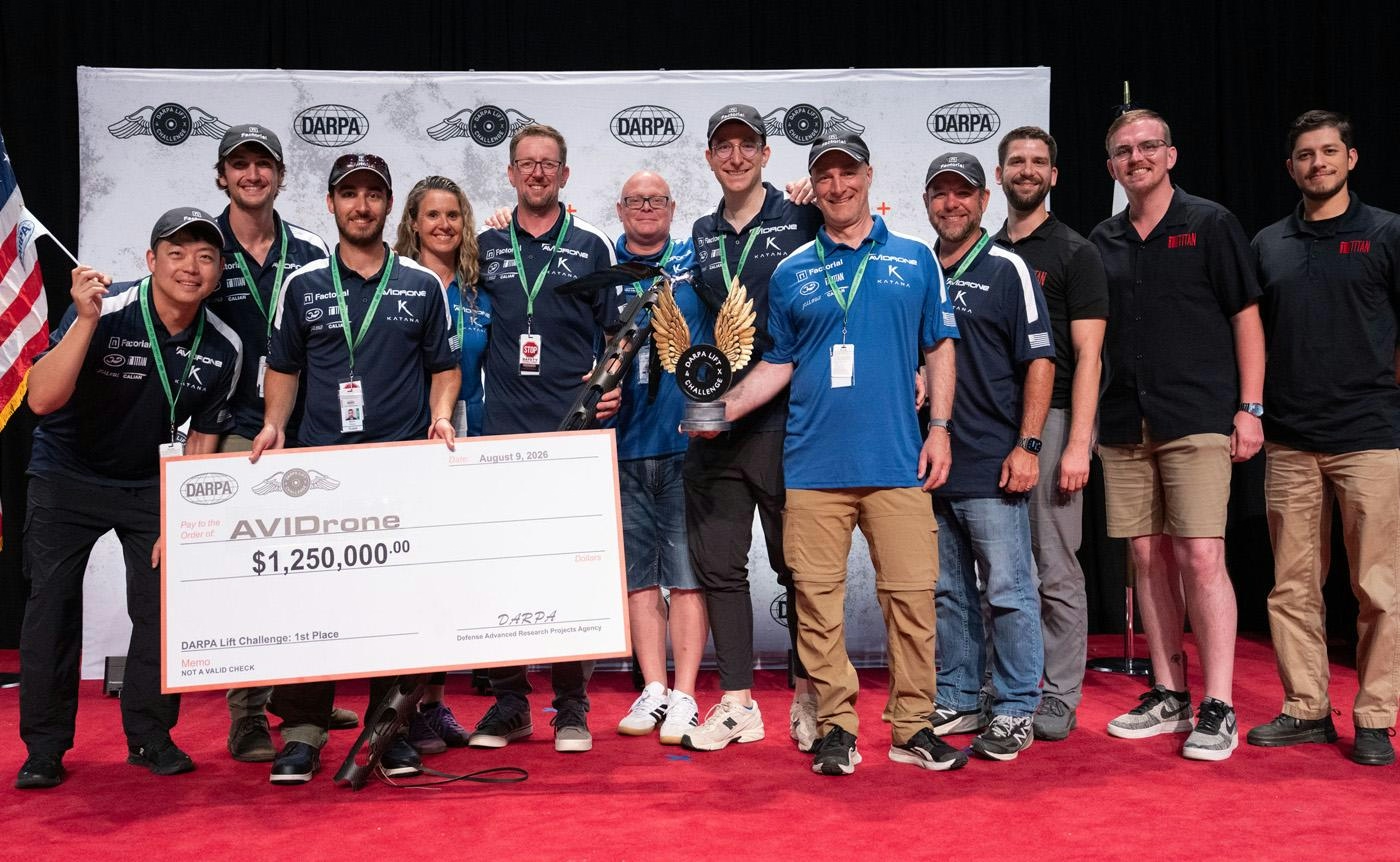
Results of the Lift Challenge
The DARPA Lift Challenge has established a new benchmark in vertical lift aviation by highlighting cutting-edge advancements in heavy-lift drone technology. The national competition, held at the National Museum of the U.S. Air Force, concluded on August 9 with participating teams unveiling innovative drone designs aimed at enhancing the accessibility of vertical heavy-lift aircraft for both military and commercial applications.
Breakthroughs and Performance Highlights
AVIDrone, Inc. emerged as the leading contender, presenting an electric helicopter that achieved a payload-to-weight ratio of 3.84:1—an unprecedented achievement in the field. Although this fell slightly short of DARPA’s ambitious 4:1 target, the result was widely regarded as a significant milestone. Phillip “Donna” Smith, the Lift Challenge program manager, remarked, “We chose the target because we believed it might be possible and what we proved this week. Even though we didn't hit it in an official score, we saw the path at this competition.”
The challenge of engineering a drone capable of lifting four times its own weight underscored the technical complexity involved. Beyond performance metrics, teams also confronted logistical challenges, particularly regarding the scalability of production to meet DARPA’s stringent requirements. This aspect remains critical as the technology transitions from prototype stages toward potential operational deployment.
Industry Impact and Future Prospects
DARPA Director Stephen Winchell emphasized that the innovations showcased during the competition represent only the initial phase of a broader transformation within the aerospace sector. Speaking at the awards ceremony, Winchell noted that the lifting capabilities demonstrated already exceed those available in the current market and predicted that these technological breakthroughs will soon have far-reaching effects across the industry.
The competition’s results are poised to influence both commercial markets and defense sector dynamics. Industry analysts are closely monitoring the potential applications of the successful designs, while competitors may respond with strategic partnerships or increased investments in similar technologies. Furthermore, these outcomes are likely to shape future defense contracts and funding priorities related to vertical-lift drone systems.
Looking forward, DARPA intends to continue fostering the development of promising drone concepts. This commitment includes funding through multiple Small Business Innovation Research (SBIR) initiatives and facilitating connections between teams and investors via its Commercial Strategy Office. These efforts aim to advance the technologies demonstrated during the Lift Challenge and explore viable pathways for their integration into national security and commercial markets.
As the Lift Challenge concludes, it marks not only a milestone in drone capability but also serves as a catalyst for ongoing innovation and evolution within the vertical lift aviation industry.

Etihad and Swissport Extend Global Partnership
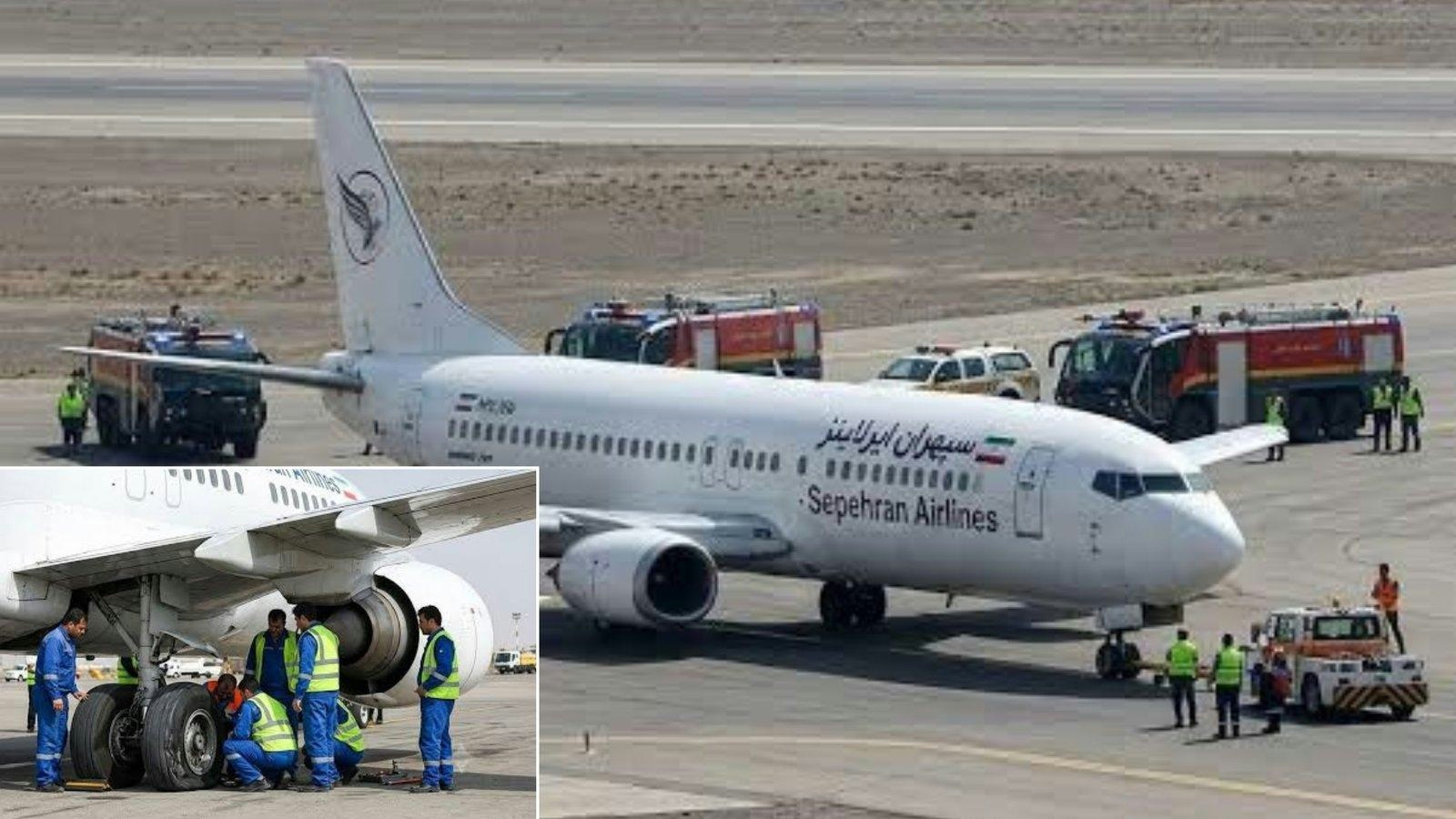
Sepehran Airlines B737 Returns to Mashhad After Tyre and Engine Issues

Etihad Deploys Widebody Fleet to Meet Strong Demand
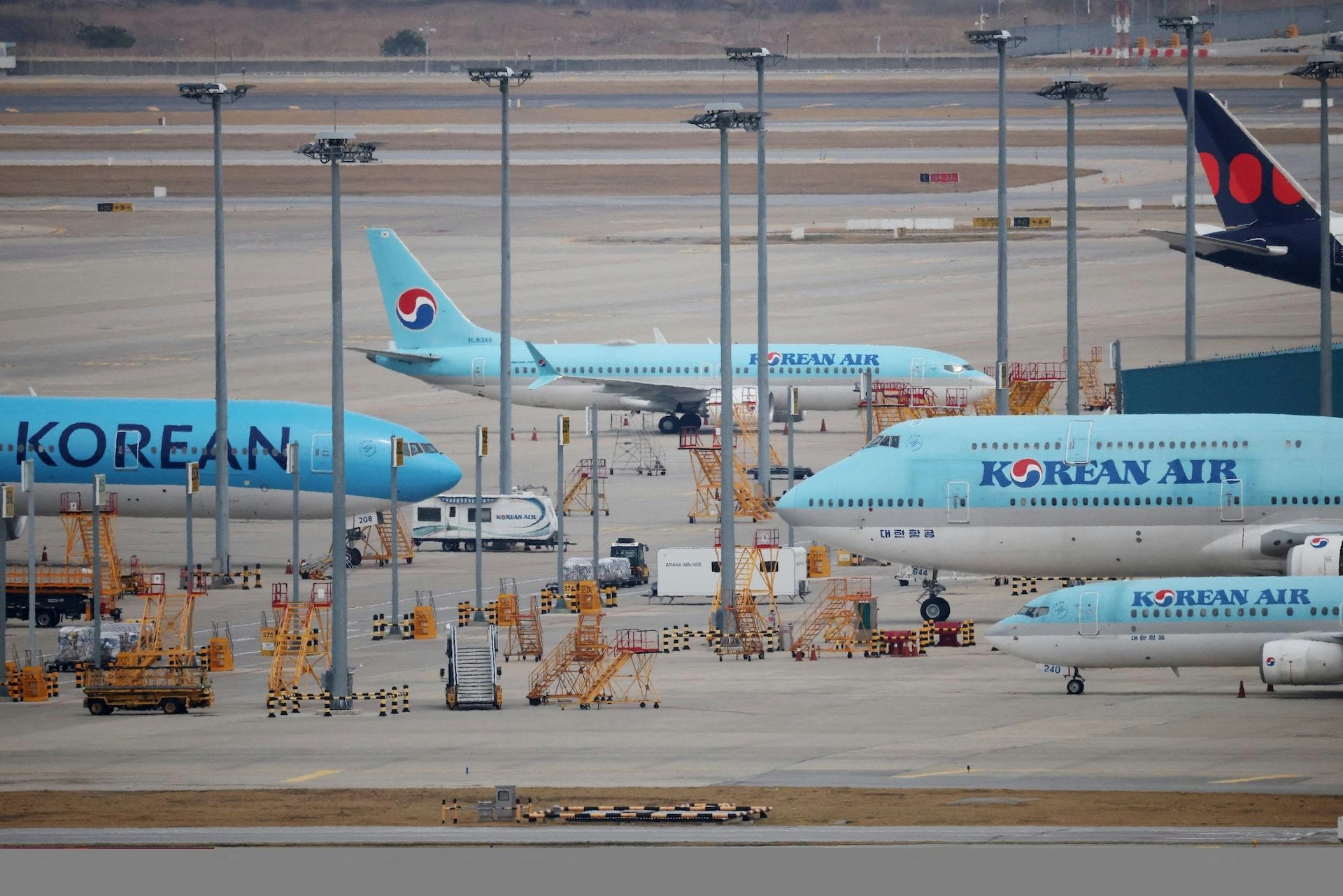
Korean Air Finalizes $36.2 Billion Deal with Boeing
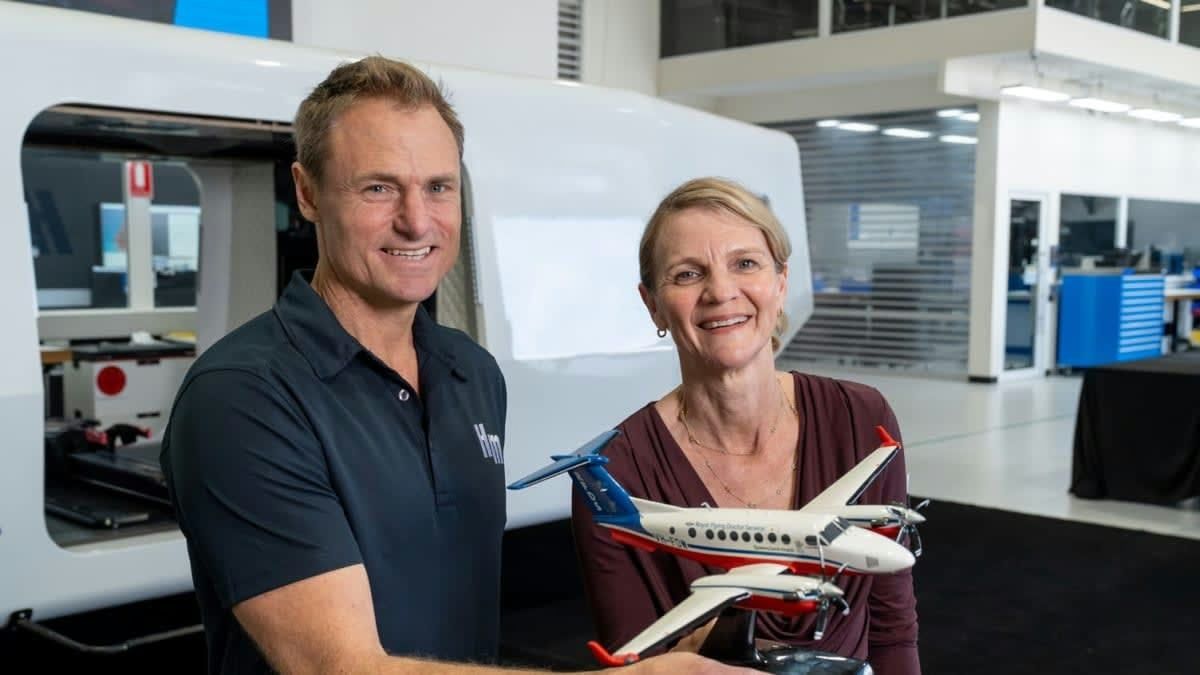
Australia’s RFDS Queensland Section Orders Six King Air 260Cs

Korean Air Finalizes Order for 103 Boeing Jets and Engines
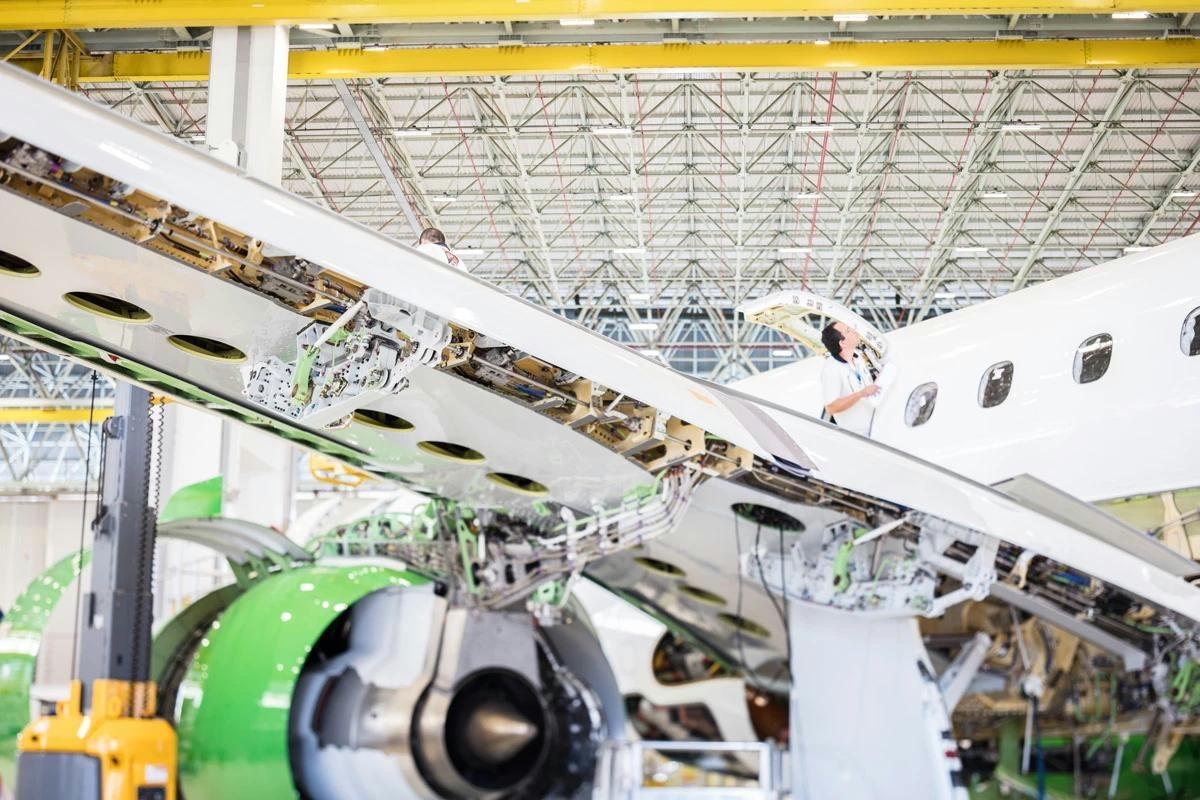
Embraer E195-E2 Features Distinctive Engine Placement Among Regional Jets
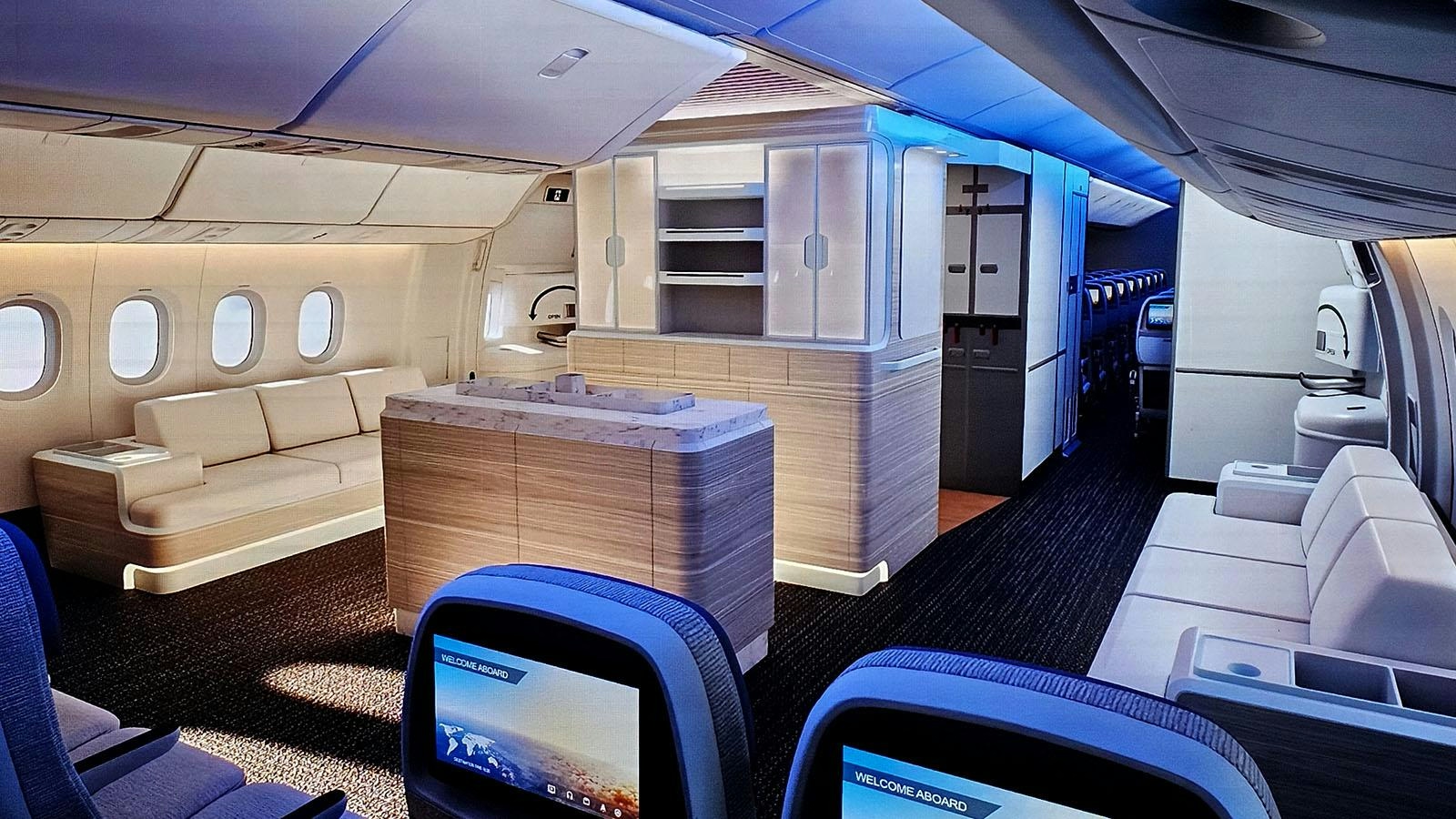
What Passengers Can Expect on Boeing’s New 777X Jet

How Ethiopian Airlines Became Africa’s Leading Carrier Amid Gulf Competition
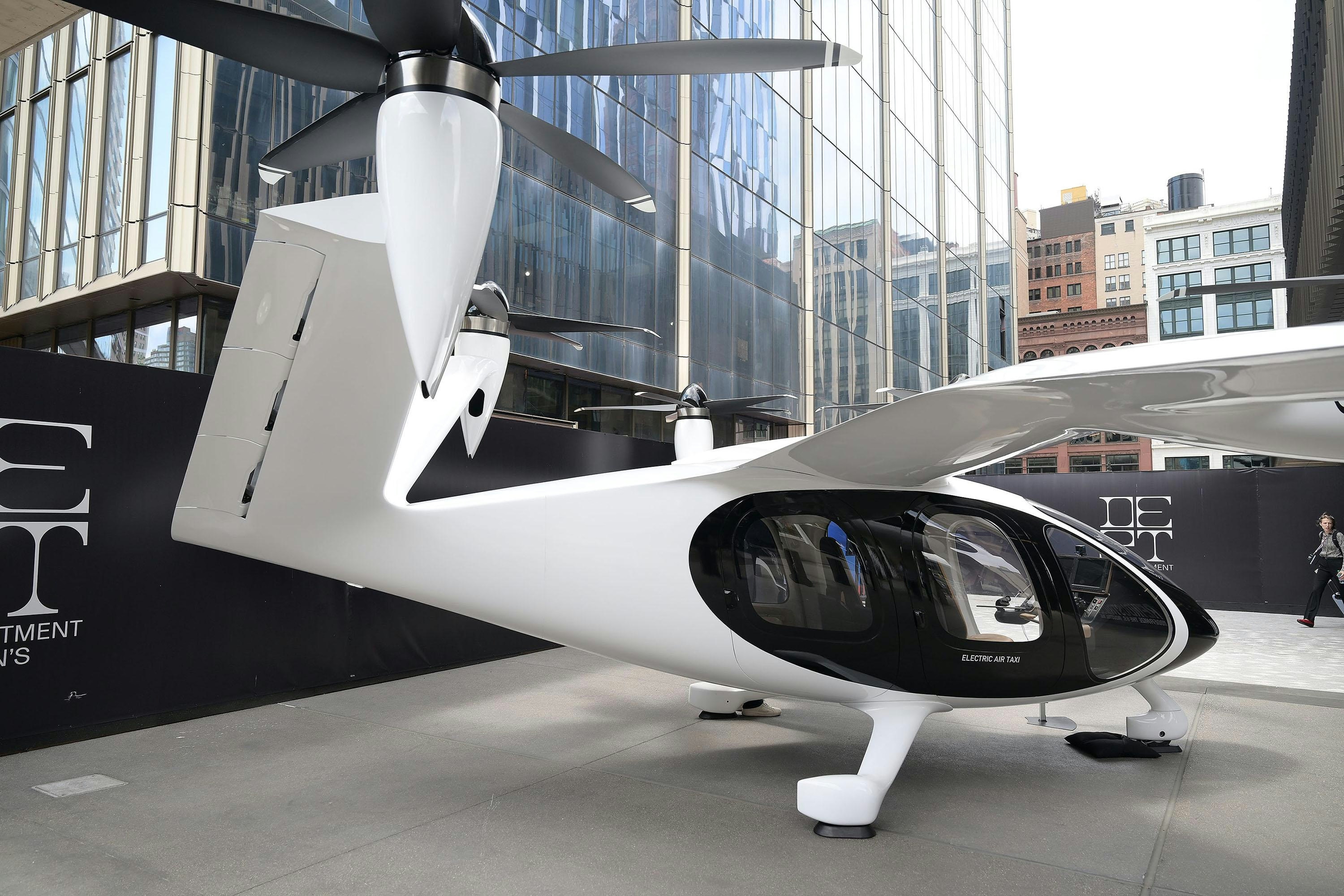
Joby Aviation Extends Autonomous Flight Capabilities with Cross-Country Tour
