
エアロジニー — あなたのインテリジェントな副操縦士。

現在のトレンド
Categories
Sheikh Hamdan Announces First Air Taxi Station Near Dubai Airport
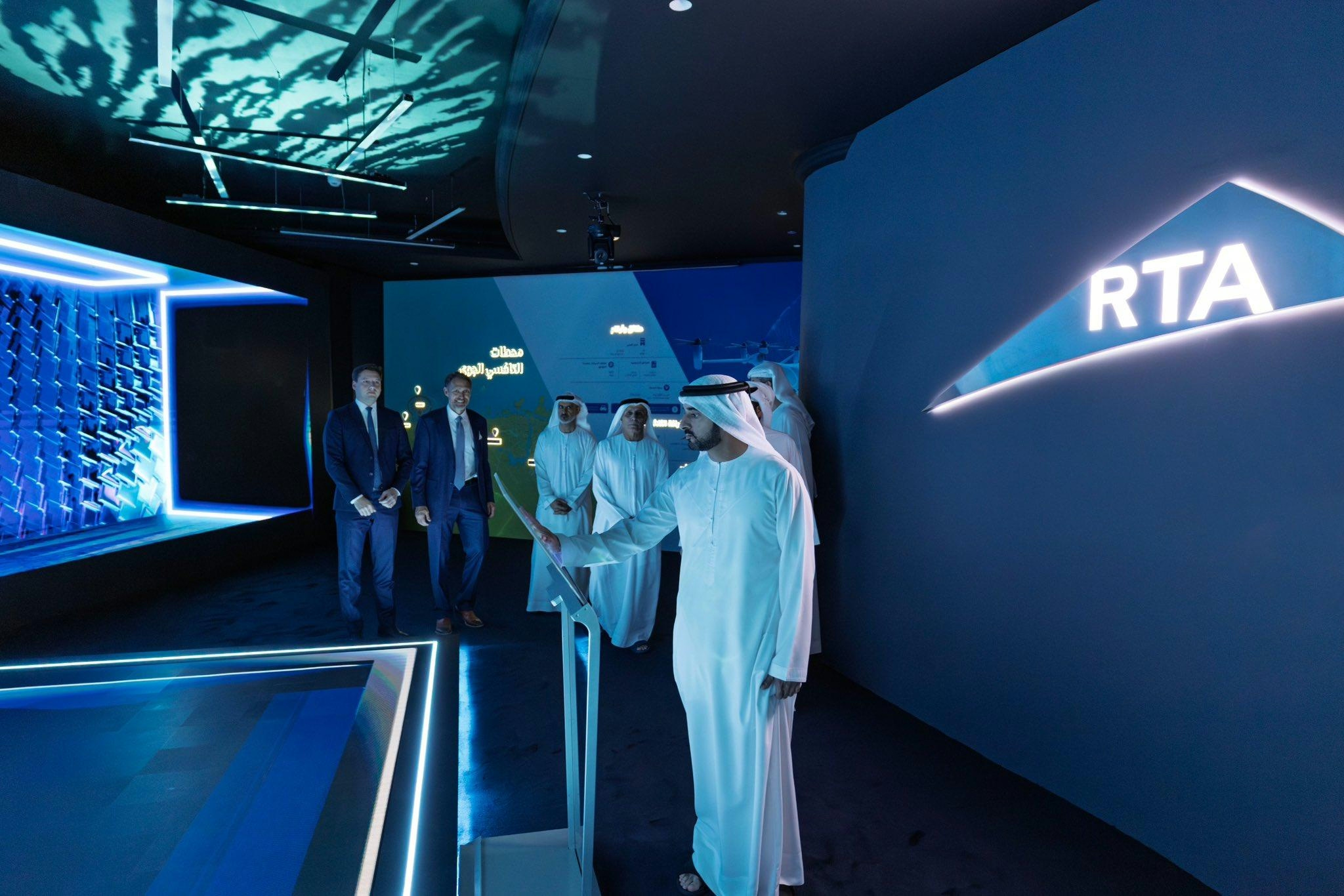
Sheikh Hamdan Announces Dubai’s First Air Taxi Station Near International Airport
Dubai’s Crown Prince, Sheikh Hamdan bin Mohammed bin Rashid Al Maktoum, has officially announced the completion of the city’s inaugural air taxi station, situated adjacent to Dubai International Airport. This pioneering facility, designed to accommodate electric vertical take-off and landing (eVTOL) vehicles, represents a landmark achievement in Dubai’s ambitious strategy to advance urban mobility. It is the first station of its kind globally, underscoring the city’s commitment to innovation in transportation.
The station forms part of a wider network, with additional hubs planned for prominent locations including Downtown Dubai, Palm Jumeirah, and Dubai Marina. These are expected to become operational by the end of 2024. Sheikh Hamdan has mandated that the air taxi service be made available to the public within the year, with the initial station anticipated to handle up to 170,000 passengers annually. “This project is a key milestone in Dubai’s urban mobility journey, reducing travel time and bringing the city closer,” Sheikh Hamdan remarked. “With the completion of the first air taxi station, we reaffirm our commitment to shaping the future of mobility and building a global city that puts people first.”
Advanced Infrastructure and Operational Framework
The newly completed station spans 3,100 square metres across four storeys and includes a two-level car park, two dedicated take-off and landing pads, charging infrastructure for eVTOL vehicles, and climate-controlled passenger amenities. Constructed to meet the highest international safety standards, the facility is designed for seamless integration with Dubai’s existing public transport network, encompassing metro lines, bus routes, and shared mobility services.
Skyports Infrastructure is responsible for the station’s design, development, and ongoing operations, while Joby Aviation manages aircraft manufacturing and passenger services. The Roads and Transport Authority (RTA) oversees the overall operational framework, ensuring the air taxi service is fully integrated within the city’s broader transport ecosystem.
Enhancing Connectivity Amid Challenges
The air taxi service aims to provide residents and visitors with a rapid and secure alternative for travel between key urban destinations. For instance, the journey from Dubai International Airport to Palm Jumeirah is projected to take approximately 10 minutes, a significant reduction from the current 45-minute car trip. The service is designed to support multimodal travel, connecting with electric scooters, bicycles, and other mobility options to enhance overall citywide connectivity.
Despite the ambitious rollout, the initiative faces several challenges. Regulatory frameworks are still evolving as authorities work to ensure safety and compliance in the face of rapid technological advancements. The sector is also contending with growing competition from established autonomous vehicle companies such as WeRide and Uber, both of which have introduced driverless robotaxi services in Dubai.
Market responses have been mixed, with some Gulf carriers expressing concerns over potential fluctuations in demand amid ongoing geopolitical tensions. Additionally, Joby Aviation, the developer behind Dubai’s air taxis, is currently embroiled in legal disputes with rival Archer Aviation concerning trade secrets and import practices. The US Trade Commission has also initiated an investigation into Joby for possible import violations, adding further regulatory scrutiny.
Similar urban air mobility projects worldwide, including those planned in Florida, are encountering comparable regulatory and infrastructure challenges, highlighting the complexities involved in bringing air taxi services to market.
As Dubai prepares to launch its air taxi service, the city continues to position itself at the forefront of smart mobility innovation. The successful integration of air taxis into the public transport network could establish a global precedent for urban mobility, even as the sector navigates regulatory, competitive, and market challenges.
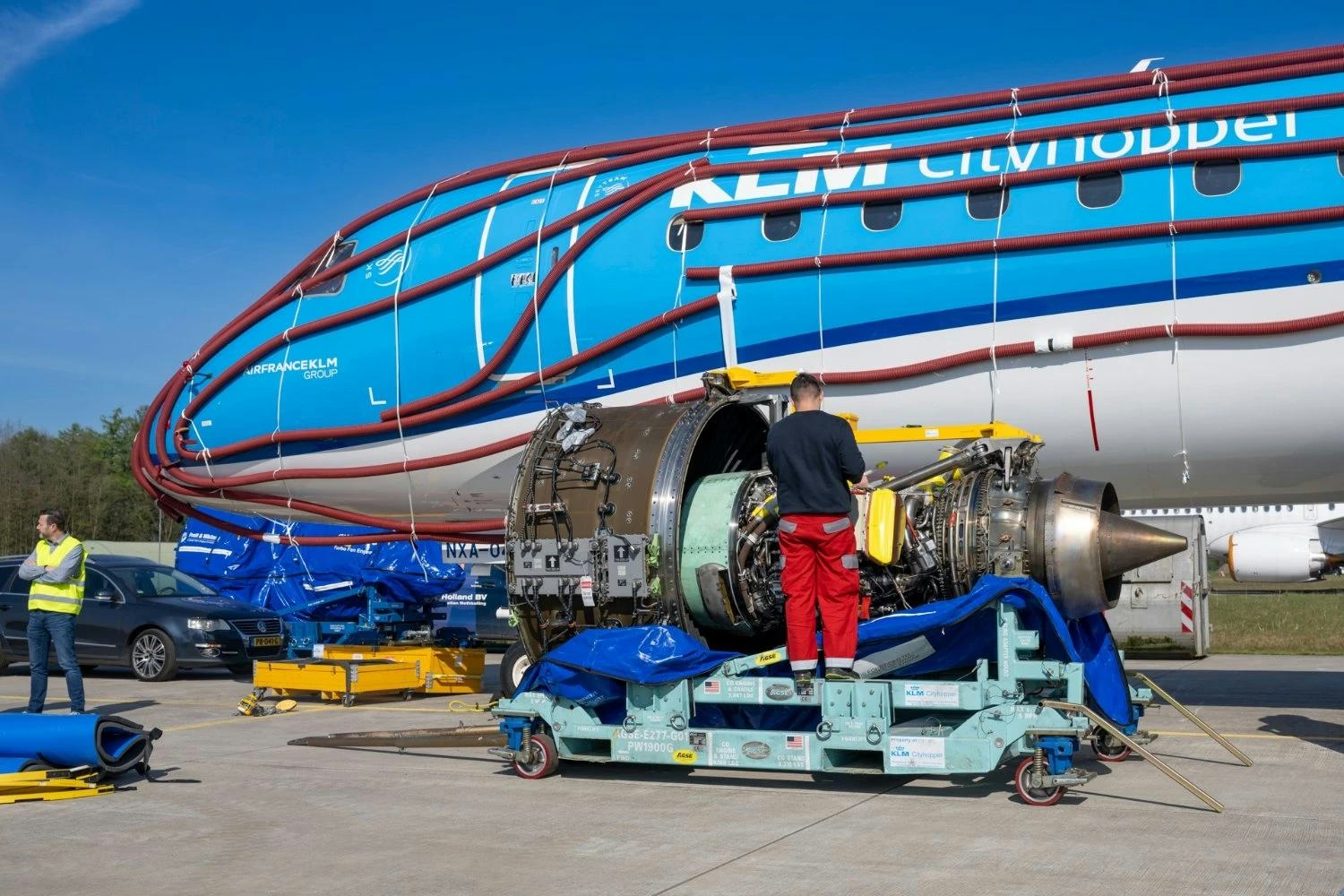
KLM Resumes Service of E195-E2 Jets Following Engine Shortages
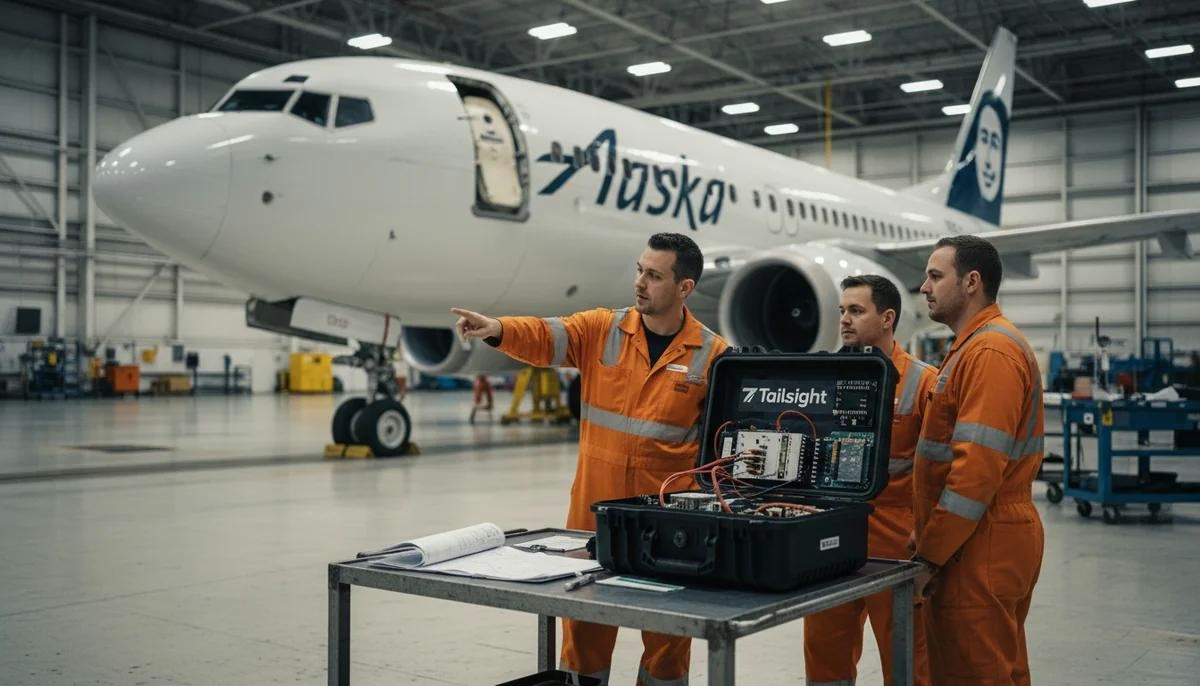
Alaska Airlines Partners with Tailsight to Reduce Aircraft Downtime Using AI

Top Gun Requires More Than Maverick
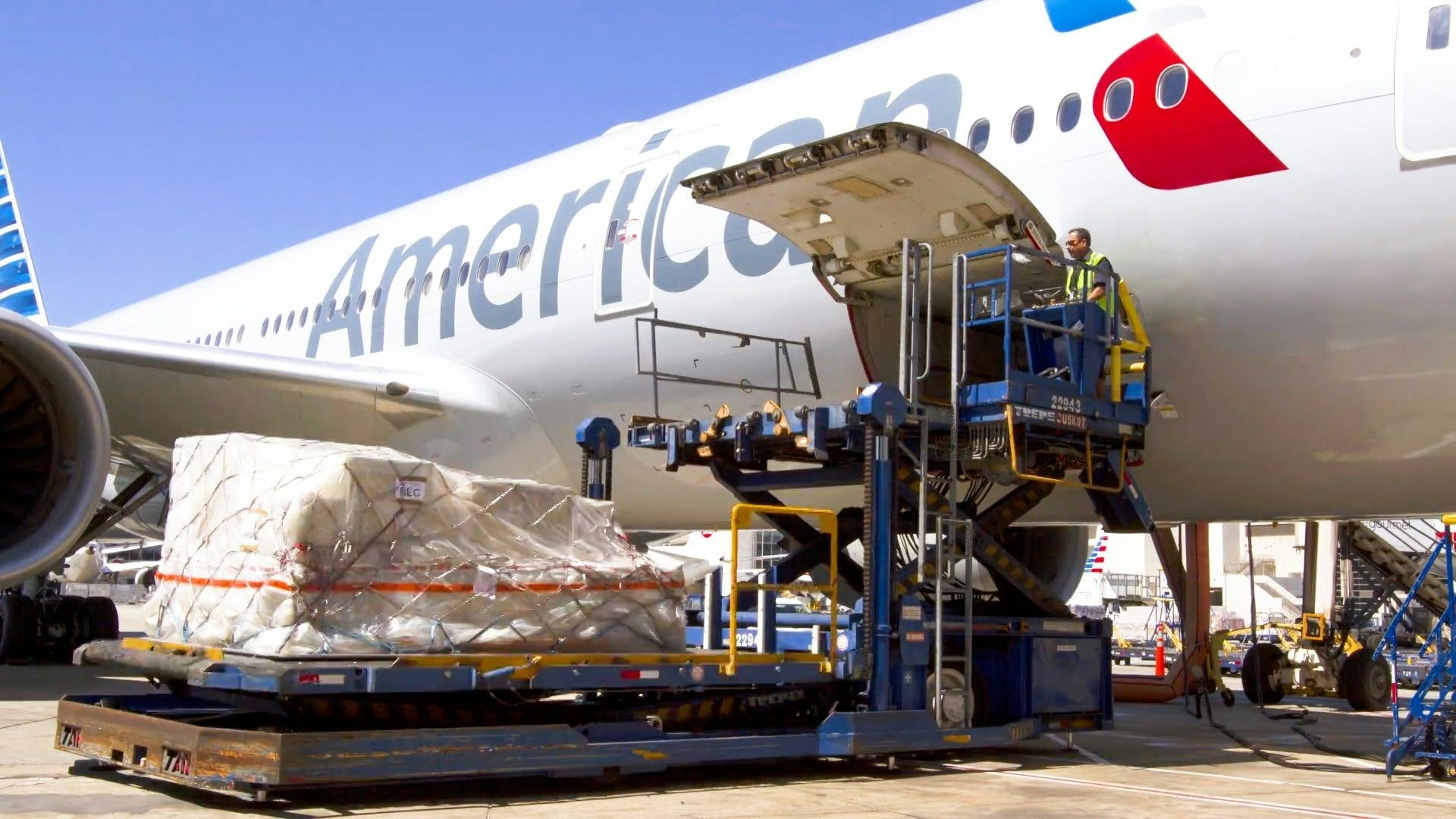
American Airlines Cargo Marks 100 Years of Service and Innovation
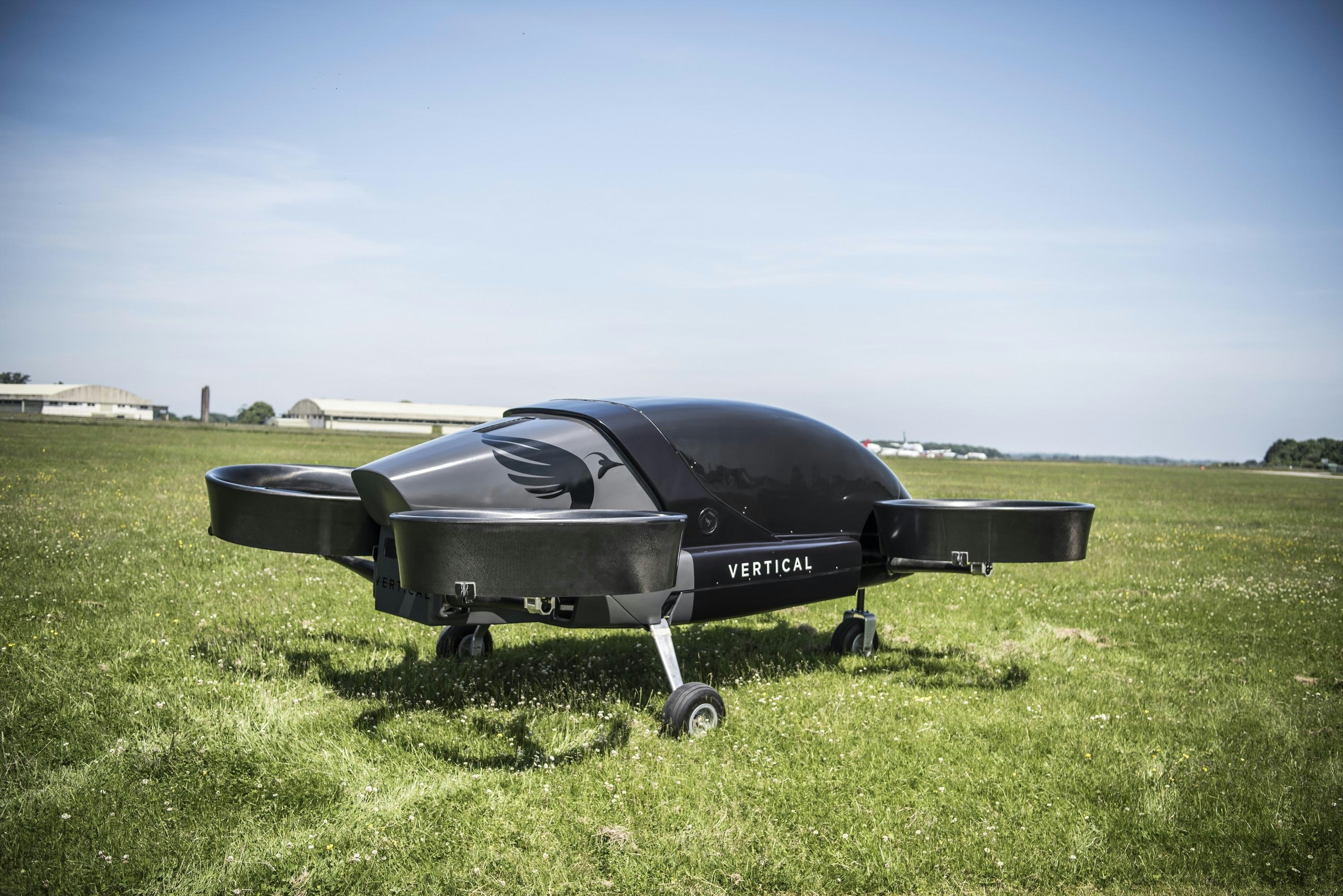
Bristol's Vertical Aerospace Completes First Real-World e-Air Taxi Flight
Collins Finalizes Helix Agreements for 200 Narrow-Body Aircraft

DGCA and Gati Shakti Vishwavidyalaya Sign MoU to Strengthen Aviation Workforce and MRO Sector

Veryon Enhances MRO Ecosystem with Integrated Work Centre and GSE Solutions

Clyde & Co Aviation Partner Moves to Singapore Office
Keyamo Highlights $2.5 Billion Maintenance Cost After United Airlines' Fifth Bird Strike
