
AIによるインサイトを行動へとつなげる

現在のトレンド
Categories
Thai Airways to Decide on Long-Haul Widebody Replacement Within Two Years
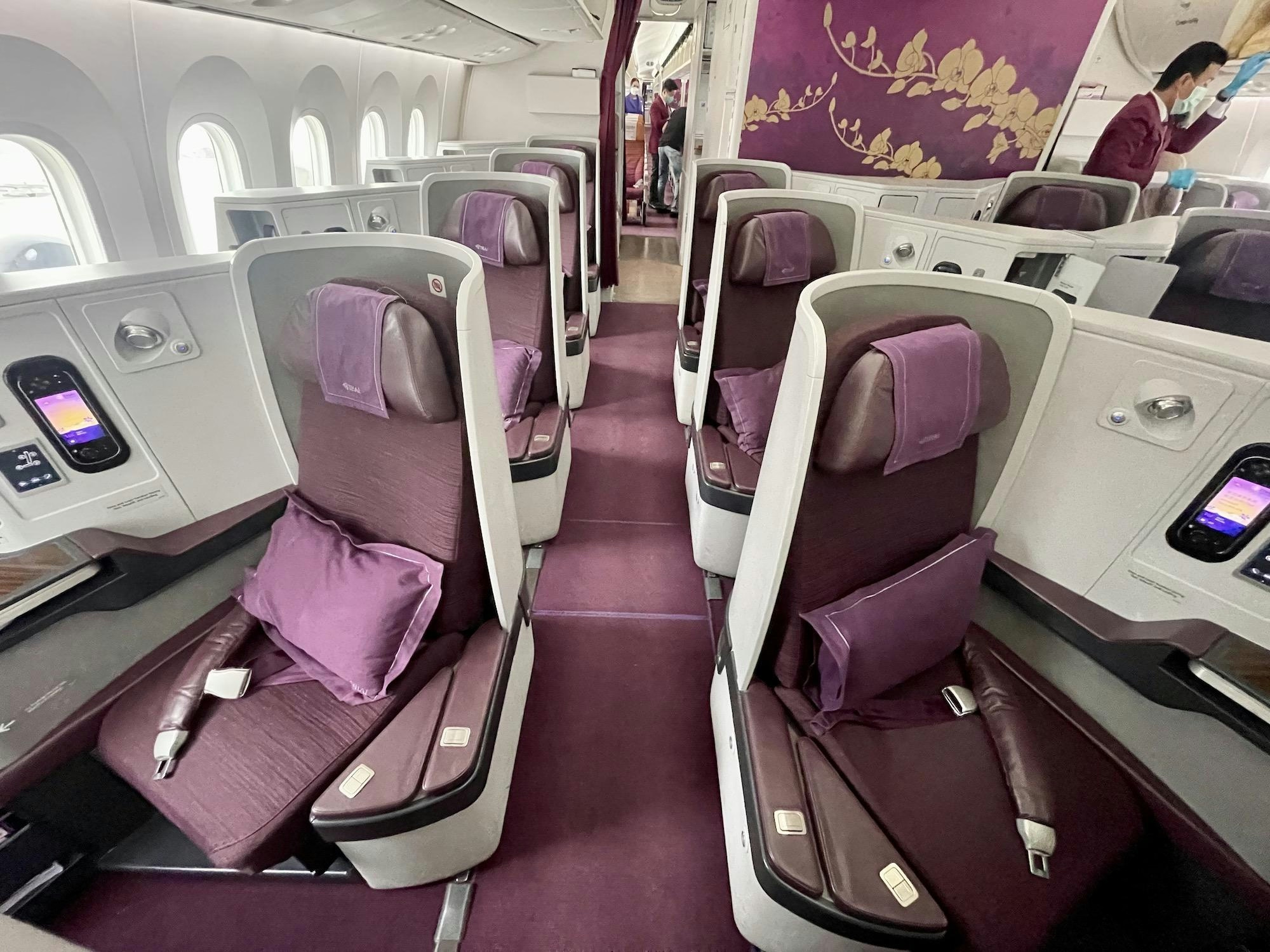
Thai Airways to Decide on Long-Haul Widebody Replacement Within Two Years
Evaluation of Next-Generation Aircraft
Thai Airways International is poised to finalize its choice of long-haul widebody aircraft within the next one to two years, according to CEO Chai Eamsiri. The airline is currently assessing the Airbus A350-1000 and Boeing 777X as potential successors to its aging fleet, with initial deliveries anticipated around 2036. This evaluation aligns with a broader industry trend as carriers seek to modernize their long-haul capabilities.
Speaking in Amsterdam during an event celebrating the launch of new flights from Bangkok, Eamsiri revealed that the airline’s focus remains on these two aircraft models. Thai Airways already operates the smaller A350-900 and holds options for the 777X, linked to a 2024 order for 45 Boeing 787s. This order, announced at the Singapore Airshow, includes options for an additional 35 787s and the flexibility to convert some commitments to the 777X, underscoring the airline’s strategic approach to fleet renewal.
Strategic Implications and Fleet Renewal
The forthcoming decision will significantly influence Thai Airways’ long-haul strategy over the next decade. Eamsiri highlighted that acquiring new widebody aircraft could enable the airline to resume flights between Bangkok and North America, a route it last operated in 2015. However, he dismissed the ultra-long-range variant of the A350-1000, scheduled to debut with Qantas in 2027, due to its high per-seat operating costs.
Currently, Thai Airways relies on Boeing 777-300ERs for its long-haul operations, which are expected to remain in service for at least another ten years. The airline plans to retire its older 777-200ERs by the end of this year as part of its ongoing fleet renewal efforts. Concurrently, Thai Airways is expanding its Boeing 787 fleet, which is set to become the backbone of its long-haul network. The carrier recently received its first factory-fresh 787-9 powered by GE Aerospace GEnx engines. Eamsiri emphasized that a larger 787 fleet will provide greater flexibility in managing capacity across its routes.
Competitive Landscape and Market Positioning
Thai Airways’ fleet decisions come amid intensified competition in the long-haul market as global carriers enhance their capabilities in the post-pandemic recovery phase. American Airlines is planning new long-haul routes following its withdrawal from Doha, while Etihad Airways has placed additional widebody orders to restore its pre-pandemic capacity. These developments highlight the dynamic environment in which Thai Airways must position itself.
The airline’s upcoming choice of widebody replacements will be crucial in shaping its international network and maintaining competitiveness in the evolving global aviation landscape.

Etihad and Swissport Extend Global Partnership

Sepehran Airlines B737 Returns to Mashhad After Tyre and Engine Issues

Etihad Deploys Widebody Fleet to Meet Strong Demand

Korean Air Finalizes $36.2 Billion Deal with Boeing

Australia’s RFDS Queensland Section Orders Six King Air 260Cs

Korean Air Finalizes Order for 103 Boeing Jets and Engines

Embraer E195-E2 Features Distinctive Engine Placement Among Regional Jets

What Passengers Can Expect on Boeing’s New 777X Jet

How Ethiopian Airlines Became Africa’s Leading Carrier Amid Gulf Competition

Joby Aviation Extends Autonomous Flight Capabilities with Cross-Country Tour
