
AIによるインサイトを行動へとつなげる

現在のトレンド
Categories
United Airlines Grounds 14 Boeing 777-200s Amid Pratt & Whitney Engine Issues
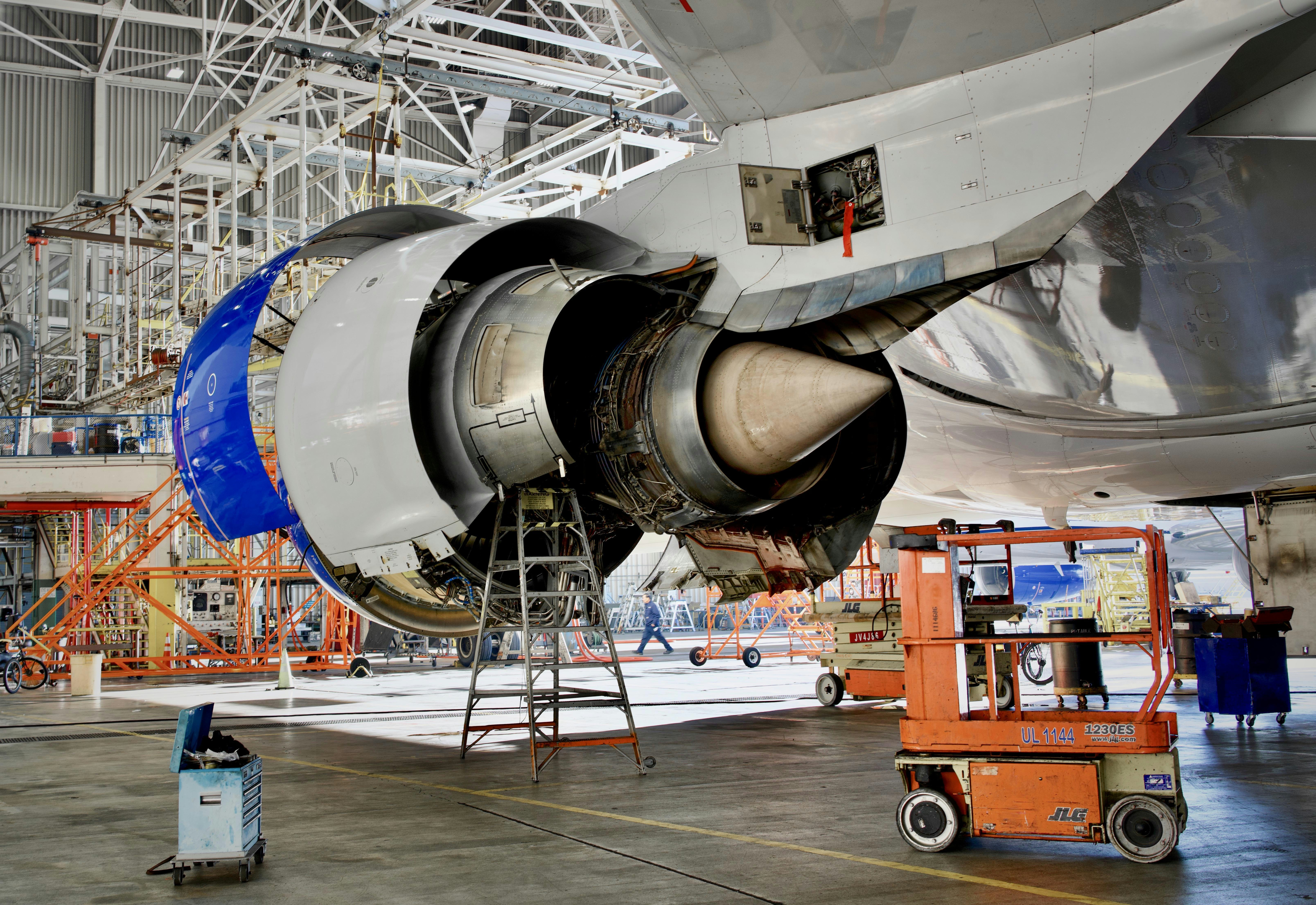
United Airlines Grounds 14 Boeing 777-200s Amid Pratt & Whitney Engine Challenges
United Airlines has moved 14 of its Boeing 777-200 aircraft into long-term storage at Victorville, California, as it grapples with persistent issues related to the Pratt & Whitney PW4000 engines that power these jets. This decision follows the recent extension by the US Federal Aviation Administration (FAA) of the deadline for a comprehensive engine nacelle modification program, now set for March 2033. The extended timeline reflects the complexity and scale of the engineering upgrades required to address critical safety concerns.
Engineering Complexities and Maintenance Constraints
The FAA’s extension comes after years of technical difficulties, supply chain disruptions, and maintenance challenges that have affected both Boeing and Pratt & Whitney since a high-profile engine failure on United flight 328 in February 2021. That incident revealed significant vulnerabilities in the engine nacelle, fan cowl, and inlet structures, prompting regulators to mandate a full redesign rather than incremental repairs. Boeing is tasked with completing the new nacelle design by March 2029, after which airlines will have several years to retrofit their fleets accordingly.
The engineering work involved in redesigning the nacelle structures is notably demanding. The components must be robust enough to contain rare but catastrophic failures while remaining lightweight for commercial operation. Each element, including latches, hinges, and containment systems, requires extensive testing and certification, prolonging the development process. Even once the redesign is finalized, airlines face a global shortage of maintenance capacity. Heavy maintenance facilities are operating at full stretch as carriers extend the service life of aging aircraft, and the scarcity of skilled technicians and replacement parts has led to significant delays in routine overhauls. The PW4000 modifications add further complexity, often needing to be coordinated with scheduled heavy maintenance and engine shop visits. Supply chain constraints, particularly for reinforced components and certified nacelle assemblies, continue to exacerbate these challenges.
Broader Industry Impact and Market Implications
United’s difficulties are indicative of wider industry struggles. Willie Walsh, Director General of the International Air Transport Association (IATA), reported that airlines worldwide incurred over $11 billion in additional costs last year due to supply chain failures, much of which stemmed from engine availability and maintenance delays. Other carriers, including Air New Zealand, have initiated strategic overhauls to restore profitability amid ongoing engine-related disruptions. Cyprus Airways’ CEO recently highlighted that engine availability has become a critical factor in fleet planning, underscoring the operational impact of these challenges.
United’s operational issues extend beyond the 777 fleet. The airline has also grounded its new premium 787-9 Dreamliner due to problems with its Traffic Collision Avoidance System (TCAS), further complicating network planning and capacity management.
With the compliance deadline now stretching into the next decade, United’s decision to park a substantial portion of its 777-200 fleet signals a gradual phase-out of one of the last major groups of Pratt & Whitney-powered 777s. This development underscores how intertwined technical, regulatory, and supply chain challenges are reshaping airline strategies and the broader global aviation landscape.

Etihad and Swissport Extend Global Partnership
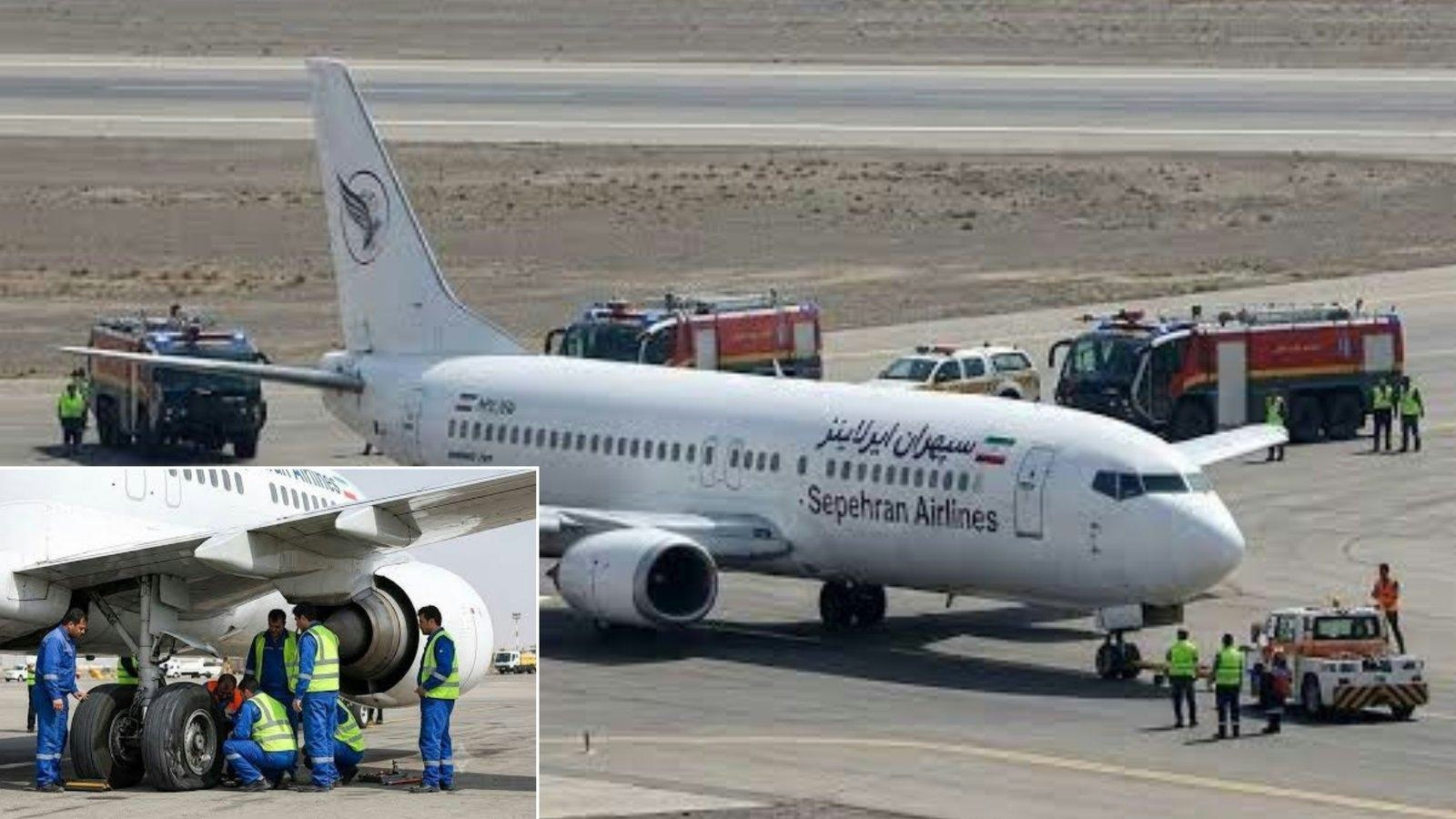
Sepehran Airlines B737 Returns to Mashhad After Tyre and Engine Issues

Etihad Deploys Widebody Fleet to Meet Strong Demand
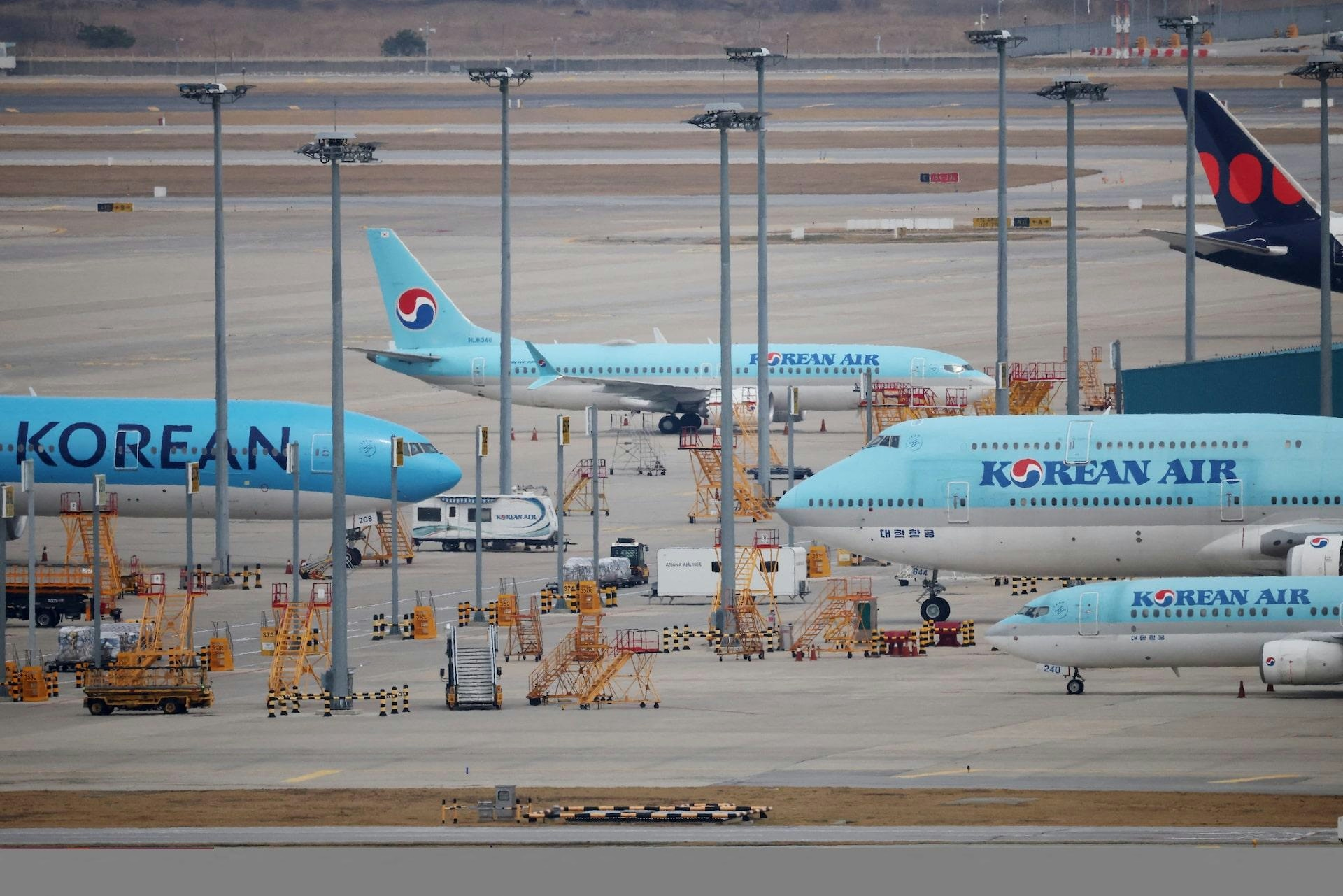
Korean Air Finalizes $36.2 Billion Deal with Boeing

Australia’s RFDS Queensland Section Orders Six King Air 260Cs

Korean Air Finalizes Order for 103 Boeing Jets and Engines
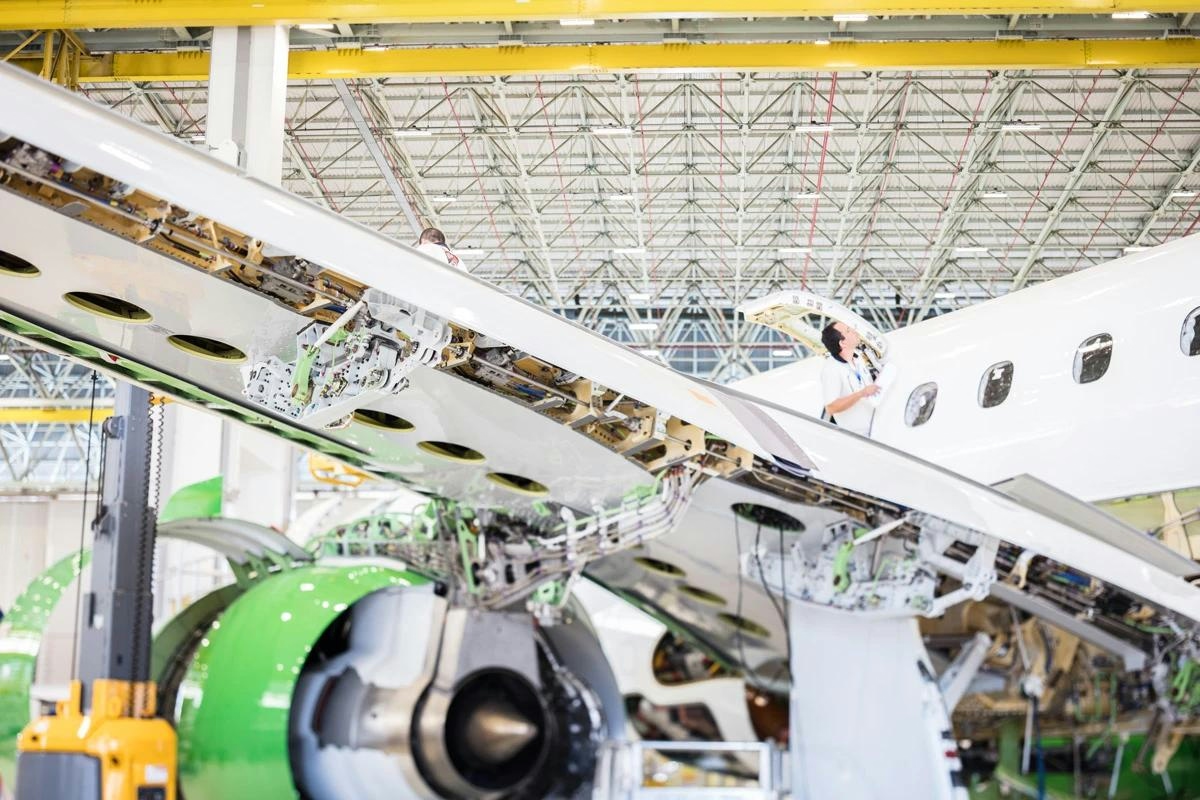
Embraer E195-E2 Features Distinctive Engine Placement Among Regional Jets

What Passengers Can Expect on Boeing’s New 777X Jet

How Ethiopian Airlines Became Africa’s Leading Carrier Amid Gulf Competition

Joby Aviation Extends Autonomous Flight Capabilities with Cross-Country Tour
