
Orchestrate AI insights into action

Trending
Categories
Air China Orders 55 Airbus Jets to Modernize Fleet
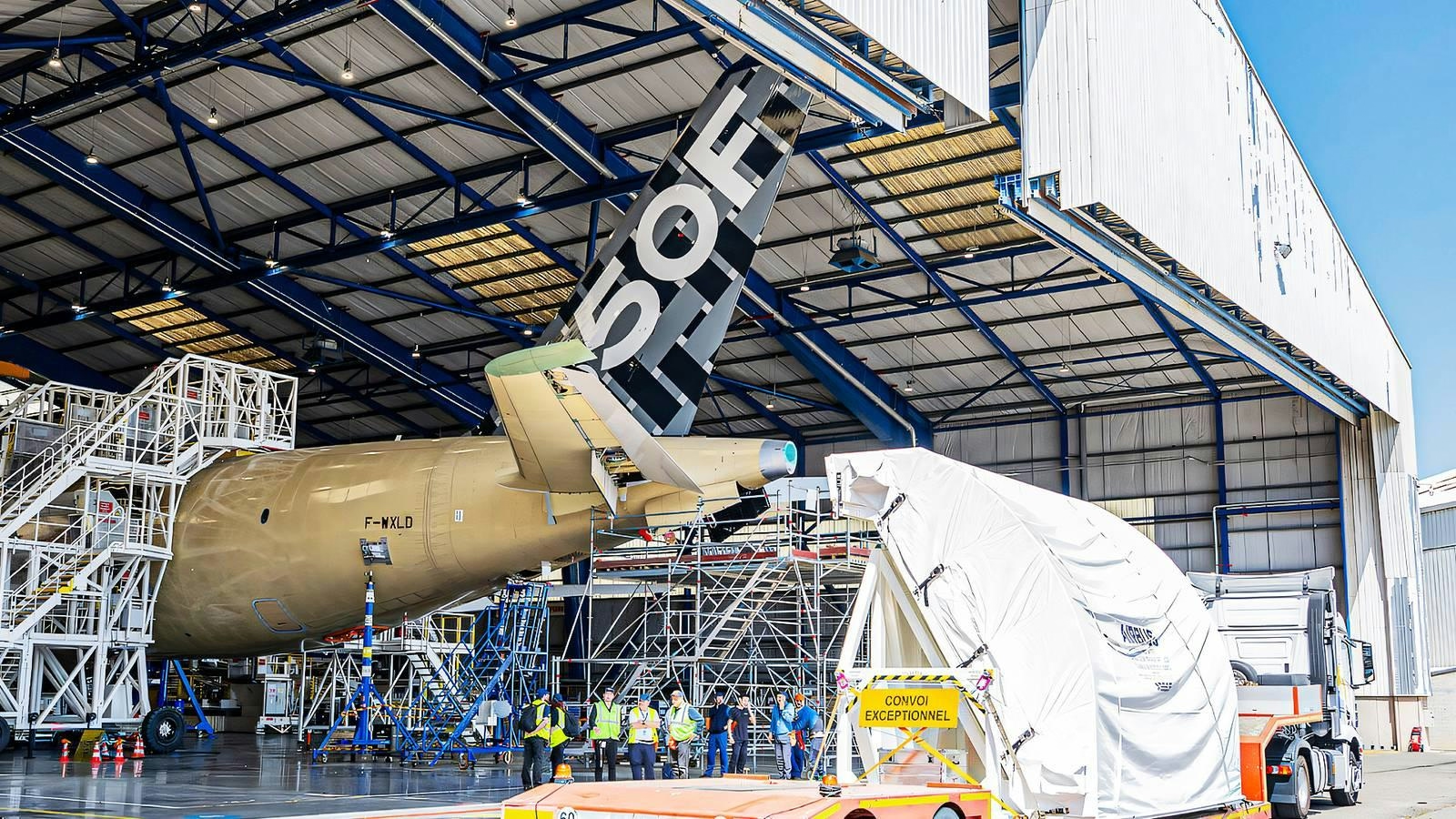
Air China Orders 55 Airbus Jets to Modernize Fleet
Air China has placed a significant order for 55 aircraft from Airbus, consisting of 15 widebody A350-900 jets for its own operations and 40 narrowbody A320neo planes for its subsidiary, Shenzhen Airlines. Announced on Friday, this deal represents a major milestone in the airline’s fleet modernization efforts and reinforces Airbus’s foothold in the world’s second-largest aviation market.
Details of the Order and Delivery Schedule
The transaction carries a combined catalogue value of approximately US$12.4 billion, though the final price is expected to be lower due to customary discounts applied to large-scale purchases. The agreement remains subject to approval by Air China’s shareholders and relevant state authorities. Deliveries of the A350-900 aircraft are planned between 2030 and 2032, while the A320neo jets will be delivered to Shenzhen Airlines from 2029 through 2032. These new-generation aircraft are anticipated to enhance fleet optimization and route network efficiency for both carriers, while reducing operational costs and improving fuel consumption.
Air China emphasized that the A350-900 and A320neo models offer superior fuel efficiency and lower operating expenses compared to previous aircraft, aligning with the airline’s goals for carbon peaking and carbon neutrality. This commitment reflects a broader industry trend within Chinese aviation toward decarbonization and environmental sustainability.
Strategic Implications and Industry Context
While the order signals Air China’s dedication to modernization and sustainability, it also presents several challenges. The airline must manage the substantial financial investment, ensure the timely delivery and integration of the new jets, and adapt operationally to the introduction of more fuel-efficient aircraft. Successfully addressing these factors will be essential to achieving the projected cost savings and environmental benefits.
Market response to the announcement has been predominantly positive, with analysts suggesting that the move could bolster investor confidence in Air China’s long-term strategic vision. The deal is also likely to trigger competitive responses from other major Chinese carriers such as China Southern and Hainan Airlines, who are expected to continue placing significant orders with both Airbus and Boeing to maintain fleet efficiency and capacity.
This purchase comes amid robust growth in China’s aviation sector and heightened regulatory emphasis on sustainability. The addition of the A350-900 and A320neo aircraft positions Air China and Shenzhen Airlines to better meet evolving market demands while supporting national and industry-wide environmental objectives. As the aviation landscape in China continues to evolve, Air China’s investment underscores the critical role of fleet renewal and sustainability in shaping the future of the industry.

Etihad Deploys Widebody Fleet to Meet Strong Demand

Korean Air Finalizes $36.2 Billion Deal with Boeing
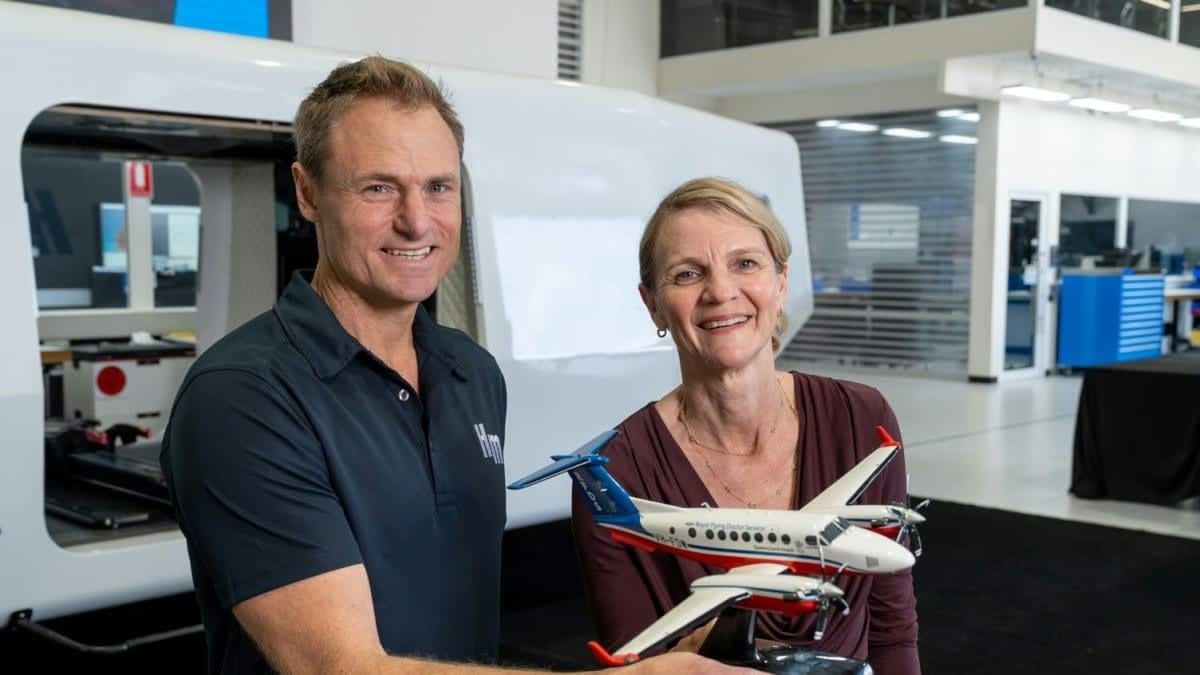
Australia’s RFDS Queensland Section Orders Six King Air 260Cs
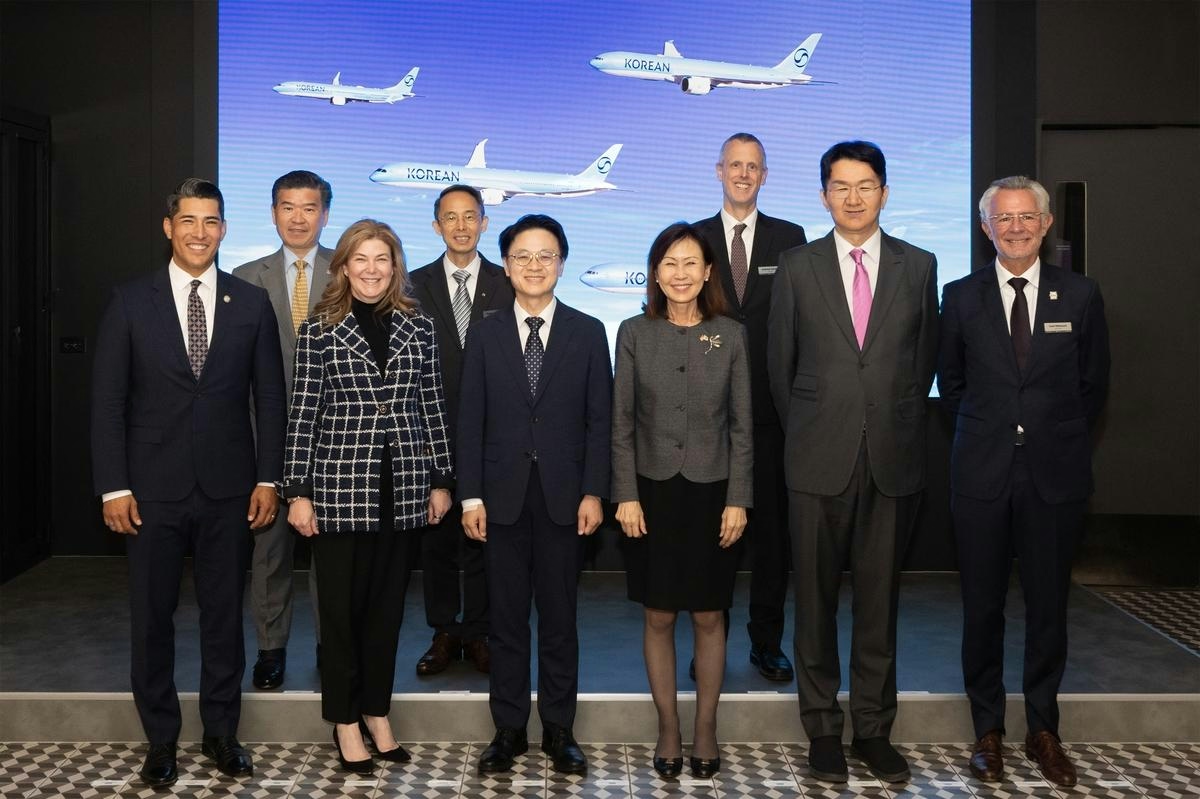
Korean Air Finalizes Order for 103 Boeing Jets and Engines
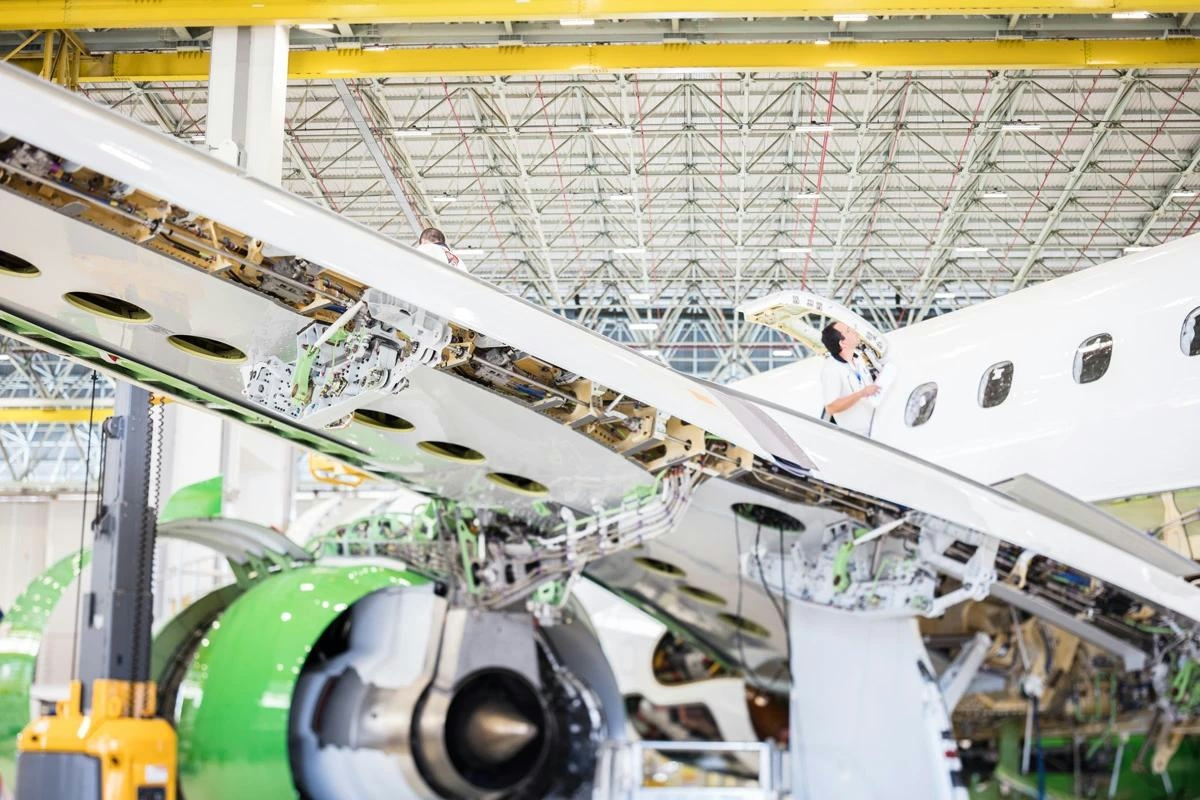
Embraer E195-E2 Features Distinctive Engine Placement Among Regional Jets
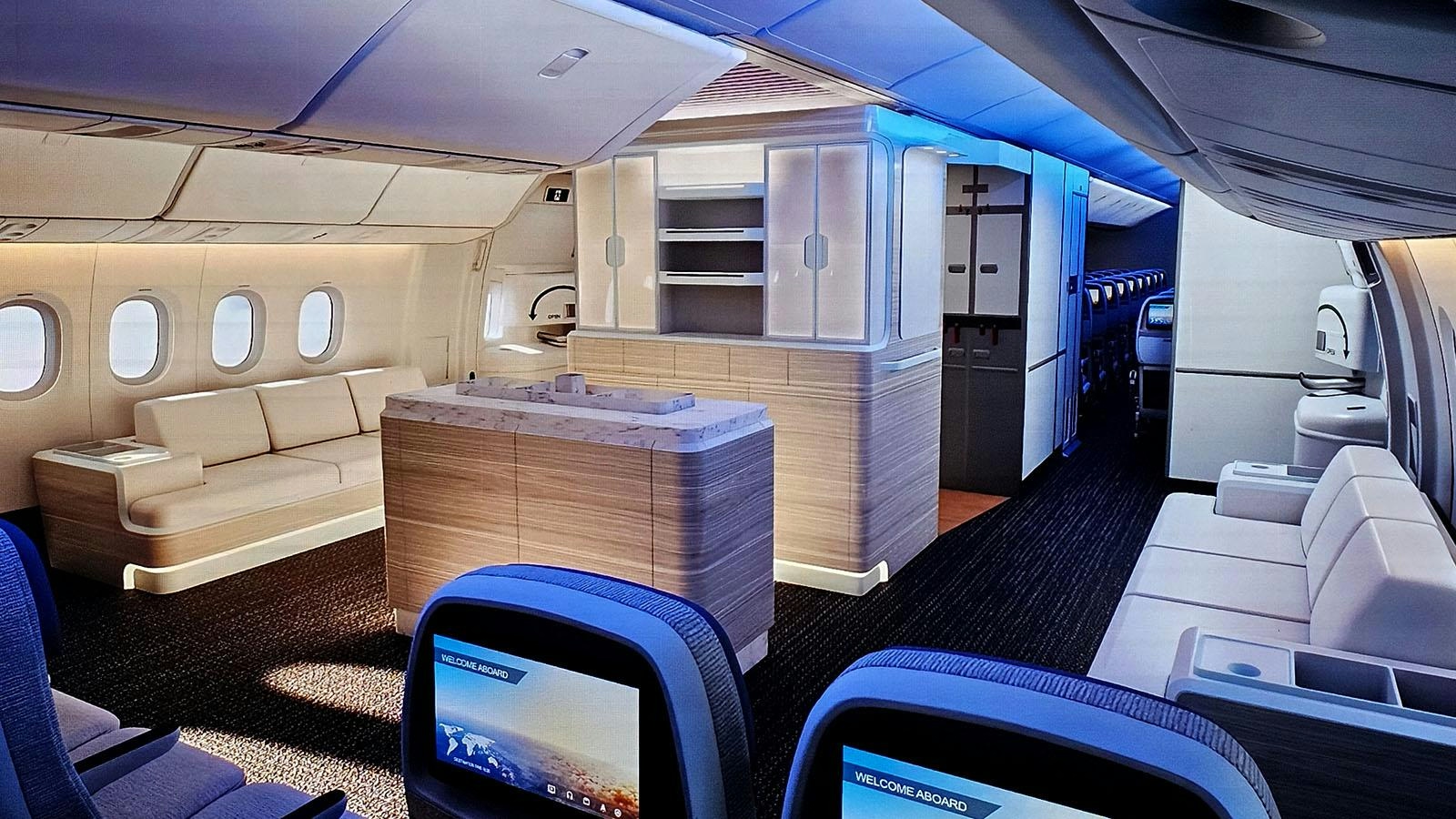
What Passengers Can Expect on Boeing’s New 777X Jet
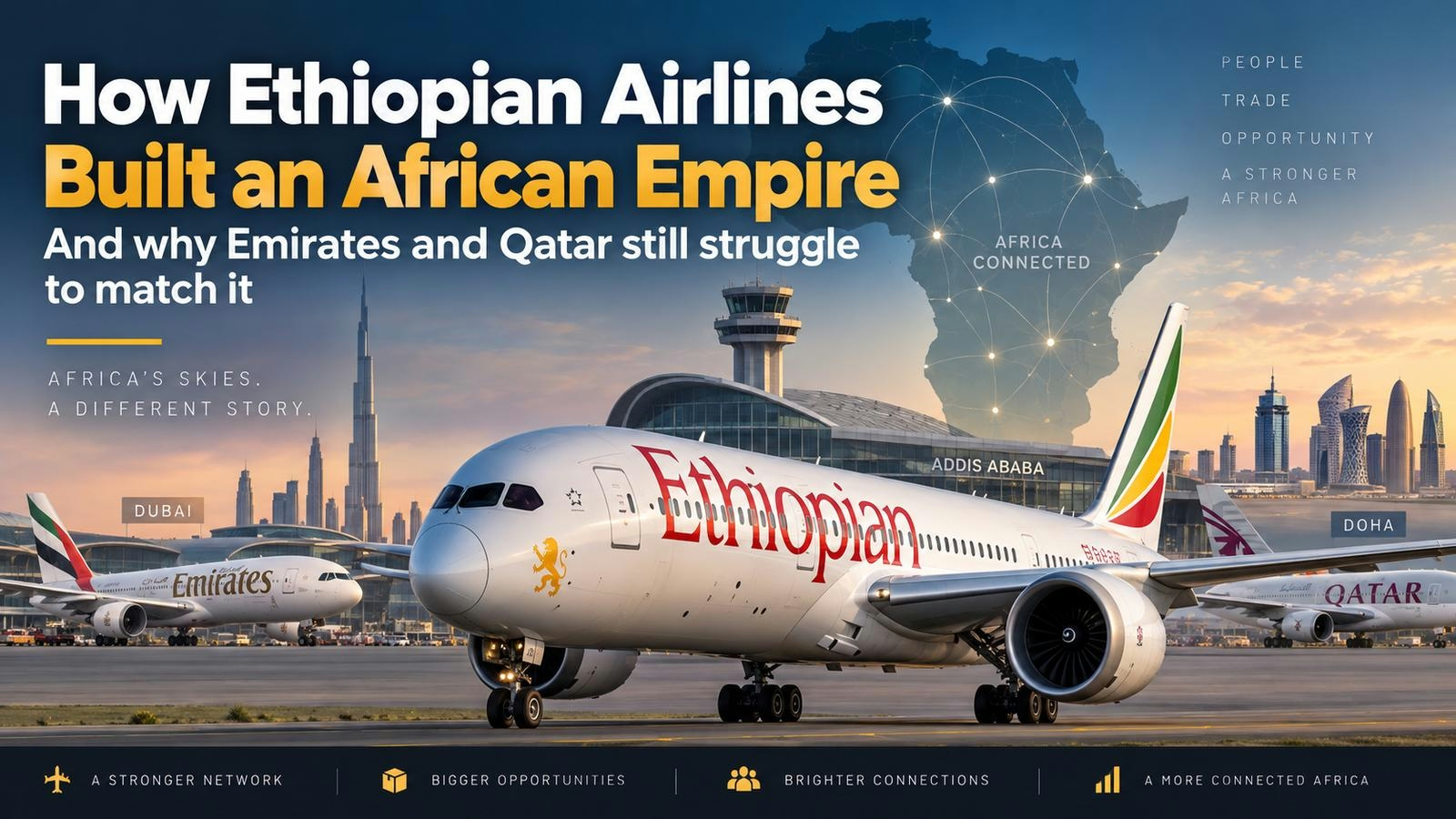
How Ethiopian Airlines Became Africa’s Leading Carrier Amid Gulf Competition

Joby Aviation Extends Autonomous Flight Capabilities with Cross-Country Tour
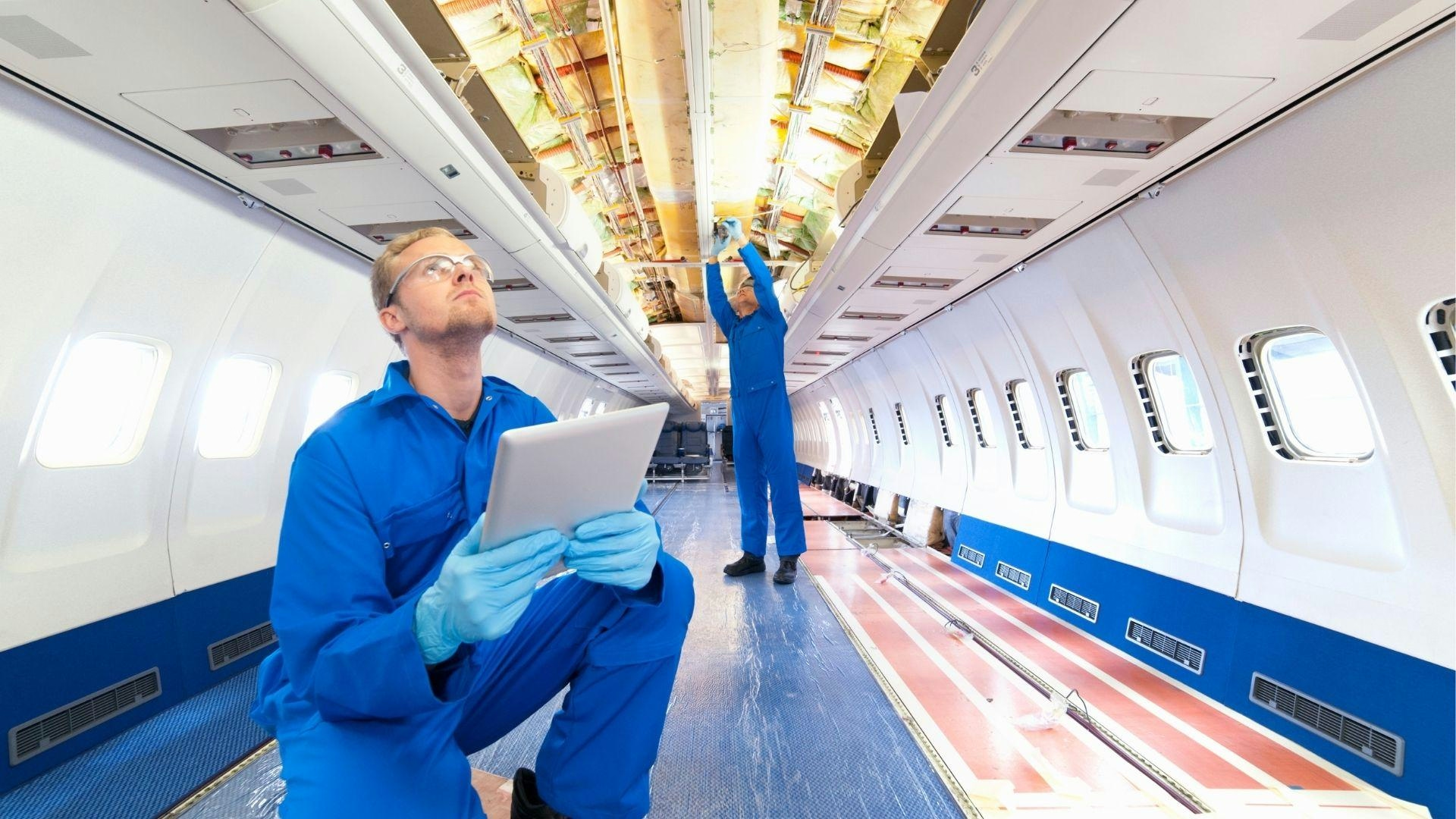
Strengthening Europe's Aviation Supply Chain Amid Uncertainty
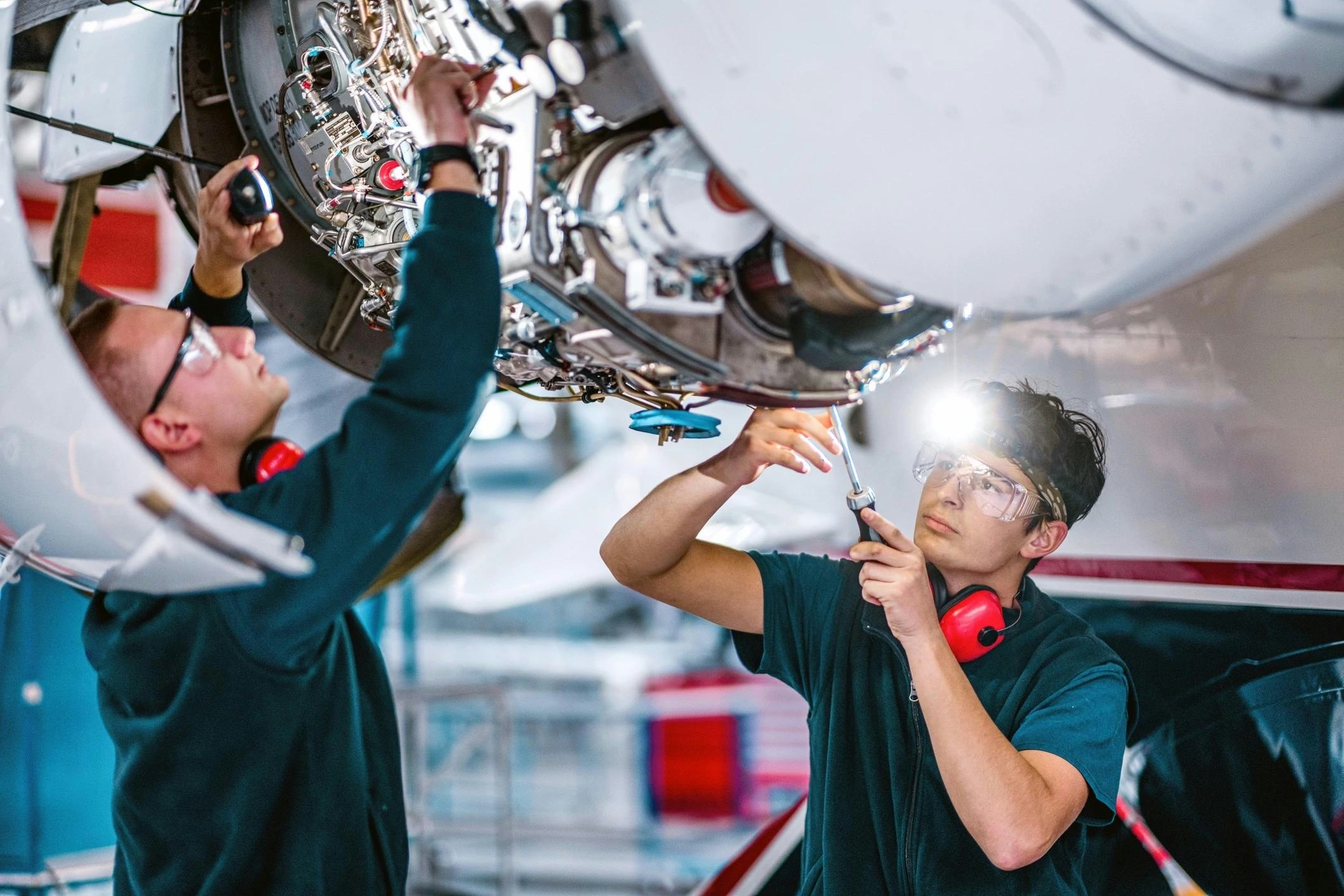
The Evolution of the Aircraft Maintenance Engineer Role
