
Orchestrate AI insights into action

Trending
Categories
Airbus Considers New A321XLR Order
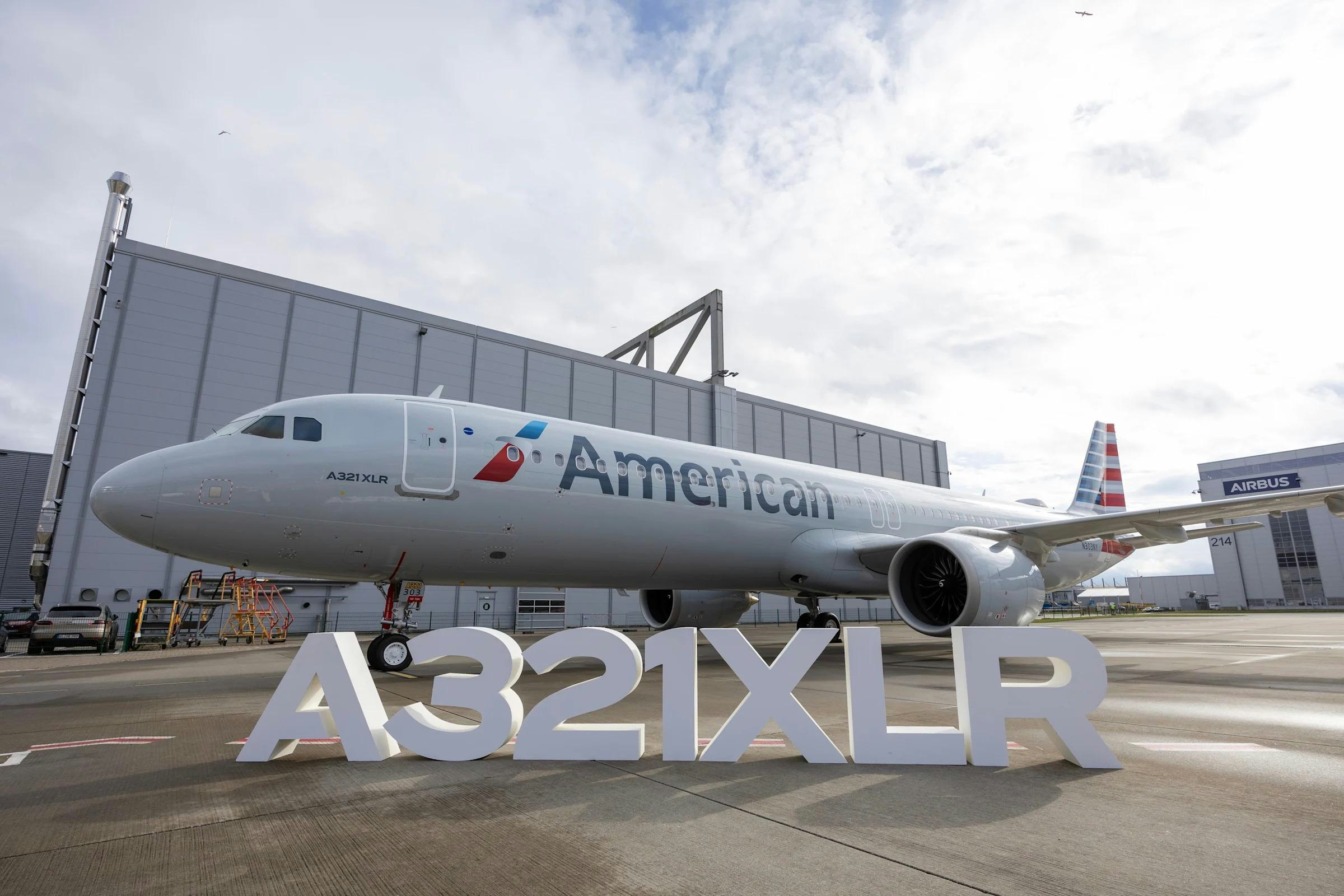
Airbus Reevaluates A321XLR Order Amid Changing Market Conditions
Airbus is reportedly reconsidering the prospect of selling its A321XLR aircraft to the Lufthansa Group, an airline consortium that had previously dismissed the model as unsuitable for its operational needs. The A321XLR, known for its extended range and growing popularity among carriers expanding single-aisle operations into longer routes, has been widely adopted across the industry. However, Lufthansa Group CEO Carsten Spohr has consistently expressed a preference for the base A321neo model, citing concerns about the extra-long-range variant’s compatibility with the group’s network strategy.
Shifting Perspectives Within Lufthansa Group
Lufthansa’s hesitation has distinguished it from many global airlines that have embraced the A321XLR for its ability to bridge short-haul and long-haul markets while offering increased capacity. Since its introduction, the aircraft has garnered hundreds of orders, with carriers such as Qantas deploying it to replace aging Boeing 737s and to open new domestic and international routes. The A321XLR’s versatility has made it a valuable asset for airlines seeking to enhance fleet flexibility.
Recent reports from the German business daily Handelsblatt indicate that Lufthansa Group is now formally assessing the A321XLR as a potential addition to its fleet. An internal communication to employees confirmed that the group is evaluating whether the aircraft can meet operational and financial criteria across its various brands, including SWISS, Lufthansa, and its leisure-focused subsidiaries. This reassessment marks a notable departure from the group’s earlier position, especially following the rejection of Eurowings’ interest in longer-range A321 variants by senior management.
Industry Challenges and Market Dynamics
Airbus’s proposal to Lufthansa is bolstered by the airline’s existing experience with the A320neo family, which could facilitate a smoother integration of the A321XLR. Nonetheless, the aircraft’s rollout has encountered supply chain challenges, particularly involving seat manufacturers, resulting in delivery delays and postponed deployments for key customers such as American Airlines. These disruptions underscore broader pressures within the aviation industry that affect aircraft availability and operational planning.
Despite these obstacles, market sentiment remains positive toward Airbus’s adaptable single-aisle aircraft. Airbus recently surpassed Boeing in deliveries, reflecting airlines’ preference for its versatile product range amid Boeing’s ongoing manufacturing difficulties. Boeing faces mounting pressure to resolve production issues and consider new models to reclaim market share.
American Airlines’ planned use of the A321XLR on transatlantic routes highlights the aircraft’s potential to rejuvenate long-haul narrowbody operations, a development closely monitored by competitors and industry analysts. For Lufthansa Group, the decision to proceed with an A321XLR order will hinge on a thorough evaluation of the aircraft’s business case and its suitability across the group’s diverse operations.
While it remains uncertain whether Lufthansa will ultimately commit to the A321XLR, Airbus is likely to maintain optimism given its strong relationship with the group and the aircraft’s demonstrated appeal in a rapidly evolving aviation market.

Etihad Airways Suspends Airbus A380 Flights on Key Route

Aditya Birla Group Seeks Approval for Aircraft Leasing in GIFT City

Qatar Airways Highlights Innovation and Connectivity at Arabian Travel Market 2026

Hong Kong's Five-Year Plan Includes Andrew Fan's Aircraft Parts Processing Hub Proposal

ACIA Aero Leasing Delivers ATR72-600 to Air Nostrum

RTX Appoints Jill Albertelli as Head of Pratt & Whitney

TAT Technologies Joins Beyond Aero Hydrogen Aircraft Program

AURAK Study Highlights Barriers to Air Taxi Adoption in Emerging Economies

Xiamen Air Selects Altitude for 787 Maintenance at Heathrow

Etihad and Swissport Extend Global Partnership
