
Orchestrate AI insights into action

Trending
Categories
Airbus Reports Decline in Profits Amid Slower Jet Deliveries
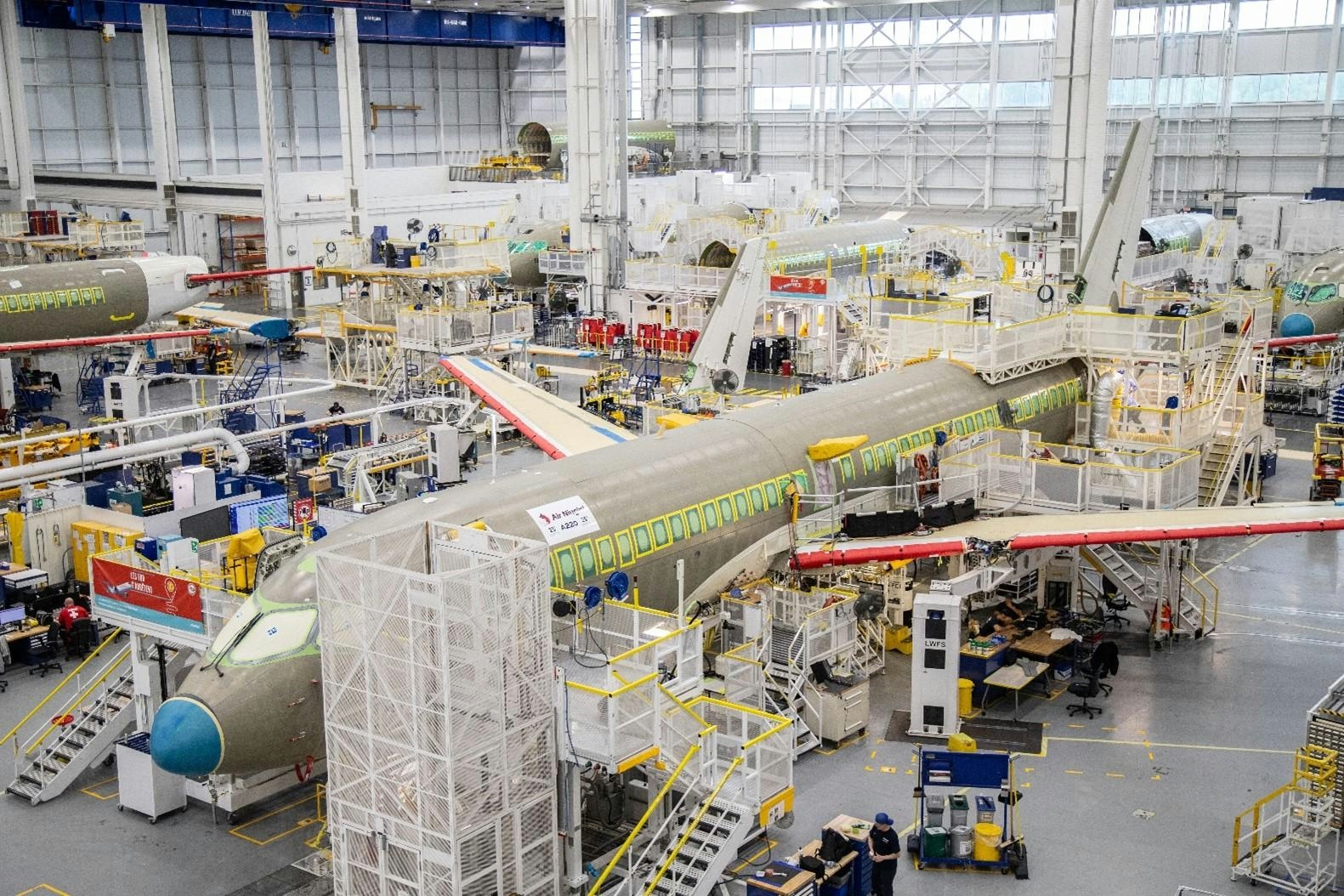
Airbus Reports Sharp Decline in Profits Amid Supply Chain Challenges
Airbus has announced a significant decline in its first-quarter profits, primarily driven by slower jet deliveries and ongoing supply chain disruptions. The European aerospace leader’s quarterly earnings were halved compared to the same period last year, with persistent shortages of Pratt & Whitney engines cited as a major factor behind the downturn.
Financial Performance and Delivery Challenges
In the first quarter, Airbus reported sales of €12.65 billion ($14.82 billion), slightly exceeding analyst expectations of €12.58 billion. Earnings per share (EPS) also surpassed forecasts, coming in at €0.74 against an anticipated €0.44. Despite these figures, the company’s adjusted operating profit fell sharply by 52% to €300 million, down from €624 million a year earlier and below the €378 million predicted by analysts.
The commercial aircraft division experienced the most pronounced impact, with revenues declining 11% to €8.4 billion. Adjusted earnings for this segment plummeted 84% to just €81 million. Airbus attributed much of this decline to insufficient deliveries of Pratt & Whitney engines, which have constrained production of the popular A320neo family.
During the quarter, Airbus delivered 114 commercial aircraft, a decrease from 136 deliveries in the same period last year. The company reaffirmed its guidance to deliver 870 commercial aircraft in 2026, slightly below the approximately 880 deliveries anticipated by analysts. This forecast, maintained since mid-February, reflects ongoing supply chain challenges, particularly related to engine availability, and excludes potential further disruptions from global trade tensions, air traffic fluctuations, or logistics issues.
Outlook Amid Geopolitical and Industry Pressures
Chief Executive Guillaume Faury described the operating environment as “dynamic and complex,” emphasizing that Airbus is closely monitoring the potential impacts of geopolitical tensions, especially in the Middle East. The company’s cautious outlook comes as the broader aviation sector continues to contend with persistent supply chain difficulties. While rival Boeing has also faced delivery challenges, Airbus’s issues have been more pronounced.
Market reactions highlight growing concerns about the resilience of aerospace supply chains. Both manufacturers and airlines remain vigilant for further disruptions that could affect production schedules and aircraft deliveries in the coming months.

Etihad Airways Suspends Airbus A380 Flights on Key Route

Aditya Birla Group Seeks Approval for Aircraft Leasing in GIFT City

Qatar Airways Highlights Innovation and Connectivity at Arabian Travel Market 2026

Hong Kong's Five-Year Plan Includes Andrew Fan's Aircraft Parts Processing Hub Proposal

ACIA Aero Leasing Delivers ATR72-600 to Air Nostrum

RTX Appoints Jill Albertelli as Head of Pratt & Whitney

TAT Technologies Joins Beyond Aero Hydrogen Aircraft Program

AURAK Study Highlights Barriers to Air Taxi Adoption in Emerging Economies

Xiamen Air Selects Altitude for 787 Maintenance at Heathrow

Etihad and Swissport Extend Global Partnership
