
Orchestrate AI insights into action

Trending
Categories
Airbus Warns Tariffs Could Disrupt U.S. Aircraft Production
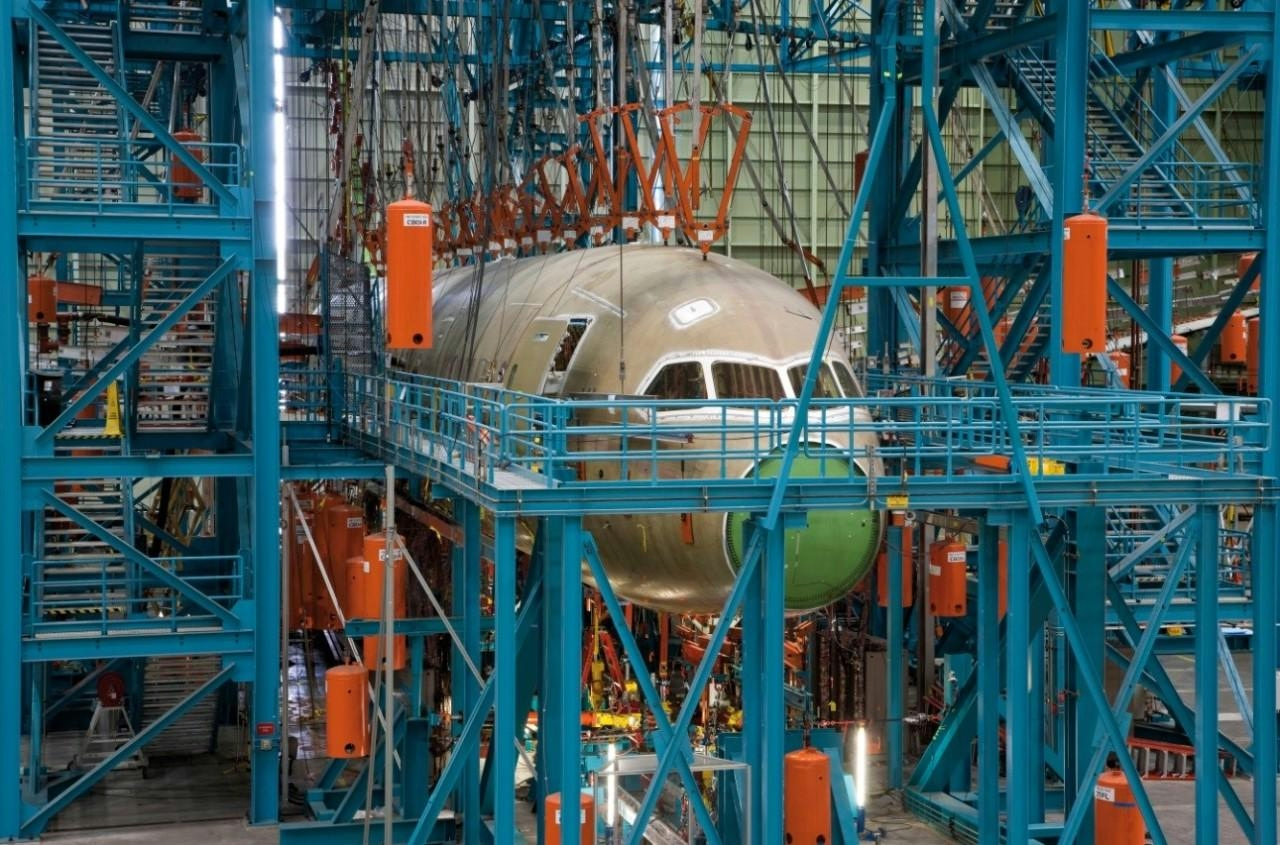
Airbus Warns Tariffs Could Disrupt U.S. Aircraft Production
Airbus Americas has issued a stark warning regarding the potential impact of newly imposed U.S. tariffs on aircraft parts imported from Mexico and Canada. In a letter addressed to the Office of the U.S. Trade Representative, Airbus Americas CEO Robin Hayes highlighted that these tariffs could severely disrupt the integrated North American aerospace supply chain, which has been meticulously developed over several decades. The company cautioned that such measures risk increasing manufacturing and delivery costs across the U.S. aviation industry, threatening the viability of domestic aircraft production.
Impact on Production and Industry Growth
This warning arrives at a pivotal moment for the global aviation sector, which is experiencing a sustained rise in demand for new aircraft. Airbus forecasts a need for 43,420 new planes over the next two decades, prompting both Airbus and Boeing to accelerate production rates. Airbus has strategically expanded its Mobile, Alabama facility, aiming to establish it as the world’s fourth-largest commercial aircraft manufacturing site. However, Hayes stressed that this ambitious growth trajectory depends heavily on maintaining tariff-free treatment for aerospace imports, underscoring the fragility of the current supply chain framework.
The introduction of tariffs threatens to undermine these plans by increasing costs and complicating logistics. Industry observers note that such disruptions could force manufacturers to reevaluate their supply chains and potentially relocate production, a trend already visible in other sectors. For instance, IKEA has shifted more manufacturing to the United States to circumvent tariffs and enhance supply chain resilience. In aerospace, similar adjustments could erode the free trade system that has historically supported a significant U.S. export surplus.
Broader Market Concerns and Corporate Responses
Airbus is contending with additional challenges beyond tariffs. The company’s stock has suffered notable declines amid reports of quality control issues and safety concerns, particularly involving its A320 family jets. These developments have intensified investor apprehension about Airbus’s capacity to meet its ambitious production targets amid growing operational disruptions.
Airbus CEO Guillaume Faury has previously indicated that if tariffs lead to increased costs for American customers, the company may prioritize deliveries to clients outside the U.S. This potential shift highlights the broader risk that tariffs could not only inflate costs but also alter the global distribution of aircraft deliveries.
Industry analysts estimate that tariffs on aviation components could add millions of dollars to the cost of a single airliner. As the sector grapples with rising demand, supply chain pressures, and regulatory uncertainties, Airbus and its competitors face mounting challenges in sustaining production momentum and ensuring market stability.

Etihad Airways Suspends Airbus A380 Flights on Key Route

Aditya Birla Group Seeks Approval for Aircraft Leasing in GIFT City

Qatar Airways Highlights Innovation and Connectivity at Arabian Travel Market 2026

Hong Kong's Five-Year Plan Includes Andrew Fan's Aircraft Parts Processing Hub Proposal

ACIA Aero Leasing Delivers ATR72-600 to Air Nostrum

RTX Appoints Jill Albertelli as Head of Pratt & Whitney

TAT Technologies Joins Beyond Aero Hydrogen Aircraft Program

AURAK Study Highlights Barriers to Air Taxi Adoption in Emerging Economies

Xiamen Air Selects Altitude for 787 Maintenance at Heathrow

Etihad and Swissport Extend Global Partnership
