
Orchestrate AI insights into action

Trending
Categories
Archer Aviation Shares Rise Following AI Aircraft Platform Launch
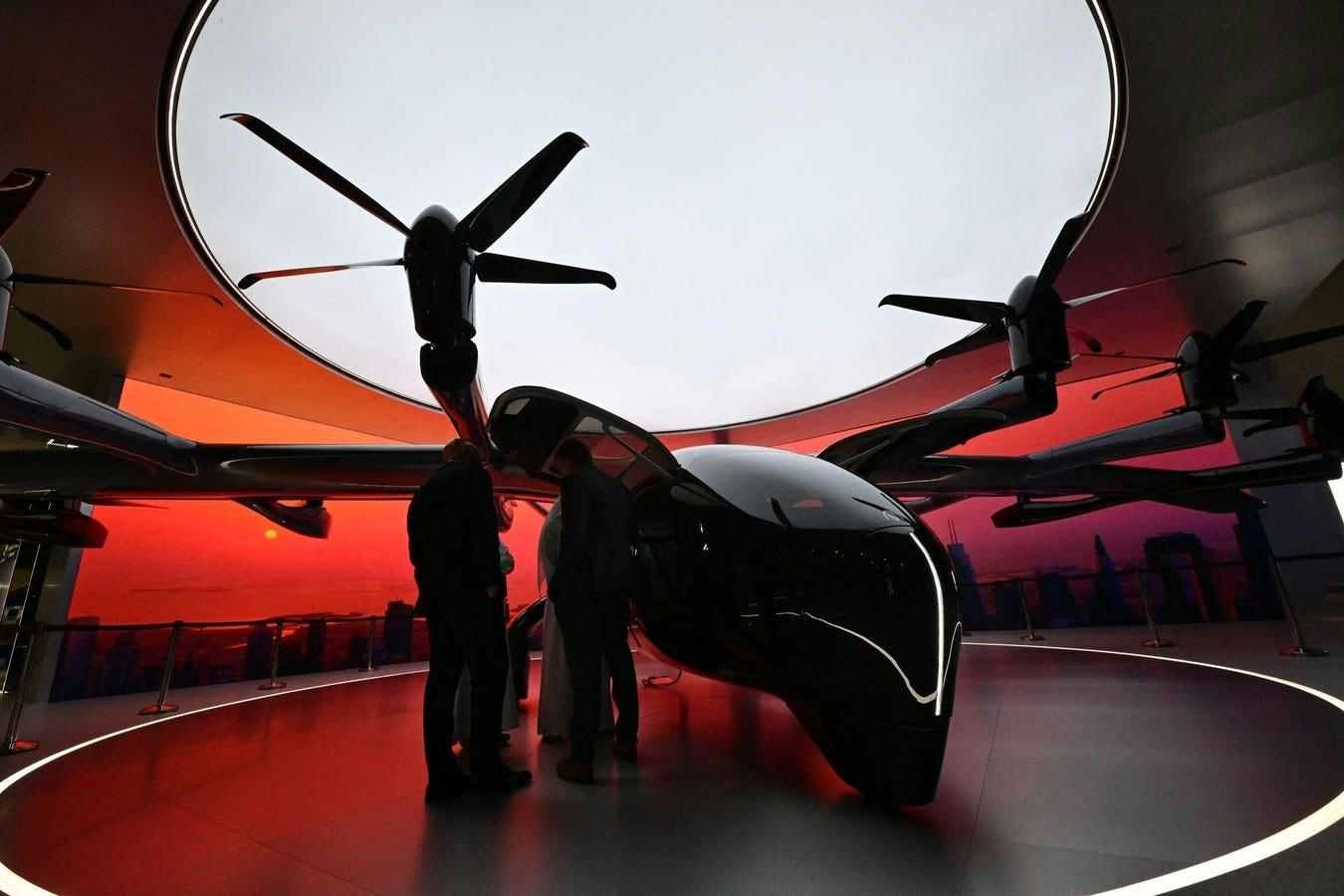
Archer Aviation Shares Surge Following Launch of AI-Driven Aircraft Platform
Archer Aviation (ACHR) experienced a notable increase in its share price, rising by as much as 20% on Monday, following the unveiling of Thunder, a new autonomous aircraft platform developed in collaboration with defense technology firm Anduril. This launch represents a pivotal advancement in Archer’s strategic efforts to extend its footprint beyond electric air taxis into the broader commercial and defense aviation sectors.
Expansion into Autonomous and AI-Enabled Aviation
The Thunder platform, introduced through a partnership formed in 2024, is engineered to serve both commercial and defense markets. This initiative reflects Archer’s commitment to diversifying its aviation technology portfolio as it advances toward commercialization and sustainable growth. Complementing Thunder is Zee, an aviation-focused artificial intelligence foundation model designed to analyze complex flight data, including air traffic communications, weather patterns, terrain, and aircraft telemetry. A key feature of Zee is its ability to operate independently of internet connectivity, a critical capability for autonomous aviation systems operating in remote or communication-limited environments.
Investor enthusiasm was evident in the market’s response, with Archer’s stock appreciating sharply on the news. The positive reception underscores confidence in Archer’s potential to harness cutting-edge AI and autonomous technologies across multiple aviation domains.
Challenges and Competitive Landscape
Despite the promising developments, Archer faces considerable challenges ahead. Securing regulatory certification for its new platforms by 2028 remains a significant obstacle, given the stringent and often protracted approval processes characteristic of the aerospace industry. Additionally, Archer confronts intense competition from established defense manufacturers such as Embraer, which is increasing production of its KC-390 military transport aircraft. Industry analysts anticipate that rival companies may seek similar strategic partnerships to accelerate their own advancements in defense and commercial aviation, thereby intensifying competition for technological leadership.
Financially, Archer concluded its most recent reporting period with approximately $1.8 billion in liquidity, providing a robust foundation to support ongoing product development and market expansion. Nevertheless, the company continues to manage the inherent execution risks and cash flow challenges typical of pre-revenue aerospace ventures.
Archer’s recent initiatives highlight its ambition to emerge as a significant force in next-generation aviation by leveraging AI and autonomous systems to expand beyond its initial focus on electric vertical takeoff and landing (eVTOL) aircraft. The company’s progress in innovation and operational execution will remain under close scrutiny from investors and industry competitors alike.

Etihad Deploys Widebody Fleet to Meet Strong Demand
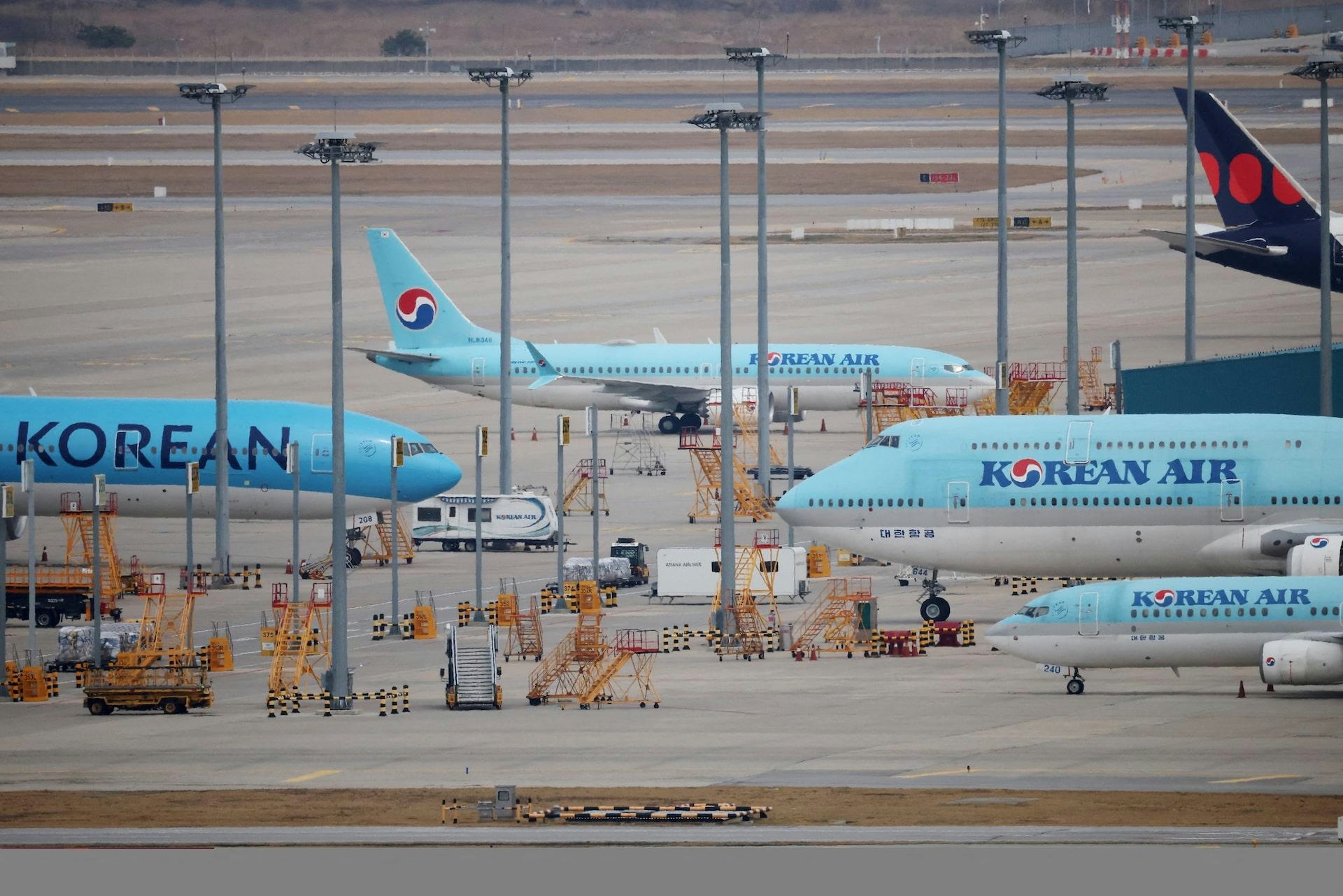
Korean Air Finalizes $36.2 Billion Deal with Boeing

Australia’s RFDS Queensland Section Orders Six King Air 260Cs

Korean Air Finalizes Order for 103 Boeing Jets and Engines
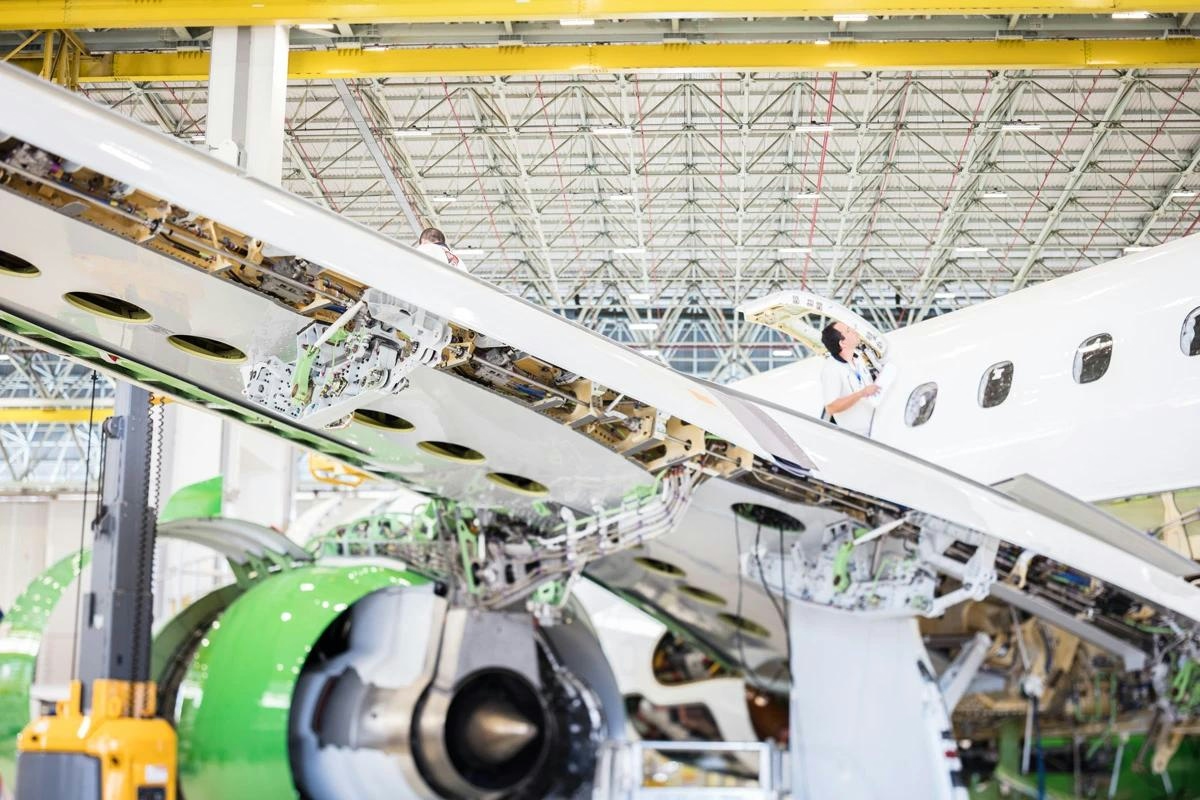
Embraer E195-E2 Features Distinctive Engine Placement Among Regional Jets
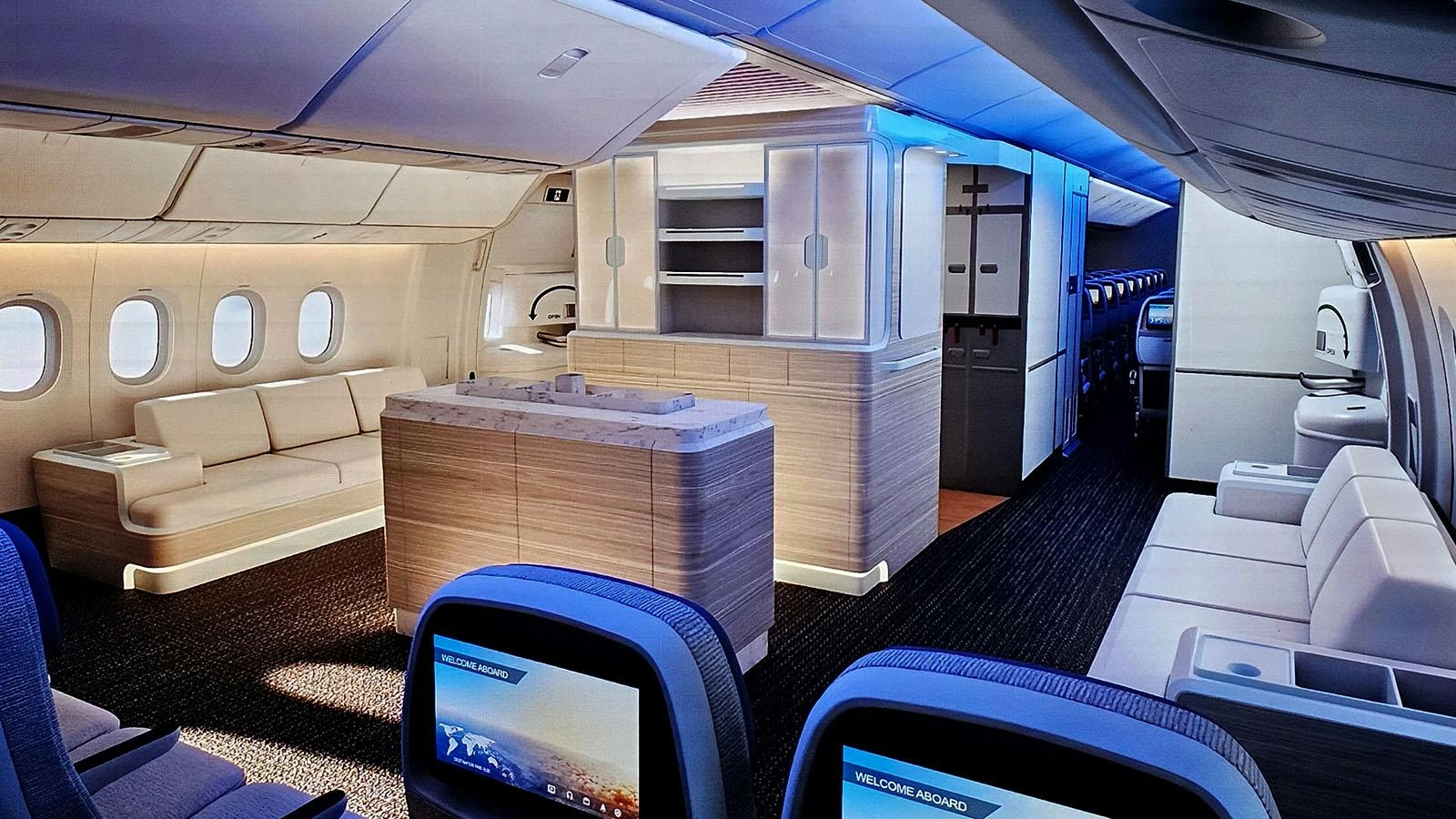
What Passengers Can Expect on Boeing’s New 777X Jet

How Ethiopian Airlines Became Africa’s Leading Carrier Amid Gulf Competition
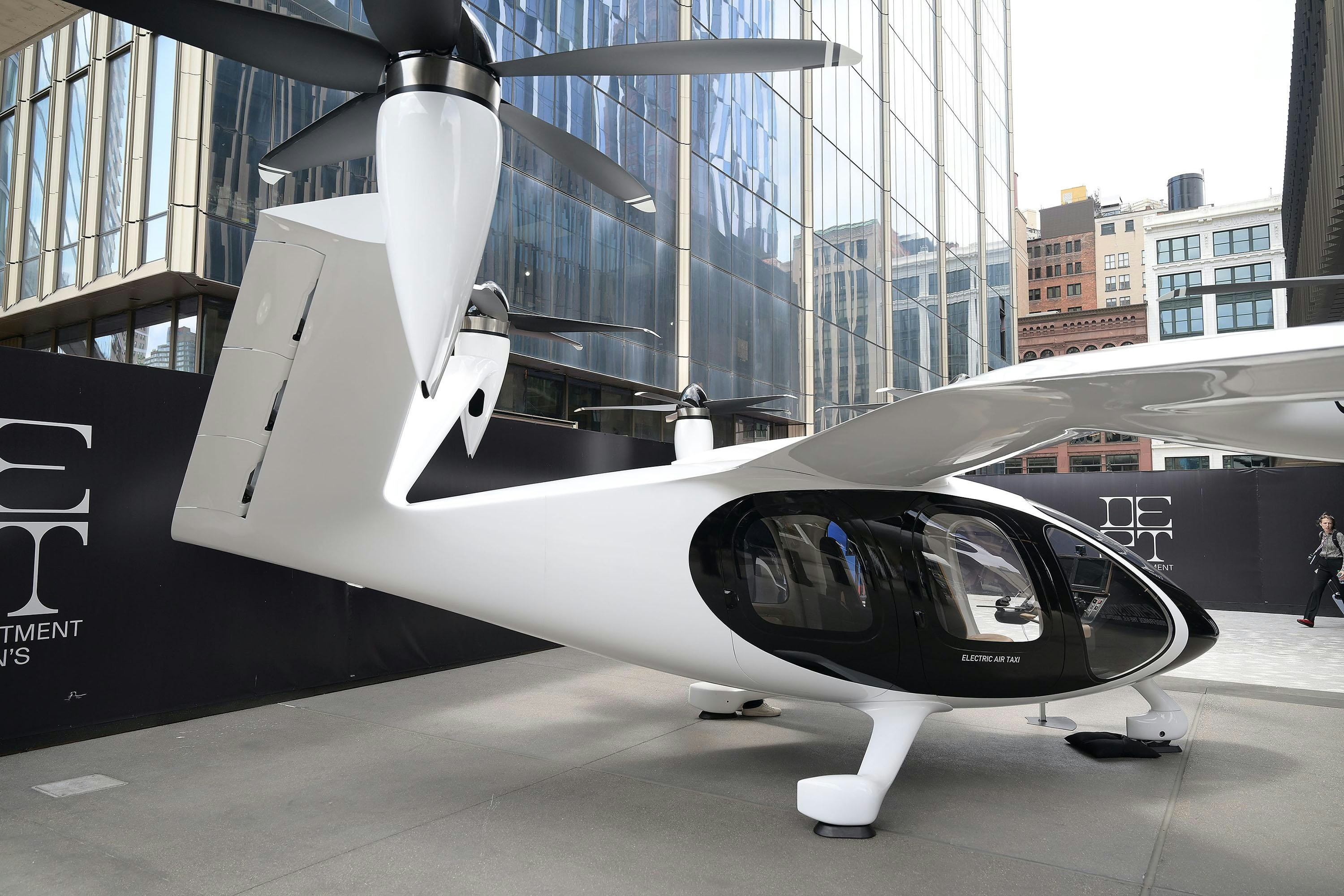
Joby Aviation Extends Autonomous Flight Capabilities with Cross-Country Tour
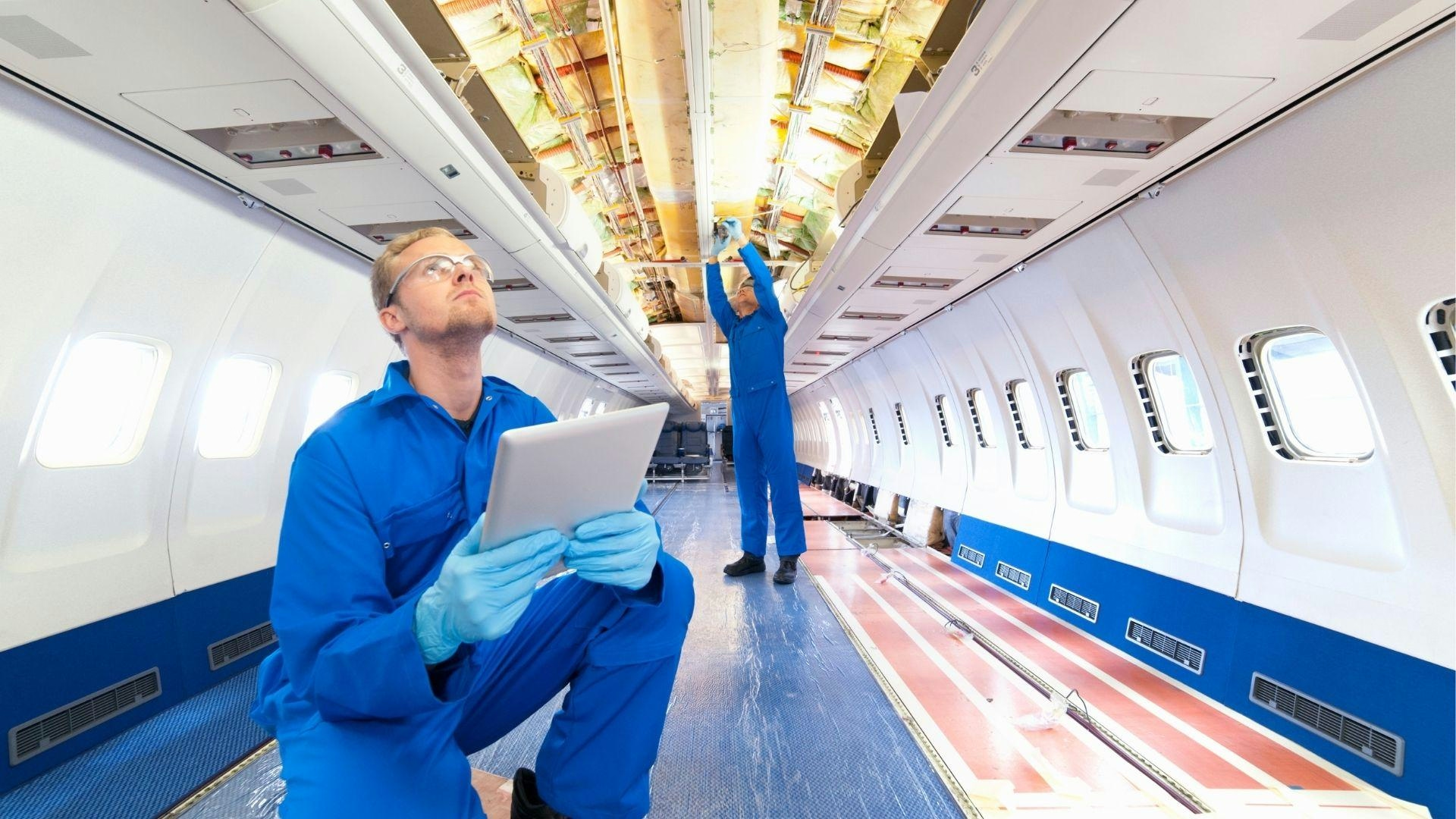
Strengthening Europe's Aviation Supply Chain Amid Uncertainty
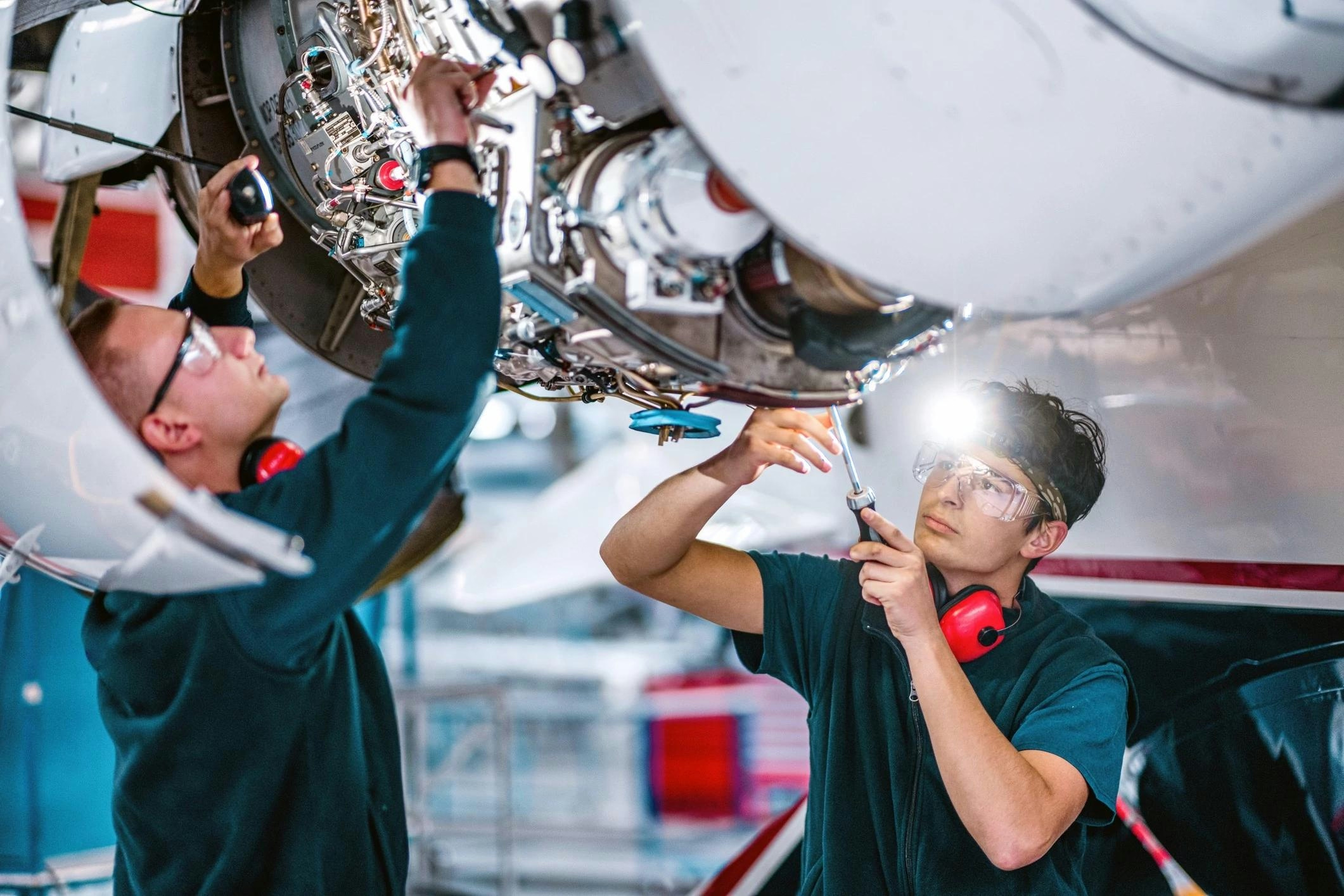
The Evolution of the Aircraft Maintenance Engineer Role
