
Orchestrate AI insights into action

Trending
Categories
Cebu Pacific Introduces Damp-Leased Aircraft to Improve Travel Experience
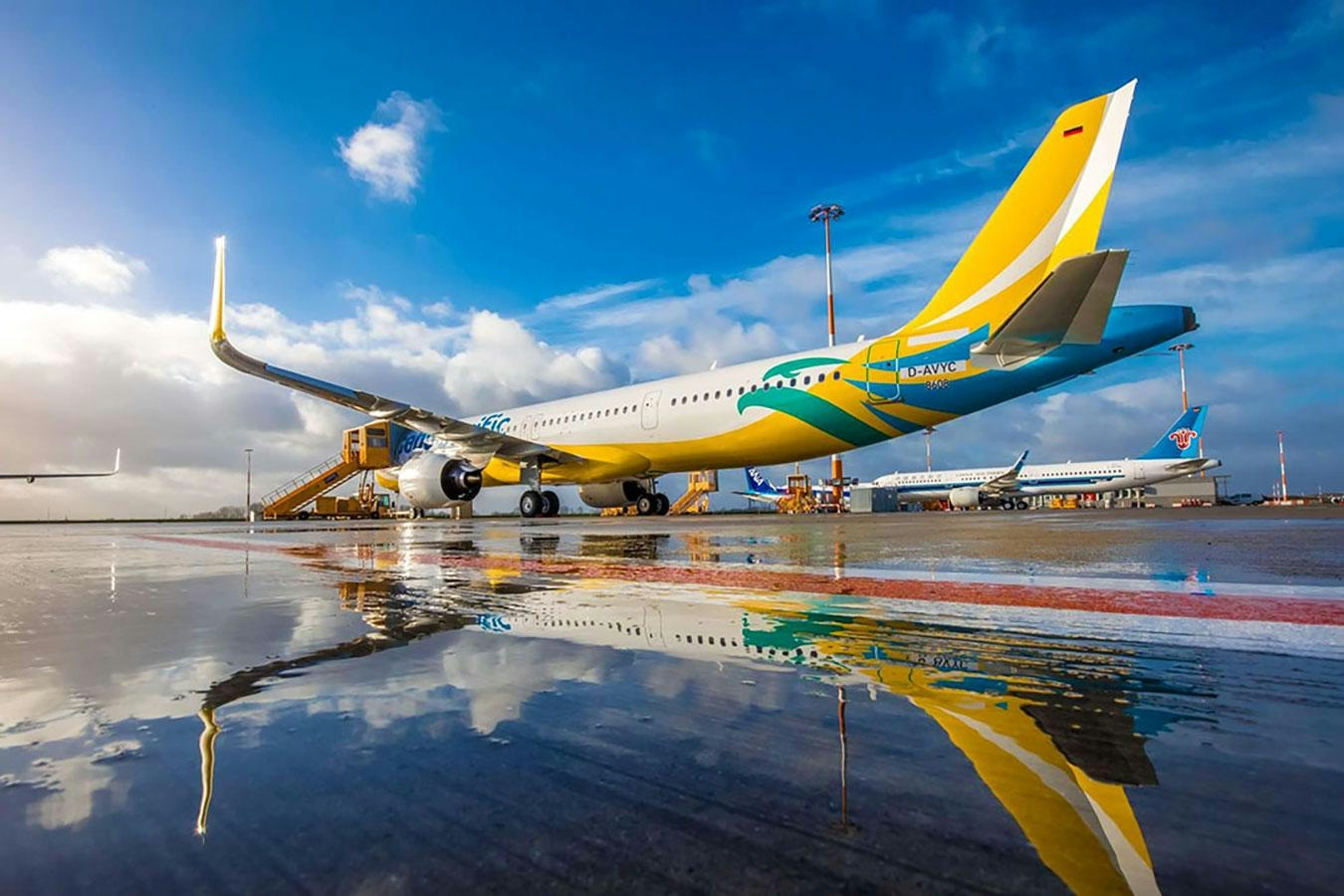
Cebu Pacific Introduces Damp-Leased Aircraft to Improve Travel Experience
Addressing Fleet Challenges with Damp Leasing
Cebu Pacific Air, a leading low-cost carrier in the Philippines, has initiated the deployment of damp-leased aircraft to enhance operational stability and improve the travel experience for its passengers. This strategic move responds to persistent technical difficulties with the airline’s Geared Turbofan (GTF) engines, which have caused frequent delays and cancellations across its network. The GTF engines, valued for their fuel efficiency and reduced emissions, have nonetheless required extended maintenance periods, disrupting Cebu Pacific’s ability to maintain its scheduled routes.
To mitigate these challenges, Cebu Pacific has entered into damp leasing agreements, whereby aircraft are leased along with crew from partner airlines. Notably, the airline has secured additional capacity from Bulgaria Air to support its operations during the busy year-end travel season. This approach allows Cebu Pacific to uphold its flight schedules and route coverage without the long-term financial and logistical commitments associated with acquiring new aircraft.
Operational Flexibility and Market Implications
Damp leasing offers Cebu Pacific significant operational flexibility, enabling the airline to adjust capacity swiftly in response to fluctuating passenger demand, particularly during peak travel periods. This arrangement also helps circumvent some of the regulatory and maintenance complexities involved in expanding the fleet through traditional means. For travelers, the introduction of damp-leased aircraft translates into improved flight availability and more consistent service, even as the airline contends with ongoing technical issues.
However, integrating aircraft and crews from international partners such as Bulgaria Air introduces its own complexities. Coordinating maintenance standards and crew operations across different carriers requires careful management to avoid logistical complications. Despite these challenges, Cebu Pacific’s proactive adoption of damp leasing is expected to reduce service disruptions and preserve its reputation in both domestic and international markets.
The move may also have broader implications for the Southeast Asian aviation sector. As Cebu Pacific expands its capacity through leasing, competitors might adopt similar strategies to maintain market share during peak seasons. This could intensify competition among regional budget airlines, potentially influencing fare structures and route availability across the region.
By embracing damp-leased aircraft, Cebu Pacific demonstrates its commitment to maintaining reliability and customer satisfaction amid technical setbacks. This flexible fleet management strategy positions the airline to navigate current challenges while sustaining its competitive presence in a dynamic and evolving market.

Etihad Airways Suspends Airbus A380 Flights on Key Route

Aditya Birla Group Seeks Approval for Aircraft Leasing in GIFT City

Qatar Airways Highlights Innovation and Connectivity at Arabian Travel Market 2026

Hong Kong's Five-Year Plan Includes Andrew Fan's Aircraft Parts Processing Hub Proposal

ACIA Aero Leasing Delivers ATR72-600 to Air Nostrum

RTX Appoints Jill Albertelli as Head of Pratt & Whitney

TAT Technologies Joins Beyond Aero Hydrogen Aircraft Program

AURAK Study Highlights Barriers to Air Taxi Adoption in Emerging Economies

Xiamen Air Selects Altitude for 787 Maintenance at Heathrow

Etihad and Swissport Extend Global Partnership
