
Orchestrate AI insights into action

Trending
Categories
DGCA Investigates Engine Shutdown on Air India Boeing 777
DGCA Investigates Engine Shutdown on Air India Boeing 777
Incident Overview and Immediate Response
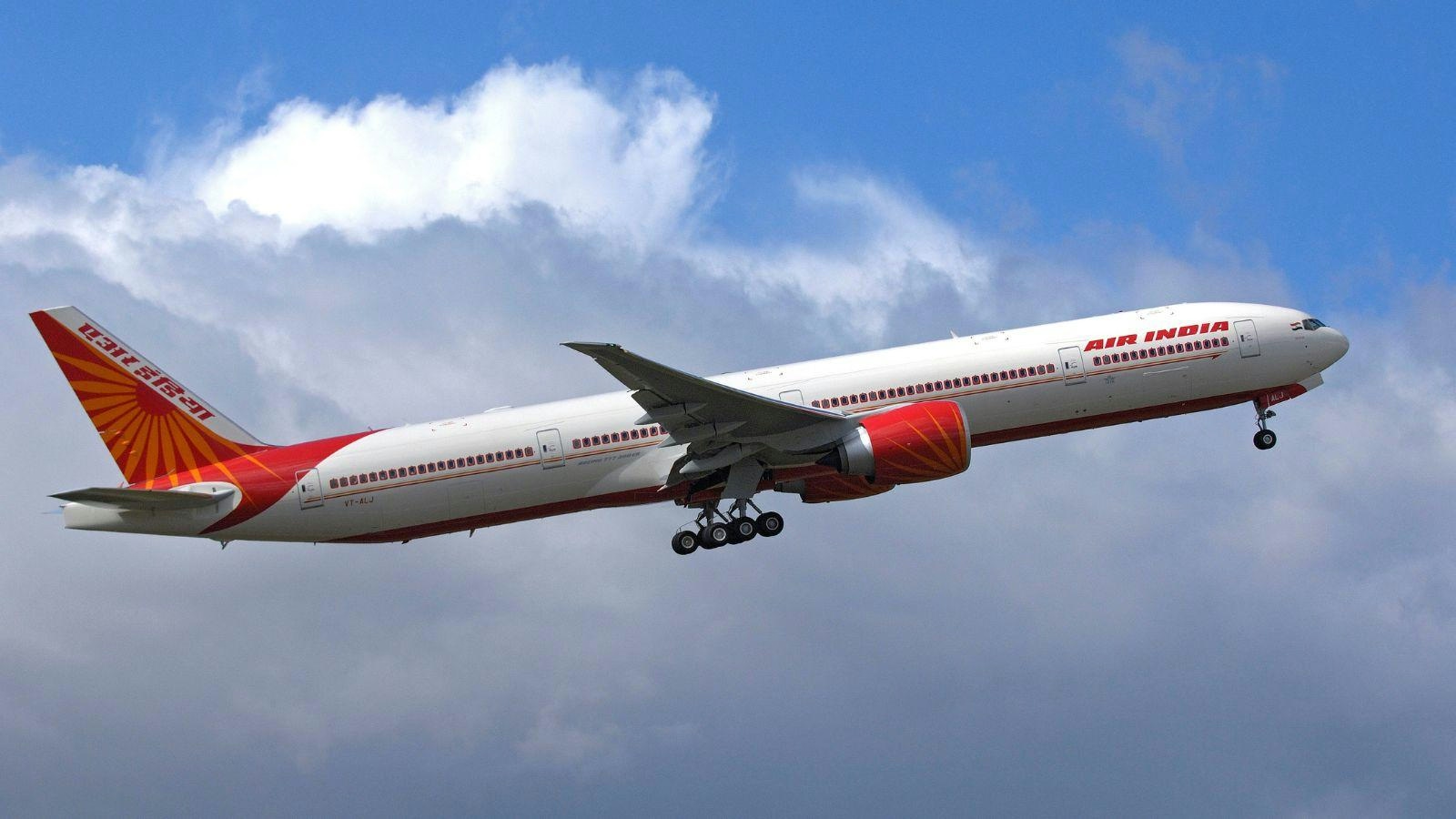
The Directorate General of Civil Aviation (DGCA) has initiated a formal investigation following an engine shutdown on an Air India Boeing 777-300ER shortly after takeoff from Delhi. Flight AI-887 experienced a sudden drop in oil pressure in its right-hand engine, prompting the flight crew to shut down the affected engine during the climb, in line with established safety protocols. The aircraft, carrying 335 passengers and crew members, remained airborne for nearly an hour before safely returning to Delhi.
A senior DGCA official confirmed that the regulator will thoroughly examine the causes and safety implications of this unplanned engine shutdown, which is classified as a serious incident under aviation safety regulations. The Ministry of Civil Aviation has requested a detailed report from Air India and directed the DGCA to conduct a comprehensive probe. Air India has stated that the aircraft is currently undergoing technical inspections, and a replacement plane was arranged promptly to ensure passengers reached their destination without further delay.
Regulatory Context and Industry Implications
This investigation occurs amid heightened regulatory scrutiny within India’s aviation sector. Recent DGCA actions, including the dismissal of airline inspectors, have raised concerns regarding oversight and enforcement capabilities. The outcome of this probe may influence future safety directives, Notices to Airmen (NOTAMs), or enforcement measures should any regulatory shortcomings be identified. Air India’s Permanent Investigation Board will also review the incident under the supervision of the DGCA’s Director of Air Safety for the Northern Region.
Industry analysts observe that such incidents can affect public confidence in airline safety and may attract increased market scrutiny of Air India’s operational standards. Competitors might use the situation to underscore their own safety records, while other carriers, including IndiGo—which recently experienced operational disruptions—could highlight their operational resilience in contrast.
Aircraft History and Related Incidents
The Boeing 777 involved in the incident is approximately 15 years old and has previously operated international routes to destinations such as Vienna, Vancouver, and Chicago, according to flight tracking data. This event follows a similar occurrence last week when an Air India Express flight bound for Visakhapatnam was cancelled at Vijayawada’s Gannavaram Airport after pilots detected an engine issue during taxiing.
As the DGCA’s investigation progresses, its findings are anticipated to have broader implications for regulatory practices and safety standards across India’s aviation industry.

Etihad Airways Suspends Airbus A380 Flights on Key Route

Aditya Birla Group Seeks Approval for Aircraft Leasing in GIFT City

Qatar Airways Highlights Innovation and Connectivity at Arabian Travel Market 2026

Hong Kong's Five-Year Plan Includes Andrew Fan's Aircraft Parts Processing Hub Proposal

ACIA Aero Leasing Delivers ATR72-600 to Air Nostrum

RTX Appoints Jill Albertelli as Head of Pratt & Whitney

TAT Technologies Joins Beyond Aero Hydrogen Aircraft Program

AURAK Study Highlights Barriers to Air Taxi Adoption in Emerging Economies

Xiamen Air Selects Altitude for 787 Maintenance at Heathrow

Etihad and Swissport Extend Global Partnership
