
Orchestrate AI insights into action

Trending
Categories
EU Extends Zero-Tariff Agreement on U.S. Aircraft Parts Amid Airbus-Boeing Trade Talks
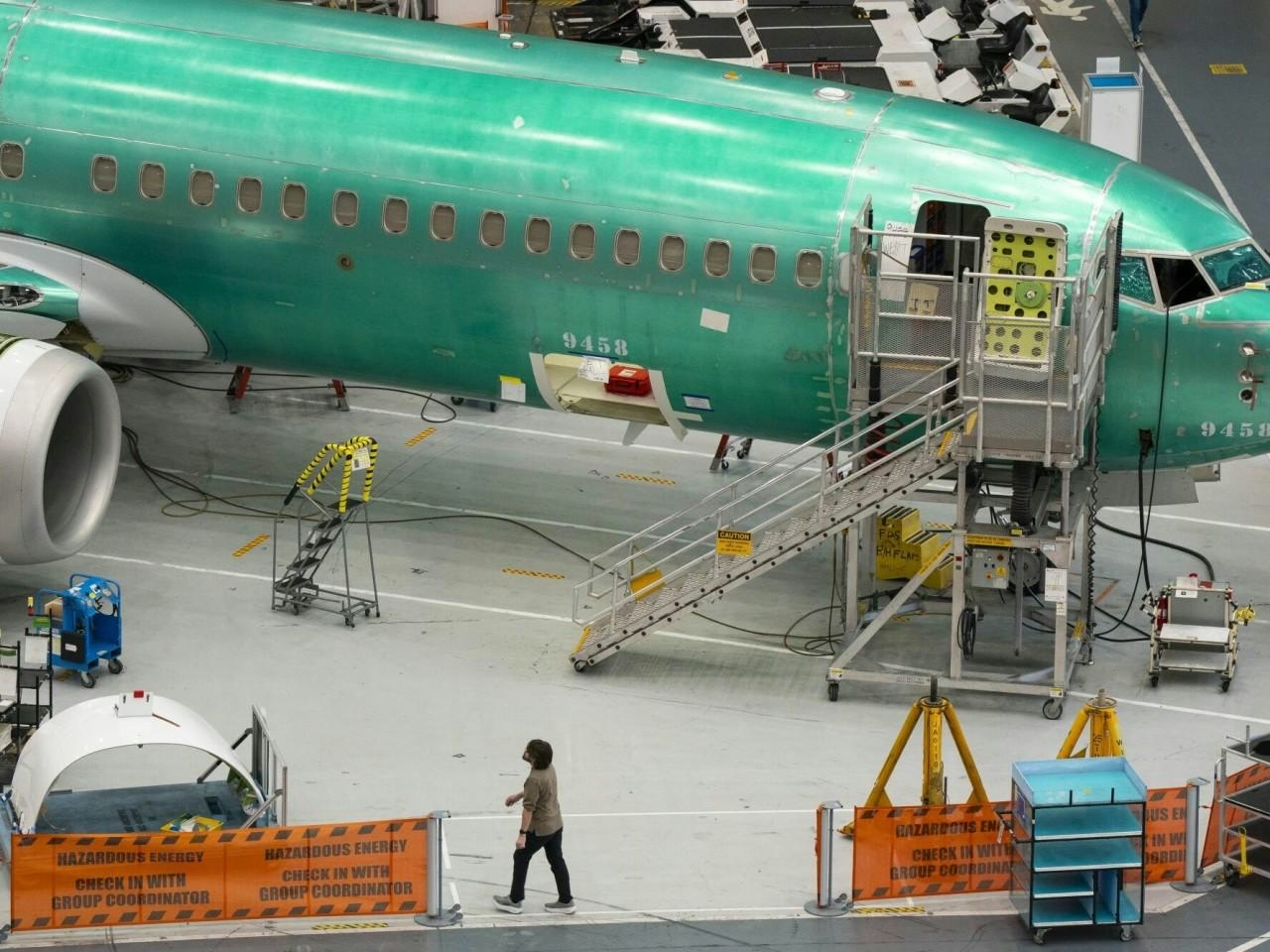
EU Extends Zero-Tariff Agreement on U.S. Aircraft Parts Amid Airbus-Boeing Trade Talks
The European Union has announced an extension of its suspension of tariffs on U.S. aircraft and aviation components, preserving a zero-duty framework for transatlantic aerospace trade as negotiations over the longstanding Airbus-Boeing dispute proceed. This extension allows aircraft, engines, and critical aviation parts to move freely between Europe and the United States, maintaining stability in one of the world’s most interconnected manufacturing sectors.
Covering approximately $4 billion worth of U.S.-origin aviation goods—including commercial aircraft, jet engines, avionics, and essential spare parts—the tariff suspension was initially introduced in 2021 as a temporary measure aimed at de-escalating trade tensions. By continuing this arrangement, the EU seeks to support the smooth functioning of aerospace supply chains while talks toward a comprehensive resolution remain ongoing.
Background: A Complex Trade Dispute
The tariff suspension arises from a protracted dispute over alleged state subsidies provided to Airbus and Boeing, which previously resulted in reciprocal tariffs on billions of dollars’ worth of goods on both sides of the Atlantic. Both the United States Trade Representative (USTR) and the European Commission have recognized the economic risks posed by prolonged tariff escalation, particularly for industries dependent on cross-border production and just-in-time supply chains.
Aircraft manufacturing is a highly globalized industry, with components designed, produced, and assembled across multiple countries. The extension of the zero-tariff agreement effectively maintains a cooling-off period, allowing negotiators to pursue a long-term settlement without disrupting industrial operations or global supply chains.
Market Implications and Industry Response
The EU’s decision is expected to benefit airlines, manufacturers, leasing companies, and maintenance providers throughout Europe and North America. By keeping aviation supply chains free from tariffs, the move supports safety, efficiency, and cost control—factors emphasized by both the European Commission’s Directorate-General for Trade and U.S. aviation regulators.
Nonetheless, the extension introduces new market dynamics. With U.S. parts remaining more accessible, European aircraft manufacturers may face heightened competition. In response, both Airbus and Boeing could adjust their supply chain strategies to leverage the tariff-free environment, potentially reshaping sourcing and production decisions.
Industry stakeholders have largely welcomed the extension, underscoring the importance of regulatory predictability as the aviation sector continues to recover from recent supply chain disruptions and rising operational costs.
Safeguards and Future Negotiations
The EU’s commitment to the zero-tariff arrangement includes built-in safeguards, allowing tariff preferences to be suspended if the United States breaches the agreement’s terms. This provision is designed to protect European interests and may influence the trajectory of future negotiations, ensuring that both parties remain motivated to reach a durable resolution.
As discussions between Brussels and Washington continue, the extension of the zero-tariff agreement highlights the critical role of cooperation in maintaining industrial continuity and securing global supply chains within the transatlantic aerospace sector.

Etihad Deploys Widebody Fleet to Meet Strong Demand
Korean Air Finalizes $36.2 Billion Deal with Boeing

Australia’s RFDS Queensland Section Orders Six King Air 260Cs
Korean Air Finalizes Order for 103 Boeing Jets and Engines
Embraer E195-E2 Features Distinctive Engine Placement Among Regional Jets

What Passengers Can Expect on Boeing’s New 777X Jet
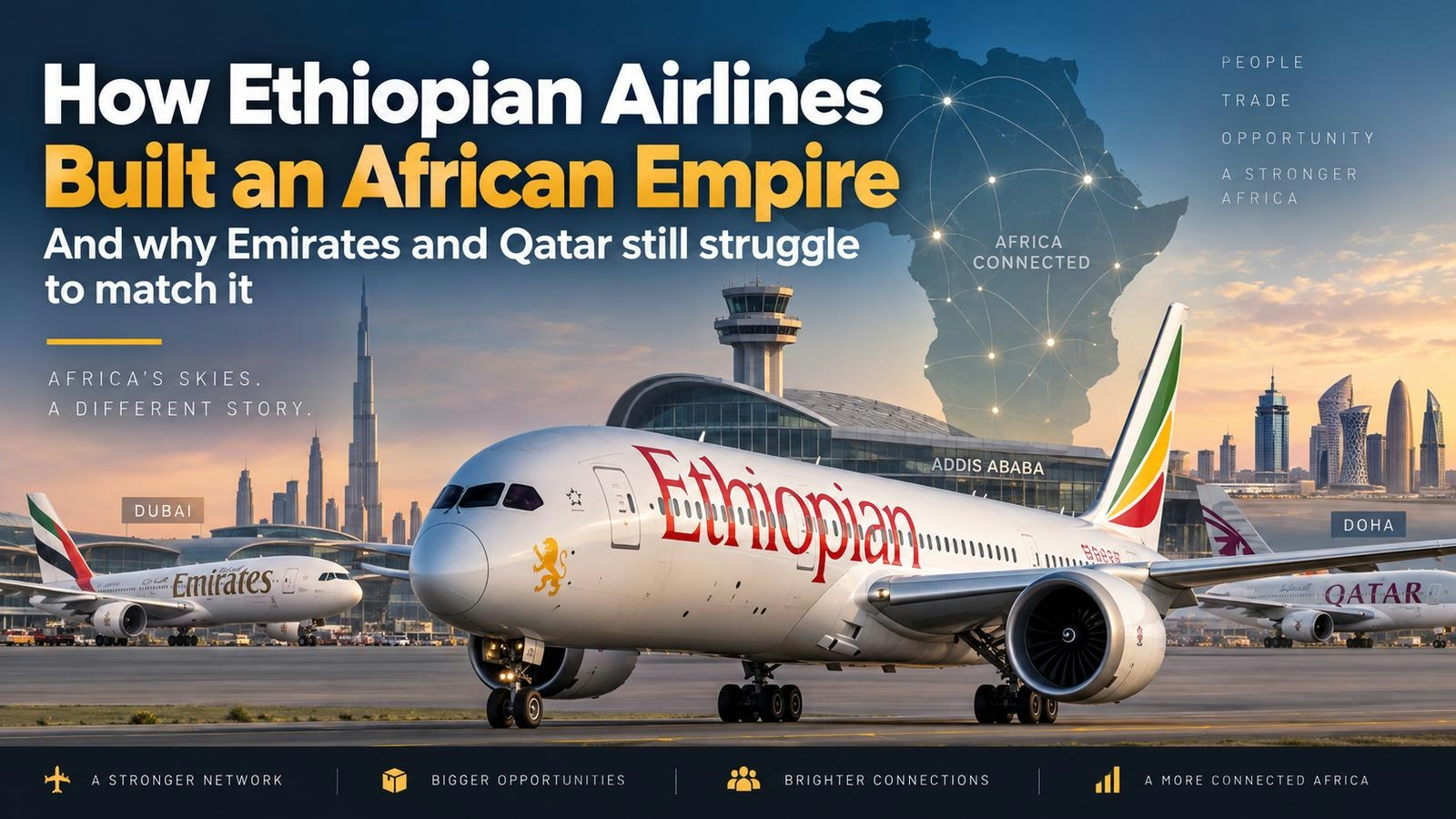
How Ethiopian Airlines Became Africa’s Leading Carrier Amid Gulf Competition
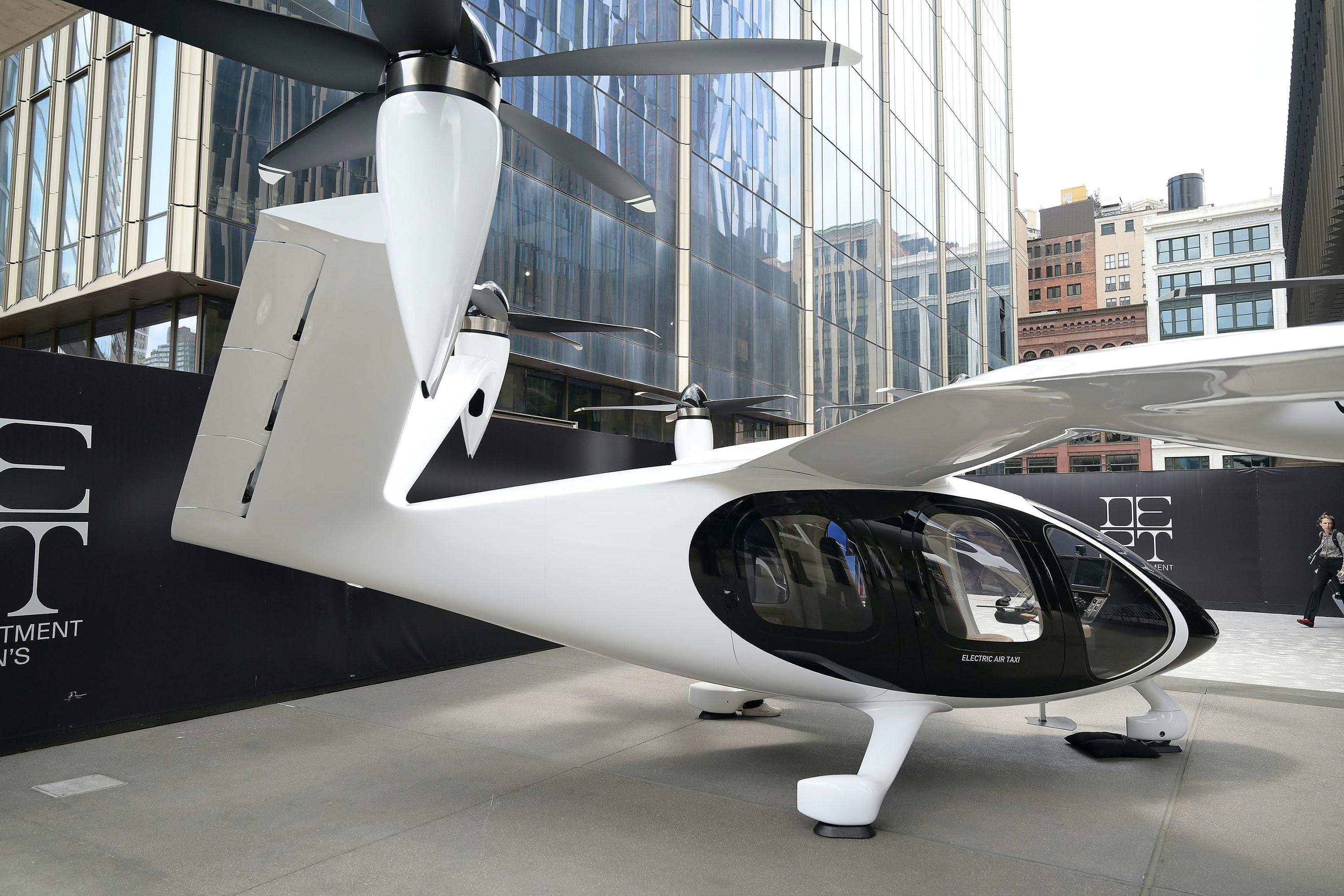
Joby Aviation Extends Autonomous Flight Capabilities with Cross-Country Tour

Strengthening Europe's Aviation Supply Chain Amid Uncertainty
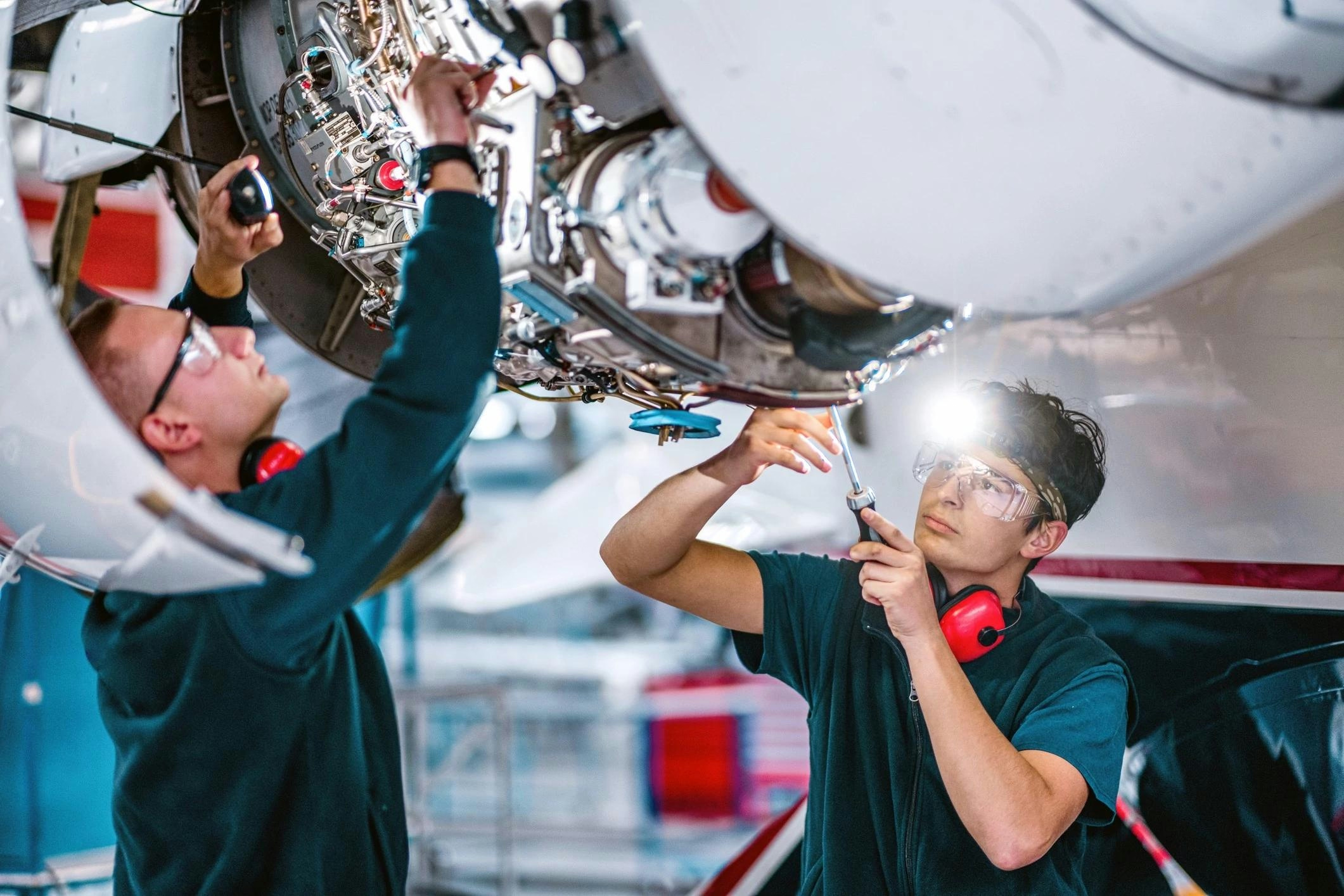
The Evolution of the Aircraft Maintenance Engineer Role
