
Orchestrate AI insights into action

Trending
Categories
Lufthansa Plans to Replace 4,000 Employees with AI by 2030
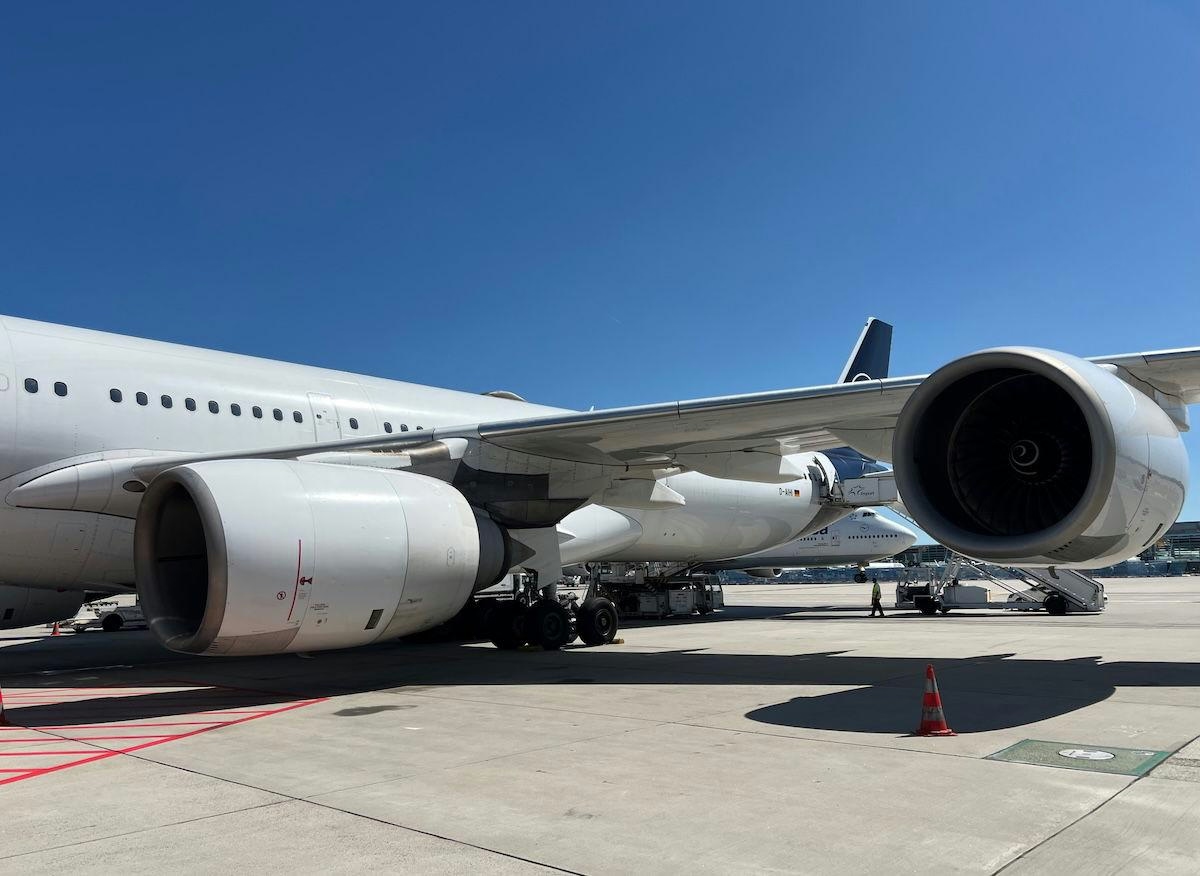
Lufthansa to Cut 4,000 Jobs by 2030 Amid AI and Automation Drive
Lufthansa Group has unveiled plans to reduce its workforce by approximately 4,000 employees by 2030, primarily targeting administrative positions within Germany. This initiative forms part of a broader strategy to enhance operational efficiency through the expanded use of artificial intelligence and automation technologies. The restructuring will affect not only Lufthansa but also its affiliated carriers, including Austrian Airlines, Brussels Airlines, ITA Airways, and SWISS.
Strategic Shift Towards Digitalisation and Cost Savings
In an official statement, Lufthansa emphasized its ongoing review of activities that may become redundant due to overlapping functions and the transformative impact of digitalisation and AI. The company projects that these changes will yield annual savings of around €300 million. This move follows earlier announcements in November 2024, when Lufthansa revealed plans to reduce its administrative workforce by 20 percent, equating to roughly 400 positions.
The airline’s push for automation is part of a concerted effort to recover from recent financial setbacks, which were influenced by staff strikes and delays in aircraft deliveries. Concurrently, Lufthansa is embarking on the largest fleet expansion in its history, intending to introduce over 230 new aircraft by 2030. The modernization of its fleet, combined with streamlined operations enabled by automation, is expected to substantially improve profitability by the decade’s end.
Industry Response and Labor Concerns
The announcement has met with resistance from the German trade union Verdi, which opposes the planned job reductions. The union attributes the decision to rising aviation costs and has expressed serious concerns regarding the consequences for employees and the wider German labor market. This reaction highlights the ongoing tension between technological progress and job security, a challenge confronting many industries as automation becomes more widespread.
Lufthansa maintains that automating routine tasks will free employees to concentrate on more complex duties, thereby enhancing customer service and operational efficiency. The company’s approach reflects a broader industry trend, as airlines and other large enterprises increasingly adopt digital solutions to remain competitive and adapt to evolving market dynamics.

Etihad Airways Suspends Airbus A380 Flights on Key Route

Aditya Birla Group Seeks Approval for Aircraft Leasing in GIFT City

Qatar Airways Highlights Innovation and Connectivity at Arabian Travel Market 2026

Hong Kong's Five-Year Plan Includes Andrew Fan's Aircraft Parts Processing Hub Proposal

ACIA Aero Leasing Delivers ATR72-600 to Air Nostrum

RTX Appoints Jill Albertelli as Head of Pratt & Whitney

TAT Technologies Joins Beyond Aero Hydrogen Aircraft Program

AURAK Study Highlights Barriers to Air Taxi Adoption in Emerging Economies

Xiamen Air Selects Altitude for 787 Maintenance at Heathrow

Etihad and Swissport Extend Global Partnership
