
Orchestrate AI insights into action

Trending
Categories
NTSB Finds Engine Failure on United Flight 1382 Led to Emergency Evacuation in Houston
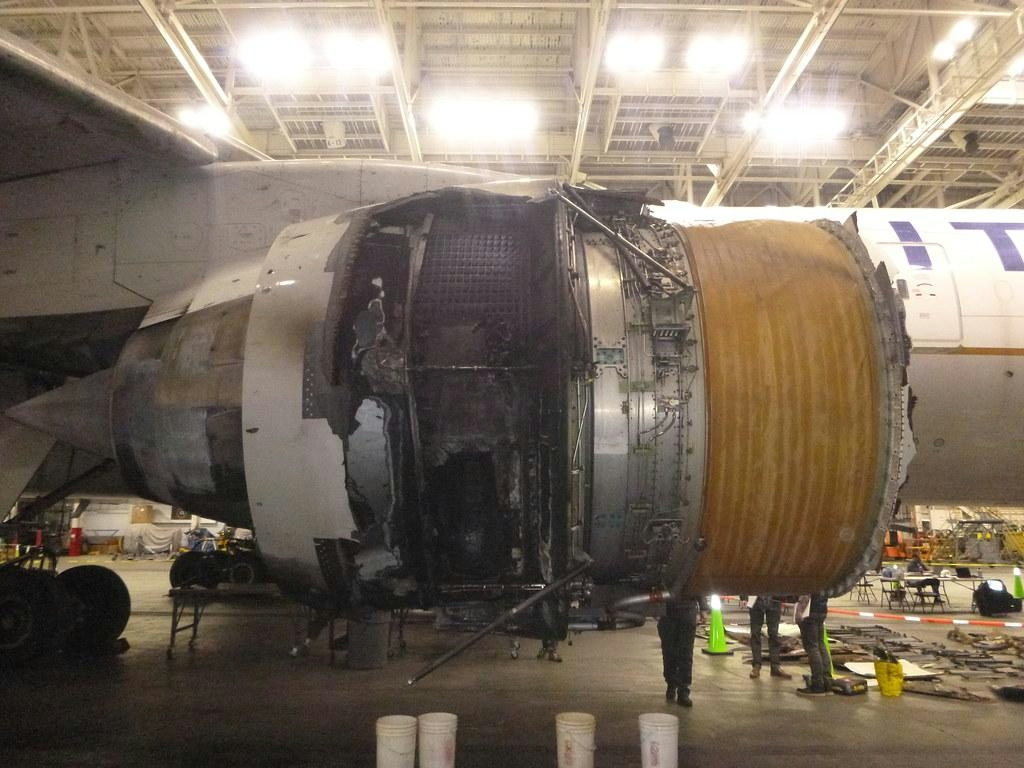
NTSB Identifies Engine Failure and Communication Breakdown in United Flight 1382 Emergency Evacuation
A routine departure from Houston’s Bush Intercontinental Airport on February 2, 2025, was abruptly disrupted when United Airlines Flight 1382 experienced a critical engine failure, forcing an emergency evacuation. The National Transportation Safety Board (NTSB) has released a detailed report attributing the incident to undetected corrosion in the aircraft’s right engine, compounded by communication failures that escalated passenger panic and complicated the evacuation process.
Engine Failure and Maintenance Concerns
As Flight 1382 accelerated for takeoff, a loud bang signaled a catastrophic failure in the right engine. The NTSB investigation revealed that extensive corrosion, which had gone unnoticed during prior maintenance inspections, was the root cause of the engine malfunction. This discovery has raised significant concerns regarding the adequacy of current maintenance oversight and inspection protocols. The findings may have far-reaching implications for airline operational standards and insurance policies, prompting calls within the industry for more rigorous preventive maintenance measures.
Breakdown in Communication and Evacuation Challenges
Inside the cabin, the situation rapidly deteriorated as a passenger’s mistaken shout of “fire” incited widespread panic. Despite crew instructions to remain seated, many passengers stood, retrieved carry-on luggage, and crowded the aisles in a rush toward the exits. This noncompliance severely hindered the evacuation efforts. Compounding the chaos, a flight attendant initiated the evacuation without activating the evacuation alarm, leaving the cockpit crew unaware that passengers were already disembarking. Notably, one engine remained operational during the evacuation, creating additional hazards.
When the rear door was opened, the evacuation slide deployed directly into the exhaust of the running engine. The force of the exhaust caused the slide to whip violently and fail after three passengers had used it. Consequently, the crew was forced to block that exit and direct passengers to alternative doors. Firefighters arrived promptly and the remaining engine was eventually shut down. Despite the challenges, all 112 individuals on board evacuated safely without injury.
Broader Industry Implications
The NTSB’s findings highlight critical vulnerabilities not only in aircraft maintenance but also in emergency communication and passenger management during crises. The presence of undetected corrosion has intensified scrutiny of maintenance practices across the aviation sector. Industry analysts anticipate that United Airlines and other carriers may face increased regulatory oversight and potential insurance repercussions. In response, competitors are expected to implement enhanced safety protocols and reinforce public confidence through transparent communication.
This incident underscores the urgent need for improved coordination between cabin crew and flight deck during emergencies, as well as a renewed emphasis on preventive maintenance strategies, particularly in detecting corrosion, to safeguard passenger safety industry-wide.
The full NTSB report is available for those seeking comprehensive details on the investigation.
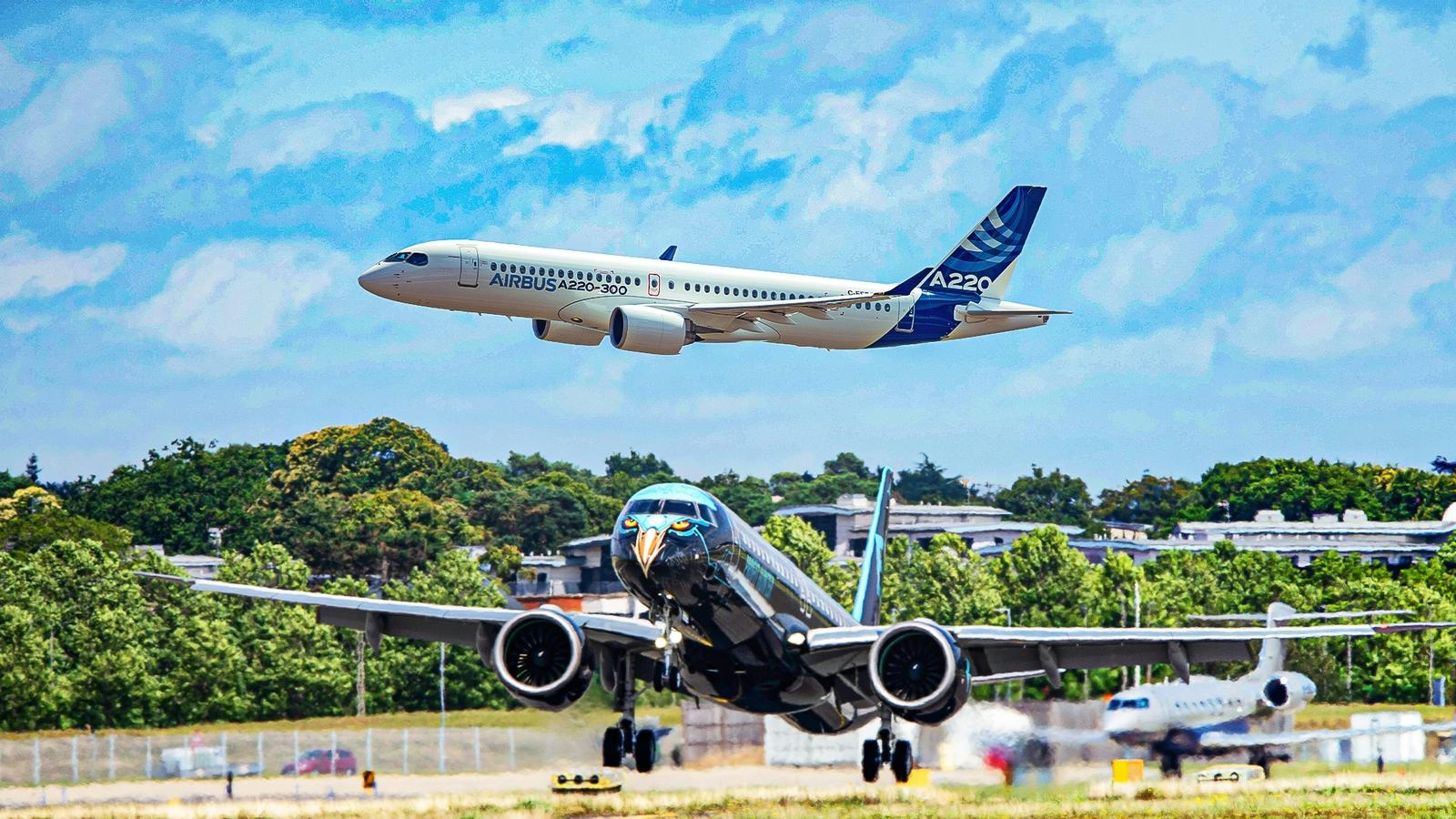
Embraer Delivers 2,000th E-Jet as Airbus A220 Seeks Market Share
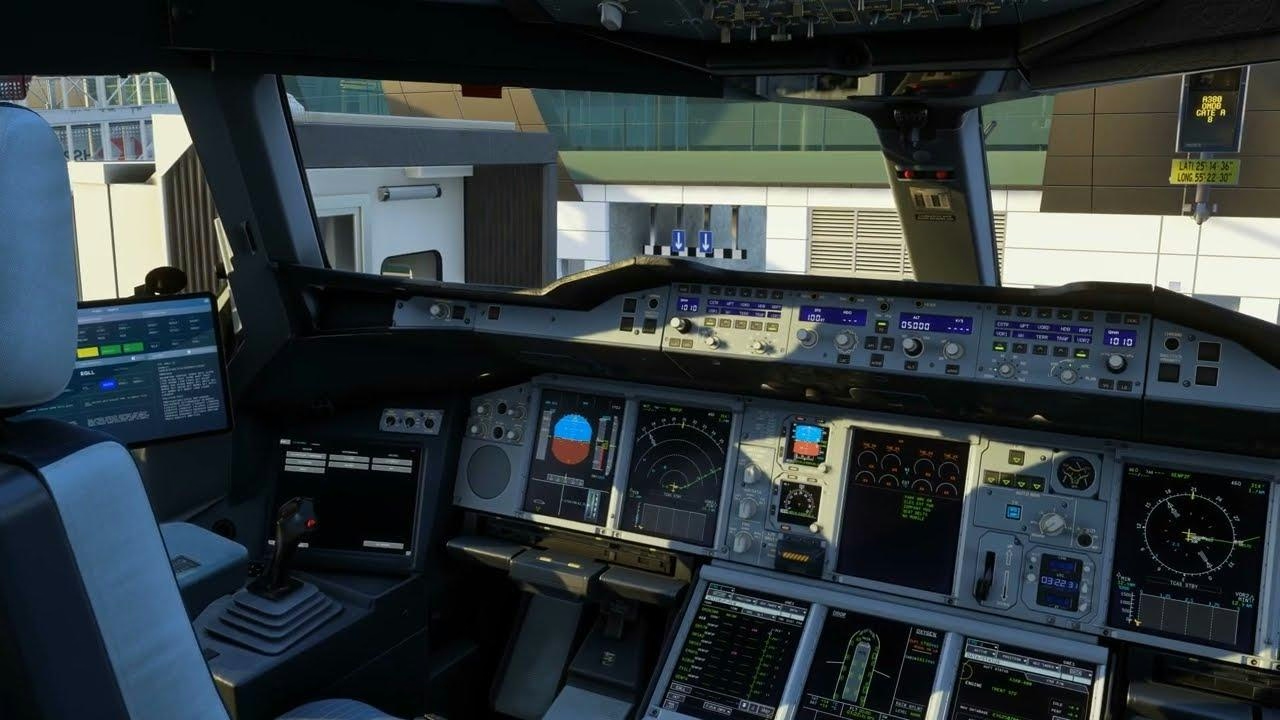
iniBuilds Releases Second In-Depth A380 Video
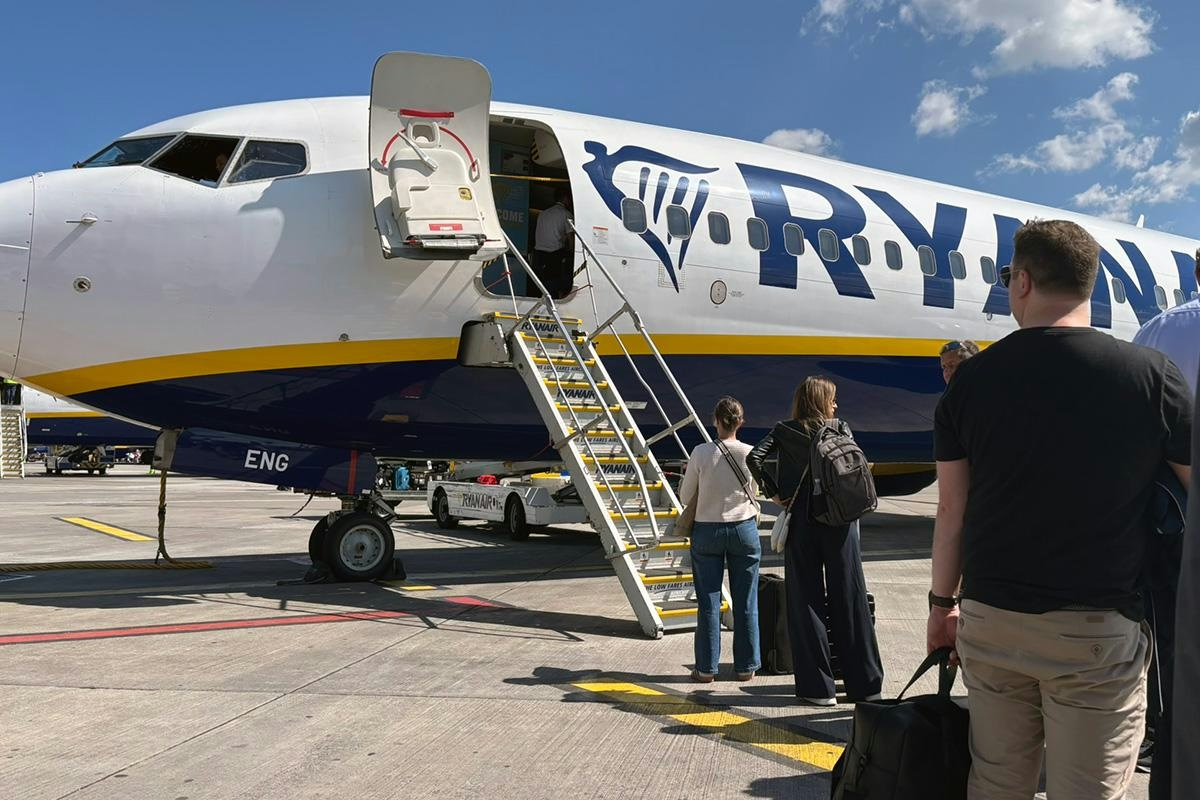
Ryanair and Alaska Airlines Apply AI to Operational Decision-Making

Digital Payments, AI, and Aviation Strengthen Philippines-India Relations
PlaneSense Suspends PC-12 Jet Card Sales
How AI Could Transform Bird-Strike Prevention for Business Aviation
American Airlines and Boeing Complete First 737 MAX Landing Gear Swap

Vietjet and Thales sign major MRO and AI deals in Paris
Etihad CEO Cites Aircraft Capacity as Limiting Factor Amid Growth in China and Africa

Artificial Intelligence Enters the Cockpit
