
Orchestrate AI insights into action

Trending
Categories
Oklahoma Explores Flying Taxis and Delivery Drones

Oklahoma Advances in Flying Taxis and Delivery Drones
Oklahoma, historically known as a significant aviation center, is positioning itself at the forefront of the emerging sector of advanced air mobility with the introduction of flying taxis and delivery drones. A new pilot program underway in the state aims to enable residents to summon air taxis for personal transportation or receive deliveries via drones, marking a significant step toward integrating electric vertical takeoff and landing (eVTOL) aircraft into everyday life.
A Strategic Testing Ground for eVTOL Technology
This initiative forms part of a broader federal effort to promote the development and deployment of eVTOL aircraft. California-based Joby Aviation has selected Oklahoma as one of ten U.S. locations for testing these innovative vehicles, which are designed to transport passengers, cargo, and medical supplies. Grayson Ardies, executive director of the Oklahoma Department of Aerospace and Aeronautics, emphasized the state’s strategic advantages, noting that Oklahoma’s expansive airspace, varied weather conditions, rural landscapes, and proximity to the FAA Academy in Oklahoma City create an ideal environment for rigorous testing and integration with existing air traffic control systems.
The Federal Aviation Administration (FAA) has demonstrated strong support for advanced air mobility, approving eight pilot projects across 26 states. Oklahoma’s participation in this initiative reflects its commitment to maintaining a leadership role in aviation innovation.
Challenges and Market Dynamics
Despite the promising outlook, Oklahoma faces several challenges in advancing flying taxi and drone delivery services. Regulatory complexities remain a significant hurdle, requiring coordination between local and national authorities to establish safety standards and operational guidelines. Public acceptance also poses a critical challenge, as communities must become accustomed to the presence of low-flying aircraft in both urban and rural settings. Furthermore, the development of necessary infrastructure—including takeoff and landing sites, charging stations, and maintenance facilities—will be essential to support sustainable operations.
Market responses to flying taxis have been mixed across the United States. While cities such as San Antonio and regions in Florida are actively preparing for the integration of these services, other metropolitan areas like Los Angeles face delays due to regulatory and logistical obstacles. The competitive landscape, with companies like Joby Aviation and Archer advancing their eVTOL projects, will likely influence the pace and success of Oklahoma’s market development.
Environmental considerations also remain under scrutiny. Advocates highlight the potential benefits of reduced traffic congestion and expedited delivery times, yet some studies raise concerns about the energy consumption of flying taxis, which may exceed that of electric cars on a per-mile basis. These factors contribute to ongoing debates about the long-term sustainability of eVTOL technology.
Looking Ahead
Despite these challenges, Oklahoma officials express optimism about the state’s role in this transformative phase of transportation. Ardies remarked, “This is another great step forward for Oklahoma. Being selected as a test site continues our heritage as a forward-leaning aviation state.” If the pilot program proves successful, commercial operations could commence as early as 2025, potentially revolutionizing how residents travel and receive goods. As Oklahoma navigates regulatory, technological, and societal hurdles, it remains poised to lead in the evolution of advanced air mobility.

Bangladesh Launches Initiative to Become Regional Aviation Hub
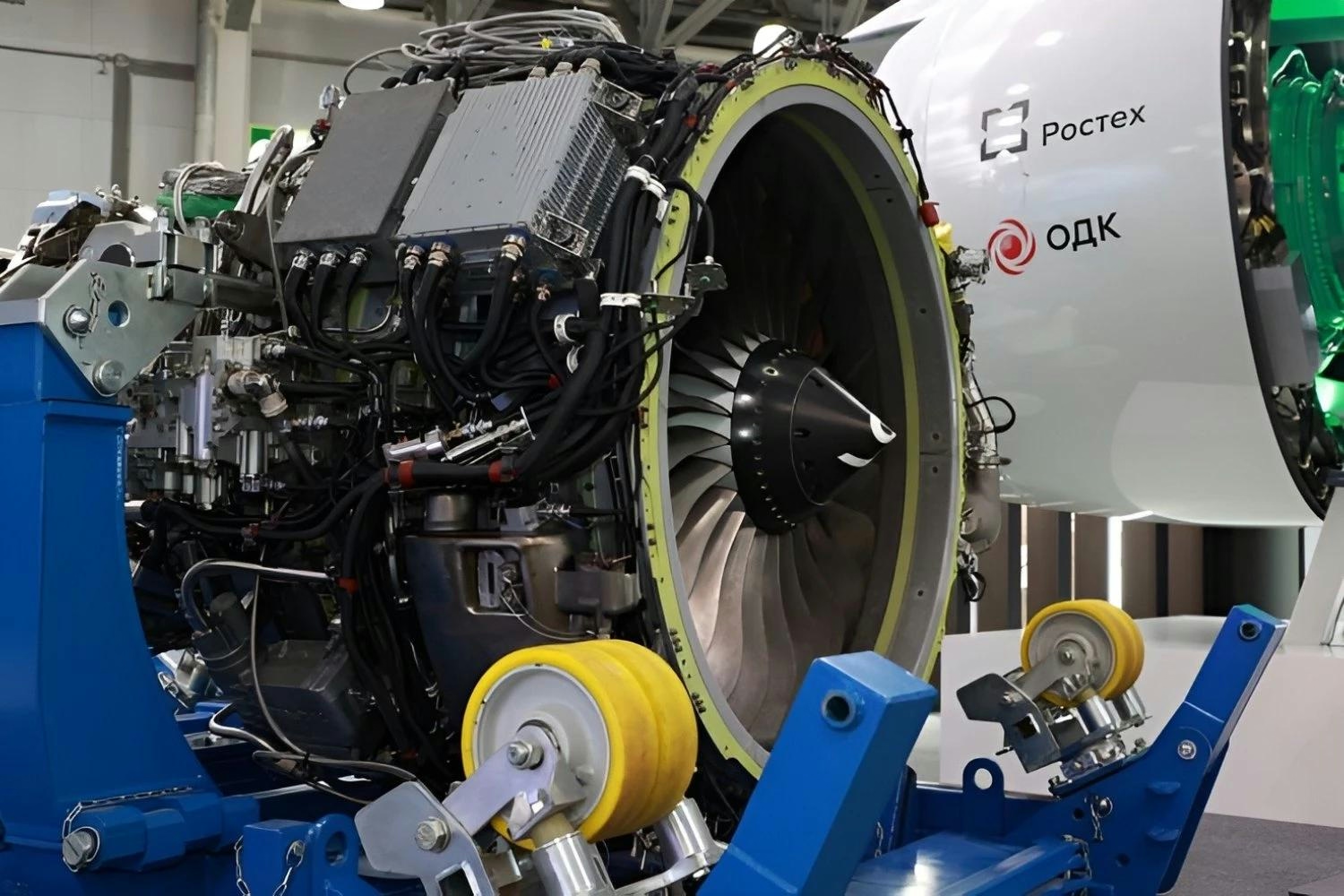
Russia Transports PD-8 Engine to India for International Certification

Kyrgyzstan to Adopt EMPIC GmbH Software for Flight Safety Oversight

Why Hawaiian Airlines Is Waiting Until 2028 To Add A Premium Economy Cabin To Its Airbus A330 Fleet

Engine Fault Causes Royal Navy Helicopter Crash Fatality

Joby Aviation Begins Texas Air Taxi Test Flights Amid Stock Decline

Iberia Receives Full Approval for Airbus A350 Heavy Maintenance

NetJets to Construct Terminal and Hangar at Dallas Love Field

Using AI in Aircraft Purchases

CIAM Unveils RPD-150T Engine to Replace Rotax 150 hp Model
