
حوّل رؤى الذكاء الاصطناعي إلى أفعال منسّقة

الرائج الآن
Categories
Top green jet fuel producer linked to suspect waste-oil supply chain
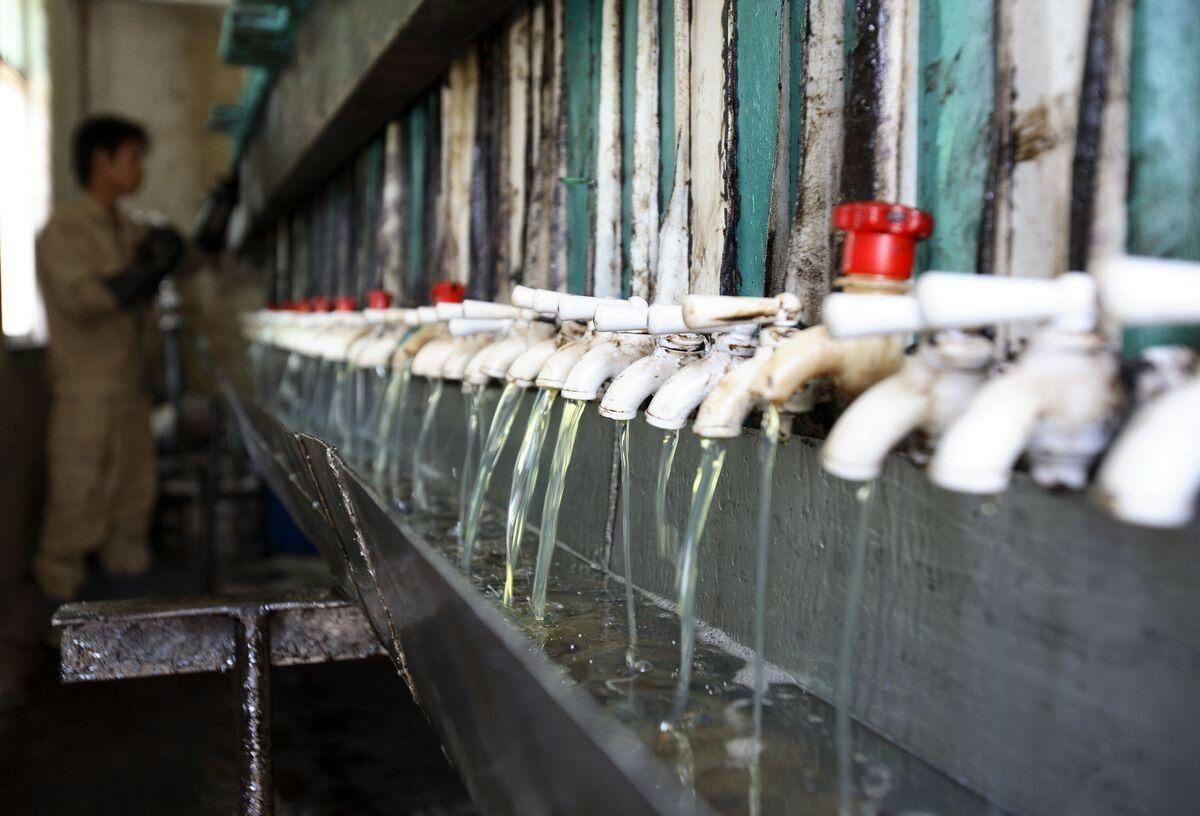
Top Green Jet Fuel Producer Linked to Suspect Waste-Oil Supply Chain
Supply Chain Vulnerabilities in Renewable Aviation Fuel
Neste, the world’s largest producer of renewable aviation fuel, is facing scrutiny following an investigation that exposed potential weaknesses in its supply chain. The probe revealed that fresh palm oil, a controversial ingredient linked to deforestation, could be misrepresented as waste oil—a critical component in Neste’s sustainable aviation fuel (SAF). This development highlights the broader challenges confronting the aviation industry as it strives to reduce carbon emissions through the adoption of SAF.
Neste, a Finnish biofuels company, asserts that its SAF is produced exclusively from “renewable waste and residue raw material,” including animal fats and used cooking oil (UCO). However, a joint investigation by Climate Home News and Swedish broadcaster SVT uncovered that Neste’s largest Malaysian UCO supplier accepted fresh palm oil during public waste oil collection drives without conducting proper verification or inquiries. Although there is no direct evidence that Neste’s SAF contains virgin palm oil, experts caution that once oils are mixed at the collection stage, it becomes nearly impossible for refiners to ensure the authenticity and sustainability of their feedstock.
In response, Neste has committed to reviewing the findings but maintains that it is not currently aware of any confirmed fraud linked to its sourcing practices. The company acknowledged the inherent complexity of the sector and the difficulties in achieving full traceability, particularly in regions where regulatory oversight is weak.
Regulatory and Market Challenges
The potential for fraud within SAF supply chains casts doubt on the environmental benefits touted by the aviation sector’s primary decarbonization strategy. European regulations permit only waste oils—not fresh palm oil—to be used in SAF production, due to palm oil’s association with deforestation and the destruction of carbon-rich forests in Southeast Asia. Yet, analysis of Malaysian customs data indicates that Neste sourced approximately 250,000 tonnes of UCO from Malaysia in 2024, a figure more than twice the country’s estimated annual collection, according to Brussels-based NGO Transport and Environment (T&E). Such discrepancies have intensified suspicions regarding the true composition of UCO shipments.
A former Neste director, speaking anonymously, emphasized that no fuel producer can guarantee with absolute certainty that its supply chain is free from virgin palm oil or mislabelled materials. These revelations follow earlier investigations that exposed similar vulnerabilities in the green jet fuel supply chain.
The issue is further complicated by market dynamics. The narrowing price gap between SAF and conventional jet fuel, driven by recent oil market shocks, has increased airlines’ exposure to fuel price volatility. Europe’s heavy dependence on imported waste-based biofuels has amplified concerns over fraud and mislabeling, while ambitious mandates for advanced synthetic green fuels (eSAF) by 2030 face significant obstacles. Commercial-scale production of eSAF remains limited and costly, posing challenges for the industry to meet regulatory targets.
Globally, airlines are grappling with these pressures. In Brazil, carriers struggle to comply with SAF mandates amid high costs and limited supply, with no projects having reached final investment decisions. As more countries impose SAF requirements, competition for scarce raw materials intensifies, raising further questions about the sustainability and integrity of the aviation sector’s green transition.
Ryanair and Alaska Airlines Apply AI to Operational Decision-Making

Digital Payments, AI, and Aviation Strengthen Philippines-India Relations
PlaneSense Suspends PC-12 Jet Card Sales
How AI Could Transform Bird-Strike Prevention for Business Aviation

American Airlines and Boeing Complete First 737 MAX Landing Gear Swap
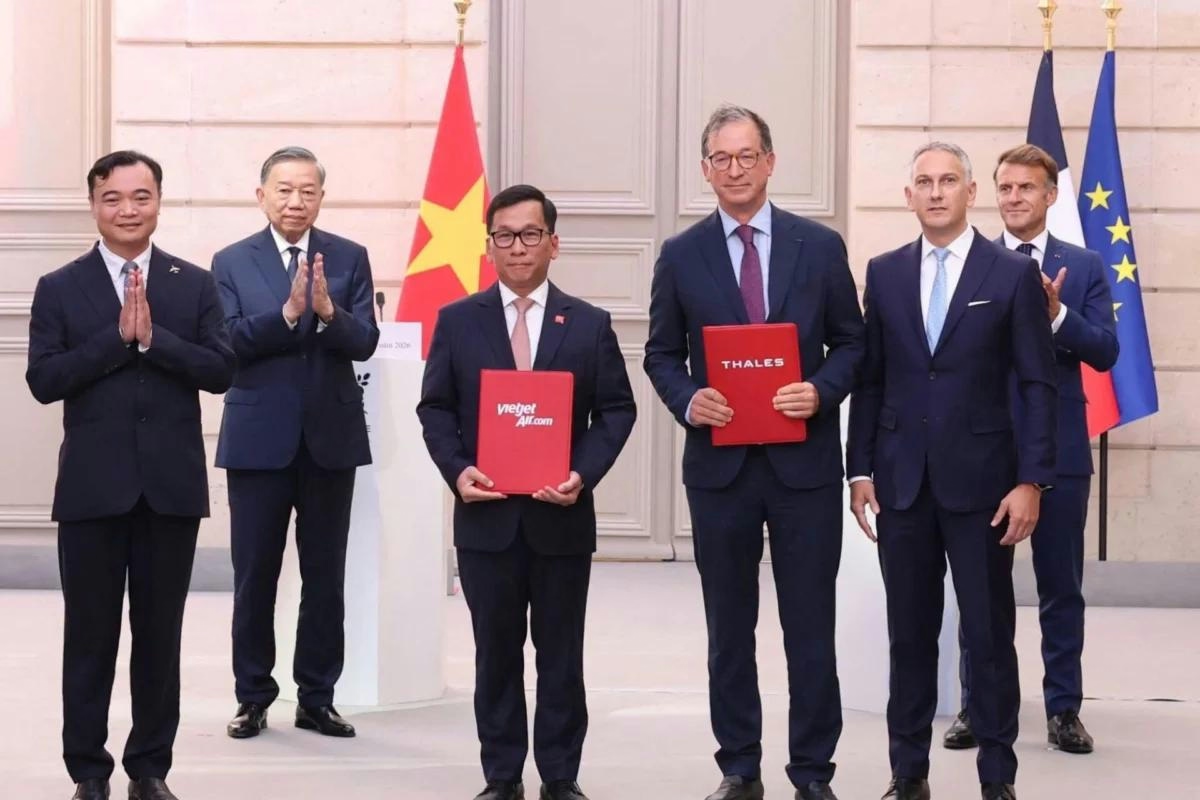
Vietjet and Thales sign major MRO and AI deals in Paris
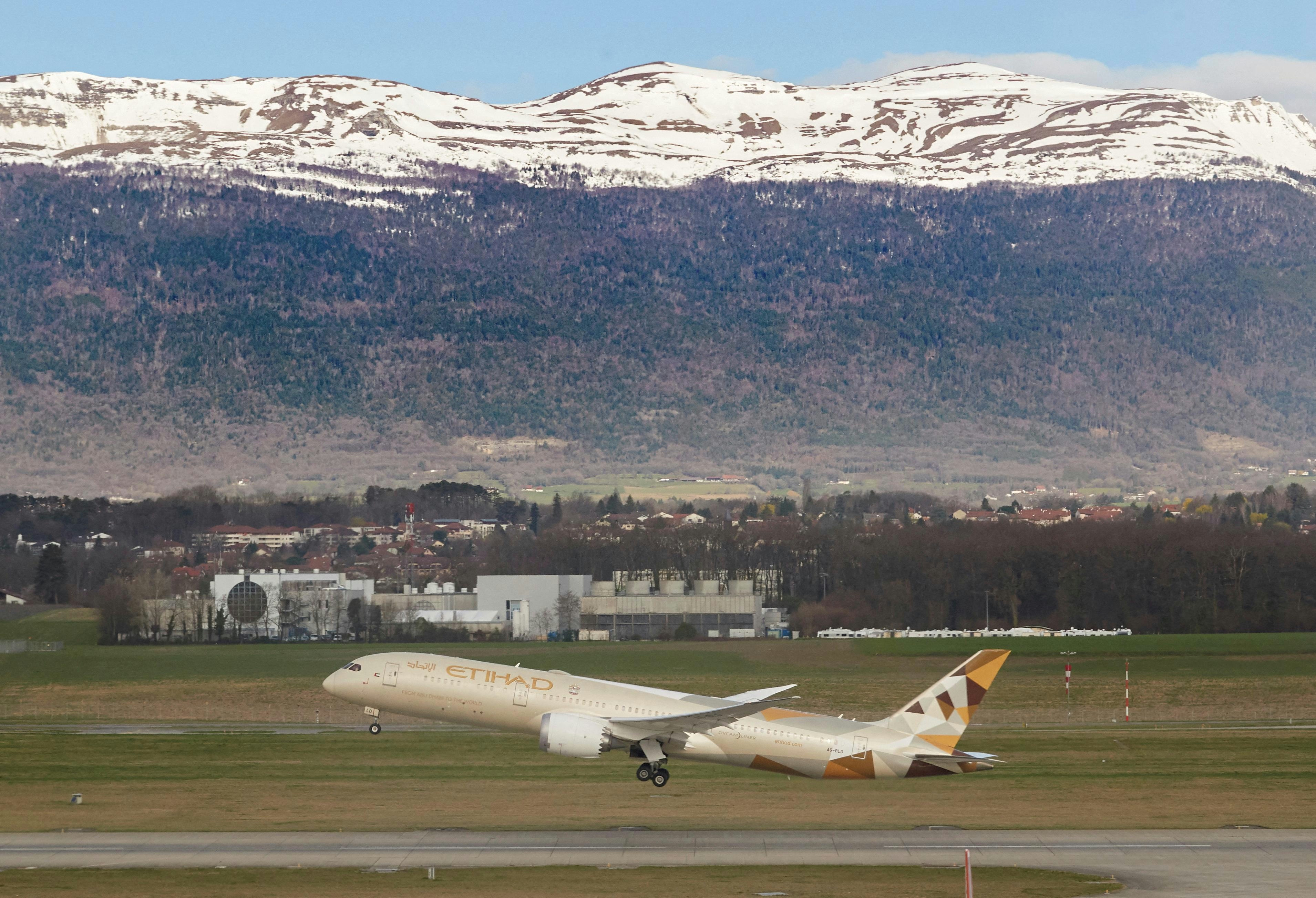
Etihad CEO Cites Aircraft Capacity as Limiting Factor Amid Growth in China and Africa

Artificial Intelligence Enters the Cockpit

How Southwest Airlines is using technology, data and AI to strengthen CX while keeping the human touch
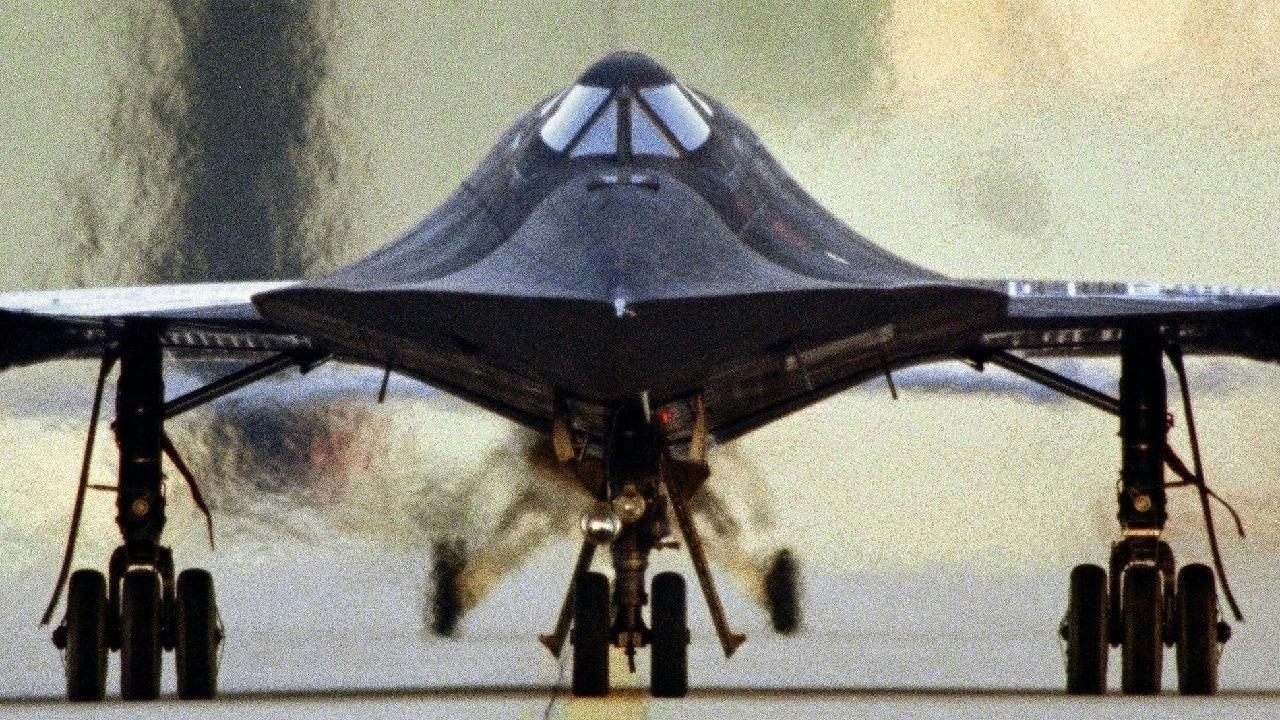
The SR-71 Blackbird Reached Mach 3.5 and 85,000 Feet Using Advanced Materials and Engines
