
Orchestrate AI insights into action

Trending
Categories
Airbus Reports Stable Orders Despite Airline Industry Challenges
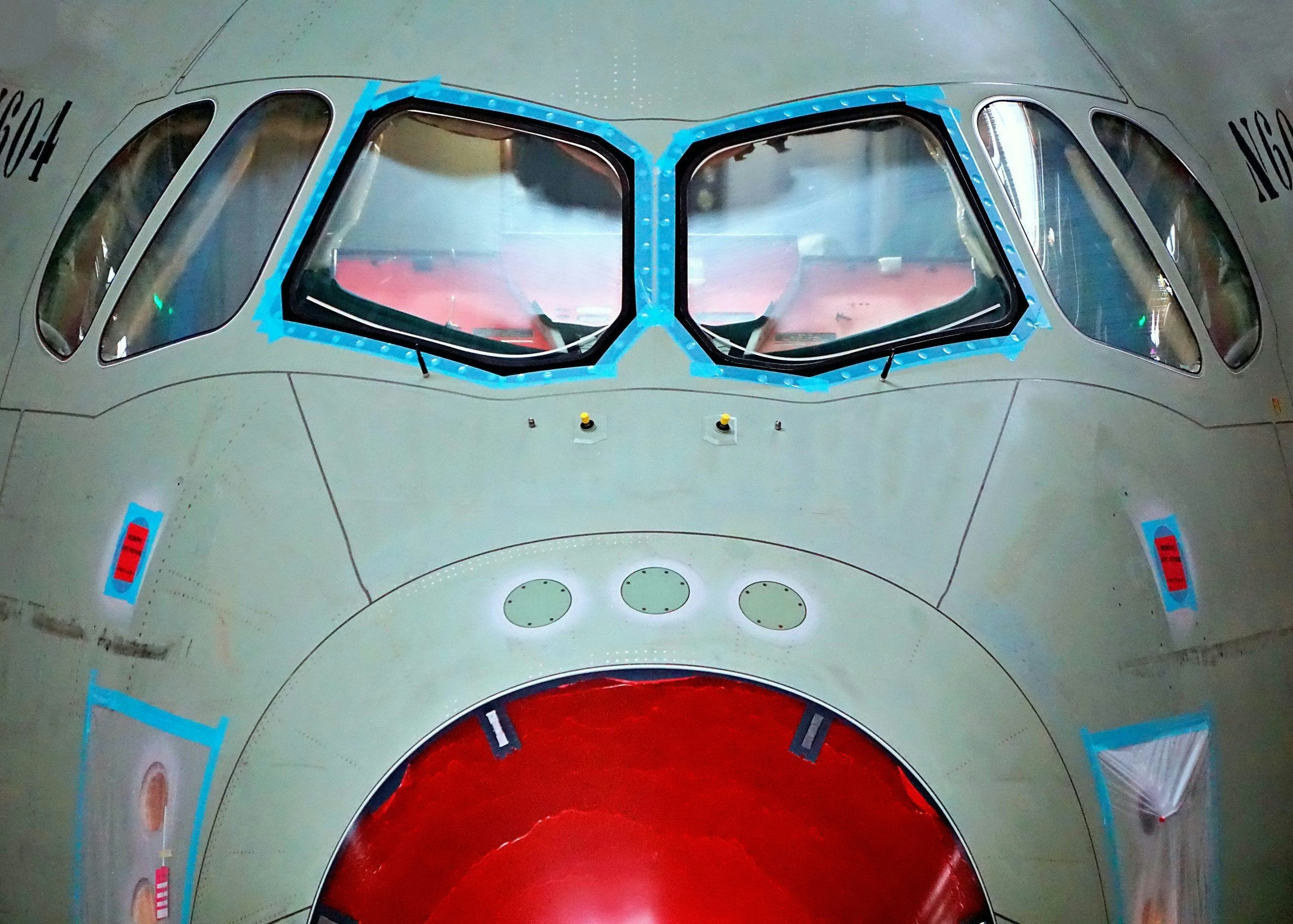
Airbus Maintains Stable Order Book Amid Aviation Sector Challenges
Airbus Chief Executive Guillaume Faury affirmed on Tuesday that the aircraft manufacturer has not experienced significant cancellations or postponements of orders, despite the mounting difficulties facing the global aviation industry. Addressing an industry conference, Faury highlighted the resilience of airlines, noting that while they have “been through hell” in recent years, they remain committed to their existing aircraft agreements. This steadfastness reflects enduring confidence in the long-term demand for new jets.
Industry Pressures and Operational Challenges
Airlines worldwide continue to contend with elevated operating costs, largely driven by persistently high fuel prices. These price pressures stem from ongoing geopolitical tensions involving the United States, Israel, and Iran, which have disrupted jet fuel supplies and compelled carriers to adopt more costly flight routes. Despite these challenges, Airbus’s order book remains stable, with no widespread cancellations or deferrals reported.
Airbus itself faces a complex operating environment. The company is considering the early launch of a larger A220 model, but subdued interest from leasing companies and internal deliberations have left the project uncertain. Additionally, supply-chain disruptions persist, particularly concerning engine deliveries from Pratt & Whitney. Faury acknowledged that while Airbus’s supply chain situation has improved, bottlenecks remain. These delays have already affected deliveries of long-haul passenger jets to Qantas, postponing the airline’s plans for nonstop flights to London and New York.
Production Targets and Regulatory Concerns
Looking forward, Airbus aims to increase production to 75 aircraft per month by 2027. Faury emphasized that achieving this target depends heavily on the timing and reliability of engine supplies. He also indicated that the company is preparing for what could be a record-breaking second half of the year.
On regulatory issues, Faury expressed concern that the European regulatory environment poses challenges to global competitiveness. Despite these obstacles, Airbus has secured 815 gross aircraft orders so far this year, amounting to 762 net orders after cancellations. The company anticipates delivering approximately 870 aircraft in 2026, maintaining its focus on meeting robust long-term demand amid ongoing industry headwinds.

Etihad Airways Suspends Airbus A380 Flights on Key Route

Aditya Birla Group Seeks Approval for Aircraft Leasing in GIFT City

Qatar Airways Highlights Innovation and Connectivity at Arabian Travel Market 2026

Hong Kong's Five-Year Plan Includes Andrew Fan's Aircraft Parts Processing Hub Proposal

ACIA Aero Leasing Delivers ATR72-600 to Air Nostrum

RTX Appoints Jill Albertelli as Head of Pratt & Whitney

TAT Technologies Joins Beyond Aero Hydrogen Aircraft Program

AURAK Study Highlights Barriers to Air Taxi Adoption in Emerging Economies

Xiamen Air Selects Altitude for 787 Maintenance at Heathrow

Etihad and Swissport Extend Global Partnership
