
Orchestrate AI insights into action

Trending
Categories
Airbus' software-defined aircraft could update like smartphones
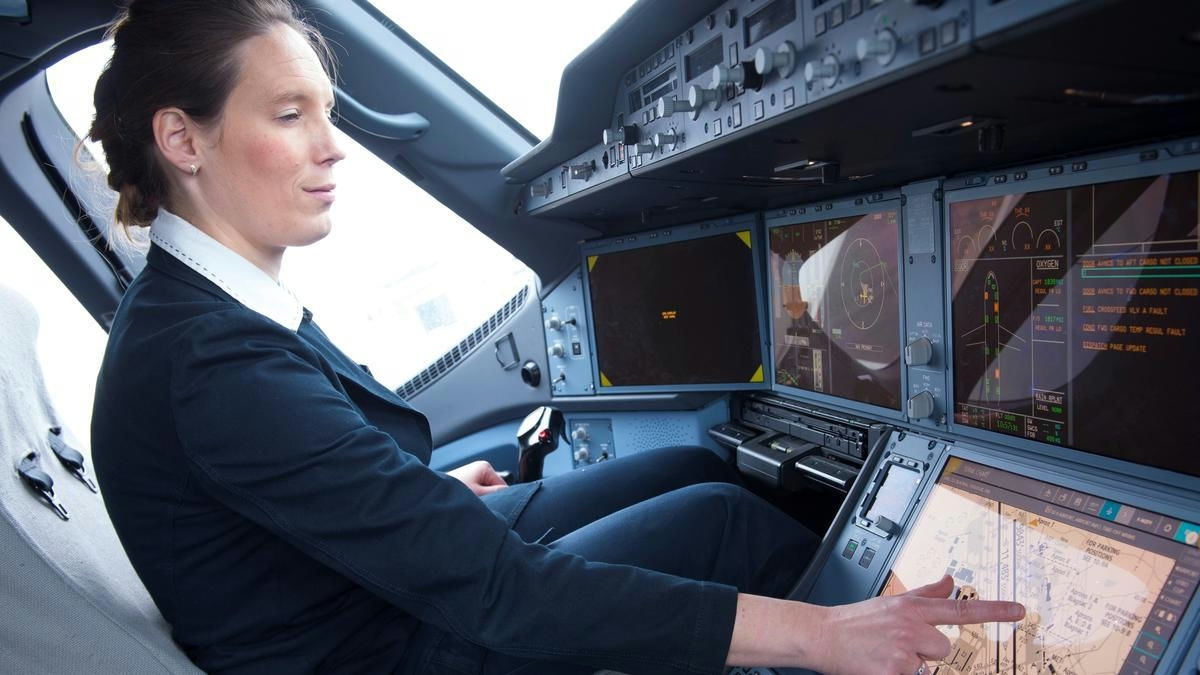
Airbus Advances Software-Defined Aircraft to Enable Smartphone-Style Updates
Purchasing a new airliner today is often compared to acquiring a smartphone that cannot be updated: once an aircraft enters service, integrating new digital features is a complex and time-consuming process. Traditionally, engineers must ground the plane, access equipment bays, replace hardware components, install updated software, and conduct rigorous testing before the aircraft can resume operations. While this approach has reliably supported aviation for decades, it increasingly conflicts with the rapid pace of digital innovation.
Airbus is seeking to revolutionize this paradigm. The European aerospace leader is investing heavily in what it terms the software-defined aircraft—a new generation of airliners conceived as highly connected digital platforms from the outset. In these aircraft, software will play a dominant role in determining capabilities, reducing reliance on hardware modifications. If successful, future jets could receive new features and upgrades throughout their operational lives, akin to smartphones, computers, or modern automobiles that benefit from regular software updates. This shift represents potentially the most significant technological advancement in civil aviation since Airbus introduced fly-by-wire controls over 40 years ago.
Transforming Aircraft into Adaptive Digital Platforms
Modern airliners already depend extensively on software for flight controls, engine management, cockpit displays, cabin systems, and maintenance operations. The Airbus A350, for instance, employs modular avionics that allow multiple applications to share computing resources. However, most digital systems remain closely tied to the hardware installed during manufacturing. Upgrading or adding new functions typically requires physical intervention and comprehensive certification before the aircraft can return to service.
Airbus aims to disrupt this model with its Next-Generation System Platform (NGSP), which consolidates dozens of individual computing units into a limited number of high-performance computers capable of managing multiple functions simultaneously. This approach not only enhances computing power but also increases the aircraft’s adaptability throughout its service life, enabling more flexible and efficient updates.
Enhancing Operational Efficiency and Reducing Downtime
For airlines, aircraft downtime translates directly into lost revenue. Software-defined aircraft could significantly reduce maintenance-related ground time by enabling many updates to be delivered remotely, eliminating the need to physically ground planes for manual software changes. Continuous data streaming from onboard systems would facilitate early detection of worn components, allowing for proactive maintenance that minimizes delays and cancellations. Airbus also envisions opportunities to optimize fuel consumption, improve overall performance, and simplify configuration management—all achievable without extensive physical modifications.
Although these advancements may be imperceptible to passengers, airlines stand to benefit from lower maintenance costs, fewer operational disruptions, and increased aircraft availability.
Navigating Challenges and Industry Implications
Despite the promise of software-defined aircraft, Airbus faces considerable challenges. Heightened connectivity raises cybersecurity concerns, as increased exposure to digital threats could compromise aircraft safety. Regulatory compliance will be paramount, with aviation authorities expected to rigorously evaluate the safety and reliability of remotely delivered software updates. Additionally, integrating these new digital platforms with existing fleets presents technical complexities.
Market reactions have been mixed, with some industry experts expressing skepticism regarding the feasibility and reliability of software-defined upgrades in aviation. Competitors are unlikely to remain passive; rival manufacturers may accelerate their own software initiatives or develop comparable technologies to maintain competitive advantage.
The stakes are particularly high amid reports that American Airlines is considering a widebody aircraft order from either Boeing or Airbus to compete with Delta and United. This decision could significantly influence market dynamics and the adoption of next-generation aircraft technologies.
As Airbus advances its vision, the aviation industry will be closely observing whether airliners can truly evolve as seamlessly as the digital devices that have become integral to daily life.

Etihad Deploys Widebody Fleet to Meet Strong Demand
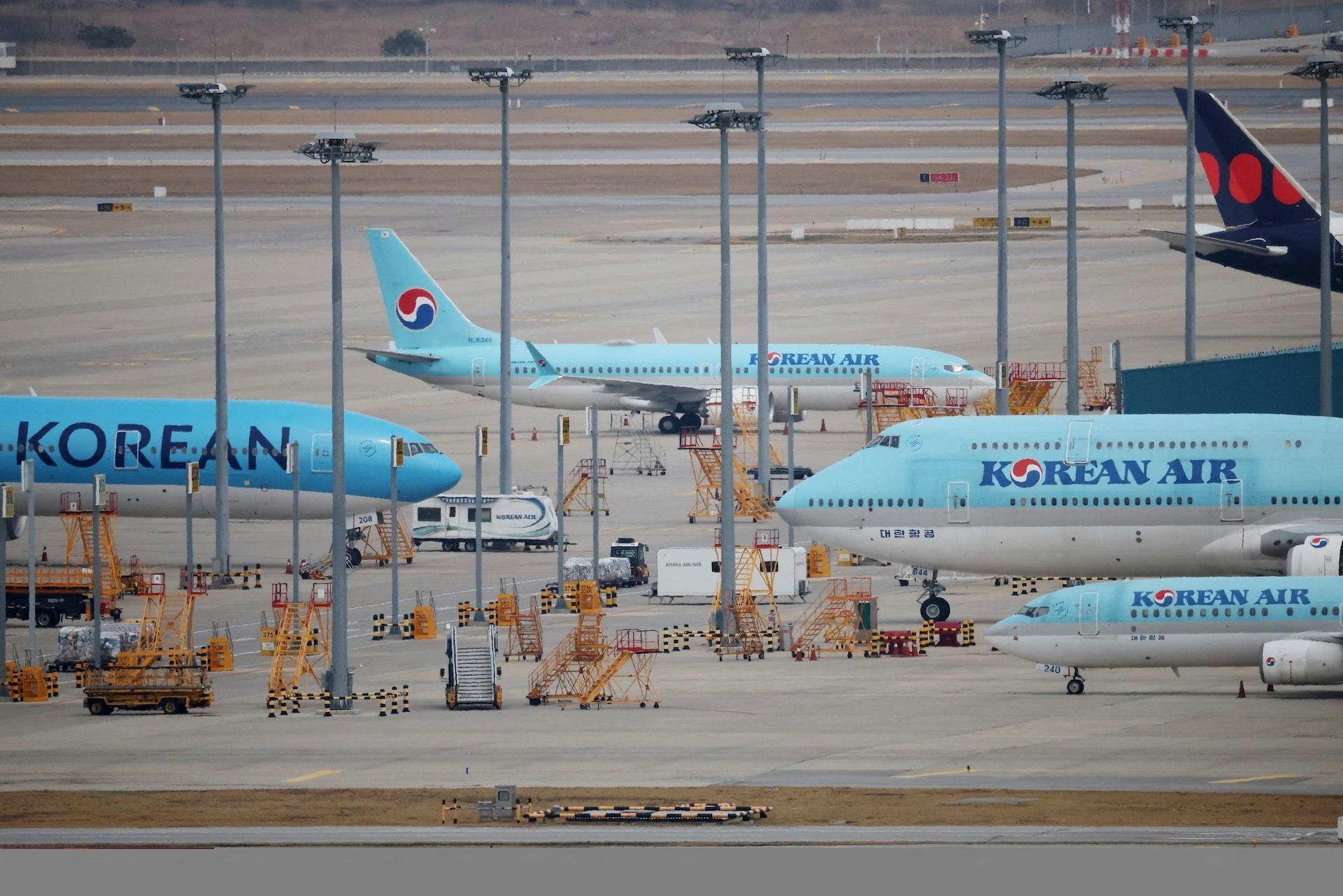
Korean Air Finalizes $36.2 Billion Deal with Boeing
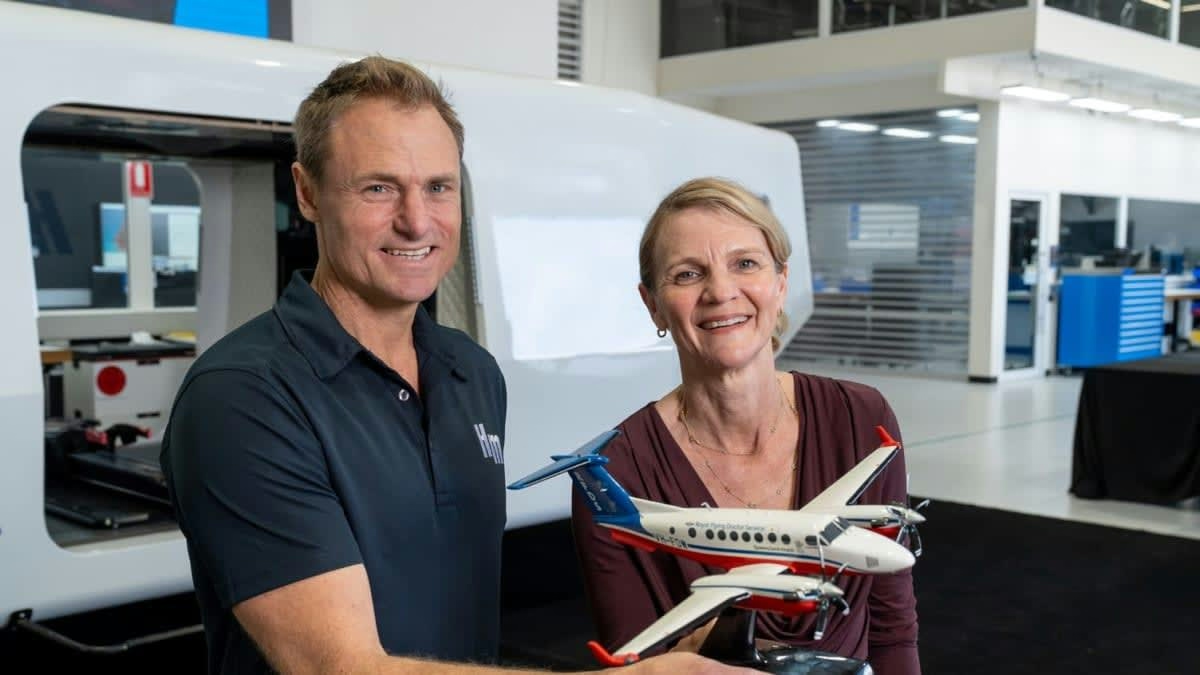
Australia’s RFDS Queensland Section Orders Six King Air 260Cs

Korean Air Finalizes Order for 103 Boeing Jets and Engines
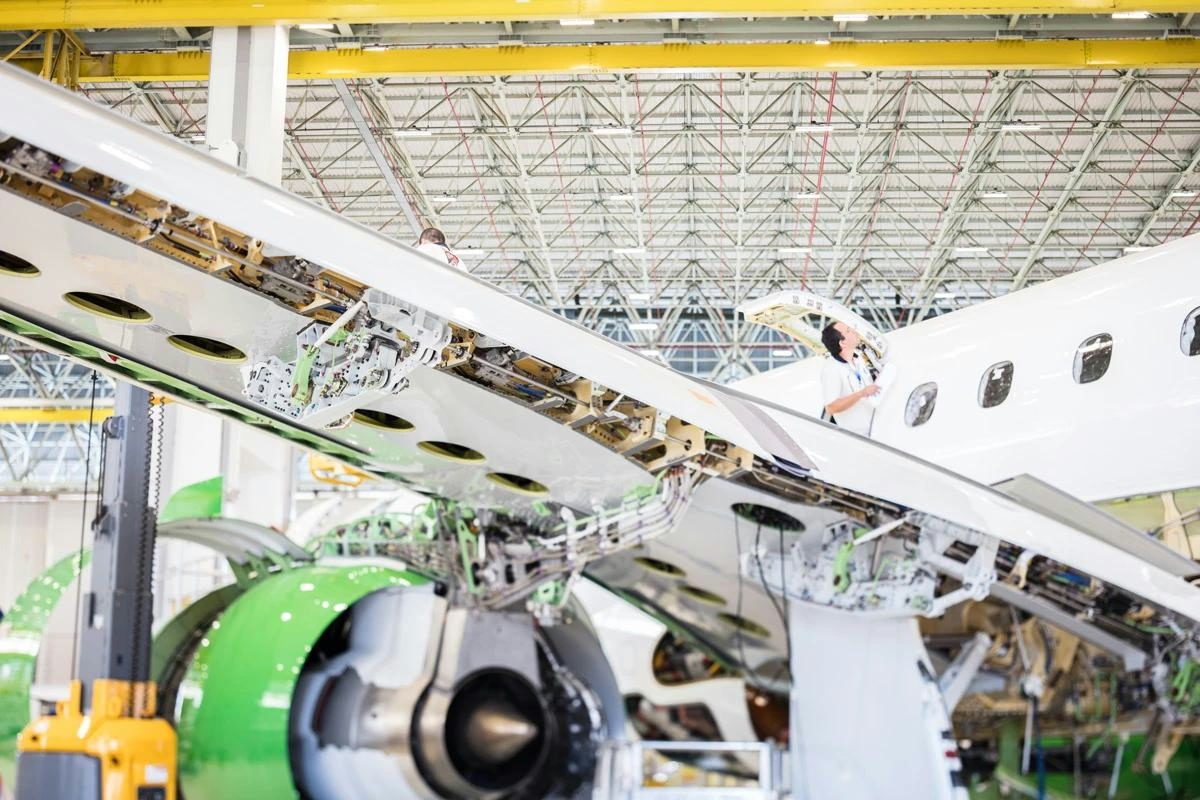
Embraer E195-E2 Features Distinctive Engine Placement Among Regional Jets
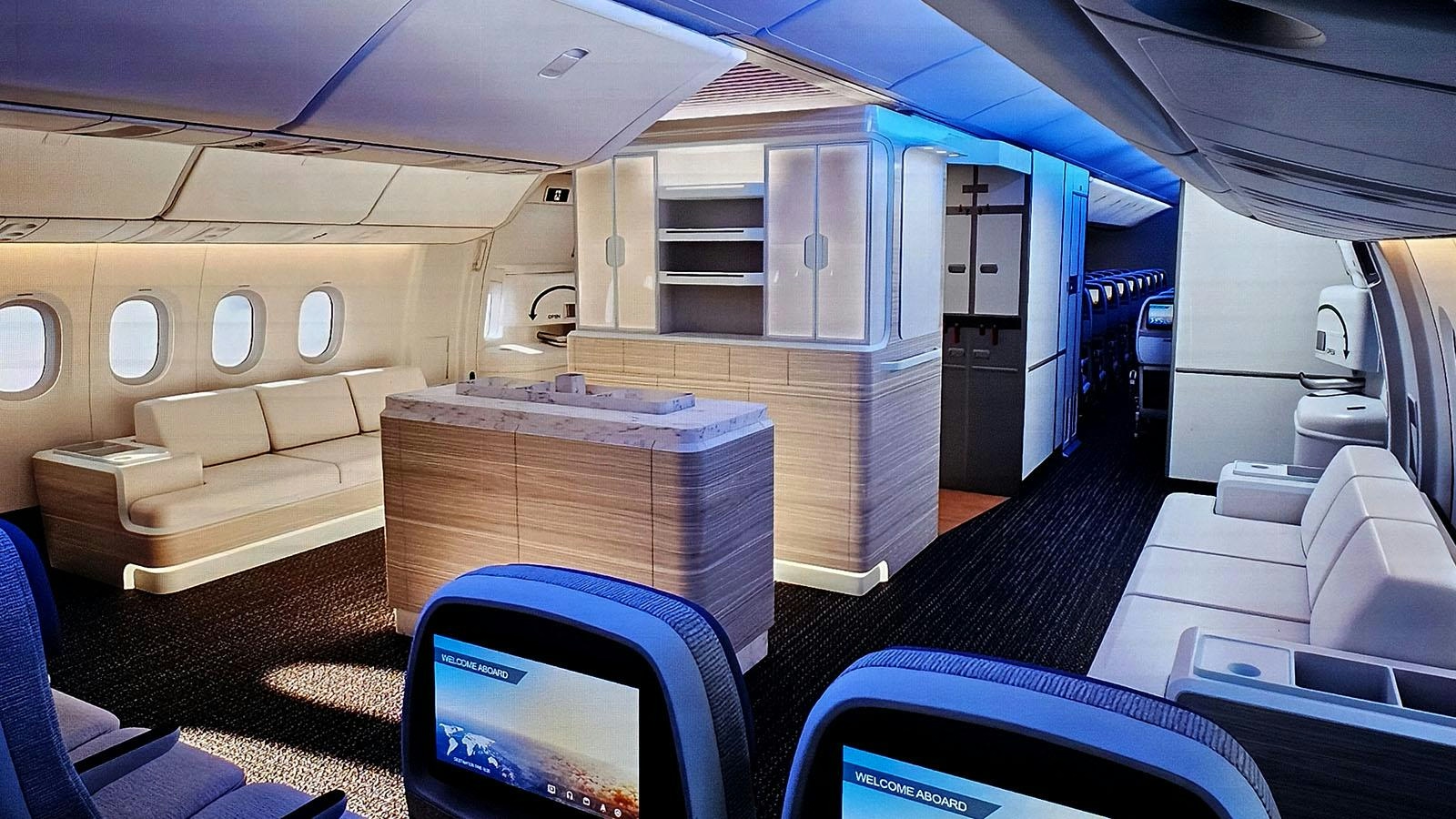
What Passengers Can Expect on Boeing’s New 777X Jet

How Ethiopian Airlines Became Africa’s Leading Carrier Amid Gulf Competition
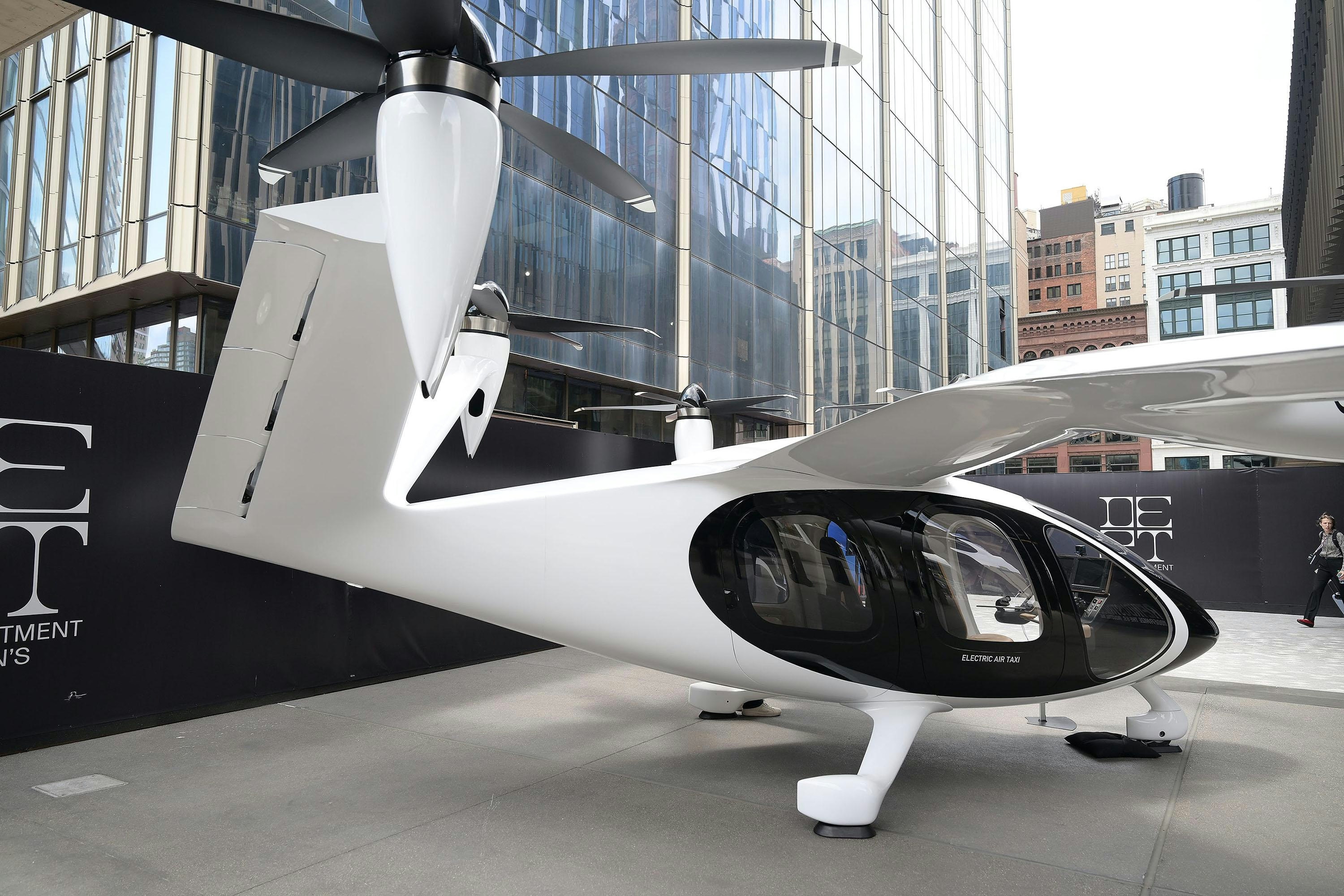
Joby Aviation Extends Autonomous Flight Capabilities with Cross-Country Tour
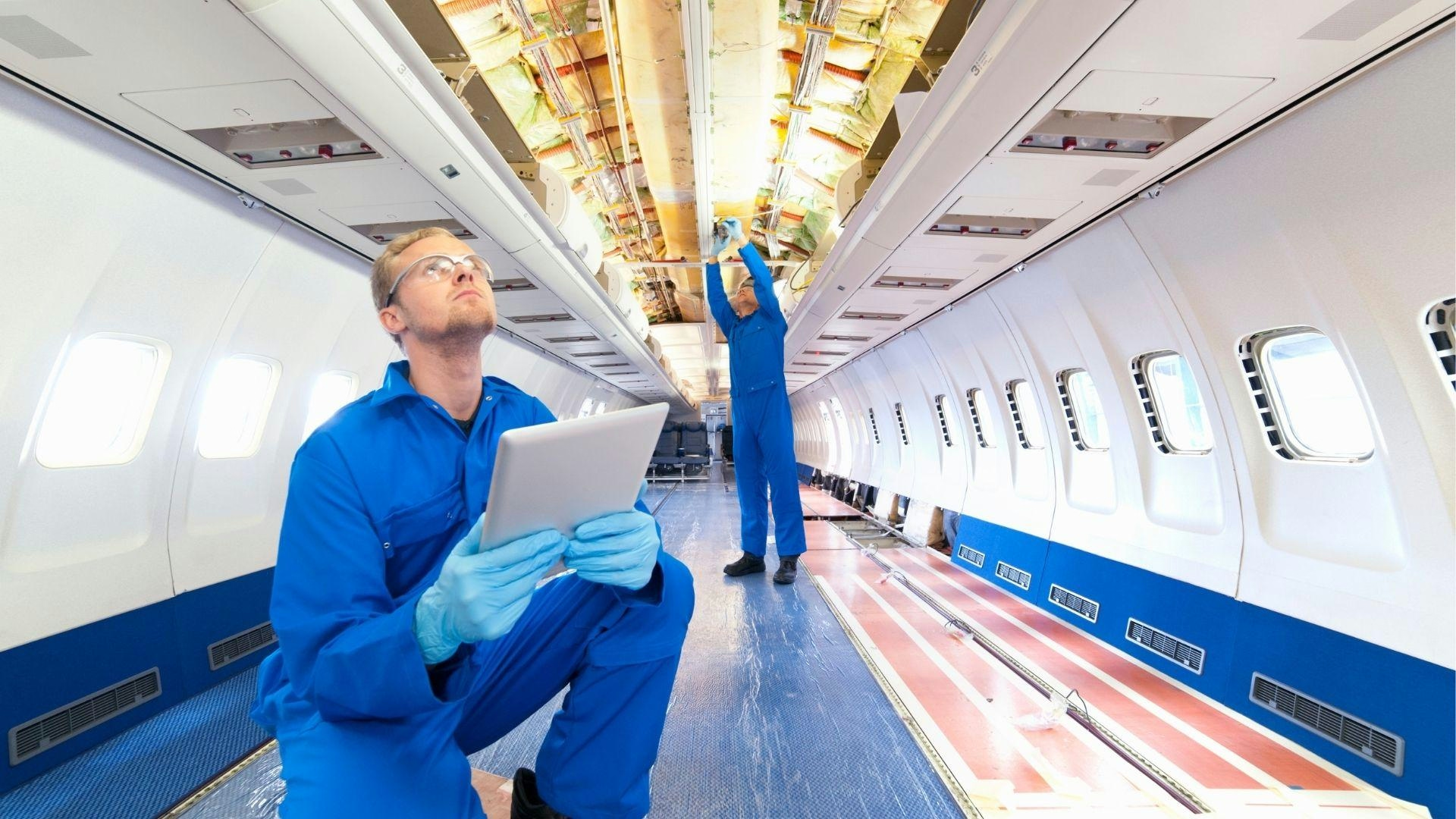
Strengthening Europe's Aviation Supply Chain Amid Uncertainty
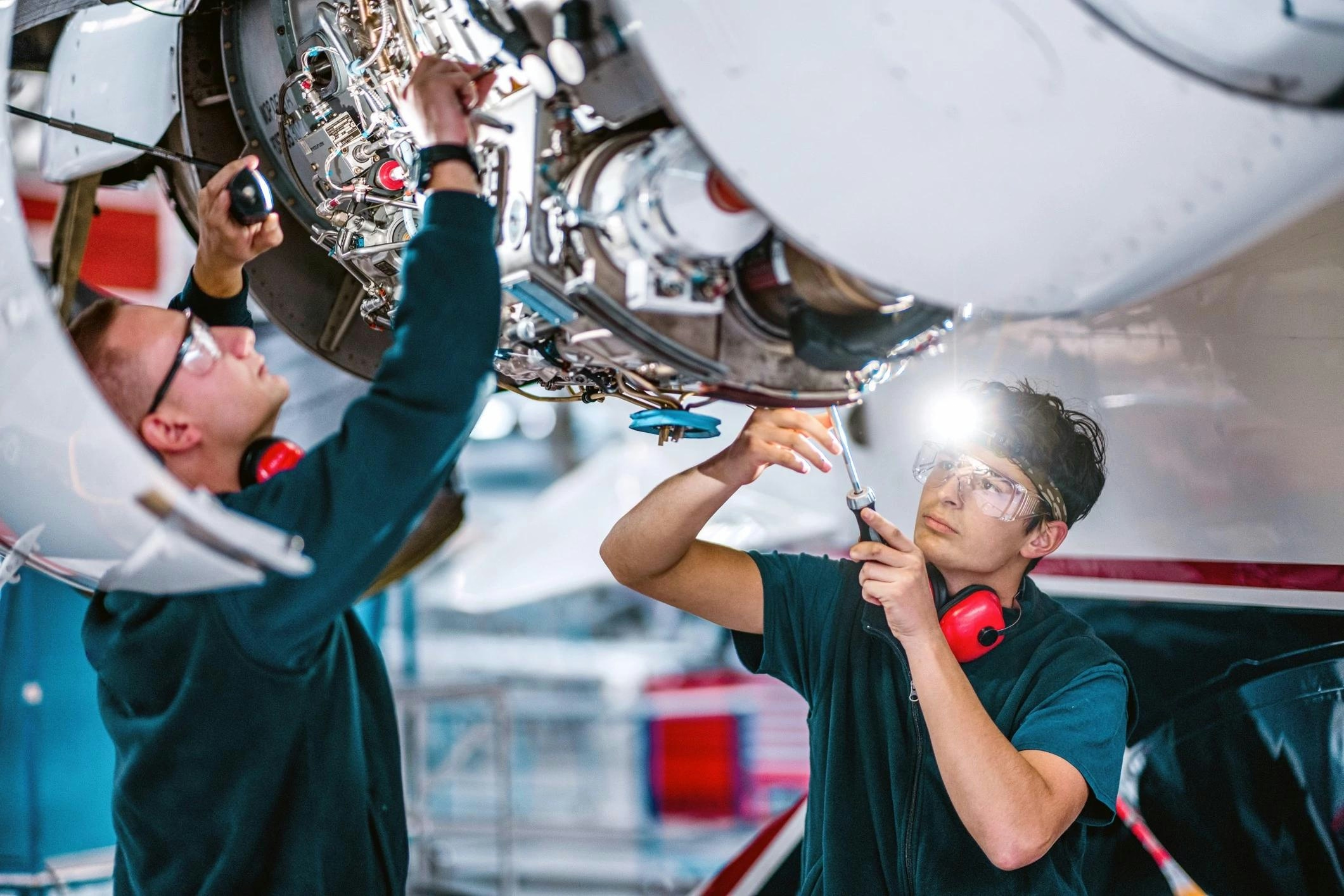
The Evolution of the Aircraft Maintenance Engineer Role
