
将人工智能洞察转化为可执行行动

热门趋势
Categories
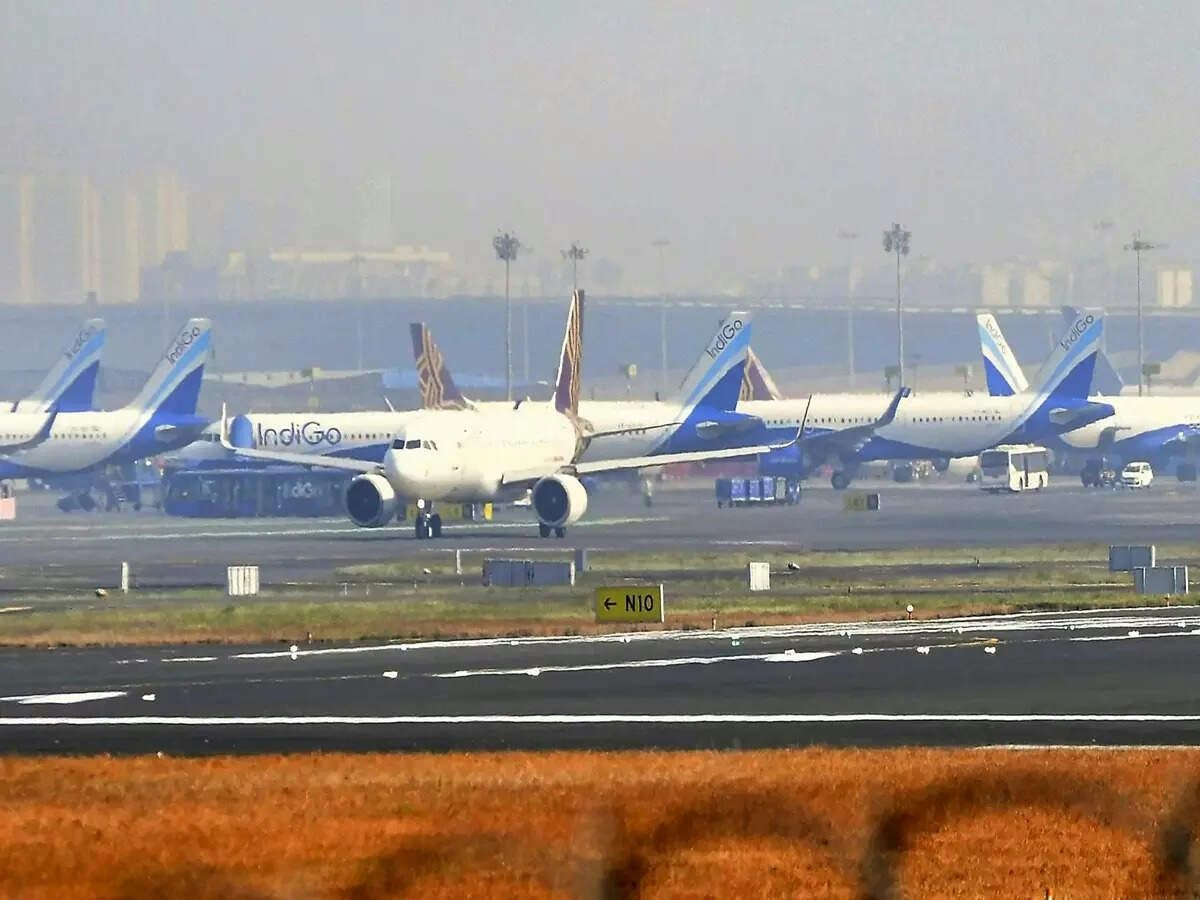
Air India and IndiGo Aircraft Wings Collide at Mumbai Airport
Air India and IndiGo Aircraft Wings Collide at Mumbai Airport
Incident Overview
On Tuesday, a minor collision occurred between an IndiGo aircraft and an Air India plane at Mumbai’s Chhatrapati Shivaji Maharaj International Airport. The incident took place when IndiGo flight 6E 791, arriving from Hyderabad, was taxiing after landing and its wingtip made contact with the wing of Air India flight AI 2732, which was stationary on the taxiway awaiting departure to Coimbatore. Both aircraft sustained minor damage, but no passengers or crew were injured.
Airline Responses and Safety Measures
Both IndiGo and Air India issued statements confirming the incident. IndiGo emphasized that all passengers were safe and had disembarked after the aircraft was parked. The airline noted that the affected aircraft was undergoing maintenance inspections and that authorities had been promptly informed. IndiGo reiterated that the safety and security of its customers, crew, and aircraft remain its highest priority, and an investigation is currently underway.
Air India reported damage to its aircraft’s wingtip, resulting in the grounding of the plane for technical checks as a precautionary measure. The airline confirmed that all passengers were safely disembarked and that alternative travel arrangements were being made. The incident was formally reported to the Directorate General of Civil Aviation (DGCA), which has since launched an investigation.
Context and Implications
This collision occurs amid ongoing challenges for IndiGo, which has experienced significant operational disruptions over the past year, including a major system breakdown in 2025 and regulatory penalties. The latest incident is expected to intensify scrutiny from the DGCA and may lead to further fines, raising concerns about IndiGo’s operational resilience and management effectiveness. The airline’s leadership is under increasing pressure to address these issues and restore confidence among regulators and passengers.
Air India may also face heightened demands to review and enhance its safety protocols and operational efficiency. The aviation market is likely to monitor both carriers’ safety records closely following the incident, with potential implications for investor confidence and stock performance. Competitors may leverage the situation to underscore their own safety standards, potentially influencing passenger preferences and altering market dynamics as stakeholders reassess airline reliability.
The DGCA’s ongoing investigation aims to determine the cause of the collision and implement measures to prevent similar incidents in the future. Both airlines are cooperating fully with regulatory authorities as the inquiry progresses.

Etihad Airways Suspends Airbus A380 Flights on Key Route

Aditya Birla Group Seeks Approval for Aircraft Leasing in GIFT City

Qatar Airways Highlights Innovation and Connectivity at Arabian Travel Market 2026

Hong Kong's Five-Year Plan Includes Andrew Fan's Aircraft Parts Processing Hub Proposal

ACIA Aero Leasing Delivers ATR72-600 to Air Nostrum

RTX Appoints Jill Albertelli as Head of Pratt & Whitney

TAT Technologies Joins Beyond Aero Hydrogen Aircraft Program

AURAK Study Highlights Barriers to Air Taxi Adoption in Emerging Economies

Xiamen Air Selects Altitude for 787 Maintenance at Heathrow

Etihad and Swissport Extend Global Partnership
