
将人工智能洞察转化为可执行行动

热门趋势
Categories
Alaska and Hawaiian Airlines Integrate Cargo Operations Using IBS Software
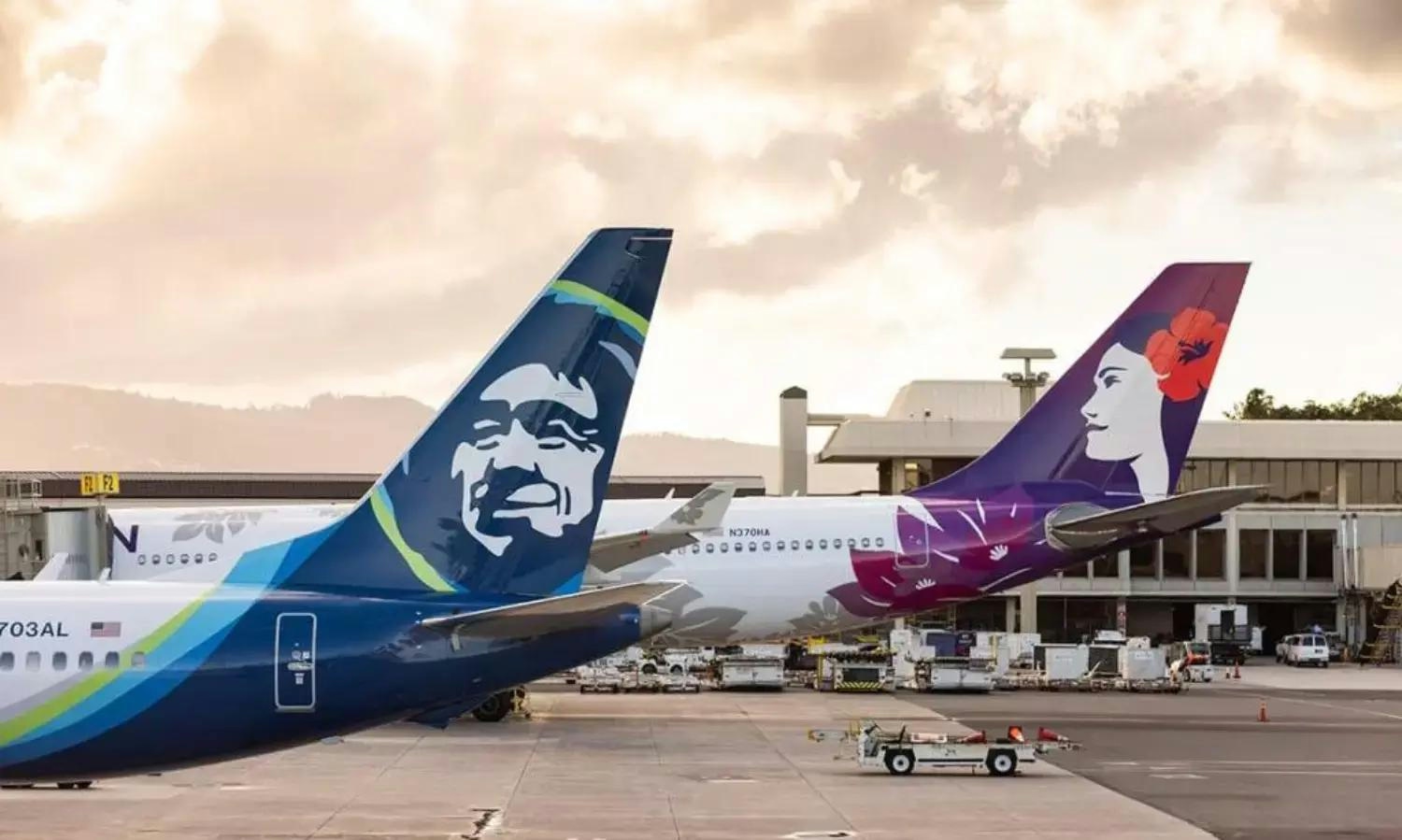
Alaska and Hawaiian Airlines Consolidate Cargo Operations on IBS Software Platform
ATLANTA, May 27, 2026 – Alaska Airlines and Hawaiian Airlines have completed the integration of their cargo operations onto a single digital platform by migrating Hawaiian Air Cargo onto IBS Software’s iCargo system. This move replaces Hawaiian’s legacy cargo management system and extends Alaska’s use of iCargo, which it adopted in 2022. The consolidation represents a significant advancement in streamlining cargo services across both carriers, standardizing policies, billing, and freight tracking throughout their combined network.
Customers now benefit from a unified online portal that facilitates seamless booking, shipping, and tracking of cargo across more than 115 destinations served by the airlines’ combined 1,300 daily flights. This integration enhances operational efficiency and customer experience by providing a consistent interface for cargo management.
Operational Enhancements and Industry Implications
By adopting IBS Software’s AI-driven iCargo platform, Alaska and Hawaiian Airlines have gained real-time visibility into shipments across their entire network. This unified system improves decision-making speed, service reliability, and coordination among operational teams. It also reduces manual processes and minimizes errors that often arise when data is transferred between disconnected systems. Export, import, and warehouse operations now follow a single, streamlined workflow, enabling faster responses to disruptions and elevating customer service standards.
IBS Software’s expertise in managing large-scale cargo migrations was pivotal in ensuring a smooth transition without interrupting live operations. The integration also enables Alaska Airlines to extend its GoldStreak Package Express service—a next-flight-out solution for urgent shipments such as medical supplies and legal documents—across the Hawaiian Islands for the first time, introducing this valued domestic service to a new market.
The consolidation occurs amid intensifying competition in the U.S. cargo market. Delta Air Lines, with a strong presence in Seattle and ongoing international expansion, is expected to respond by enhancing its own cargo operations and service offerings to maintain market share. The merger of Alaska and Hawaiian’s cargo networks may prompt further competitive responses from Delta and other carriers.
Despite the clear operational benefits, merging two large airline cargo networks presents challenges. Aligning disparate systems and processes while maintaining efficiency requires careful management. Additionally, the integration may attract regulatory scrutiny as authorities evaluate its impact on market competition and service standards.
Leadership Insights
Ian Morgan, Vice President of Alaska Cargo, emphasized the strategic importance of the integration: “Bringing Hawaiian Air Cargo onto iCargo was a logical and necessary step following the combination. With iCargo as our single platform, we have a consistent, reliable foundation that supports how we operate today and gives us the scalability to grow. This improved system allows us to focus our resources on providing the exceptional care for our customers that they have come to know and love from Alaska and Hawaiian.”
Radhesh Menon, Vice President and Head of Cargo and Logistics Solutions at IBS Software, highlighted the operational complexities involved: “The complexity of running parallel systems after a merger is a real operational burden. This integration reflects iCargo’s ability to support carriers through complex consolidations and deliver a platform built for long-term scale.”
About Alaska and Hawaiian Air Cargo
Together, Alaska and Hawaiian Air Cargo offer a comprehensive range of shipping products, a history of cold-chain innovations, and dedicated customer service. Alaska Air Cargo remains the only U.S. passenger airline operating dedicated cargo planes, serving 19 communities across Alaska. Both carriers continue to expand their reach and capabilities through this unified platform, positioning themselves for future growth in the competitive air cargo market.

Etihad Airways Suspends Airbus A380 Flights on Key Route

Aditya Birla Group Seeks Approval for Aircraft Leasing in GIFT City

Qatar Airways Highlights Innovation and Connectivity at Arabian Travel Market 2026

Hong Kong's Five-Year Plan Includes Andrew Fan's Aircraft Parts Processing Hub Proposal

ACIA Aero Leasing Delivers ATR72-600 to Air Nostrum

RTX Appoints Jill Albertelli as Head of Pratt & Whitney

TAT Technologies Joins Beyond Aero Hydrogen Aircraft Program

AURAK Study Highlights Barriers to Air Taxi Adoption in Emerging Economies

Xiamen Air Selects Altitude for 787 Maintenance at Heathrow

Etihad and Swissport Extend Global Partnership
