图像

将人工智能洞察转化为可执行行动

立即加入 AeroGenie 候补名单!

热门趋势

Categories

Boeing Expedites Delivery of TAAG Angola’s Second 787-9
October 1, 2025By ePlane AI
Boeing Expedites Delivery of TAAG Angola’s Second 787-9
0
0
Boeing 787-9
TAAG Angola Airlines
Fleet Modernization

Boeing Expedites Delivery of TAAG Angola’s Second 787-9 Amid Fleet Renewal Efforts

TAAG Angola Airlines has secured an accelerated delivery schedule for its second Boeing 787-9 Dreamliner, registration D2-TER (msn 66913), now expected to arrive in early October 2025—two years ahead of the original timeline. This advancement follows successful negotiations with Boeing and forms a key component of TAAG’s broader strategy to modernize its fleet. Initially, the aircraft will be delivered with economy and premium economy cabins, reflecting Boeing’s current production availability. TAAG has indicated that future cabin reconfigurations may be implemented to better align with the preferences of both Angolan and international passengers.

The airline’s original order, placed in October 2023, includes four Boeing 787s—two 787-9s and two 787-10s—acquired as whitetail aircraft with plans for subsequent customization. The first 787-9, D2-TEQ (msn 66877), is now slated for delivery on January 29, 2025, following a delay from the initial December 2024 target. Delivery dates for the larger 787-10 models remain uncertain, having shifted from February to a projected July-August 2025 timeframe. These new Dreamliners are intended to gradually replace TAAG’s aging fleet of three Boeing 777-200ERs and five 777-300ERs.

This expedited delivery occurs amid significant challenges for Boeing, including supply chain disruptions, production bottlenecks, and the pressure to maintain quality standards under compressed schedules. The move also reflects the intensifying competition in the widebody aircraft market, where Airbus and other manufacturers are actively pursuing market share. Recent industry developments, such as Lufthansa’s fleet simplification initiatives and Turkish Airlines’ substantial Boeing 787 orders, underscore the competitive dynamics that may influence delivery schedules and marketing strategies across the sector.

TAAG’s fleet renewal extends beyond Boeing, with the airline recently receiving its third Airbus A220-300 in June 2025 and anticipating a fourth later in the year. These aircraft are part of a 15-unit order aimed at supporting TAAG’s regional expansion plans.

Financial Backing and Ongoing Challenges

To support its ambitious fleet renewal, TAAG has benefited from significant state-backed financial guarantees. Angola’s President João Lourenço authorized a USD 200 million sovereign guarantee to facilitate the purchase of two whitetail 787s and a spare engine, according to Valour Econômico. This financing arrangement, coordinated through JP Morgan and Afreximbank, will be disbursed in stages and activated following the first aircraft delivery, with TAAG incurring a 1% fee for the guarantee. This follows an earlier USD 110 million state guarantee approved in January 2025 to cover advance payments on three 787s. Additionally, in July 2025, TAAG secured approximately USD 297 million in financing from the US Export-Import Bank to support acquisitions of 787-10s and General Electric engines.

Despite these substantial investments, TAAG continues to grapple with significant financial difficulties. The airline reported a net loss of AOA 134.2 billion (USD 146.6 million) for 2024, a marked increase from the AOA 90.1 billion (USD 98.4 million) loss recorded in 2023. Negative equity stood at AOA 21.4 billion (USD 23.3 million), according to the latest figures from Angola’s Institute of Asset Management and State Holdings (IGAPE). Although revenue rose by 35% year-on-year to AOA 373.4 billion (USD 408 million), largely driven by currency effects, losses widened due to escalating operating and financing costs, a 12% depreciation of the local currency, and persistent structural inefficiencies. The airline’s continued reliance on state support raises critical questions about the long-term financial sustainability of its fleet modernization ambitions.

More news
Adobe Warns AI-Driven Trip Planning Challenges Travel Sites

Adobe Warns AI-Driven Trip Planning Challenges Travel Sites

Adobe Warns AI-Driven Trip Planning Challenges Travel Sites The Rise of AI in Travel Planning When Jesse Middleton, a venture capitalist at Flybridge Capital, needed to arrange travel from New York City to Cancun for a wedding, he bypassed traditional travel websites such as Expedia, Travelocity, Kayak, and airline portals. Instead, an AI agent managed the entire process—searching flights across all NYC airports, utilizing unused JetBlue credits, and booking his family’s reservation, ultimately saving him money. Middleton’s experience exemplifies a growing trend as artificial intelligence increasingly transforms how travelers research and book trips. New research from Adobe reveals a significant surge in AI-driven traffic to travel websites, with a 119 percent year-over-year increase recorded in July 2026. Although this growth is somewhat lower than the 194 percent spike observed in May, it highlights the rapid adoption of AI tools in the travel sector. Travelers primarily use large language models (LLMs) for research and inspiration, each accounting for 43 percent of usage, followed by transportation planning at 41 percent and itinerary creation at 34 percent. Importantly, 84 percent of respondents reported that AI enhanced their overall travel experience. Shifting Conversion Dynamics and Industry Readiness The influence of AI extends beyond traffic volume to conversion rates. In May, AI-generated visits converted at a rate 28 percent lower than non-AI sources, but by July, this gap had narrowed dramatically to just one percent. Visits driven by LLMs are now nearly as valuable as those originating from traditional channels such as search engines or email campaigns. Despite these promising trends, Adobe cautions that many U.S. travel and retail websites remain inadequately prepared for the AI-driven shift. A significant portion of these sites are not machine-readable, limiting their visibility in AI-powered search results across platforms including Microsoft Copilot, OpenAI’s ChatGPT, Anthropic’s Claude, Perplexity, and Google’s Gemini. Adobe’s AI Content Visibility Checker found that hotel homepages scored an average readability of 71 percent, cruise lines 70 percent, car rental services 64 percent, and airlines only 42 percent. Product pages generally fared better, with cruise itineraries at 76 percent, car rental options at 73 percent, and airline fare pages at 59 percent. Hotels were an exception, with product pages scoring lower than their homepages. This challenge is not confined to travel alone. Adobe also reported a 62 percent year-over-year increase in AI traffic to U.S. retail sites in July 2026, underscoring a broader shift in consumer behavior driven by AI. In response, companies such as Booking and Airbnb have reported positive returns on AI investments, noting significant reductions in support costs and improved issue resolution rates without human intervention. Industry Response and the Future of Travel Search Competition within the travel sector is intensifying as companies race to integrate AI capabilities. Expedia recently acquired the AI trip-planner Layla to enhance its suite of specialized AI agents, while Travellers Choice is preparing to launch an AI-driven search engine. These developments reflect the industry’s urgent need to adapt as AI becomes central to customer engagement and operational efficiency. For years, travel organizations have invested heavily in search engine optimization to secure prominent positions in traditional search results. Now, with 95 percent of AI tool users expressing trust in AI-generated answers comparable to conventional search results, according to Adobe, the pressure on travel brands to ensure their content is machine-accessible has never been greater. Failure to do so risks losing visibility and bookings to competitors better equipped for the AI era.
The Global Parts Shortage

The Global Parts Shortage

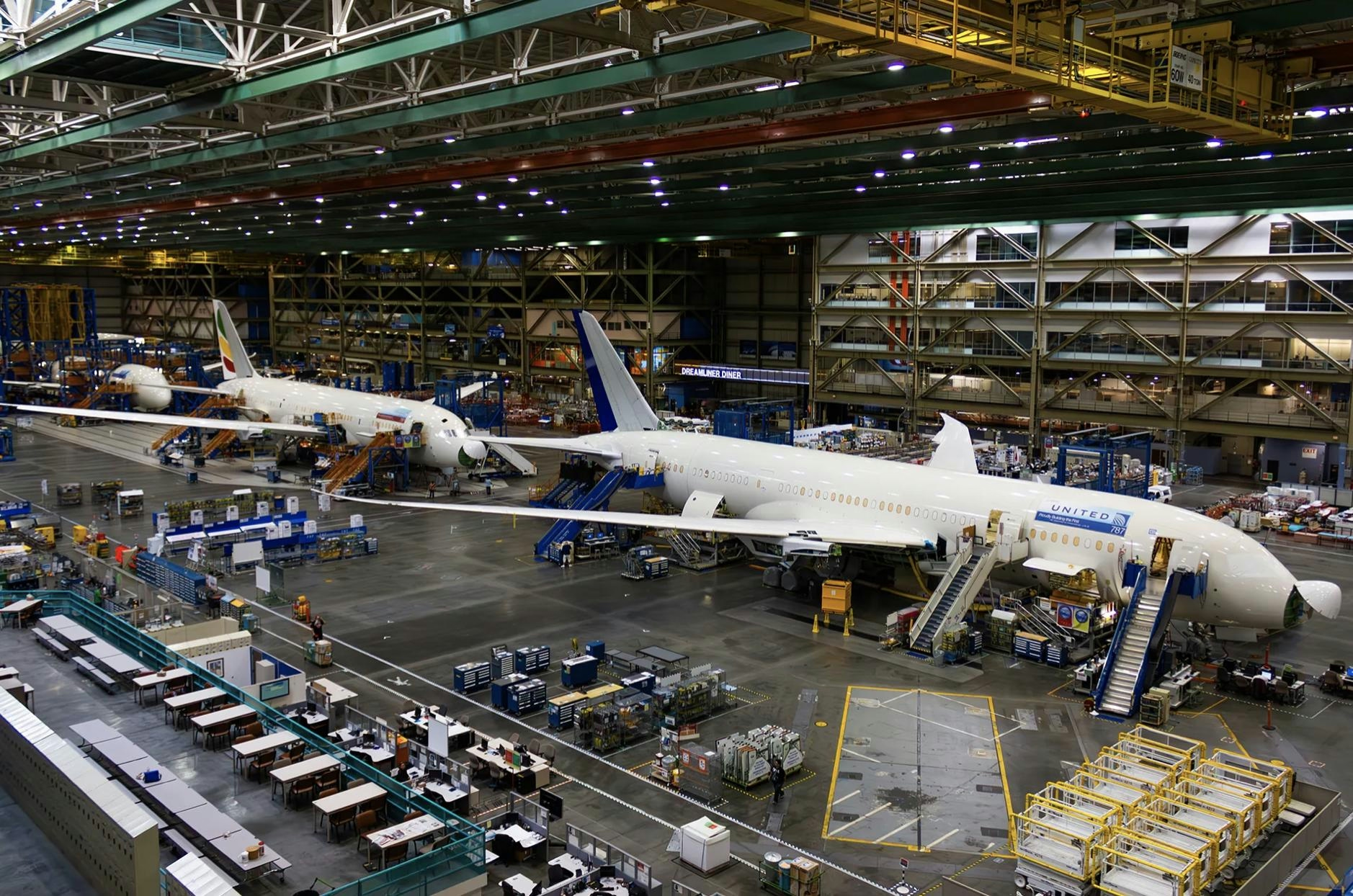
The Global Parts Shortage in Aviation and Beyond A recent survey has identified parts and supply chain pressures as the foremost challenge confronting general aviation maintenance today, reflecting a broader pattern of disruption across multiple industries. TBX, a company specializing in workflow and compliance software for aviation maintenance shops, released its annual survey earlier this year and subsequently published a focused report titled *“The Great Parts Squeeze.”* This report delves into the escalating difficulties faced by maintenance providers in sourcing essential aircraft components. Challenges in Aviation Maintenance Supply Chains TBX officials highlight that the convergence of original equipment manufacturer (OEM) consolidation, discontinued production runs, and a shrinking maintenance workforce has transformed the procurement of even basic parts into a persistent operational challenge. The company noted, “Between OEM consolidation, discontinued production runs, and a maintenance workforce stretched thinner every year, the simple act of sourcing a part has become one of the most persistent operational headaches for shops across the industry.” This situation has placed considerable strain on maintenance operations, complicating scheduling and customer service. The 2026 General Aviation Parts Survey conducted by TBX seeks to amplify the voices of mechanics and maintenance shops—key stakeholders often overlooked in broader industry analyses. By collecting direct feedback from those who source, install, and certify aircraft parts daily, the survey aims to identify the sector’s most pressing pain points, emerging trends, and potential avenues for improvement. TBX hopes these insights will inform aircraft owners, manufacturers, distributors, suppliers, regulators, and trade associations, fostering evidence-based solutions to reinforce the maintenance ecosystem. Time, rather than price, has emerged as the critical pressure point within general aviation. Maintenance professionals report significant hours lost in searching for parts, managing customer expectations, and navigating scheduling complexities—challenges intensified by difficulties in recruiting and retaining qualified technicians. Shop owners also face mounting pressure from customers operating older aircraft who expect legacy pricing despite the realities of modern supply chains. The survey reveals widespread dissatisfaction: 72% of respondents expressed frustration with pricing, while 59% cited lead times as a major concern. Industry consolidation has driven price increases ranging from 100% to 400%, often without corresponding improvements in support services. TBX warns that unless rising costs are accompanied by enhanced support, operators may be compelled to cut corners, potentially jeopardizing two decades of safety advancements. Notably, larger maintenance shops with dedicated parts staff report the most acute difficulties, challenging assumptions that smaller operations would bear the brunt of the shortage. Broader Industry Impacts and Responses The challenges faced by aviation maintenance are emblematic of a global parts shortage affecting diverse sectors, including automotive and technology. Particularly acute are shortages in semiconductor and memory chip supplies, driven by surging demand from artificial intelligence applications and data center expansion. Samsung projects that these shortages will intensify through 2027 and persist until at least 2028. The repercussions are already evident: Apple has increased prices on MacBooks and Macs, while automakers such as Ford reported a $1.3 billion net loss in the second quarter, attributing part of the decline to electric vehicle-related charges and ongoing difficulties in securing critical components. In response to these persistent supply chain disruptions, companies across industries are adopting new strategies. Automakers, for example, are forming partnerships—such as the renewed software collaboration between Nissan and Honda—and exploring artificial intelligence-driven sales tools to adapt to the evolving landscape. The global parts shortage is reshaping operational practices, pricing structures, and customer expectations across sectors, with no immediate resolution in sight.
GE Aerospace's Robust Capital Position Fuels Higher Shareholder Returns
GE Aerospace's Robust Capital Position Fuels Higher Shareholder Returns

GE Aerospace's Robust Capital Position Fuels Higher Shareholder Returns Strong Financial Performance and Shareholder Initiatives GE Aerospace, a prominent designer and manufacturer of jet engines and integrated systems for military, commercial, and business aircraft, continues to capitalize on its solid capital foundation to enhance shareholder value. The company’s extensive portfolio, featuring flagship engines such as the LEAP, GE9X, and GEnx, has been instrumental in sustaining its financial resilience and supporting a series of shareholder-friendly measures. In the first half of 2026, GE Aerospace repurchased $4.2 billion in shares and distributed $873 million in dividends, representing a 26.9% increase compared to the same period last year. In 2025, the company returned $1.45 billion in dividends and executed $7.55 billion in share buybacks. These efforts are part of a broader capital allocation strategy, with share repurchases now proceeding under a new $20 billion authorization approved in December 2025. Furthermore, in February 2026, GE Aerospace raised its dividend by 30.6% to 36 cents per share. Looking forward, the company projects free cash flow between $8.9 billion and $9.2 billion for 2026, significantly exceeding its earlier guidance of $8.0 billion to $8.4 billion. GE Aerospace has announced plans to increase total shareholder returns by 20% to approximately $24 billion over the 2024–2026 period, combining dividends and share repurchases. As of the end of the second quarter, the company held $9.3 billion in cash and equivalents, comfortably surpassing its $2 billion in short-term borrowings, underscoring a strong liquidity position. Market Dynamics and Competitive Landscape GE Aerospace’s financial strength emerges amid intensifying competition within the aerospace sector. Competitors such as General Dynamics have raised their outlooks for key divisions, including Gulfstream and shipbuilding, reflecting heightened efforts to capture market share. Meanwhile, GE Aerospace has secured significant new contracts, notably AerCap’s selection of GEnx engines for 15 Dreamliners and Philippine Airlines’ choice of GEnx engines for its new 787-10 fleet. These contract wins underscore GE’s competitive advantage while highlighting a broader industry trend: a robust market for maintenance, repair, and overhaul (MRO) services. While GE’s strong aftermarket business remains a key revenue driver, it also suggests that original equipment manufacturers like Airbus and Boeing may be facing challenges in meeting new aircraft demand, potentially altering competitive dynamics within the sector. Peer Performance and Market Sentiment Other industry players are similarly emphasizing shareholder returns. In the first half of 2026, 3M Company paid $0.8 billion in dividends and repurchased $3 billion in shares, with $1.8 billion remaining under its buyback program. The company also increased its quarterly dividend by 6.8% in February 2026. Howmet Aerospace paid $97 million in dividends, raised its dividend by 17% in July 2026, and repurchased $800 million in shares year-to-date. GE Aerospace’s shares have appreciated by 3% over the past six months, outperforming an industry decline of 10%. The stock trades at a forward price-to-earnings ratio of 40.15, above the industry average of 33.51, and holds a Value Score of D. Analyst sentiment remains cautiously optimistic, with consensus earnings estimates for 2026 and 2027 rising over the past two months. Currently, GE Aerospace carries a Zacks Rank #3 (Hold), reflecting a balanced outlook amid a dynamic and competitive market environment.
AI Advances Support Sustainable Aviation and Efficient Flight Paths

AI Advances Support Sustainable Aviation and Efficient Flight Paths

AI Advances Support Sustainable Aviation and Efficient Flight Paths The aviation industry is increasingly leveraging artificial intelligence (AI) alongside innovative flight path strategies to mitigate its environmental impact. A pioneering British-led trial, conducted across the North Atlantic, is examining whether minor altitude adjustments can substantially reduce the climate effects of air travel without necessitating new aircraft designs, engines, or alternative fuels. Operation Blue Skies: Integrating AI with Flight Management Central to this effort is Operation Blue Skies, a research initiative supported by the British government. Over the course of two winters, hundreds of commercial flights traversing the northeast Atlantic will participate in the study. The primary objective is to assess whether small altitude changes—sometimes as little as a few hundred meters—can effectively prevent the formation of contrails. These condensation trails, under certain atmospheric conditions, contribute to global warming by trapping heat in the atmosphere. Google UK plays a crucial role in the project by supplying AI-driven forecasts that identify regions where contrails are most likely to develop. During designated testing periods, air traffic controllers will direct selected flights to adjust their altitude by up to 2,000 feet (approximately 610 meters) to avoid these high-risk zones. These altitude modifications are modest, remain within standard operational limits, and are coordinated through existing air traffic control systems to ensure safety and efficiency. Addressing Aviation’s Complex Emissions Beyond CO₂ While carbon dioxide (CO₂) emissions remain the primary focus in evaluating aviation’s environmental footprint, the sector’s impact is further complicated by high-altitude phenomena such as contrails and aircraft-induced clouds. These factors exacerbate the challenge of achieving climate neutrality. Although advancements in aircraft efficiency, sustainable aviation fuels (SAF), electrification, and novel propulsion technologies are integral to long-term solutions, optimizing flight operations through altitude adjustments offers an immediate and practical approach. Sustainable aviation fuel is widely regarded as a vital component in reducing aviation’s carbon footprint, given its compatibility with existing aircraft without requiring significant modifications. However, the current supply of SAF is limited, and the prospect of direct electrification remains distant for medium- and long-haul flights, underscoring the need for complementary strategies like those explored in Operation Blue Skies. Navigating Market and Regulatory Challenges Despite the potential benefits of AI-driven interventions, the aviation industry faces considerable hurdles in integrating advanced technologies. As one of the most heavily regulated sectors, aviation must contend with complex approval processes that could delay the adoption of AI systems and increase operational costs. Furthermore, the expanding role of AI in aviation may prompt shifts in market dynamics, including reassessments of AI’s long-term revenue potential. This could lead to market corrections or deflation, with competitors responding variably—some absorbing higher costs, others expressing concerns over sudden price fluctuations. Future Outlook Although aviation currently accounts for only 2 to 3 percent of global emissions, the anticipated growth in air travel demand makes addressing its environmental impact increasingly urgent. By combining AI, optimized flight paths, and sustainable fuels, the industry aims to advance toward more sustainable air travel. Success will depend on overcoming regulatory and market challenges to fully realize the potential of these technological and operational innovations.
Airbus Faces Freighter Deadline Amid Weak Order Growth and Stagnant Shares

Airbus Faces Freighter Deadline Amid Weak Order Growth and Stagnant Shares

Airbus Faces Critical Freighter Deadline Amid Weak Order Growth and Stagnant Shares Airbus is confronting a pivotal period this autumn, marked by a paradox between strong commercial achievements and a lackluster market response. Despite setting a record delivery pace and reporting a 12% increase in revenue to €33.2 billion in the first half of the year, the aerospace giant’s share price remains stagnant, reflecting investor concerns about its future trajectory. Commercial Developments and Strategic Shifts The company’s immediate commercial challenge centers on a significant potential deal with Biman Bangladesh Airlines, which is poised to finalize an order for ten aircraft by August 2026. This order includes four A350-900 widebodies and six A321neo narrowbodies, signaling a strategic departure for Biman, which has historically operated an all-Boeing fleet. The deal, confirmed by Bangladesh’s state minister for civil aviation, follows a recent $3.7 billion contract Biman signed for 14 Boeing jets. Airbus reportedly secured the order after revising its offer downward, reflecting competitive pressures and the airline’s move toward a mixed fleet strategy. This transition carries operational complexities, as Biman will need to lease up to ten aircraft to maintain capacity until the Airbus jets arrive in 2031, necessitating separate crew training and maintenance systems. The deal also carries political weight, with diplomatic backing from France, Britain, Spain, Germany, and the European Union underscoring its broader significance. Industrial Pressure: The A350F Freighter Program On the industrial front, Airbus faces a critical deadline with the maiden flight of its A350F freighter, now scheduled for the third week of September. The rollout, revealed in August adorned with the livery of a parcel carrier, initiates a compressed twelve-month certification process—a notably ambitious timeline given the aerospace industry’s frequent regulatory delays. Airbus aims to complete the first flight before the end of the year and begin deliveries in the latter half of 2027. The program has secured 107 firm orders from 14 customers, yet the narrow certification window leaves minimal margin for setbacks. This milestone is particularly significant as the widebody freighter market remains largely dominated by Boeing. A successful and timely entry in 2027 would provide Airbus with a rare opportunity to challenge Boeing’s longstanding supremacy in the airborne cargo sector. However, despite these efforts, investor sentiment remains cautious. Market participants are closely monitoring Airbus’s ability to maintain the rigorous pace required for certification and delivery, especially as the company’s share price shows little sign of recovery. Market Outlook and Strategic Initiatives In an effort to strengthen its order book, Airbus is also exploring additional opportunities through a pooled A400M plan involving NATO allies. While this initiative could offer some support, it has yet to generate significant enthusiasm among investors. As Airbus navigates these intertwined commercial and industrial challenges, the disconnect between its operational successes and market sentiment endures. The coming months, particularly the outcome of the A350F program, will be crucial in determining whether Airbus can restore investor confidence and solidify its position in both the passenger and freighter aircraft markets.
Integrated CNS System for Low-Altitude Aircraft

Integrated CNS System for Low-Altitude Aircraft

Integrated CNS System Set to Transform Low-Altitude Aircraft Operations The ANTENNAE project is at the forefront of developing an integrated Communication, Navigation, and Surveillance (CNS) system specifically designed for aircraft operating at low altitudes. Utilizing 3GPP 5G standards alongside next-generation hybrid terrestrial and non-terrestrial networks, ANTENNAE seeks to provide reliable and cost-effective CNS services for both piloted and unmanned aircraft. This includes applications within Innovative Air Mobility (IAM) and U-space operations, which are rapidly expanding sectors in urban airspace management. Limitations of Legacy CNS Systems Conventional CNS systems were originally engineered for manned aircraft flying at higher altitudes and depend on a combination of dedicated hardware such as ADS-B, VDL/ACARS, transponders, and SATCOM. Each component serves a distinct function, optimized primarily for airport environments and high-altitude flight corridors. However, these systems exhibit significant coverage gaps at lower altitudes due to ground obstructions and terrain interference. Extending legacy CNS infrastructure to adequately cover low-altitude airspace would entail substantial capital investment and ongoing operational expenses. Small unmanned aircraft face additional challenges with legacy CNS solutions. Their limited size and power capacity make it impractical to equip them with multiple, energy-intensive CNS devices. Even if these constraints were addressed, the existing systems lack the bandwidth necessary to accommodate the expected surge in low-altitude air traffic, such as the simultaneous operation of large fleets of delivery drones in urban settings. ANTENNAE’s Integrated CNS Solution In response to these challenges, ANTENNAE is developing a 3GPP-compliant CNS system that integrates communication, navigation, and surveillance functions into a single, energy-efficient platform. This consolidation reduces the need for extensive onboard hardware, lowers energy consumption, and enhances spectrum efficiency—factors critical to supporting the dense traffic anticipated in future urban air mobility scenarios. For instance, during peak delivery periods, swarms of drones will require real-time coordination to maintain safe separation and adhere strictly to designated flight paths. ANTENNAE’s integrated CNS infrastructure is designed to support such complex operations, enabling scalable and robust traffic management as well as effective airspace boundary protection. Emerging Challenges and Industry Impact The transition to integrated CNS systems introduces new complexities, foremost among them cybersecurity. Protecting the wireless networks that underpin CNS operations from evolving threats is essential to maintaining system integrity and safety. Furthermore, seamless integration with existing air traffic management frameworks is necessary to ensure operational continuity and efficiency. Regulatory compliance across multiple jurisdictions also presents a significant challenge, necessitating harmonization of standards and protocols on an international scale. The advancement of CNS technology is already influencing the broader aerospace and defense markets. Increased investment in air mobility infrastructure is anticipated as urban drone operations expand. Leading defense and aerospace firms, including Leonardo DRS and Lockheed Martin, are expected to enhance their air defense and counter-unmanned aircraft system capabilities in response to these developments. The U.S. Army’s ongoing efforts to acquire surface-to-air missile systems capable of neutralizing small drones highlight the growing demand for advanced detection and interception technologies. This need is likely to accelerate innovation in CNS solutions, as both civilian and military sectors seek more effective methods to manage and secure increasingly congested low-altitude airspace. As the ANTENNAE project progresses, its integrated CNS system has the potential to become a foundational element in the safe, efficient, and scalable operation of low-altitude aviation, shaping the future landscape of urban air mobility worldwide.
Chinese Robots Debut in Aviation and Military Roles at WRC 2026
Chinese Robots Debut in Aviation and Military Roles at WRC 2026

Chinese Robots Debut in Aviation and Military Roles at WRC 2026 At the 2026 World Robot Conference (WRC) in Beijing, Chinese companies unveiled a range of advanced humanoid and quadruped robots designed for aviation, security, and military applications. The five-day event, which opened on Wednesday, features over 300 exhibitors and highlights China’s rapid advancements in robotics technology. Demonstrations at the conference span from industrial patrols and suspect restraint to aircraft operations and battlefield logistics, underscoring the country’s growing capabilities in this strategic sector. Innovations in Aviation Robotics A centerpiece of the exhibition is the Fengxing-001, a humanoid robot developed by the Aviation Industry Corporation of China (AVIC). Standing 1.8 meters tall and weighing 80 kilograms, Fengxing-001 is engineered for intelligent manufacturing, aircraft maintenance, missile loading, and even direct aircraft operation. AVIC reports that two or three units of this robot can perform missile-loading tasks that typically require four to six human workers. The robot’s design incorporates compact motors derived from aero-engine technology, an electro-hydraulic hybrid-drive system, and aviation power-by-wire technology to enhance joint mobility. It is capable of jumping 30 centimeters, jogging at speeds up to 3 kilometers per hour, walking while carrying 20 kilograms, and handling loads of up to 15 kilograms. Having been under development since 2024, Fengxing-001 has already completed simulated trials involving aircraft operation based on instructions, potentially offering a cost-effective solution for converting older aircraft into unmanned platforms. AVIC estimates that a modified version of the robot could achieve such conversions at approximately one-tenth the cost of traditional methods. Expanding Security and Military Applications Security-focused robotics also took center stage at the WRC. Companies including China North Industries Group Corporation, NEXWISE, and the China Electronics Technology Group Corporation’s 21st Research Institute showcased robotic dogs and other autonomous security systems. Equipped with cameras and autonomous navigation capabilities, these robots are designed to patrol expansive industrial sites and make basic operational decisions, thereby reducing reliance on human patrols. Notably, NEXWISE demonstrated a robotic dog equipped with an electromagnetic net launcher capable of restraining targets from a distance, illustrating the expanding role of robotics in security and law enforcement operations. The conference also hosted the second World Humanoid Robot Games, which brought together 2,056 robots from 16 countries to compete in events such as long jump, weightlifting, and table tennis. This competition highlights the growing international reach and competitive spirit within the robotics sector. Market Momentum and Global Implications China’s robotics industry is experiencing significant market momentum. Unitree, a leading robotics firm, saw its stock surge by 629 percent during its debut on the Shanghai stock exchange, reflecting strong investor confidence. However, the rapid expansion of Chinese robotics in sensitive sectors such as aviation and defense has attracted increased regulatory scrutiny abroad, particularly from the United States, which has expressed national security concerns regarding Chinese technology. In response, global competitors are intensifying research and development efforts, forming strategic partnerships, and lobbying for policy measures aimed at countering China’s technological advances. As China continues to push the boundaries of robotics in high-risk and specialized fields, the 2026 World Robot Conference not only showcases the country’s technological ambitions but also highlights the complex global dynamics shaping the future of intelligent machines.
Kenya Airways Aims to Resume Operations of Grounded Fleet by Early 2027

Kenya Airways Aims to Resume Operations of Grounded Fleet by Early 2027

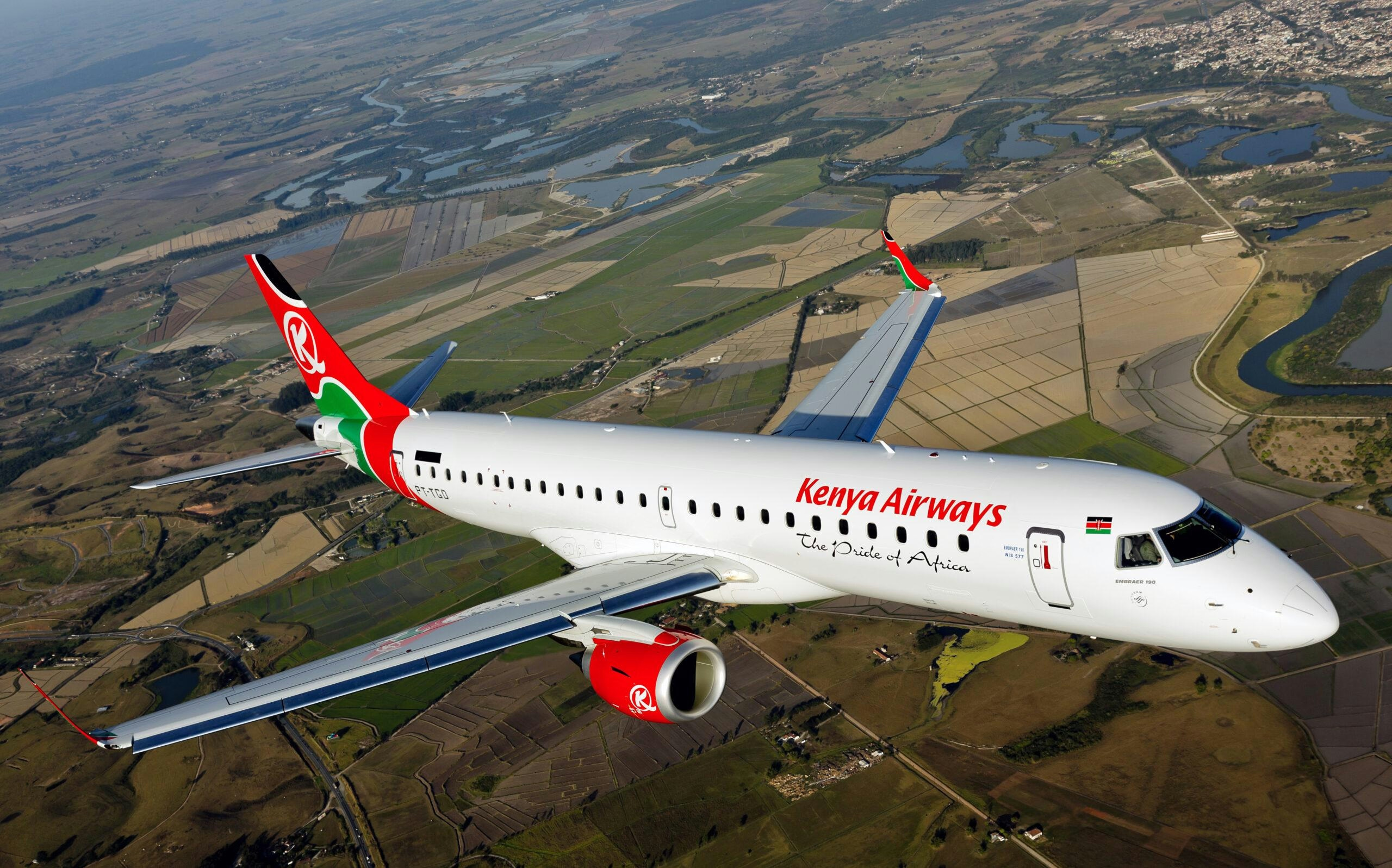
Kenya Airways Aims to Resume Operations of Grounded Fleet by Early 2027 Plans for Fleet Reactivation and Expansion Kenya Airways (KQ, Nairobi Jomo Kenyatta) has announced its intention to have its entire grounded fleet operational by early 2027. Speaking at a press conference in Nairobi on August 19, CEO George Kamal stated, “By January 2027, we expect to have the full Kenya Airways fleet back. Once we have our fleet back, we will be able to compete.” Currently, approximately one-third of the airline’s 35 aircraft remain inactive, with 10 planes grounded according to ch-aviation data. Alongside reactivating its existing fleet, Kenya Airways plans to expand by acquiring a second Boeing 777-300ER and two additional Boeing 737-800 aircraft. Challenges Amid Intensifying Competition and Regulatory Scrutiny The airline’s path to full operational capacity faces significant challenges. Kenya Airways is contending with heightened competition from regional carriers such as CemAir and Airlink, which have broadened their networks and strengthened their market presence following the exit of other airlines in the region. These competitors are expected to respond to Kenya Airways’ return with aggressive pricing and expanded routes to protect their market share. Moreover, the resumption of operations after a prolonged grounding period is likely to attract increased scrutiny from both regulators and passengers. Concerns regarding safety and service quality will be paramount as the airline seeks to restore confidence and meet international aviation standards. Kenya Airways must also address technical issues related to its grounded aircraft, ensuring all planes comply with stringent regulatory requirements before returning to service. The airline’s management has underscored its commitment to safety and compliance as it pursues the 2027 reactivation target. As Kenya Airways advances its recovery plan, its ability to manage competitive pressures, regulatory demands, and operational hurdles will be crucial in reestablishing its position within the regional aviation market.
Avora Aviation Completes A320 Sale-Leaseback Agreement with FTAI
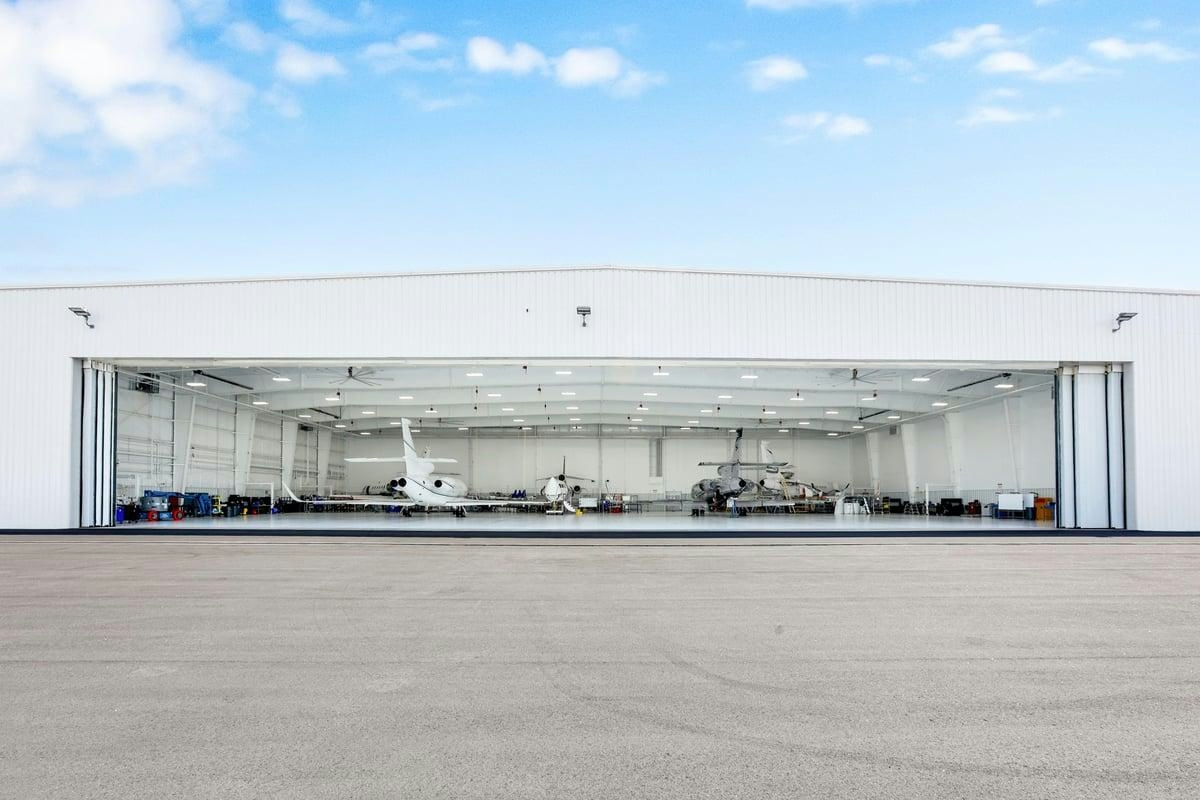
Avora Aviation Completes A320 Sale-Leaseback Agreement with FTAI

Avora Aviation Completes A320 Sale-Leaseback Agreement with FTAI Strategic Transaction Amidst Intensifying Market Competition Dubai-based Avora Aviation has finalized a sale-and-leaseback agreement with FTAI Aviation involving one Airbus A320 aircraft, MSN 5931. The aircraft is scheduled to enter service with Fly2Sky Airlines in August 2026, supporting the carrier’s ongoing fleet renewal and restructuring efforts. This transaction forms part of Fly2Sky’s broader strategy to modernize its operations and enhance efficiency. For Avora Aviation, the deal represents a strategic initiative to advance its comprehensive aviation platform, which includes aircraft leasing, trading, and airline operations. By utilizing the sale-and-leaseback model, Avora aims to unlock capital that can be reinvested to drive growth across its various aviation business segments. This approach aligns with the company’s broader fleet and capital management objectives, enabling greater financial flexibility. Market Dynamics and Industry Implications The agreement comes at a time of heightened competition within the aircraft leasing sector. Industry players such as Avolon have recently completed comparable transactions, including a significant deal with Akasa Air. This surge in sale-and-leaseback activity is intensifying rivalry among lessors, potentially encouraging airlines to negotiate more favorable lease terms and exerting downward pressure on leasing rates across the market. Financial analysts and market observers are closely monitoring the creditworthiness and financial stability of both Avora Aviation and FTAI Aviation in light of these developments. The perceived robustness of these companies will have implications for their credit ratings and investor confidence. Moreover, the broader aviation sector is attentive to how such transactions will influence the long-term viability of sale-and-leaseback arrangements, especially as competitors adjust their strategies in response to evolving market conditions. As Avora Aviation continues to expand its aviation platform, the outcome of this transaction and the industry’s reaction will be pivotal in shaping future leasing strategies and the competitive landscape for aircraft lessors and operators worldwide.
StandardAero Expands Bombardier Global MRO Services at Van Nuys Facility

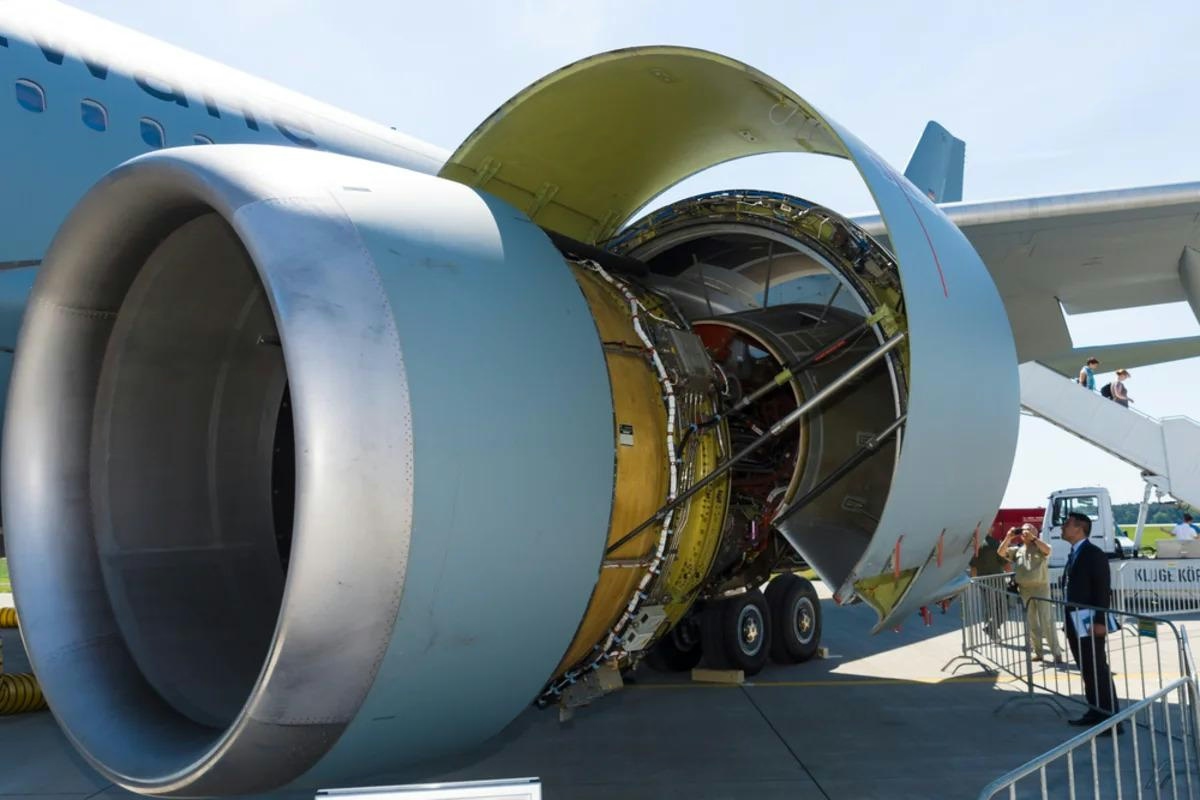
StandardAero Expands Bombardier Global MRO Services at Van Nuys Facility

StandardAero Expands Bombardier Global MRO Services at Van Nuys Facility StandardAero has significantly enhanced its business aviation maintenance offerings at its Van Nuys, California facility by incorporating comprehensive support for select Bombardier Global aircraft. The site has received authorization to conduct airframe inspections, repairs, structural work, and avionics services for the Global Express, Global Express XRS, Global 5000, Global 6000, and Global 7500 models. Expansion of Capabilities and Workforce Investment Leveraging over 25 years of experience servicing Gulfstream operators, StandardAero is investing in both its workforce and tooling to accommodate the addition of Bombardier’s Global family to its maintenance portfolio. Giovanni Spitale, president of StandardAero Business Aviation, emphasized the significance of this development, noting the company’s longstanding expertise with large-cabin aircraft and its commitment to broadening service offerings through the inclusion of the Global series. The Van Nuys facility has already commenced servicing Bombardier Global operators, performing inspection and repair tasks, installing SpaceX Starlink systems on Global 5000 aircraft, and conducting BR710 engine line maintenance. The site also supports a multi-aircraft Global fleet operator. As a Rolls-Royce-authorized service center for the BR710 engine—which powers most Global models—StandardAero provides both on-site engine line maintenance and in-field support via its Mobile Service Team. Market Context and Operational Challenges The expansion aligns with sustained demand for Bombardier’s Global series, which has seen over 1,200 aircraft delivered worldwide, with more than 600 in North America alone. Market trends also indicate growing interest in Bombardier’s GlobalEye program, a development that may further influence the competitive landscape and stimulate demand for Global jets and associated maintenance services. Nonetheless, integrating Bombardier maintenance operations into the existing Van Nuys facility presents several challenges. StandardAero must navigate the complexities of merging new service lines, mitigate potential supply chain disruptions, and contend with competitive pressures as other maintenance, repair, and overhaul (MRO) providers may respond by enhancing their own capabilities or forming strategic partnerships to protect market share. The Van Nuys facility operates under approvals from the Federal Aviation Administration (FAA), European Union Aviation Safety Agency (EASA), Agencia Federal de Aviación Civil (AFAC), and Transport Canada Civil Aviation (TCCA), ensuring compliance with international regulatory standards. Beyond Van Nuys, StandardAero also offers Global aircraft maintenance and modification services at its Springfield, Illinois location, which provides FAA Organization Designation Authorization (ODA) and engineering support. As the business aviation sector continues to evolve, StandardAero’s expanded capabilities position the company to capitalize on emerging opportunities while managing the operational and competitive complexities inherent in servicing Bombardier’s Global fleet.
line