
将人工智能洞察转化为可执行行动

热门趋势
Categories
FAA Partners with AI and Software Firms to Modernize Air Traffic Control
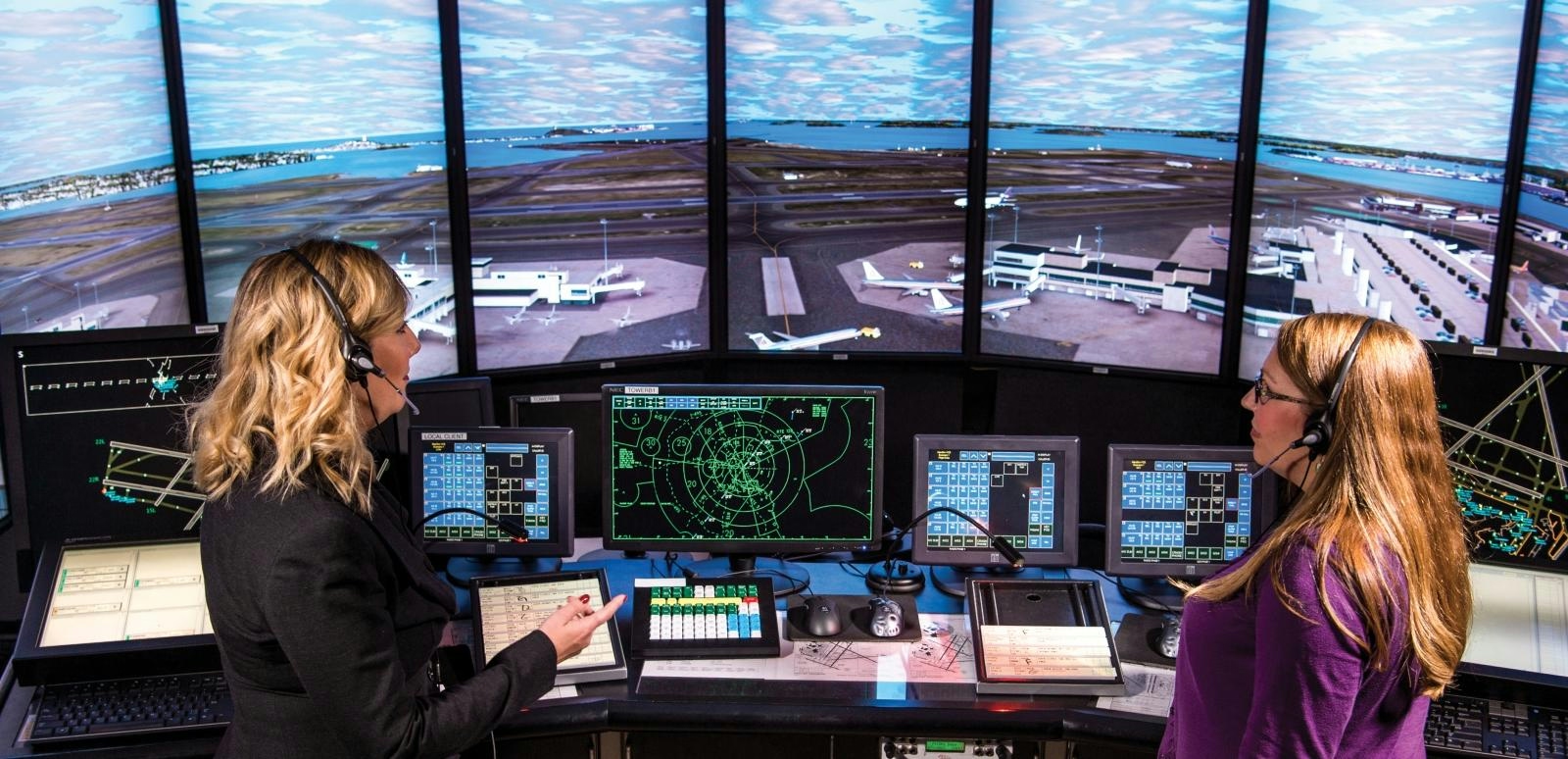
FAA Partners with AI and Software Firms to Modernize Air Traffic Control
The Federal Aviation Administration (FAA) has embarked on a major initiative to modernize the United States’ air traffic control system through a 12-year contract valued at nearly $876 million with Air Space Intelligence (ASI). This agreement aims to revamp the FAA’s core technology infrastructure in response to growing demands from airports and industry stakeholders for urgent upgrades to aging systems and enhanced safety protocols.
Developing a New Technological Backbone
Under the terms of the contract, ASI will create the Flow Management Data Services (FMDS), a centralized data platform designed to proactively identify and manage flight delays. The Department of Transportation (DOT) described FMDS as the “new technological backbone” of the FAA’s Air Traffic Control System Command Center. Transportation Secretary Sean Duffy highlighted ongoing improvements to radars, radios, and telecommunications infrastructure but emphasized that transforming flight management processes is essential to improving the overall flying experience for the public.
A critical element of this modernization is the integration of advanced artificial intelligence. ASI will deploy an AI-driven tool within FMDS called Strategic Management of Airspace, Routes, and Trajectories (SMART). This system will enable controllers to visualize weather patterns and other vital data through a unified interface. The FAA anticipates that SMART will begin initial operations by the fall, with full deployment of both FMDS and SMART expected within the next two years.
Challenges and Industry Perspectives
Despite the promise of these technological advancements, integrating them into existing systems poses significant challenges. Ensuring robust cybersecurity, managing a seamless transition with minimal disruption to current operations, and aligning new tools with legacy infrastructure are critical factors for the project’s success. Industry observers have expressed skepticism regarding the feasibility and timelines of such an ambitious overhaul, while competitors may accelerate their own AI and software initiatives in response.
The urgency of modernization was underscored during a recent Senate Commerce Subcommittee hearing on Aviation, Space, and Innovation. Industry leaders stressed the importance of improved safety tools, particularly those providing accurate weather data and real-time situational awareness. Captain Jason Ambrosi, president of the Air Line Pilots Association International, emphasized the necessity of equipping pilots with the best tools to ensure safety, citing weather information as a prime example.
The hearing also highlighted the significance of Automatic Dependent Surveillance-Broadcast In (ADSB-In), a technology that allows aircraft to receive data from other planes to enhance collision avoidance. James Viola, president and CEO of the General Aviation Manufacturers Association, referenced last year’s midair collision near Ronald Reagan Washington National Airport, stating, “Everybody here agrees that ADSB-In could have avoided the accident here in D.C. for sure.” Despite concerns over the retrofit cost of approximately $50,000 per plane, lawmakers and industry representatives largely support the investment, describing the technology as “readily available.”
The increasing presence of unmanned aircraft systems (UAS) further amplifies the need for enhanced situational awareness. Chris Sununu, president and CEO of Airlines for America, warned that all types of aircraft—commercial airlines, private jets, and UAS—pose risks that must be managed. He stressed that integrating UAS safety regulations into all aspects of national airspace management is essential, leaving no room for regulatory gaps.
While the FAA’s substantial investment signals a strong commitment to modernization, the success of these efforts will ultimately depend on overcoming technical, security, and operational challenges to ensure the nation’s airspace remains safe, efficient, and prepared for future demands.

Etihad and Swissport Extend Global Partnership
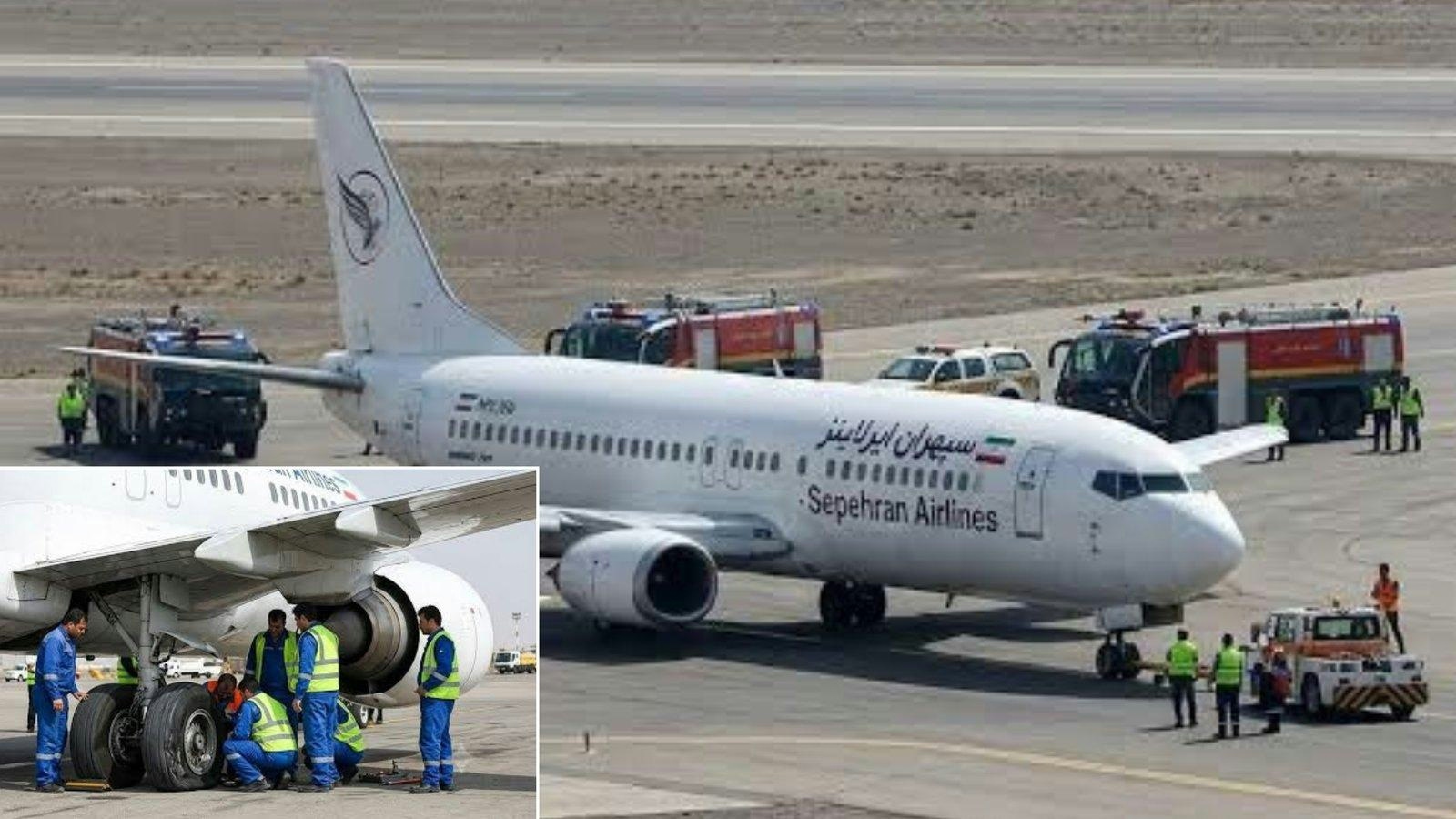
Sepehran Airlines B737 Returns to Mashhad After Tyre and Engine Issues

Etihad Deploys Widebody Fleet to Meet Strong Demand
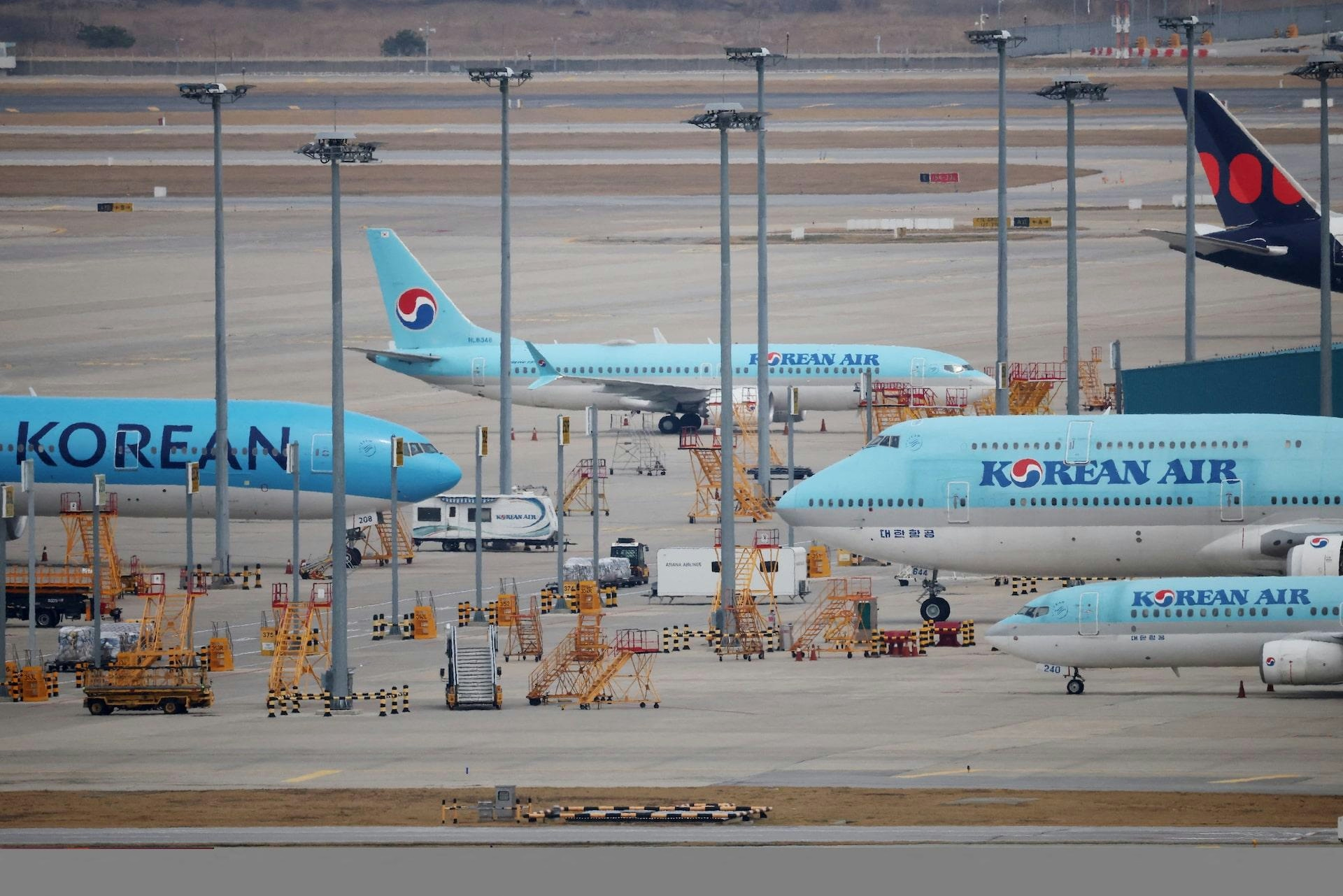
Korean Air Finalizes $36.2 Billion Deal with Boeing

Australia’s RFDS Queensland Section Orders Six King Air 260Cs

Korean Air Finalizes Order for 103 Boeing Jets and Engines
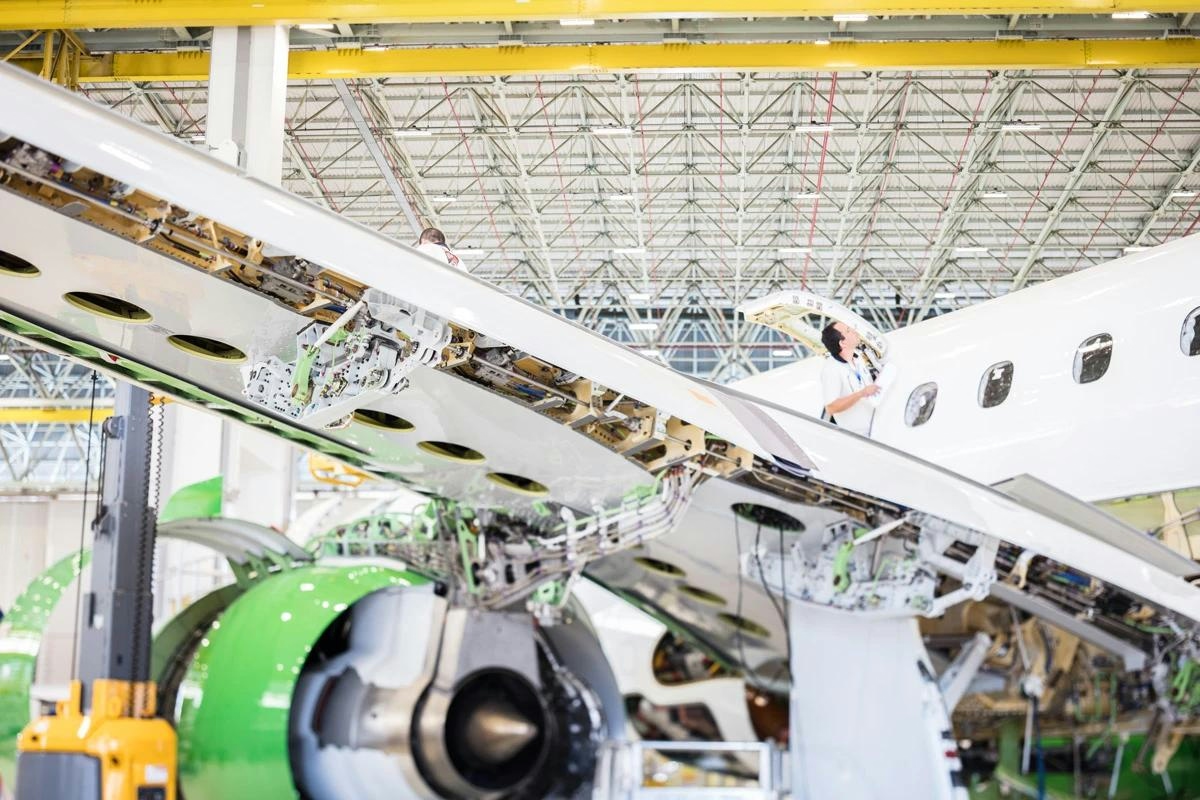
Embraer E195-E2 Features Distinctive Engine Placement Among Regional Jets
What Passengers Can Expect on Boeing’s New 777X Jet

How Ethiopian Airlines Became Africa’s Leading Carrier Amid Gulf Competition
Joby Aviation Extends Autonomous Flight Capabilities with Cross-Country Tour
