
将人工智能洞察转化为可执行行动

热门趋势
Categories
Five Aircraft Most Trusted by Pilots
Five Aircraft Most Trusted by Pilots
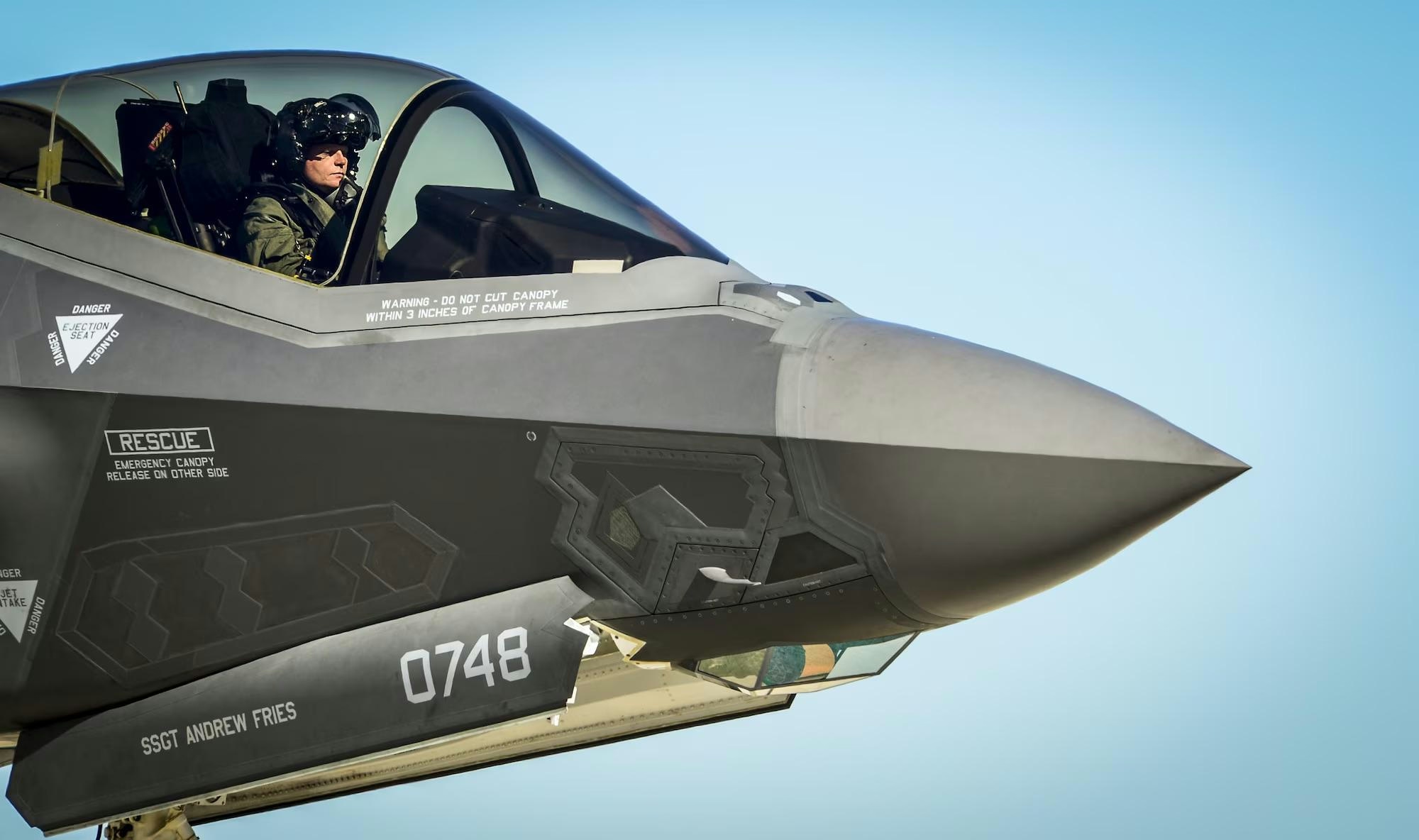
Aviation unites individuals from diverse backgrounds, yet pilots often share common instincts and experiences. Whether it is the relief of a maintenance-free day, the ritual of comparing hotel rooms, or the quiet satisfaction of securing an air traffic control shortcut, pilots worldwide communicate in a shared language within the cockpit. Central to this camaraderie is a fundamental belief encapsulated in the phrase, “In thrust we trust.” Half jest, half philosophy, this expression underscores the profound reliance pilots place on their aircraft. Some airplanes earn this trust over decades, while others command it almost immediately. Within aviation circles, reputations spread rapidly, especially among crews who accumulate thousands of hours assessing aircraft performance under pressure.
The Cessna 172 Skyhawk: A Training Icon
The Cessna 172 Skyhawk holds the distinction of being the most produced aircraft in history, with over 44,000 units built. It has served as the foundational platform for generations of pilots, teaching not only the mechanics of flight but also fostering a deep trust in the aircraft itself. Its high-wing design provides exceptional visibility, while its forgiving handling and inherent stability make it particularly well-suited for student pilots. Flight instructors appreciate its predictable behavior during critical maneuvers such as stalls, steep turns, and crosswind landings. The Skyhawk’s fatal accident rate, at just 0.56 per 100,000 flight hours, is notably lower than the general aviation average, reinforcing its reputation for safety.
The aircraft’s mechanical simplicity and durability contribute to straightforward and affordable maintenance, ensuring its continued relevance for nearly seven decades. Modern variants equipped with Garmin G1000 avionics introduce students to advanced glass-cockpit technology, effectively bridging the gap between traditional training aircraft and contemporary jetliners.
Trust and Technology: Navigating a Changing Landscape
While legacy aircraft like the Cessna 172 continue to inspire confidence, the landscape of pilot trust is undergoing significant transformation. Regulatory scrutiny, exemplified by the recent US Trade Commission investigation into Joby Aviation for potential import violations, highlights the challenges faced by new entrants in the aviation market. Pilots are increasingly weighing the benefits of emerging technologies alongside enhanced safety features as market dynamics evolve. Established manufacturers are responding with aggressive innovation and marketing strategies, particularly in competitive regions such as the European business aviation sector.
Simultaneously, the development of new models, including Horizon’s Cavorite X7 hybrid-electric aircraft, signals a future where pilot trust may be shaped by sustainability and cutting-edge design. As these innovations enter service, pilots will continue to assess which aircraft genuinely earn their confidence in the cockpit.
From the enduring reliability of the Cessna 172 to the promise of the latest technological breakthroughs, the aircraft most trusted by pilots are those that consistently prove their worth—flight after flight, challenge after challenge.
Comments

Etihad Airways Suspends Airbus A380 Flights on Key Route

Aditya Birla Group Seeks Approval for Aircraft Leasing in GIFT City

Qatar Airways Highlights Innovation and Connectivity at Arabian Travel Market 2026

Hong Kong's Five-Year Plan Includes Andrew Fan's Aircraft Parts Processing Hub Proposal

ACIA Aero Leasing Delivers ATR72-600 to Air Nostrum

RTX Appoints Jill Albertelli as Head of Pratt & Whitney

TAT Technologies Joins Beyond Aero Hydrogen Aircraft Program

AURAK Study Highlights Barriers to Air Taxi Adoption in Emerging Economies

Xiamen Air Selects Altitude for 787 Maintenance at Heathrow

Etihad and Swissport Extend Global Partnership
