
将人工智能洞察转化为可执行行动

热门趋势
Categories
Fly Nigeria Bill: Navigating Local Content Goals and Global Aircraft Leasing Challenges
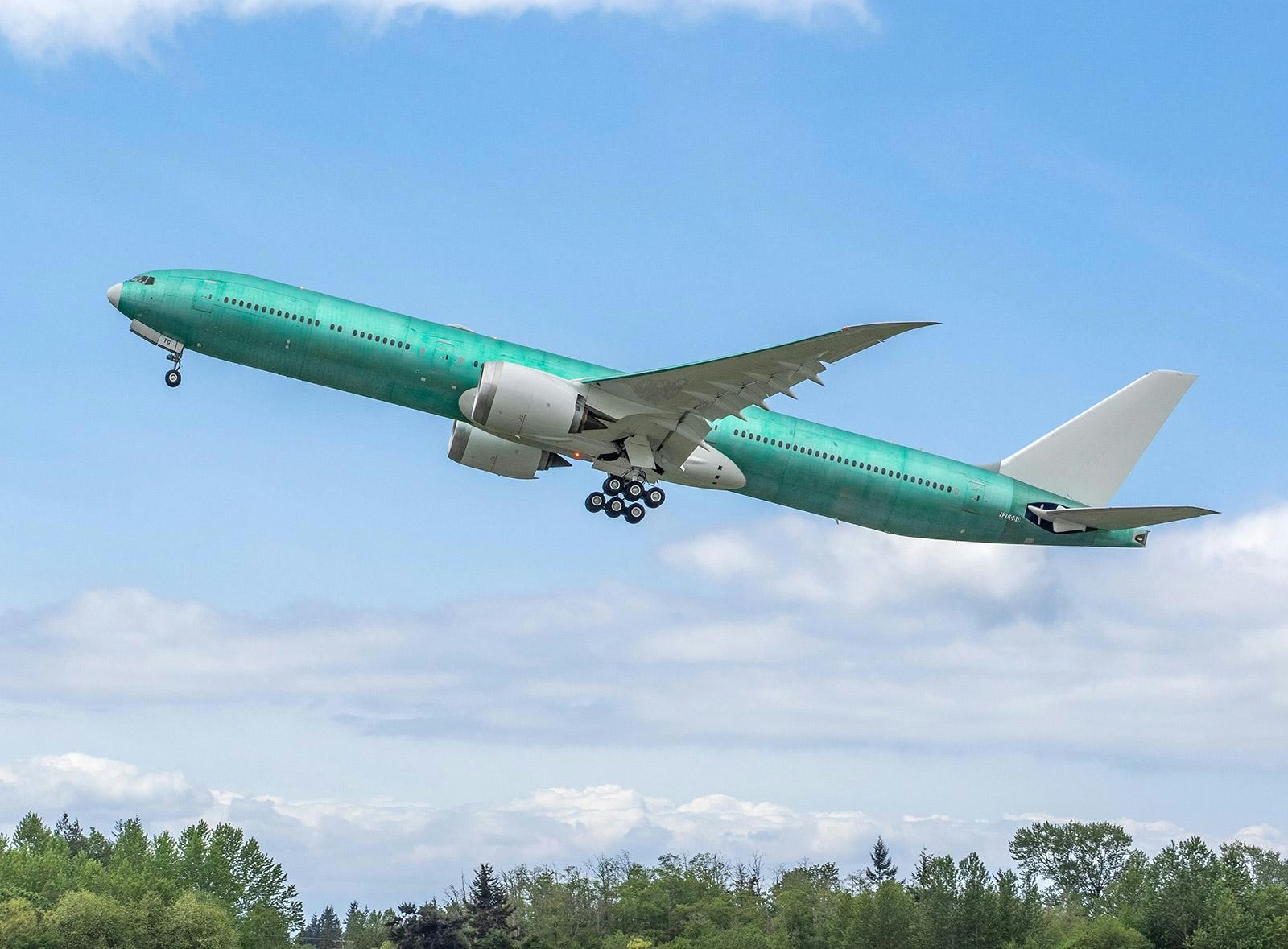
Fly Nigeria Bill: Navigating Local Content Goals and Global Aircraft Leasing Challenges
Balancing Local Content Ambitions with Industry Realities
Nigeria’s aviation sector is poised at a critical juncture, presenting one of Africa’s most significant growth opportunities while confronting intricate financing and operational challenges. The Federal Government’s Fly Nigeria Bill aims to enhance local airline participation by mandating that government officials and agencies prioritize domestic carriers for official travel. This policy is expected to redirect approximately ₦22.6 billion in annual government travel expenditure to Nigerian airlines, thereby creating a more predictable revenue stream that could improve the financial stability and creditworthiness of local carriers.
As Africa’s largest economy with a population exceeding 200 million, Nigeria depends heavily on air transport to facilitate trade, investment, tourism, and regional integration. Despite this, the sector continues to face persistent obstacles, including limited access to long-term financing, volatile foreign exchange rates, and a reliance on foreign-owned aircraft and aviation services. These factors have historically hindered the growth and competitiveness of domestic airlines.
The Fly Nigeria Bill draws inspiration from similar initiatives worldwide and forms part of a broader strategy to retain greater economic value within Nigeria’s aviation ecosystem. It seeks to stimulate investment and employment across the aviation value chain, including maintenance, training, and logistics. However, previous attempts to implement comparable policies have encountered legislative resistance and challenges related to the sector’s capacity to absorb increased demand.
The Global Leasing Landscape and Nigeria’s Aviation Future
The global aviation industry’s capital-intensive nature underscores the importance of international lessors, financiers, insurers, and manufacturers. Recent developments illustrate this dynamic, with major leasing firms such as Avolon and KKR expanding their investments. Avolon’s acquisition of new A321neos and KKR’s $1.4 billion commitment to its aircraft leasing venture with Altavair highlight the competitive environment and the critical role of aligning with international leasing standards.
Nigeria’s aviation authorities have confirmed that there are no current plans to establish a new national carrier, indicating a continued reliance on private sector-led initiatives and international partnerships. One such initiative is the Nigeria Aircraft Leasing Company, a government-backed but private sector-driven Special Purpose Vehicle designed to address financing gaps and build domestic capacity. These efforts must operate within the broader context of global capital flows and industry standards.
The ultimate success of the Fly Nigeria Bill will depend on Nigeria’s ability to balance the promotion of local participation and economic retention with maintaining the confidence of international investors and lessors. As global leasing firms increase their presence and influence, Nigeria’s aviation sector faces the challenge of fostering sustainable growth without isolating itself from the international ecosystem that underpins its airlines’ operations.

Etihad and Swissport Extend Global Partnership

Sepehran Airlines B737 Returns to Mashhad After Tyre and Engine Issues

Etihad Deploys Widebody Fleet to Meet Strong Demand

Korean Air Finalizes $36.2 Billion Deal with Boeing

Australia’s RFDS Queensland Section Orders Six King Air 260Cs

Korean Air Finalizes Order for 103 Boeing Jets and Engines
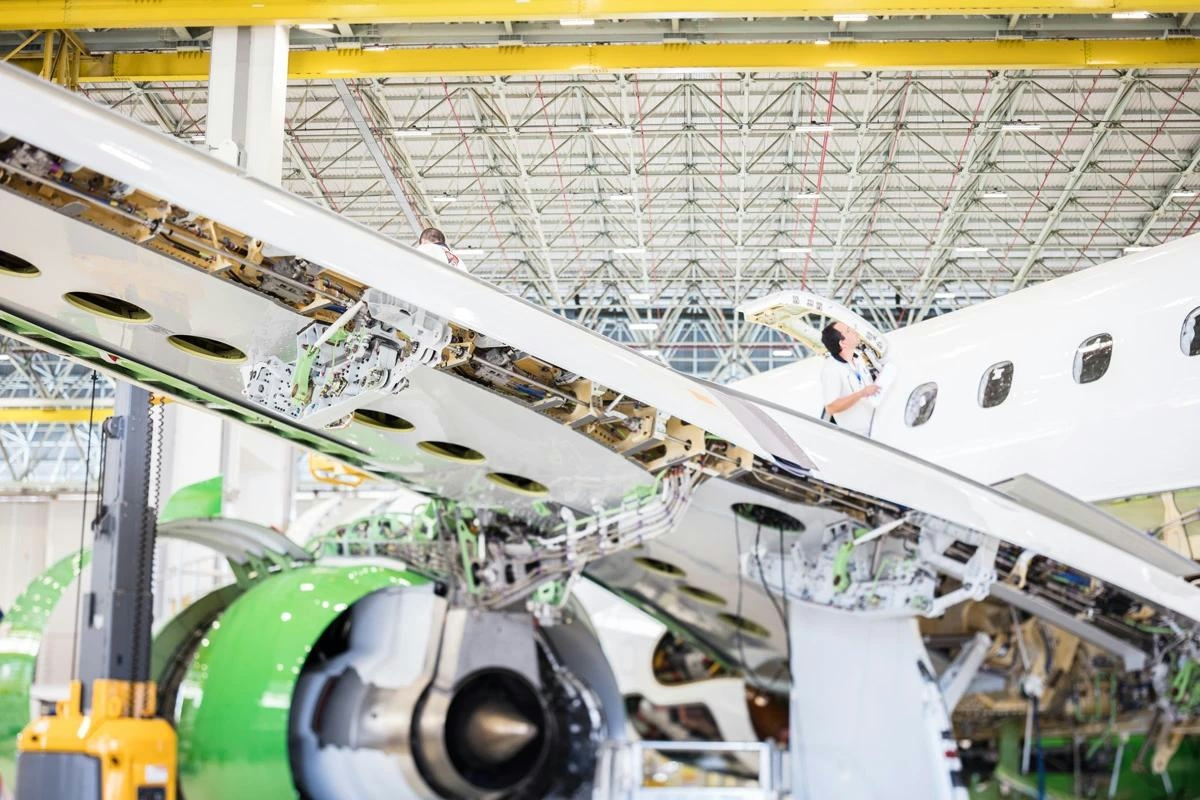
Embraer E195-E2 Features Distinctive Engine Placement Among Regional Jets

What Passengers Can Expect on Boeing’s New 777X Jet
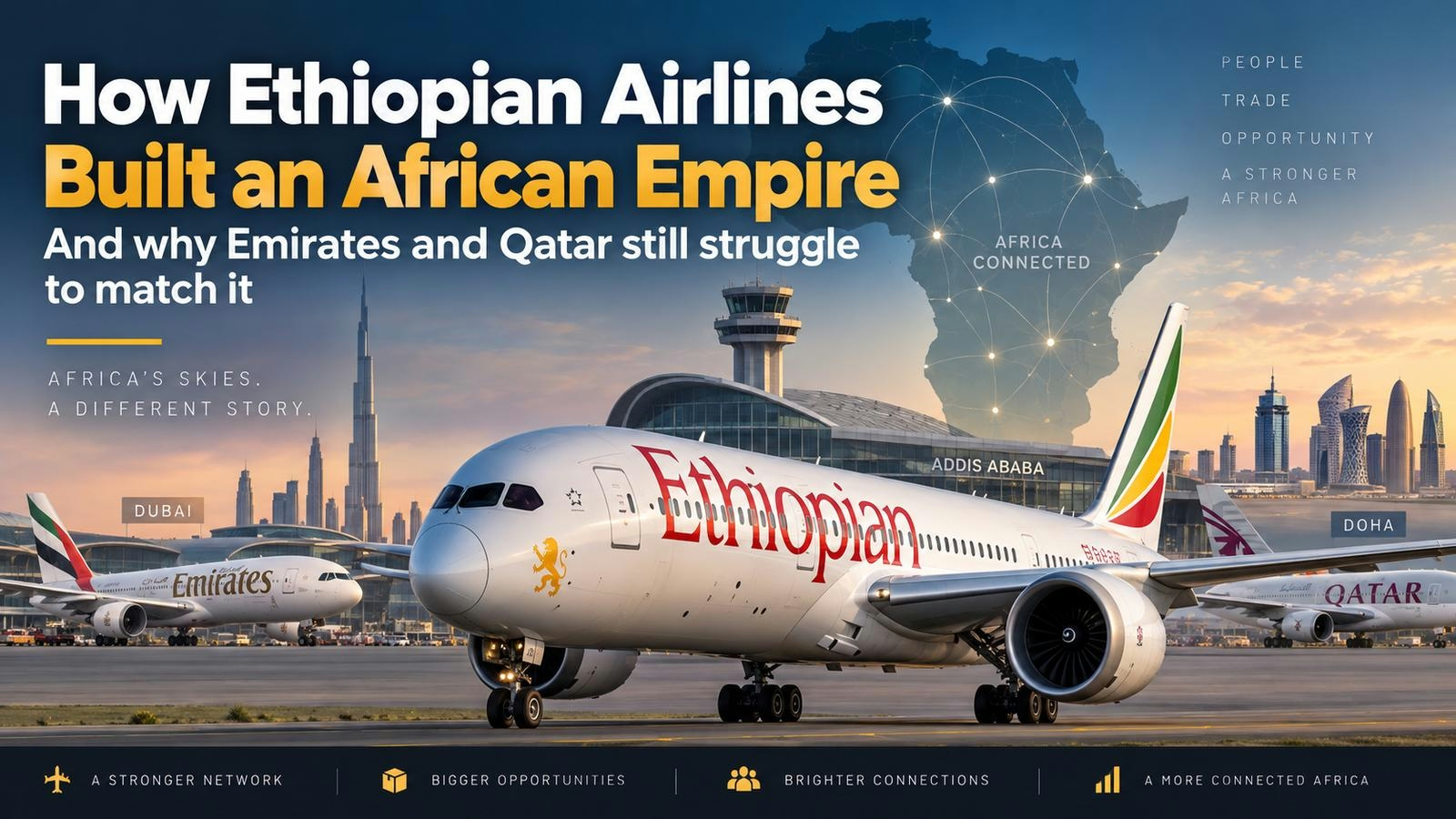
How Ethiopian Airlines Became Africa’s Leading Carrier Amid Gulf Competition

Joby Aviation Extends Autonomous Flight Capabilities with Cross-Country Tour
