
将人工智能洞察转化为可执行行动

热门趋势
Categories
GOL CEO Confirms Possible Arrival of A330neo Widebody Aircraft
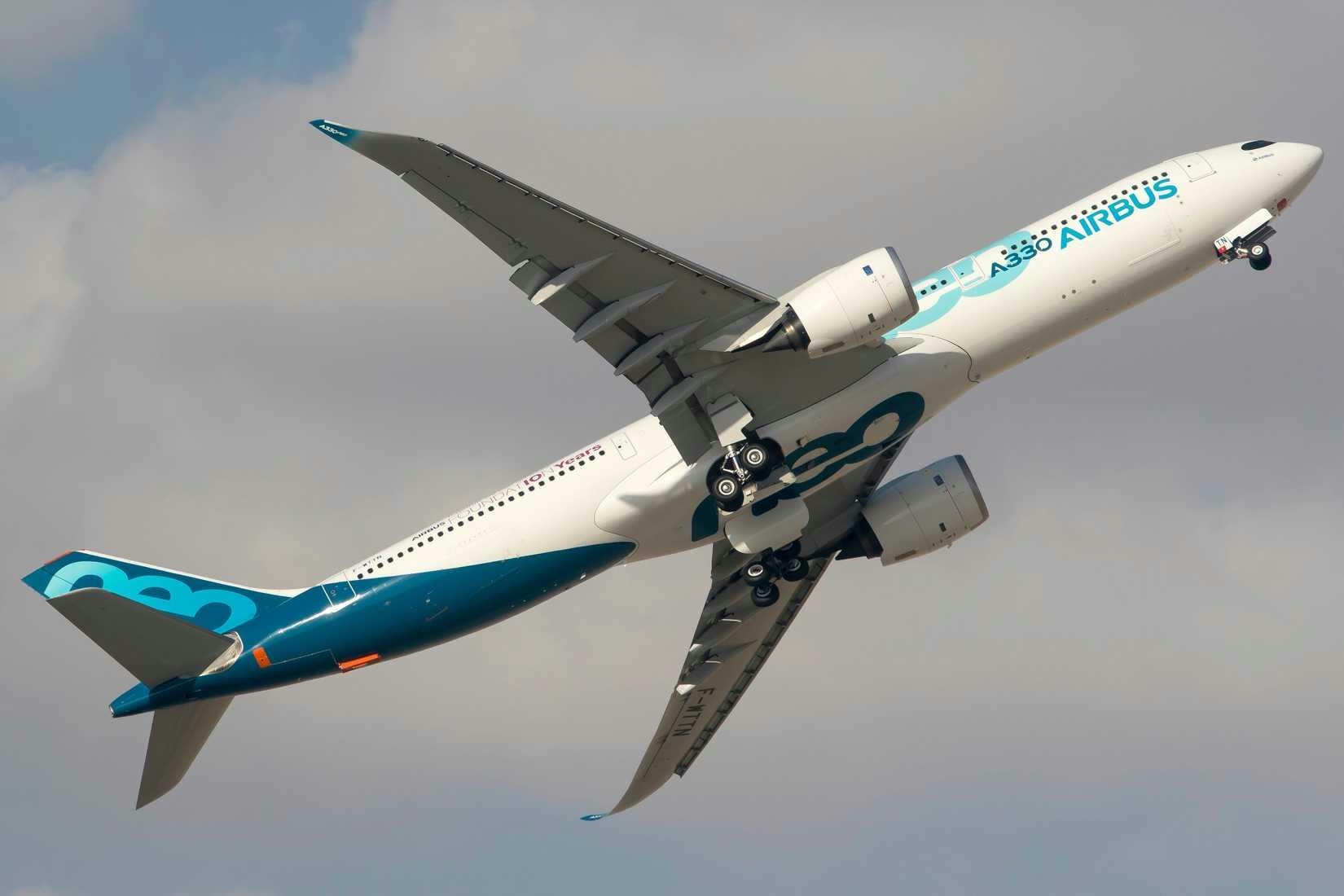
GOL CEO Confirms Potential Introduction of Airbus A330neo Widebody Aircraft
GOL Linhas Aéreas CEO Celso Ferrer has confirmed that the Brazilian carrier is exploring the possibility of incorporating Airbus A330-900neo widebody aircraft into its traditionally single-fleet operation. Speaking at the Routes Americas 2026 conference in Rio de Janeiro on March 3, Ferrer highlighted that the airline’s recent emergence from Chapter 11 restructuring and its integration into the Abra Group have created new opportunities for fleet diversification and strategic growth.
Strategic Shift and Fleet Diversification
Historically, GOL has operated an all-Boeing 737 narrowbody fleet, currently comprising over 140 aircraft. Ferrer explained that the Abra Group’s multi-airline structure, which manages approximately 300 aircraft across various markets, provides GOL with the flexibility to reassess the risks and benefits of introducing new aircraft types, including widebodies. This shift aligns with GOL’s recent efforts to secure slots at U.S. and European airports, destinations that typically require widebody aircraft for long-haul operations.
Supporting this potential transition, Brazil’s civil aviation authority, ANAC, has reserved registration numbers for seven Airbus A330-900neos at GOL’s request. The A330-900neo is already operated in Brazil by Azul, although those aircraft are scheduled to be returned to lessor Avolon by August. The Abra Group’s orderbook further includes Airbus A350-900s and A330neos, alongside 138 A320neo-family aircraft and 96 Boeing 737 MAX jets expected to be delivered through the end of the decade.
Introducing the A330neo would mark a significant structural transformation for GOL, enabling the airline to launch nonstop long-haul services from Brazil rather than relying on connections through Avianca’s Bogotá hub. Ferrer emphasized that the airline’s strengthened capital structure and the relative stability of the Brazilian market following restructuring provide a more conducive environment for such expansion.
Competitive and Industry Challenges
GOL’s potential move into the widebody segment occurs amid intense competition within Brazil’s aviation market. LATAM Airlines Brazil currently commands approximately 38% of domestic seat capacity, with GOL holding 33% and Azul 29%. Both LATAM and Azul already operate widebody aircraft, and GOL’s entry into this segment could trigger competitive responses, including more aggressive pricing strategies or further fleet expansion by its rivals.
Broader industry challenges may also influence GOL’s fleet planning. Recent remarks from AerCap’s CEO have underscored reliability concerns across the aviation sector, suggesting that airlines may need to expand their fleets to offset increased aircraft downtime. This evolving dynamic could affect GOL’s investment decisions and operational strategies as it evaluates the introduction of new aircraft types.
Having exited Chapter 11 nine months ago, with the Abra Group now holding an 80% controlling stake, GOL is positioned to pursue new market opportunities and diversify its fleet. Ferrer acknowledged, however, that any expansion must be carefully calibrated to align with market demand and capacity trends within Brazil’s evolving aviation landscape.

Etihad Airways Suspends Airbus A380 Flights on Key Route

Aditya Birla Group Seeks Approval for Aircraft Leasing in GIFT City

Qatar Airways Highlights Innovation and Connectivity at Arabian Travel Market 2026

Hong Kong's Five-Year Plan Includes Andrew Fan's Aircraft Parts Processing Hub Proposal

ACIA Aero Leasing Delivers ATR72-600 to Air Nostrum

RTX Appoints Jill Albertelli as Head of Pratt & Whitney

TAT Technologies Joins Beyond Aero Hydrogen Aircraft Program

AURAK Study Highlights Barriers to Air Taxi Adoption in Emerging Economies

Xiamen Air Selects Altitude for 787 Maintenance at Heathrow

Etihad and Swissport Extend Global Partnership
