
将人工智能洞察转化为可执行行动

热门趋势
Categories
Honeywell Discusses Sustainable Aviation Fuel and Low-Carbon Energy
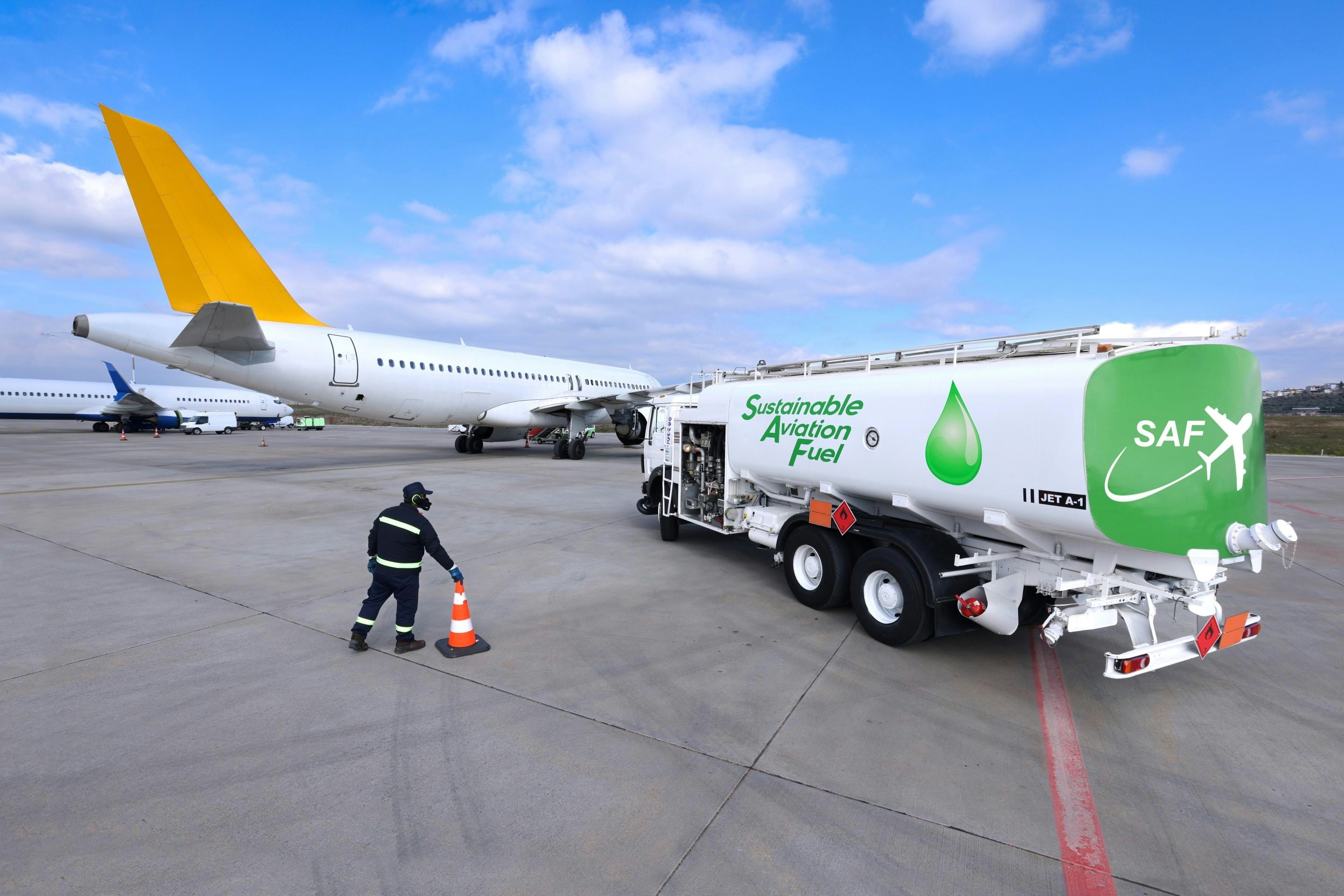
Honeywell Advances Sustainable Aviation Fuel and Low-Carbon Energy Solutions
Honeywell is reinforcing its leadership in sustainable aviation fuel (SAF) and low-carbon energy by harnessing advanced technologies and digital platforms to tackle pressing global sustainability challenges. The company’s initiatives span multiple sectors, including aerospace, industrial automation, building automation, and process technology, all supported by its Honeywell Accelerator operating system and Honeywell Forge platform.
Pioneering Renewable Fuels and Scaling SAF Production
In a recent discussion with ChemAnalyst, Barry Glickman, Vice President of Low Carbon Energy at Honeywell, outlined the company’s decade-long commitment to renewable fuels and its strategic approach to expanding SAF production. Honeywell first introduced commercial SAF production in 2016 through its Ecofining™ process technology. Since then, the company has broadened its portfolio to address both immediate and long-term objectives for reducing aviation emissions.
Glickman identified two primary industry challenges: the high cost of SAF and the limited availability of feedstocks. He explained that Honeywell is addressing these issues by enhancing process efficiency, enabling modular deployment, and diversifying feedstock sources to include materials such as used cooking oil and captured carbon dioxide. These innovations aim to provide scalable solutions that meet the demands of global markets.
Innovations and Market Challenges
Among Honeywell’s recent technological advancements is the eFining™ process, which facilitates the production of electro-sustainable aviation fuel (eSAF) from methanol derived from captured CO₂ and renewable hydrogen. This development holds particular significance for regions like the European Union, where regulatory frameworks such as ReFuelEU are driving increased demand for SAF produced from varied and abundant feedstocks.
Despite growing demand, the SAF market faces significant challenges. The scarcity of key feedstocks like used cooking oil has led to rising prices, raising concerns about the cost competitiveness of cleaner fuels. Additionally, the potential for fraud within SAF supply chains is an emerging issue as market pressures intensify. Honeywell also contends with heightened competition from other aerospace and energy companies investing heavily in low-carbon technologies, which accelerates innovation but also intensifies the race to deliver reliable and affordable solutions.
Navigating Regulatory and Market Dynamics
Regulatory pressures and evolving market mandates present both opportunities and challenges for Honeywell. While government policies aimed at reducing carbon emissions are expected to stimulate demand for low-carbon technologies, they also compel companies to rapidly adapt to new compliance standards and reporting requirements.
Glickman emphasized the critical role of strategic collaborations, strong policy frameworks, and the integration of carbon capture technologies in accelerating global SAF adoption. Looking forward, Honeywell plans to expand its portfolio of innovative fuel technologies, explore a wider array of feedstock pathways, and improve process efficiencies to support the aviation sector’s transition toward sustainability.
By combining technological innovation, strategic partnerships, and digital capabilities, Honeywell continues to establish itself as a pivotal player in the evolving low-carbon fuels ecosystem, while adeptly managing the complex challenges of supply constraints, cost pressures, competitive dynamics, and regulatory demands.

Duncan Aviation Tests Gogo 5G on Citation Excel

Concorde’s Heir Prepares for First Engine Test
Airbus Shares Navigate Between Labor Strikes and Strong Order Book
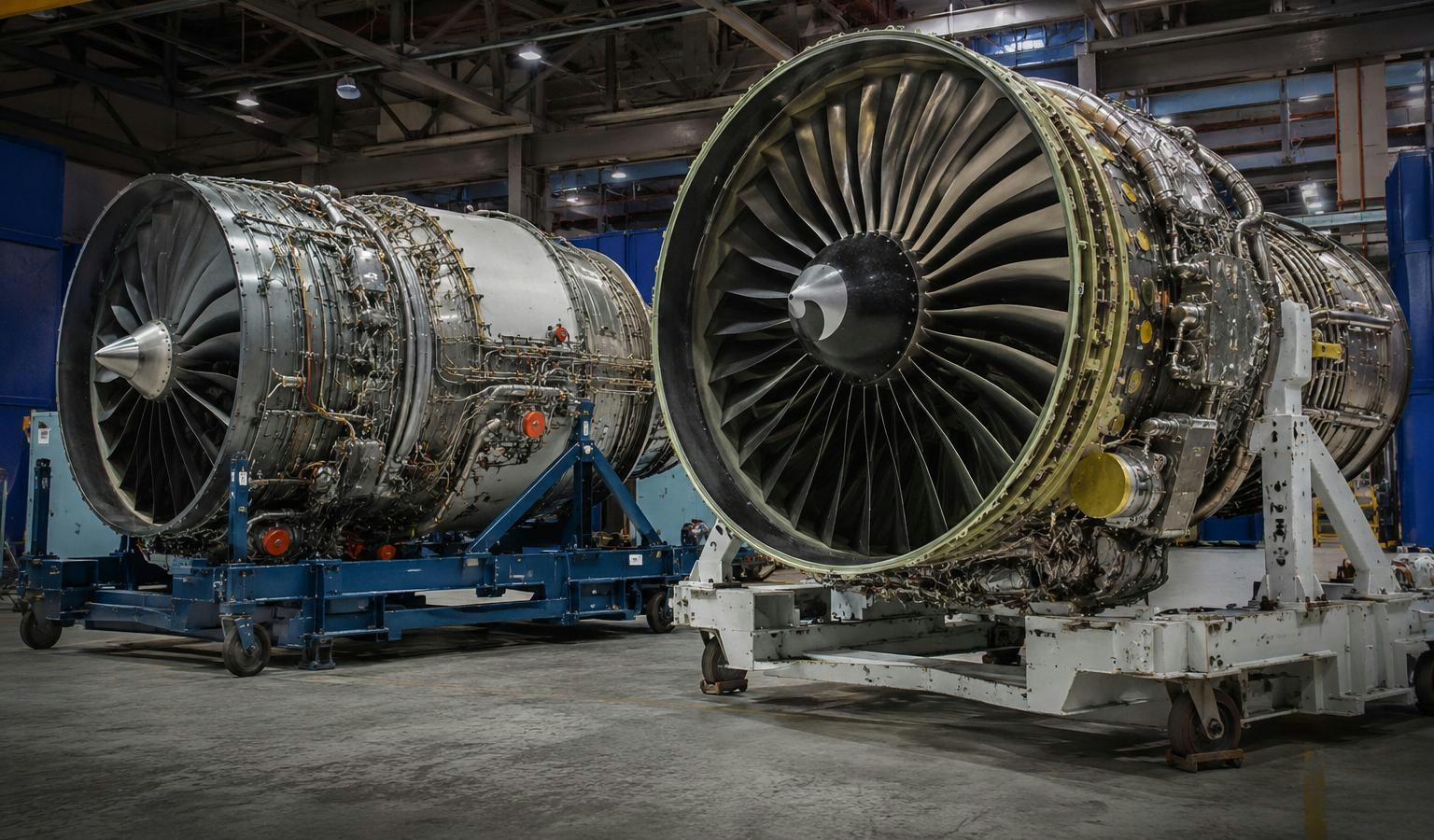
PD-35 Gas Generator Demonstrates Cooler Operation Than GE9X

ExecuJet Malaysia Completes Falcon 8X C-Check
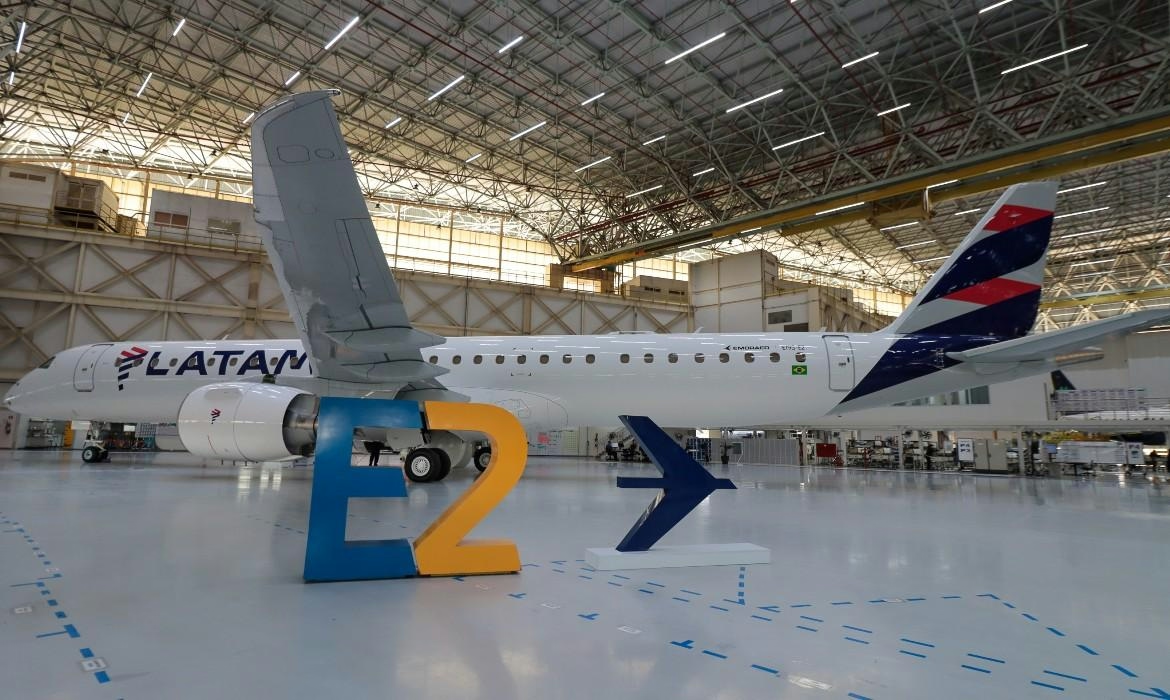
LATAM Airlines Obtains $505 Million Financing for 2026 Aircraft Deliveries
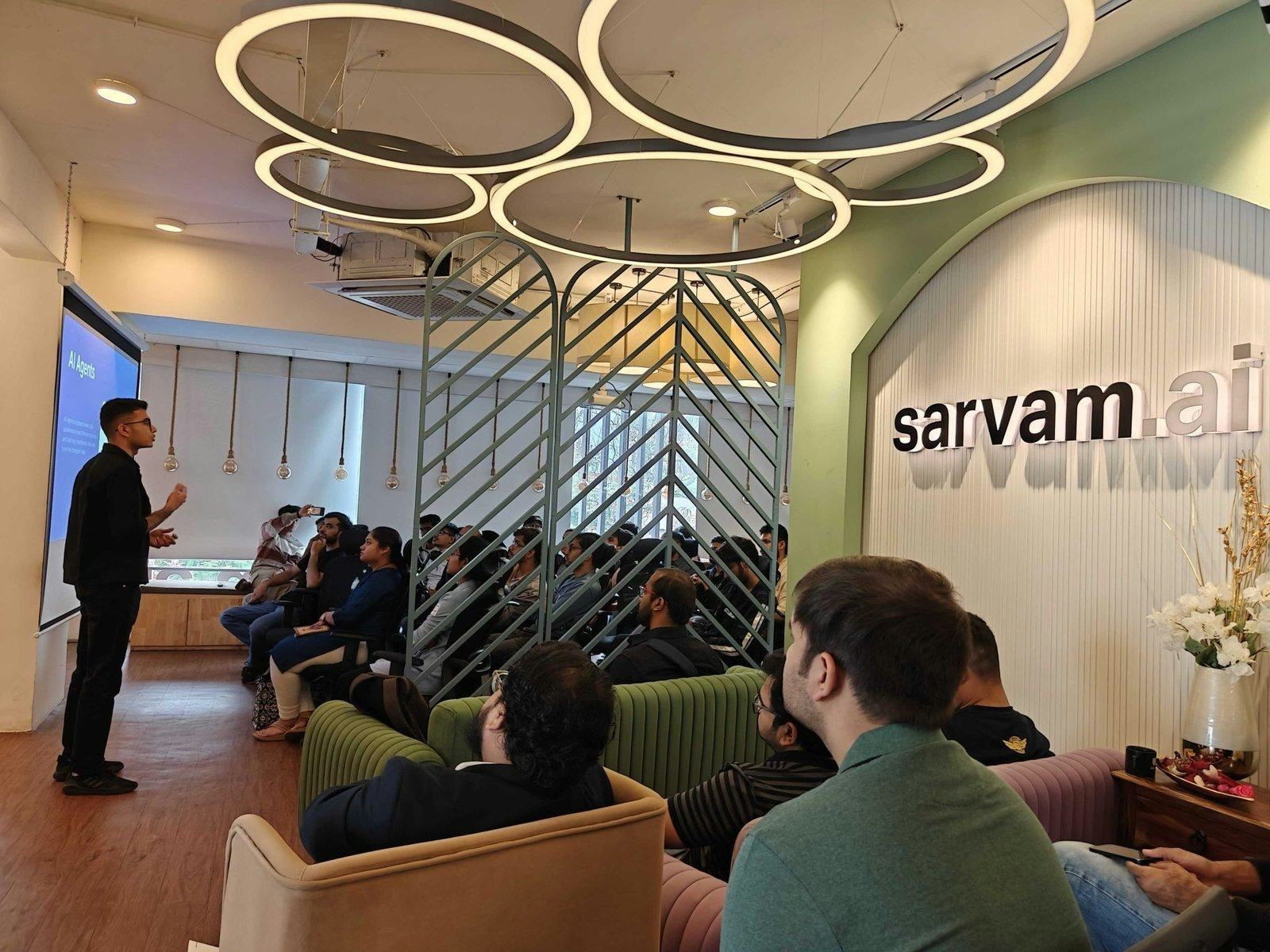
IndiGo Ventures Invests in Sarvam to Advance AI in Aviation
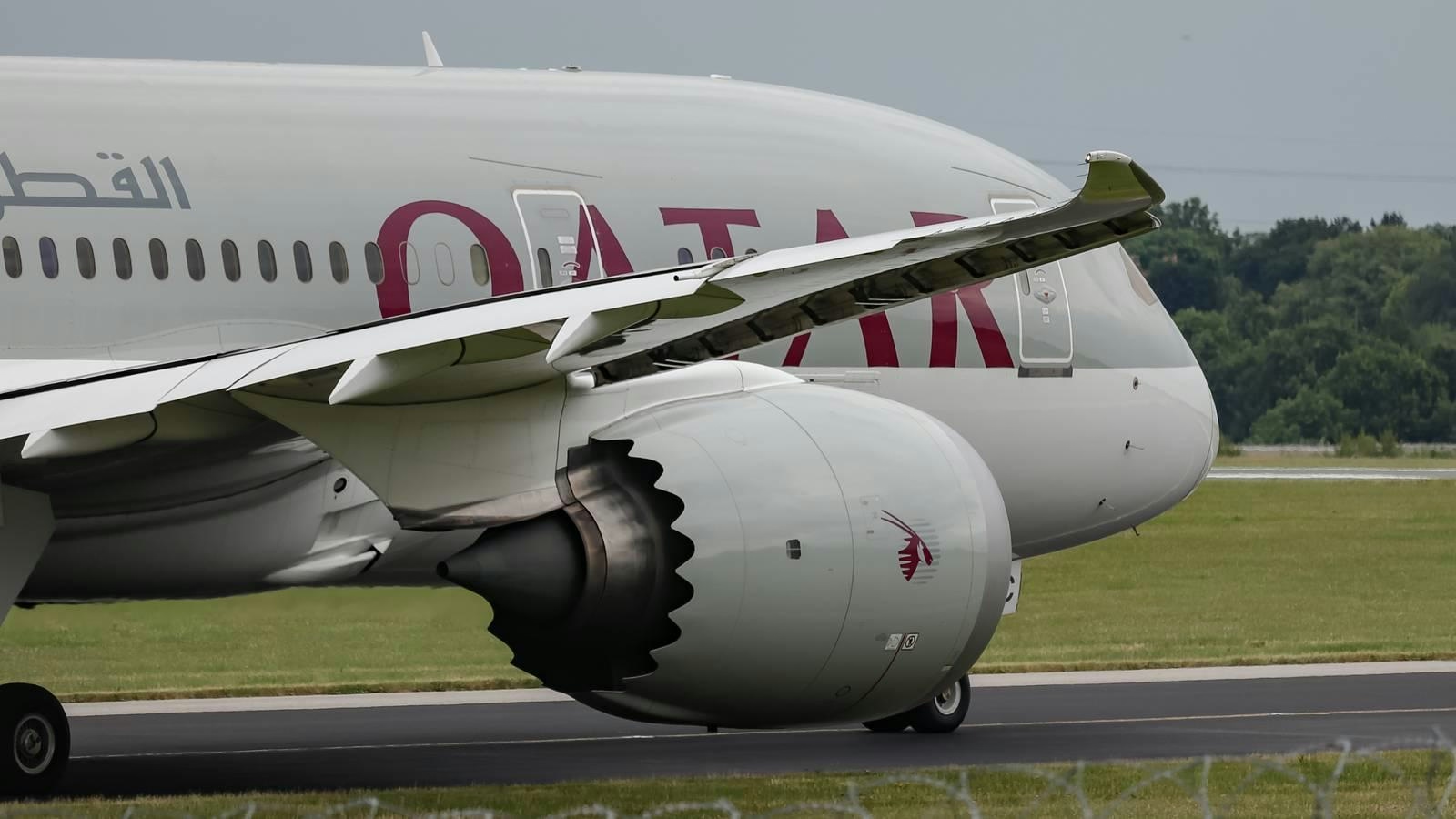
ADE Revenue Increases 29% Amid Growing MRO Demand
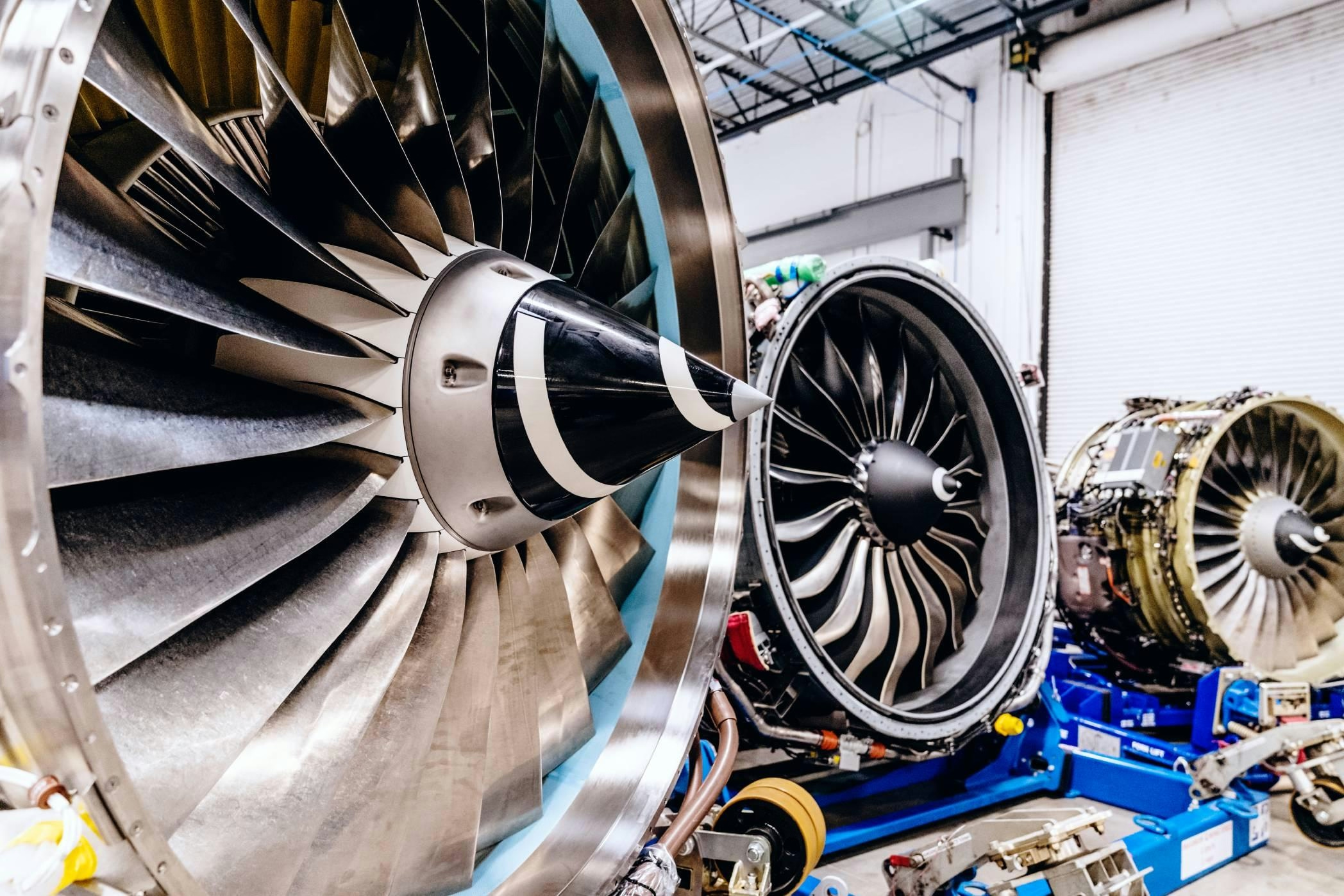
Willis Lease to Open Engine Repair Center in Malaysia

Matt Silverberg Appointed CEO of B&H Worldwide
