
将人工智能洞察转化为可执行行动

热门趋势
Categories
Investigators Examine Theory That Cockpit Sun Visor Caused Boeing 737 Engine Shutdown After Takeoff
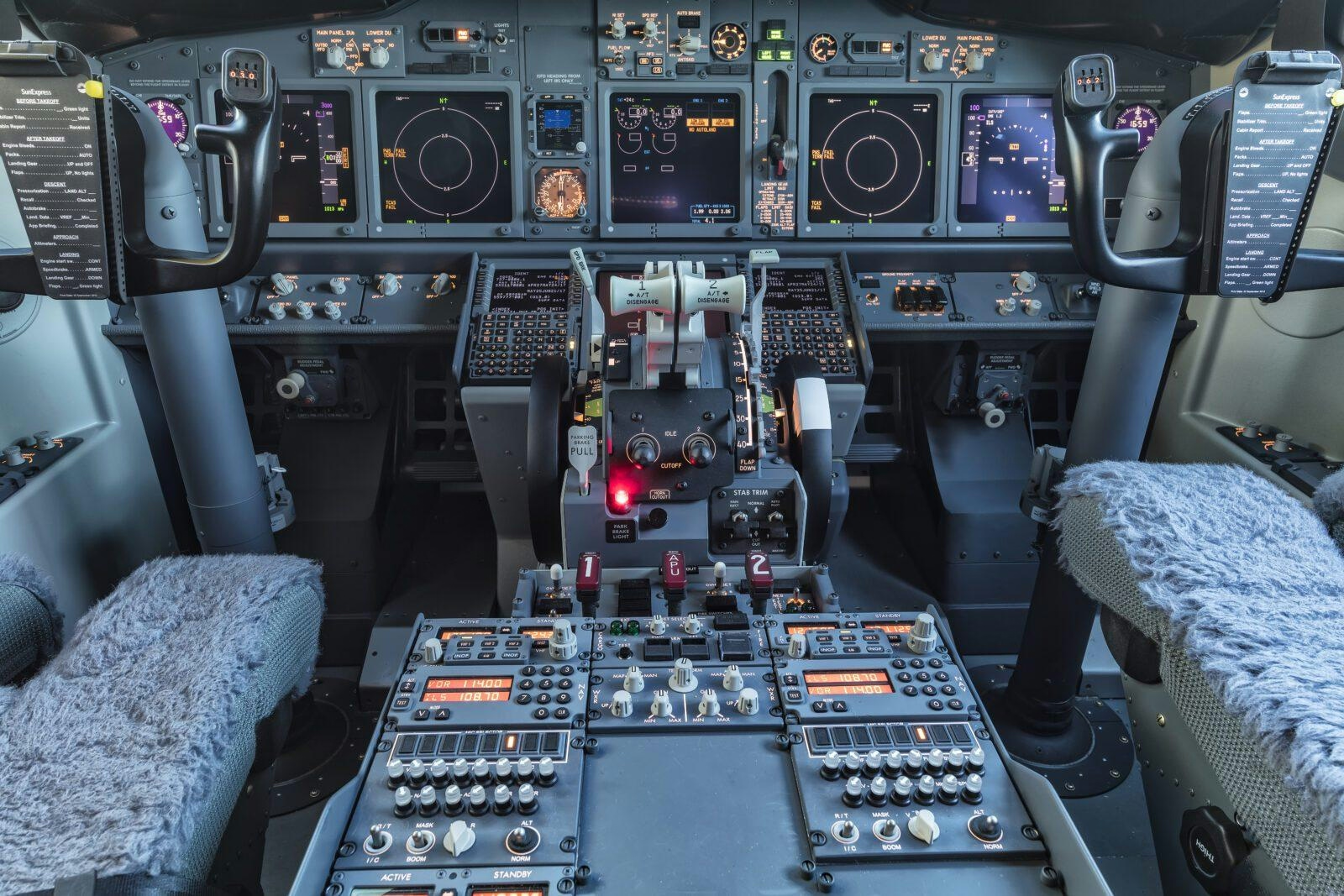
Investigation into Boeing 737 Engine Shutdown Focuses on Cockpit Sun Visor Theory
Aircraft accident investigators have initiated a detailed inquiry into a serious incident involving a Boeing 737 MAX, after one of its two engines unexpectedly shut down shortly after takeoff. The flight, carrying up to 197 passengers, experienced the engine failure at approximately 8,000 feet. Central to the investigation is an unusual hypothesis: that a malfunctioning cockpit sun visor may have become dislodged and struck the engine shut-off switch, leading to the loss of power.
Incident Details and Preliminary Findings
The event occurred on December 8 during Ryanair flight FR-3505, operating from Krakow, Poland, to Milan, Italy. The aircraft involved was a Malta Air Boeing 737 MAX 8200 (registration 9H-VUE), a high-capacity variant of the 737 MAX-8. Shortly after departure from Krakow Airport at around 1:10 pm, the pilots declared a PAN PAN emergency, signaling an urgent but non-life-threatening situation, after one engine suddenly shut down during the initial climb.
Preliminary investigations suggest that the cockpit sun visor may have torn loose during takeoff and inadvertently activated one of the engine start levers, also known as fuel cut-off switches. These switches, standard across Boeing aircraft, control the fuel supply to each engine. If triggered, they can cause an engine to lose power. The flight crew successfully restarted the affected engine, allowing the aircraft to continue safely to Milan, where it landed without further incident. The plane was subsequently grounded for two days for precautionary inspections before being cleared to resume service.
Ongoing Investigation and Industry Implications
The investigation faces significant technical challenges, particularly in confirming whether the sun visor was indeed responsible for activating the fuel cut-off switch. Regulatory authorities are closely overseeing the inquiry, while Boeing has expressed a “significant interest” in the outcome. Should the theory be validated, the manufacturer may encounter increased scrutiny regarding potential design vulnerabilities in cockpit components.
The incident has already influenced market sentiment, with Boeing’s stock experiencing a temporary decline amid heightened safety concerns. Competitors have seized the opportunity to highlight their own safety records and cockpit design features. As the investigation remains active, no definitive conclusions have yet been reached.
This event highlights the critical importance of stringent safety protocols and thorough design evaluations in commercial aviation. Regulators and manufacturers alike are expected to carefully review the findings to determine whether further measures or design modifications are necessary to prevent similar incidents in the future.
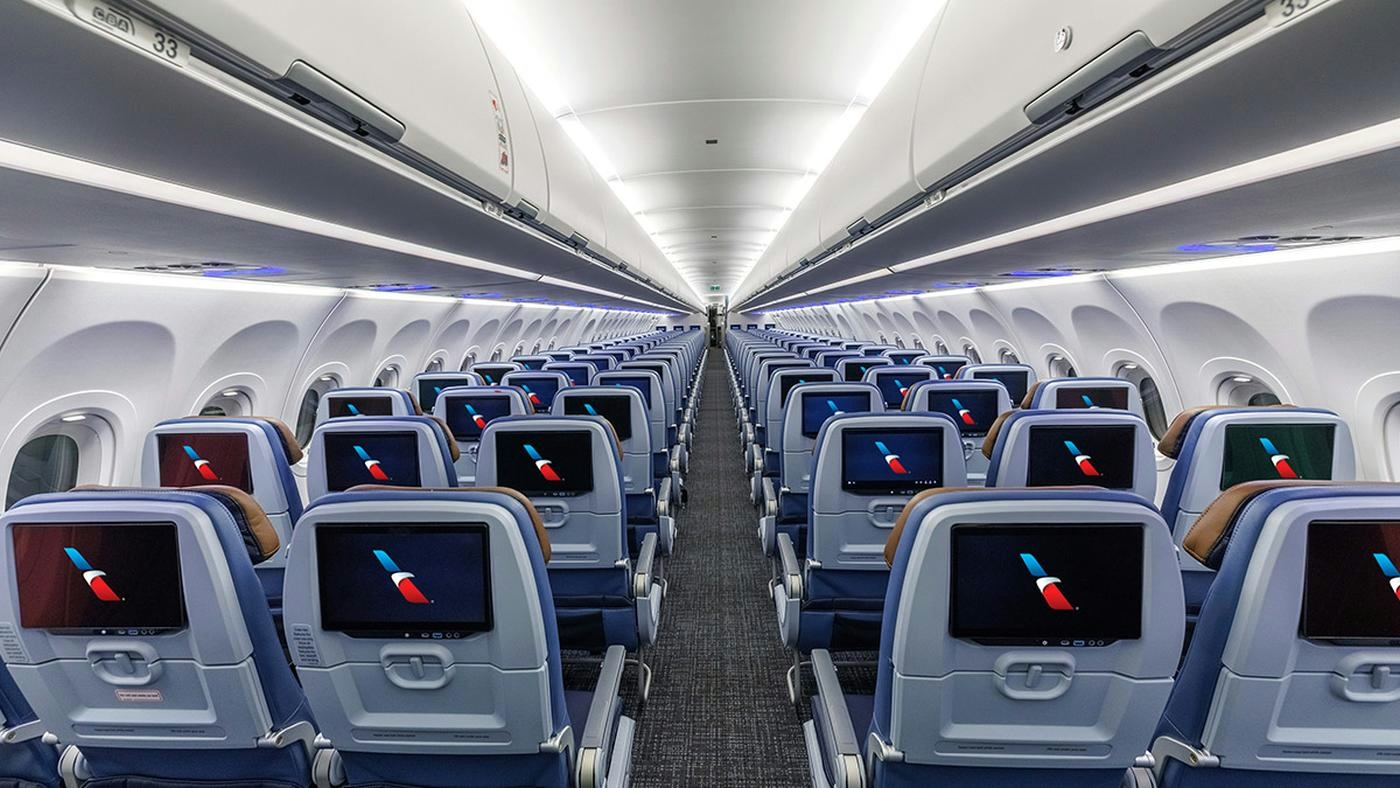
American Airlines Plans to Receive New Aircraft Deliveries in 2026
Delta Flight Returns to Atlanta Airport Due to Engine Trouble

Samoa Airways Recovers Damaged DHC-6-300 Aircraft
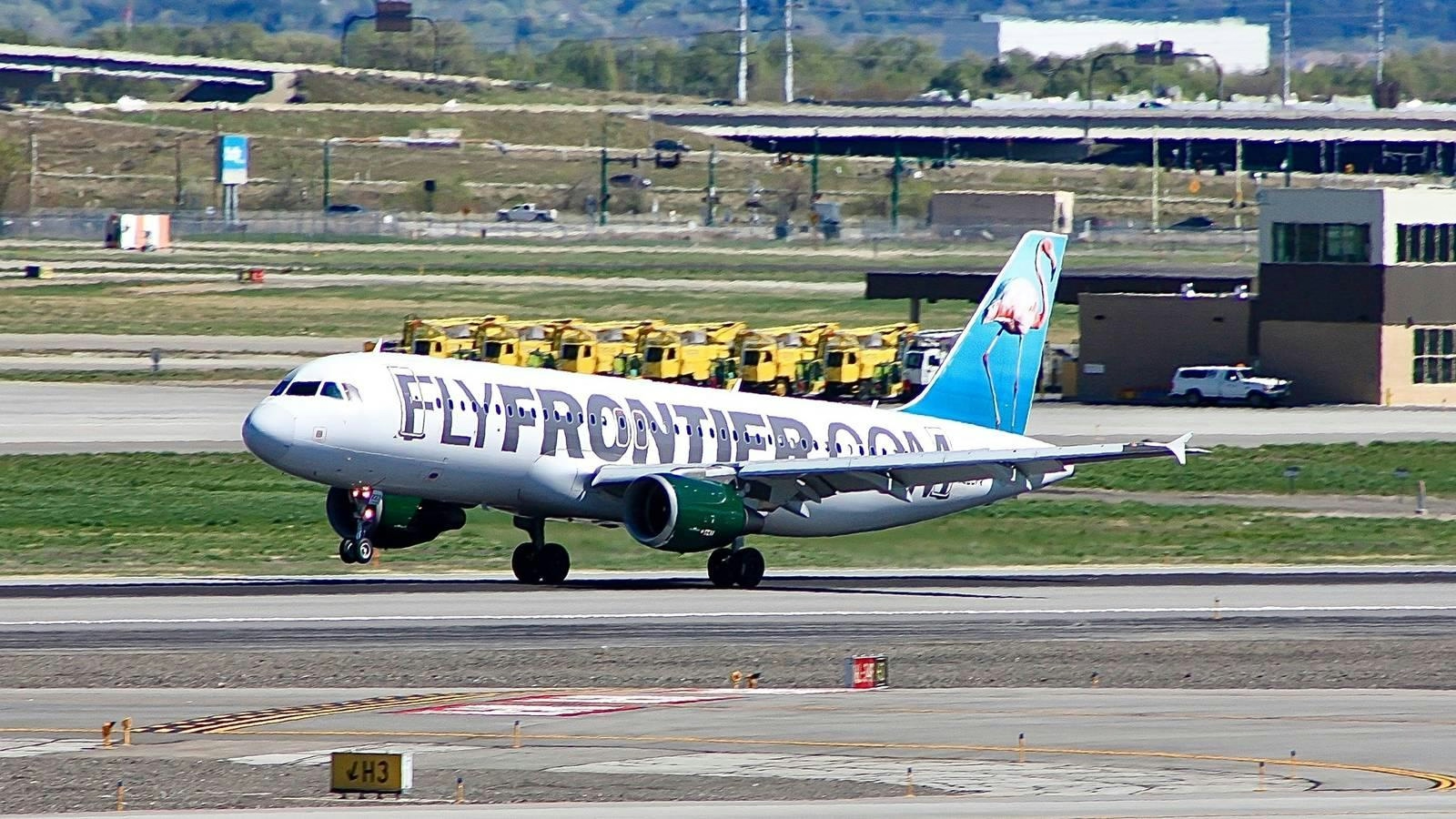
Man Ingested by Frontier Airlines Engine Marks Denver’s Sixth Airfield Security Breach in Three Years

The Advantages and Disadvantages of Owning Versus Leasing a Private Jet
Former Spirit Employees Express Concerns Over AI Partnership With Google
China Certifies Pilotless Air Taxi for Export; Sri Lanka First Buyer
US Pilot Hourly Pay Ranges from $90 for Regional to $465 for Widebody Flights

NASA Chooses University Teams to Support Aviation Research

Airbus Conducts Freighter First Flight as Delivery Figures Influence Stock
