
将人工智能洞察转化为可执行行动

热门趋势
Categories
Japanese Companies Expand Investment in Aircraft Leasing
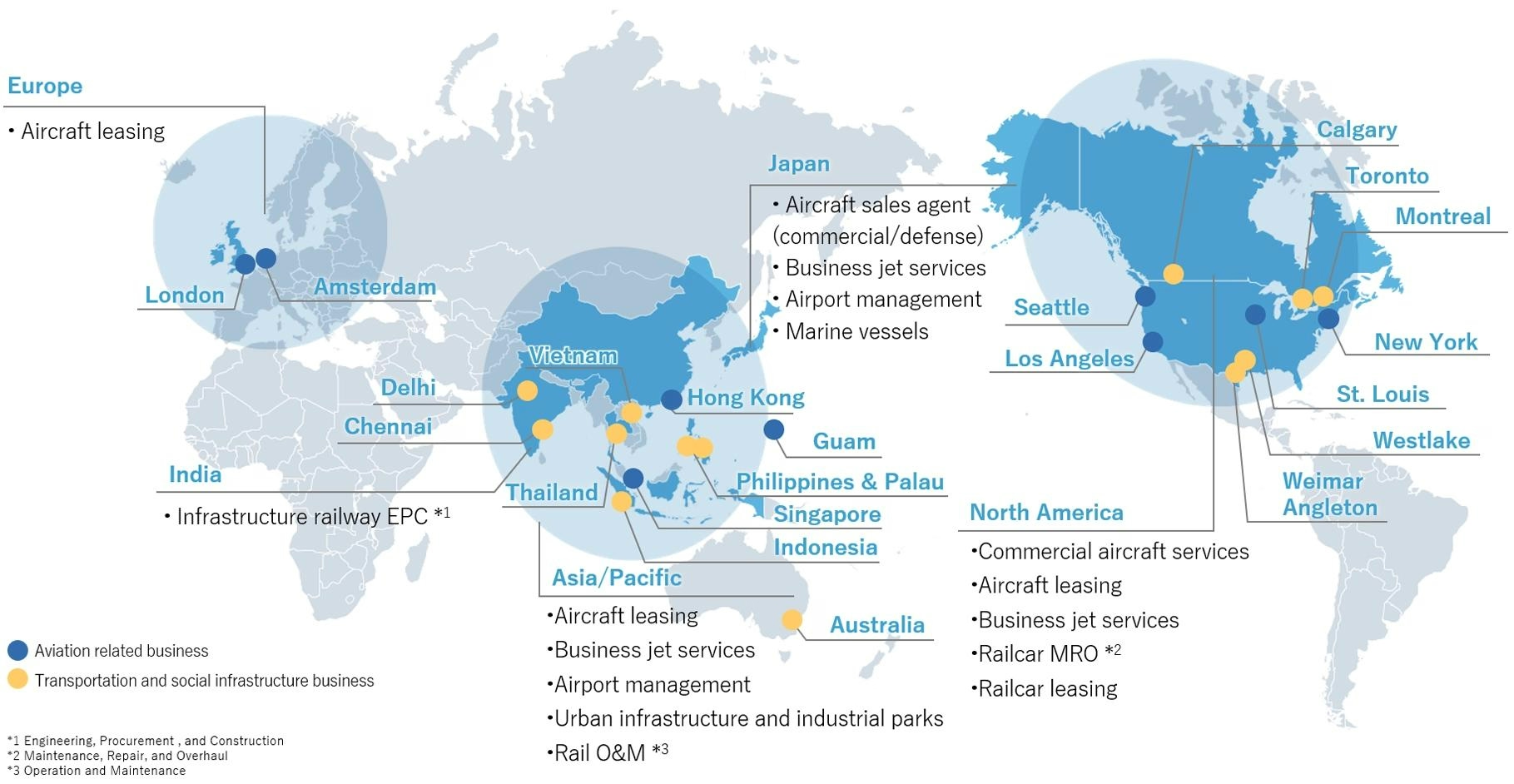
Japanese Companies Expand Investment in Aircraft Leasing
Japanese corporations are significantly increasing their investments in aircraft leasing operators, responding to a surge in global travel demand that has prompted airlines to seek additional aircraft. Leasing provides carriers with a strategic means to manage operational costs, particularly amid rising jet fuel prices, which continue to pressure airline profitability.
Major Acquisitions and Strategic Growth
At the forefront of this expansion is the trading house Sumitomo, which in April participated in a consortium to acquire the U.S.-based Air Lease Corporation for $7.4 billion. This acquisition elevates Sumitomo’s aircraft leasing business to the ownership and servicing of approximately 1,900 aircraft, positioning it as the world’s second-largest fleet operator. Sumitomo’s President and CEO, Ueno Shingo, highlighted the critical role of scale in addressing growing market demand. Speaking to NHK, Ueno stated, “The acquisition sharply expands the customer base and deepens relations with aircraft makers. Becoming the industry leader would allow us to expand even more. Our aim is to further strengthen our competitiveness.” The company has set an ambitious target to increase profits in its aircraft leasing division by over 20 percent by fiscal year 2030.
Similarly, Japanese trading company Itochu has intensified its involvement in the sector, announcing in August a nearly $1.95 billion investment in the U.S.-based Aviation Capital Group. This move underscores a broader trend among Japanese firms to secure a stronger foothold in the global aircraft leasing market.
Challenges and Competitive Dynamics
Despite the promising growth prospects, Japanese companies face considerable challenges. Navigating complex regulatory frameworks across multiple jurisdictions remains a significant hurdle, as does managing currency fluctuations that can adversely affect profitability. Additionally, the inherently high capital costs associated with aircraft leasing demand careful financial management.
The influx of Japanese investment is also reshaping the competitive landscape, intensifying rivalry in the global aircraft leasing market. This heightened competition may exert downward pressure on leasing rates, potentially compressing profit margins. In response, competitors are pursuing their own strategic initiatives. For instance, ORIX recently acquired AerFin to broaden its service offerings, reflecting a wider industry trend toward consolidation and partnership as companies strive to enhance their leasing portfolios.
As Japanese firms endeavor to establish themselves as dominant players in aircraft leasing, their capacity to effectively manage these risks and adapt to a rapidly evolving market environment will be pivotal in sustaining long-term growth and profitability.
EASA Advances Regulations for Increased AI Use in Cockpits

2026 Commander's Awards Recognize Advances in Naval Aviation Readiness

Flexjet Opens Dedicated Luxury Terminal at Farnborough Airport
France Receives First Two Falcon 2000 Albatros Aircraft
Air Sénégal’s New B737-800 Is a Repainted Wet Lease
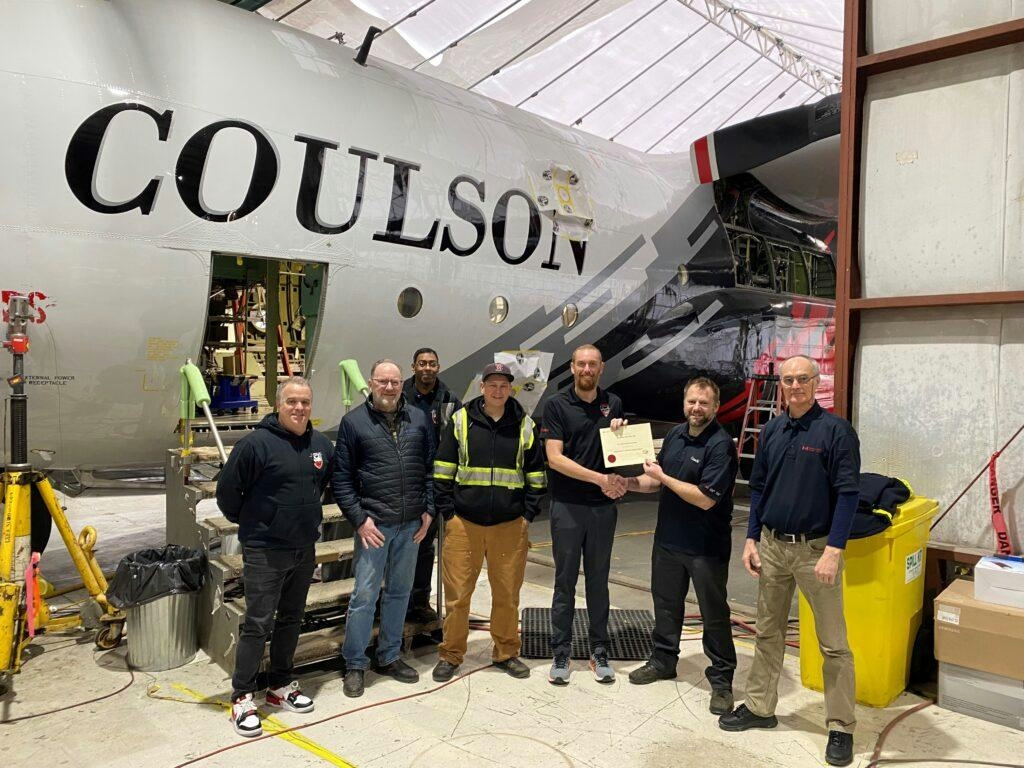
Coulson Aviation Unveils New Partnership with EmberWorks
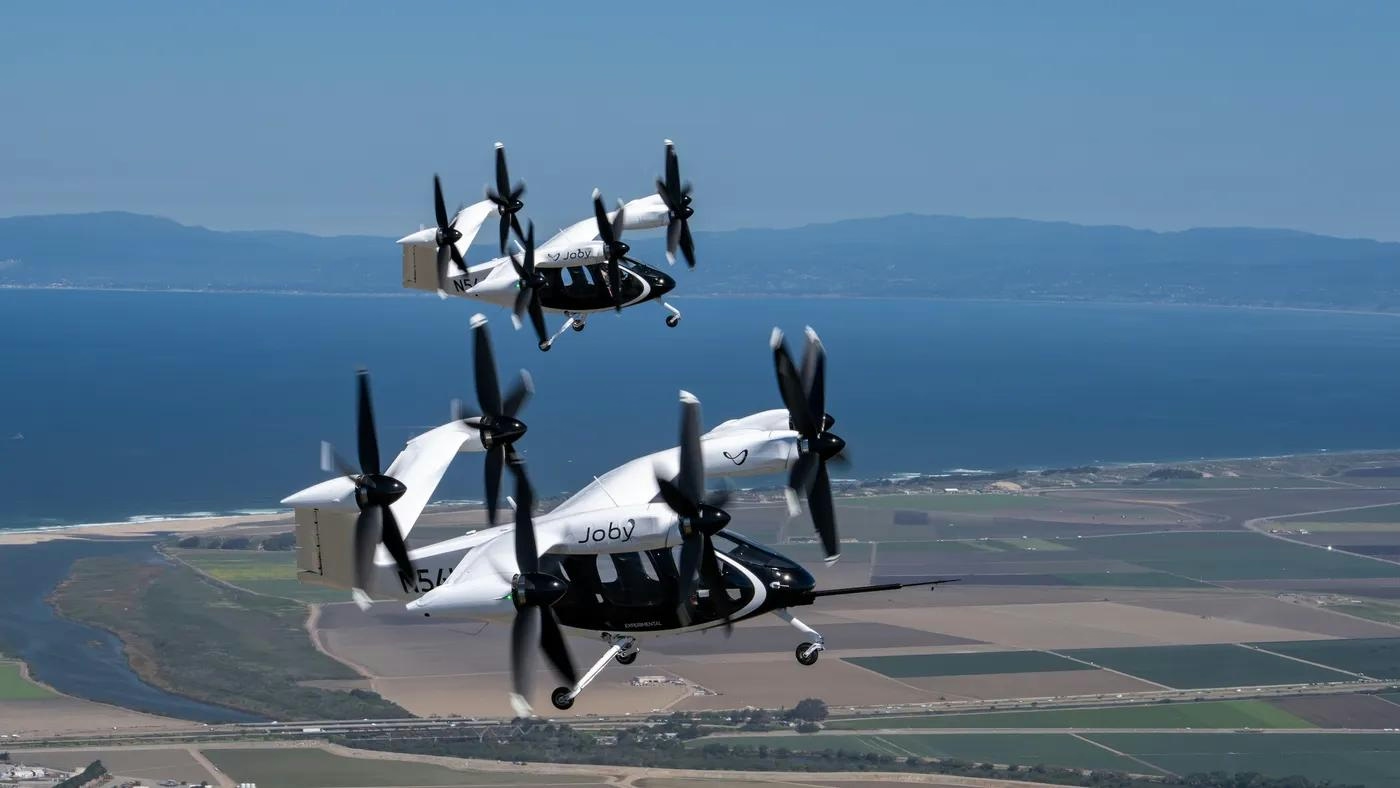
Shared Charging Network Plans Expansion to 250 Air Taxi Sites, Including Texas
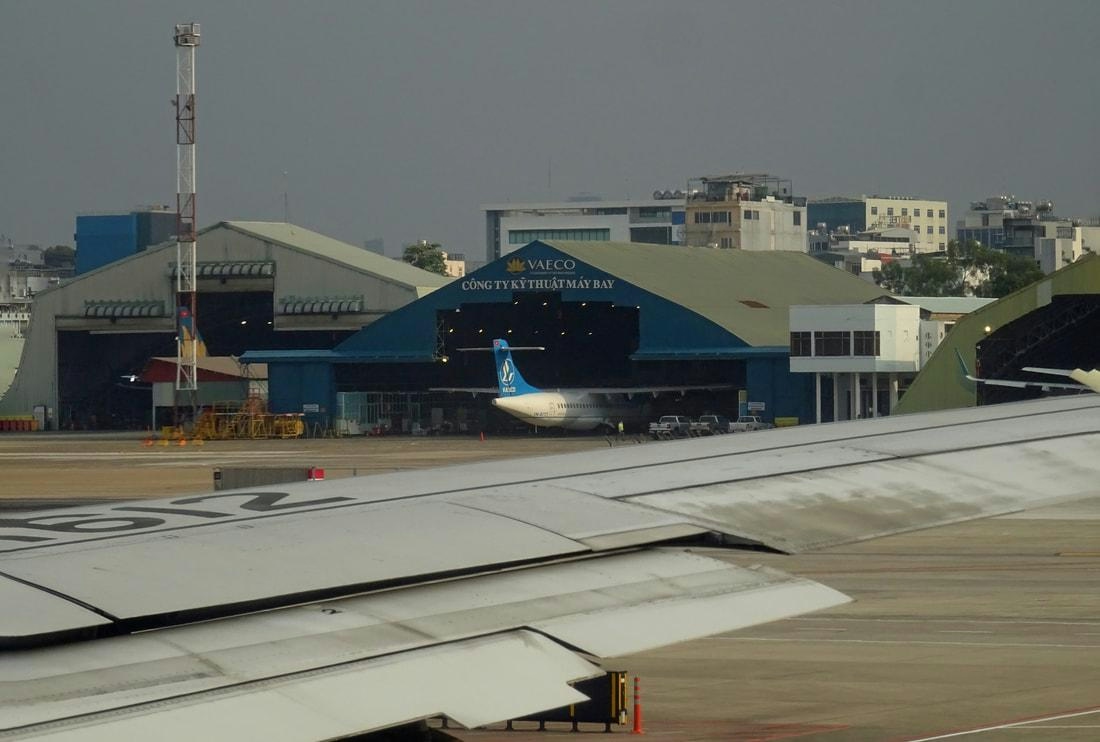
Russia Turns to Vietnam for Aircraft Lease After Ethiopia Declines
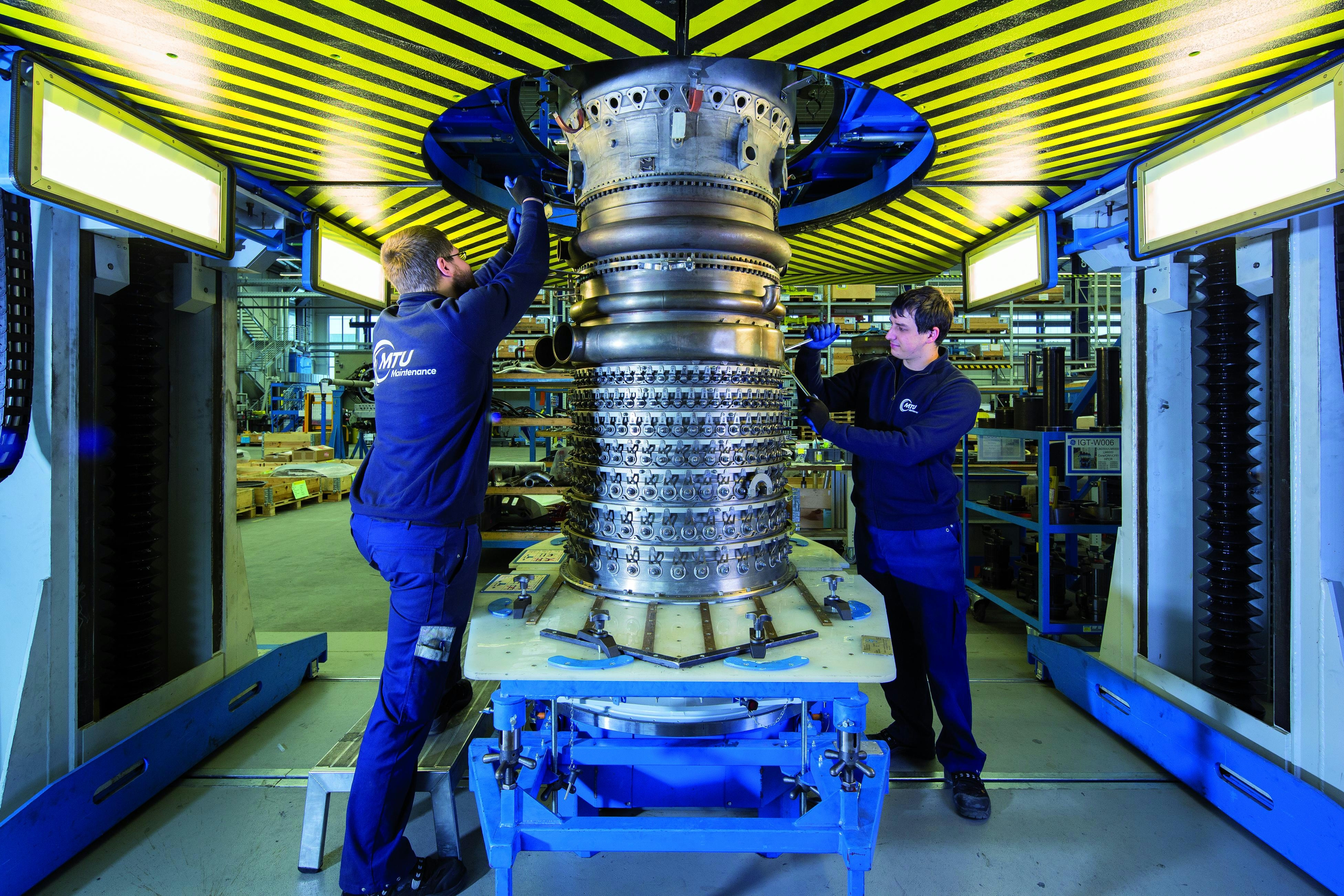
MTU Maintenance Secures First LEAP Engine Contracts in North Africa
Four Governors Over 27 Years Develop Akwa Ibom’s Aviation Sector
