
将人工智能洞察转化为可执行行动

热门趋势
Categories
Joby Secures $500 Million Defense Contract
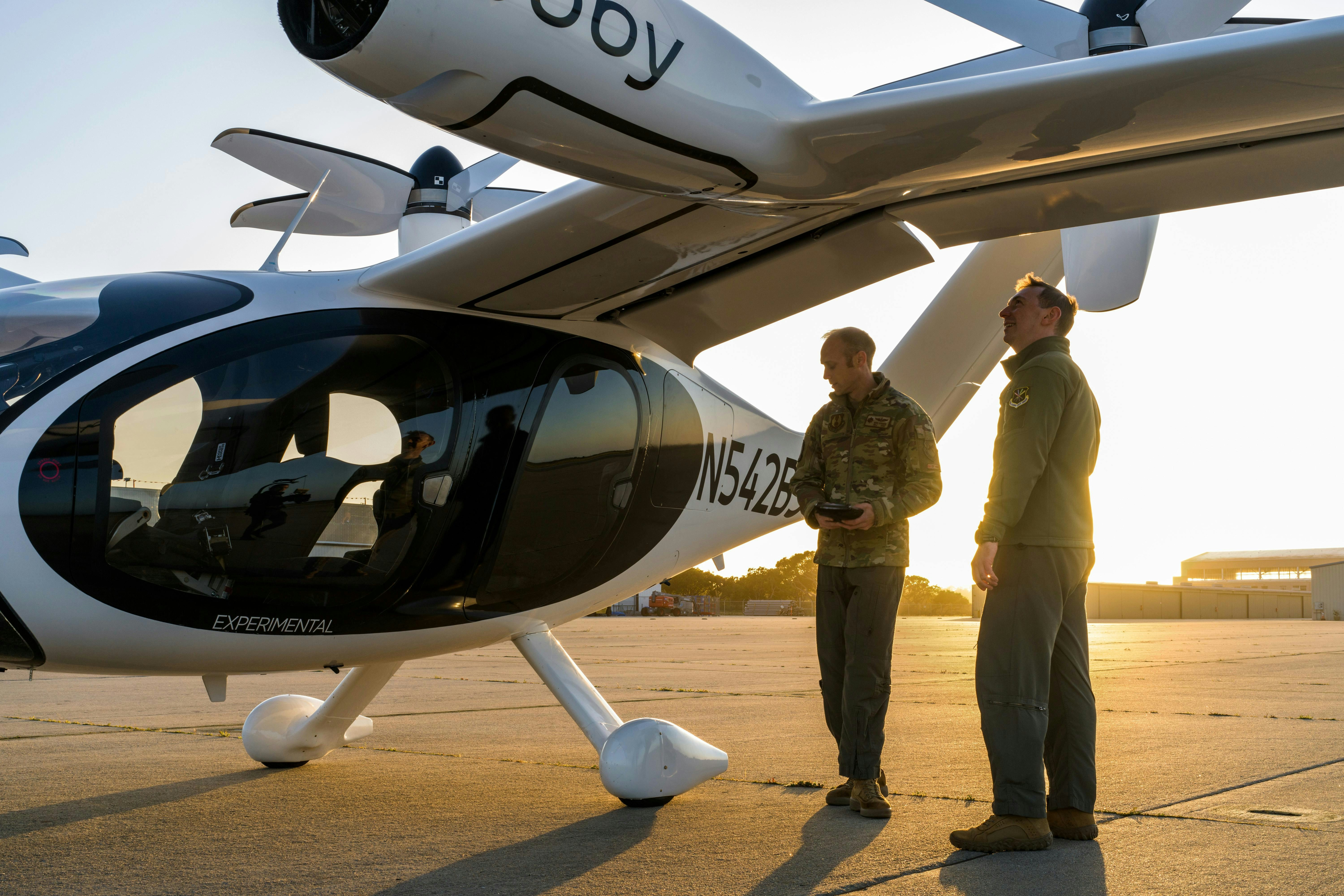
Joby Secures $500 Million Defense Contract
Joby Aviation has announced a landmark $500 million agreement to acquire Resonant Sciences, a defense firm based in Dayton, Ohio. This acquisition marks a significant expansion of Joby’s footprint in the military sector and is expected to close in early 2027. The deal will be financed through $450 million in cash and $50 million in equity. Following the acquisition, Resonant Sciences will operate as Joby’s dedicated defense division, while the company’s commercial operations remain focused on launching its first air taxis later this year.
Strategic Expansion into Defense
This move reflects a broader shift within the electric aviation industry, as companies seek alternative revenue streams beyond urban air taxi services amid rising costs and prolonged regulatory challenges. With commercial air taxi operations still awaiting government approvals in most markets, military contracts have become an increasingly vital source of funding. Joby, like many of its competitors, continues to report significant financial losses, posting a net loss of $245.4 million in the second quarter of 2026 on revenues of $38.6 million.
Founded in 2015, Resonant Sciences employs approximately 250 people and specializes in advanced systems that enable aircraft to operate effectively in complex environments, including warzones. Its portfolio includes sensors, antennas, and signal-processing systems designed for secure communications and intelligence gathering, alongside expertise in low-observability technologies that reduce aircraft detectability. Resonant’s products are already qualified on more than 20 commercial and defense airframes, and many of its employees hold military clearances due to the classified nature of their work.
Joby intends to leverage this acquisition to integrate its propulsion and autonomy technologies with Resonant’s radio frequency, sensing, and mission systems, with ambitions to design and build stealth aircraft. The company’s engagement with the military dates back to 2016, when it joined the Department of Defense’s Defense Innovation Unit project. In 2020, Joby became the first electric vertical takeoff and landing (eVTOL) developer to secure airworthiness approval and flight clearance from the U.S. Air Force. In 2023, it delivered its first aircraft to Edwards Air Force Base for testing.
Challenges and Competitive Landscape
Despite the promising prospects, Joby’s expansion into defense faces several challenges. The company must navigate complex certification processes for autonomous flight systems, potential operational disruptions, and uncertainties regarding the long-term sustainability of its defense partnerships. Meanwhile, competition in the sector is intensifying. Archer Aviation, a key rival, recently unveiled a new aircraft co-developed with defense technology firm Anduril and is actively expanding into defense, drones, and autonomy. This competitive environment is driving both consolidation and innovation across the industry.
Market reactions to Joby’s announcement have been mixed. While investors express optimism about the potential of new defense partnerships, concerns persist regarding the company’s profitability and its ability to execute on ambitious plans. As the electric aviation industry continues to evolve, securing military contracts is emerging as a critical complement to the pursuit of commercial air taxi services.
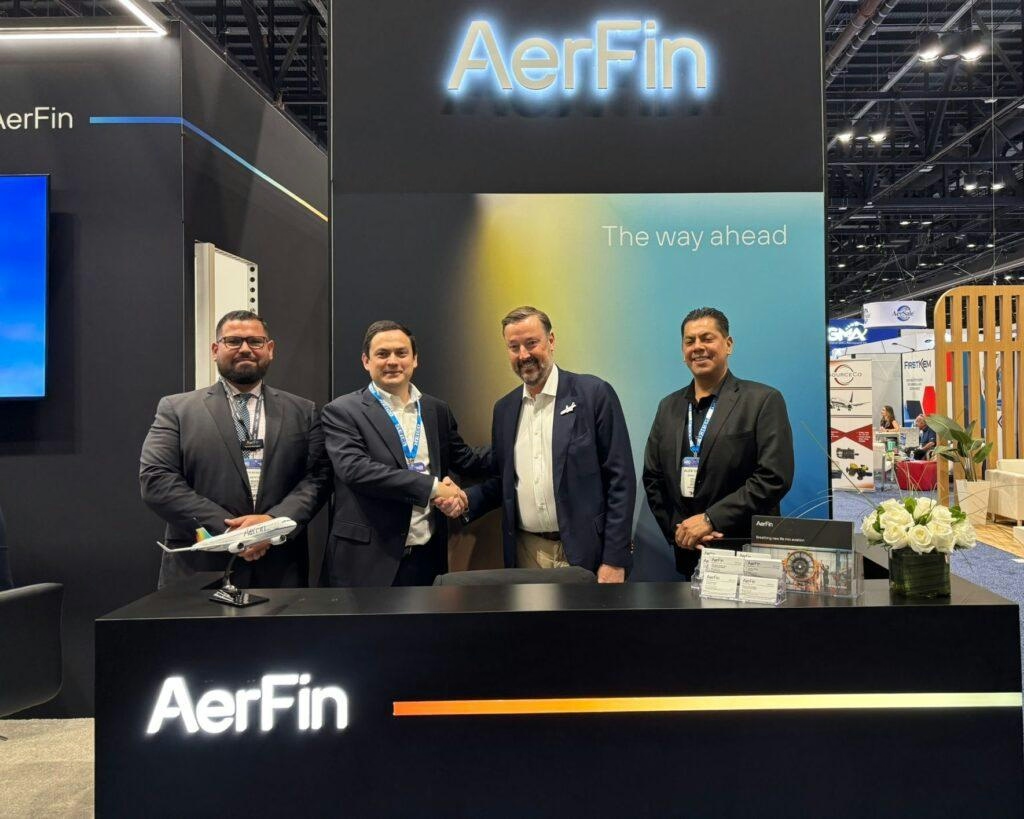
AerFin and Lufthansa Technik Reach Component Supply Agreement

Safety Travels Uses AI Assistant to Streamline Flight Booking and Combat Online Fraud
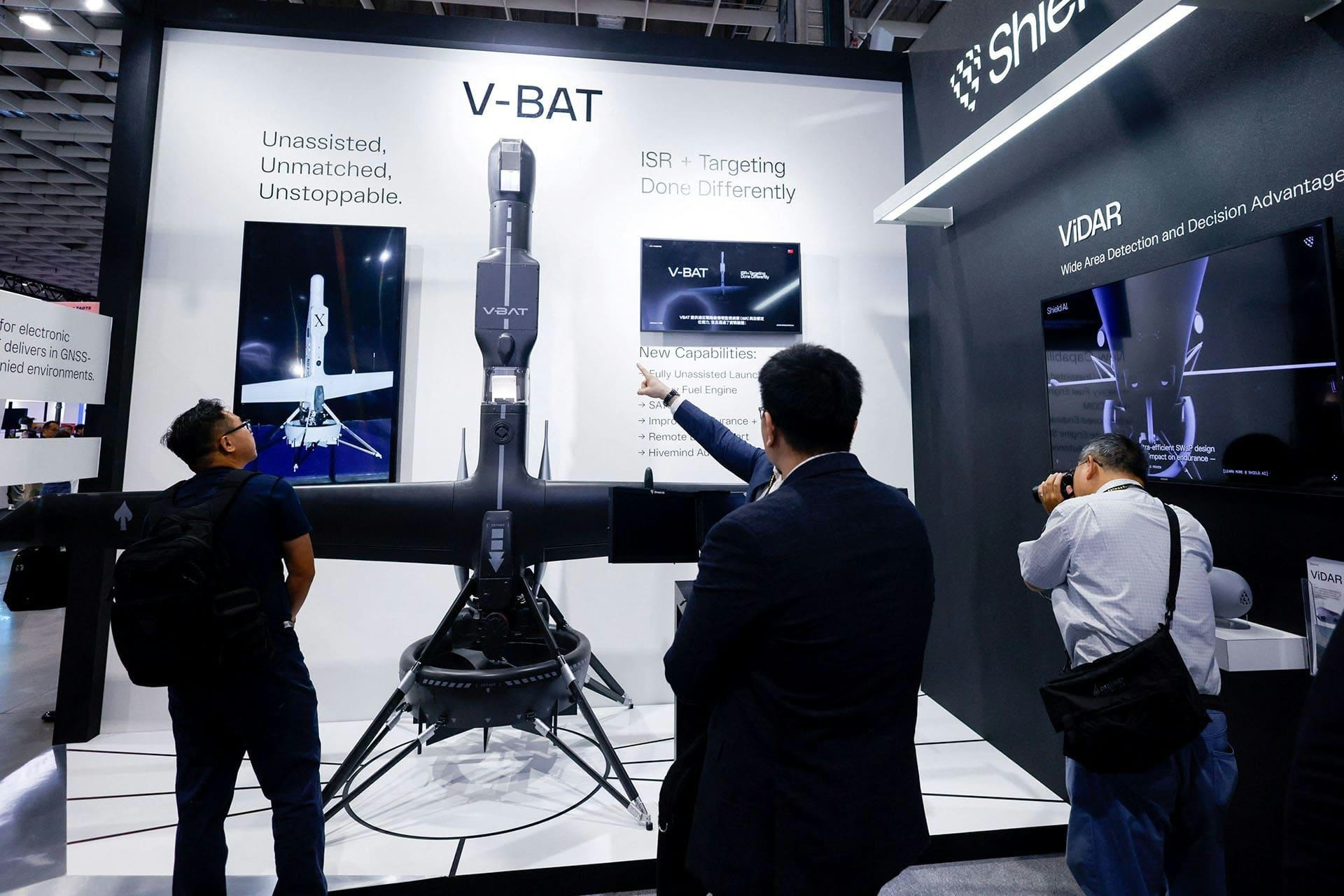
The Impact of AI on the Global Aviation Industry
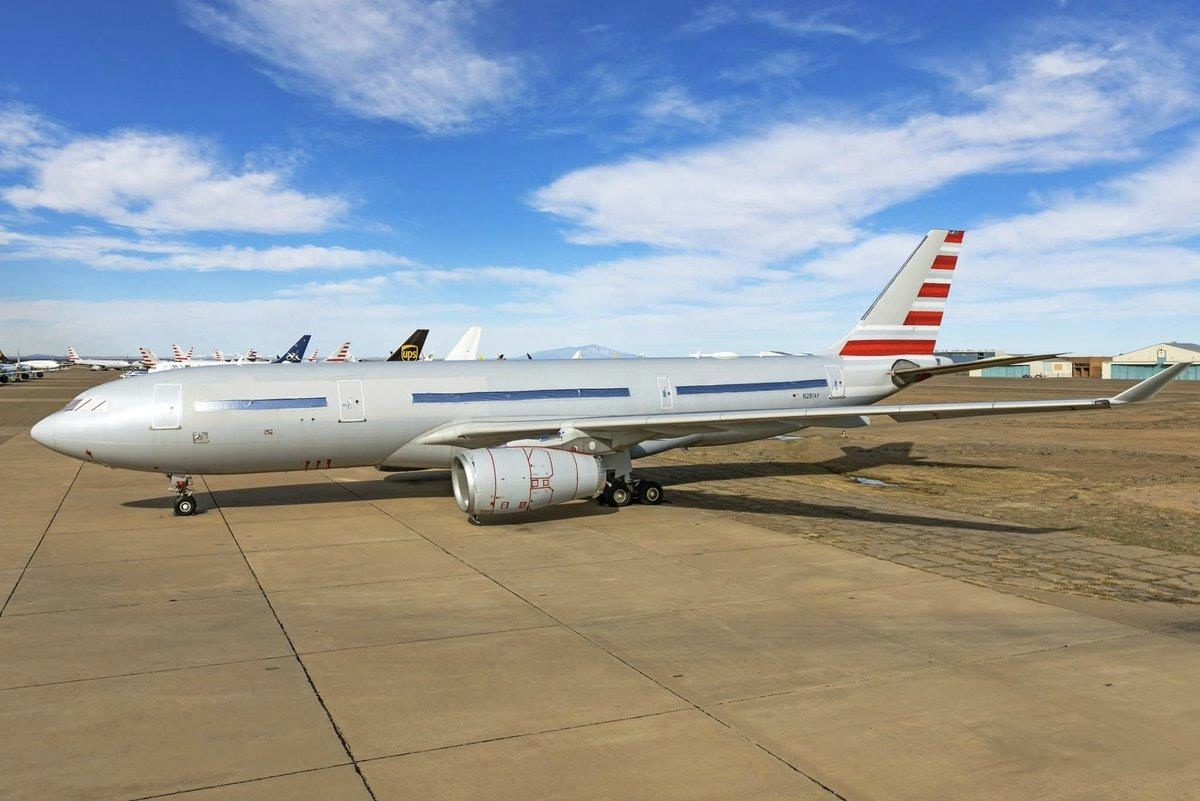
Vietnam’s Sun PhuQuoc Airways to Receive Eight Airbus A330s by April 2027
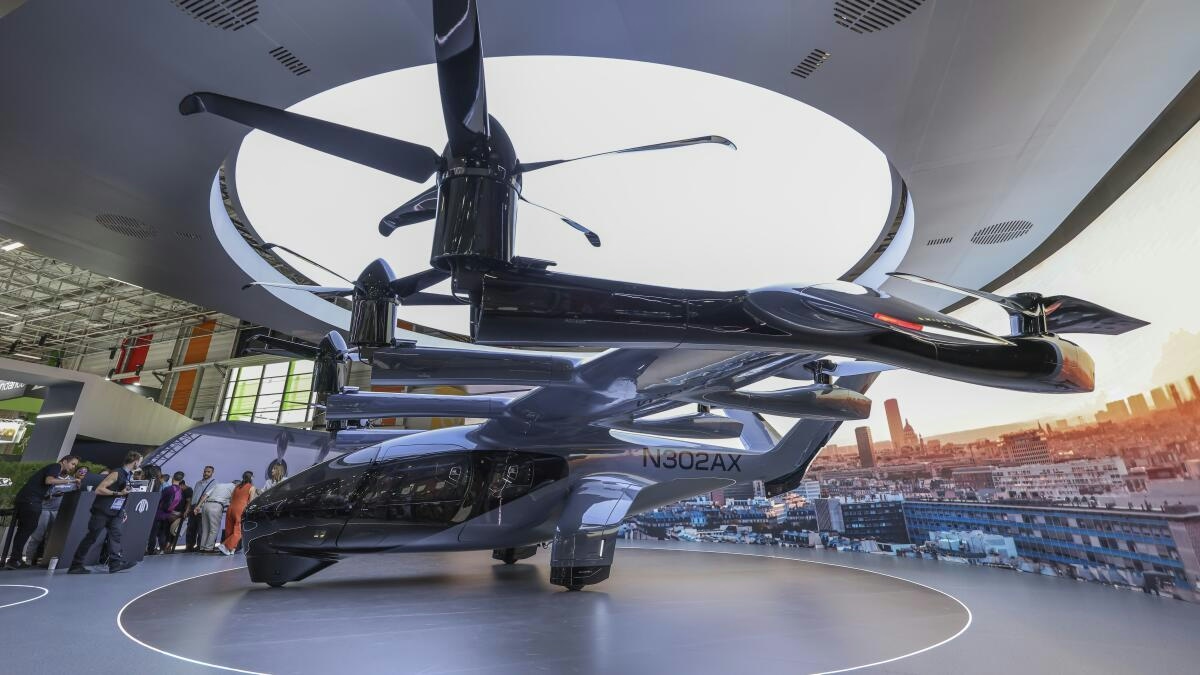
Boeing Deal Shifts Archer’s Strategy as Joby Advances Commercial Air Taxis
Why The Next Generation Of Aircraft Engines May Not Need A Revolutionary New Design
AI Enhances Efficiency at Asian Airports Using Existing Capacity
Florida governor touts air taxi testing, hoping to ease interstate traffic
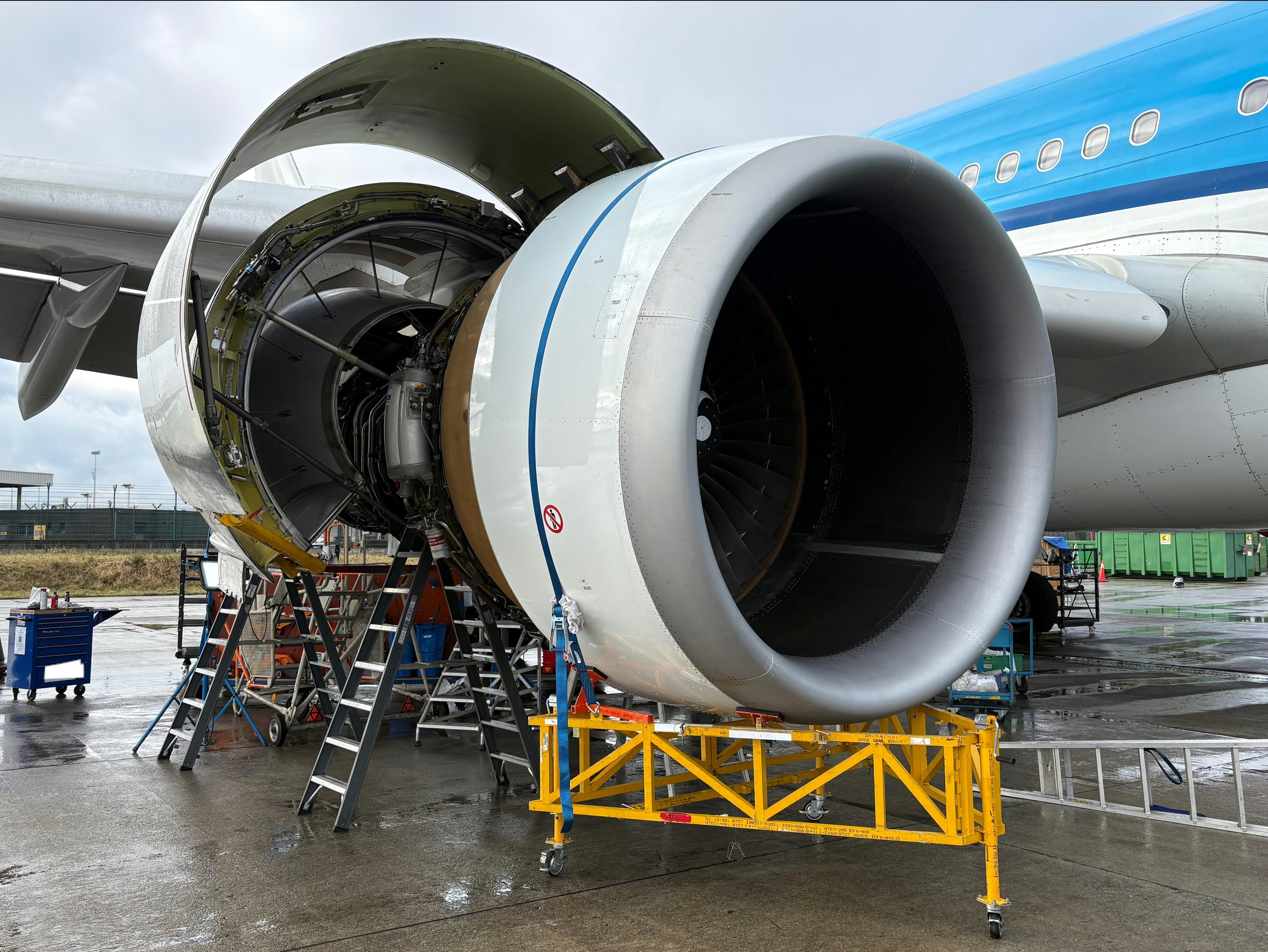
CF6 Thrust Reverser RVDT Explained
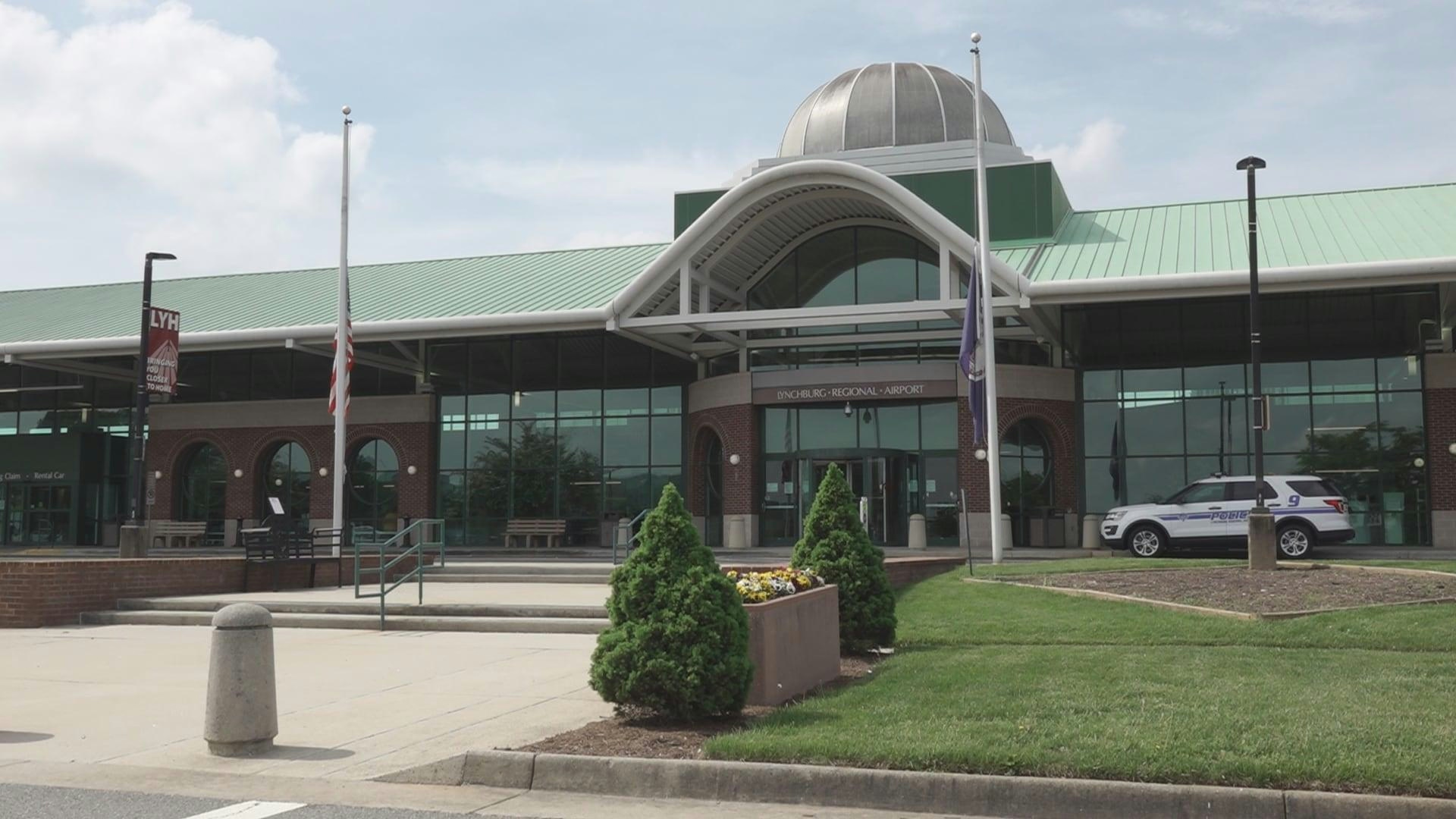
Lynchburg Regional Airport Receives $5.2 Million Federal Grant for Infrastructure Expansion
