
将人工智能洞察转化为可执行行动

热门趋势
Categories
New CF6 Engines Improve Fuel Efficiency of the C-5M Galaxy
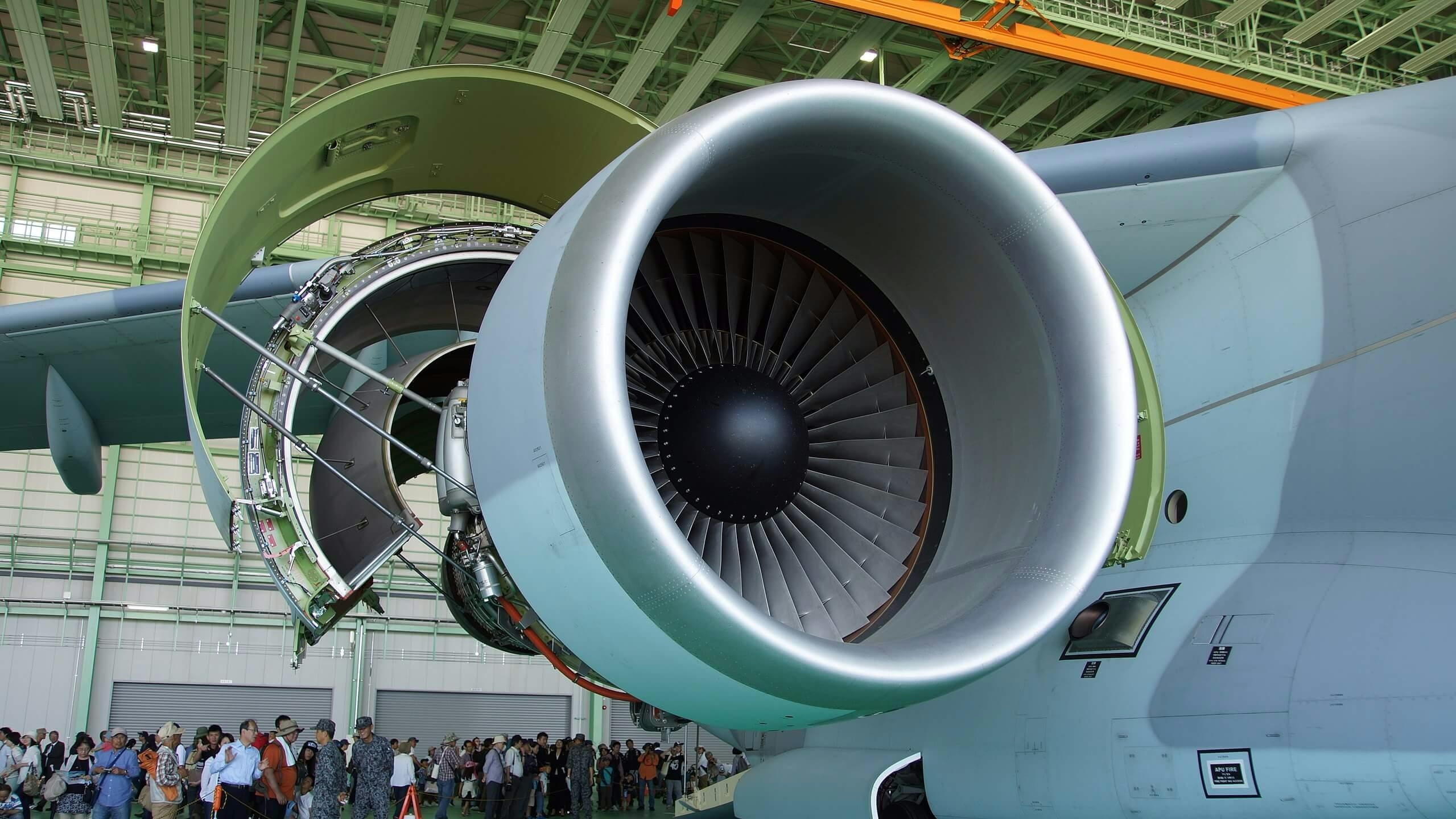
New CF6 Engines Enhance Fuel Efficiency and Longevity of the C-5M Galaxy
The Lockheed Martin C-5 Galaxy has been a cornerstone of the United States Air Force’s (USAF) strategic airlift capabilities for more than fifty years, playing a critical role in numerous military operations worldwide. However, by the early 2000s, the aircraft’s original TF39 engines were increasingly inadequate, exhibiting declining performance, heightened maintenance requirements, and persistent shortages of spare parts. These issues posed significant risks to the operational readiness of the fleet.
Modernization Through the F138 Turbofan Engine
In response to these challenges, the USAF adopted the F138 turbofan, a military variant of General Electric’s CF6-80C2 commercial engine. This upgrade brought substantial improvements in performance, reliability, and, most importantly, fuel efficiency. These enhancements have extended the service life of the C-5M Galaxy, ensuring its continued relevance in the USAF’s strategic airlift operations through at least 2040.
The C-5 Galaxy, the largest aircraft in the Air Force inventory, was first delivered to the 437th Airlift Wing at Charleston Air Force Base in June 1970. Over the following decades, the fleet was heavily utilized in major conflicts and operations, including the Vietnam War, Operation Just Cause, and Operations Desert Shield and Desert Storm. The aircraft’s missions ranged from transporting heavy equipment to conducting medical evacuations and supporting logistics for U.S. and allied forces. By 2006, the original TF39 engines had accumulated over two million flight hours, resulting in diminished fuel efficiency, reduced thrust, and lower mission-capable rates.
Recognizing that the airframes retained approximately 80 percent of their service life, the Air Mobility Command launched a comprehensive modernization initiative in 1998. Lockheed Martin secured a contract in 2001 to execute the C-5 Reliability Enhancement and Re-engining Program (RERP), initially focusing on four aircraft. The first F138 engines were delivered for testing in 2004, with the inaugural flight occurring in June 2006. By 2009, a $299 million production contract was awarded for nine aircraft, contributing to an overall program value of around $4.5 billion. The final upgraded C-5 was delivered in 2014, and by 2018, 52 aircraft had been modernized, including 49 C-5Bs, two C-5Cs, and one C-5A. These upgraded models were redesignated as the C-5M Super Galaxy, with the C-5Cs receiving the C-5M-SCM (Space Cargo Modification) designation.
Impact and Industry Response
The integration of the CF6-based engines required extensive testing and certification to meet stringent safety and reliability standards. The resulting improvements in fuel efficiency have attracted attention beyond the military sector, stimulating interest among commercial and logistics operators seeking more efficient airlift solutions. This trend has prompted competitors to accelerate their own engine development programs. Notably, Rolls-Royce is advancing its UltraFan 30 concept, while CFM has certified durability kits for the Leap 1B engine to achieve performance gains comparable to those of the C-5M Galaxy.
With these upgrades, the C-5M Super Galaxy exemplifies the benefits of modernization, combining a proven airframe with advanced propulsion technology to address the evolving demands of global air mobility.
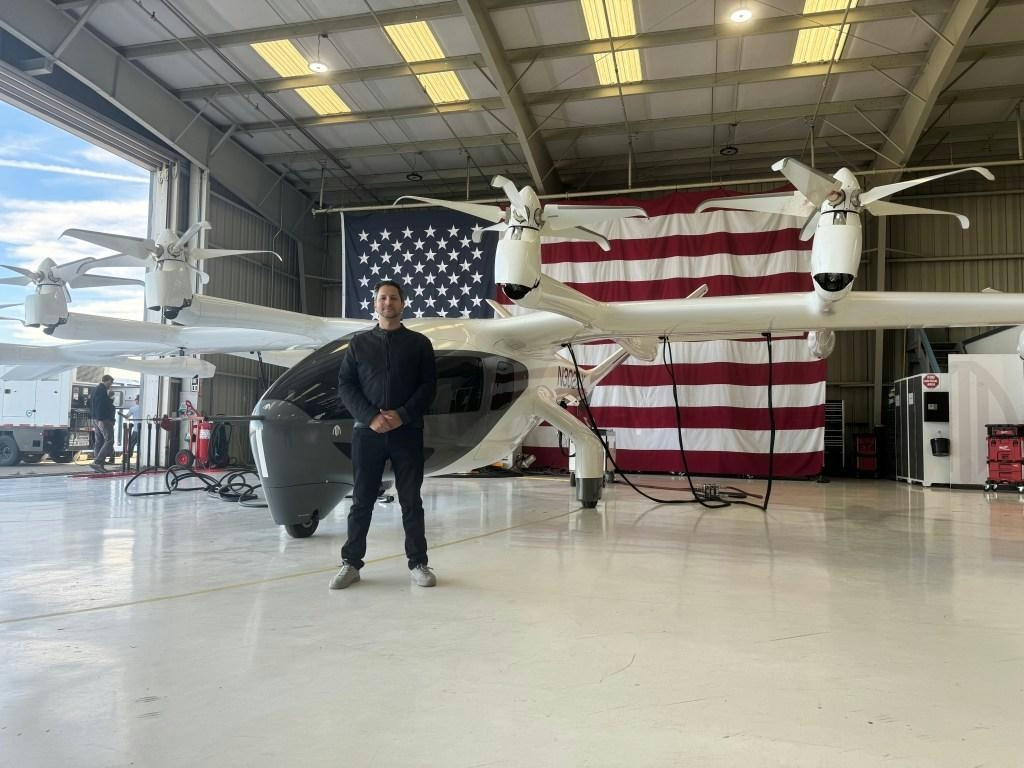
Archer Shares Rise 20% Following Military eVTOL Deal with Anduril
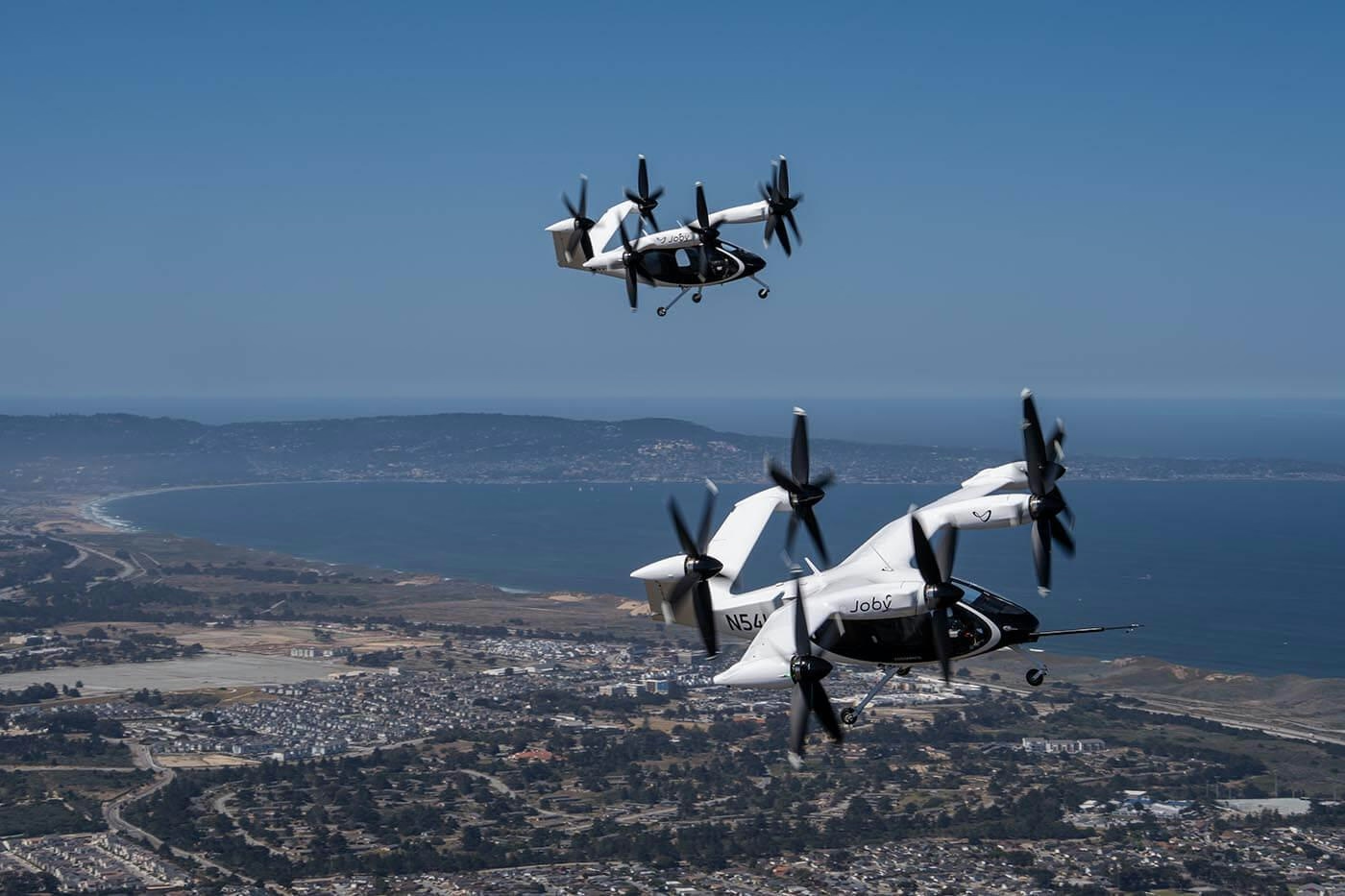
Advancing Sustainable Aviation with Additive Manufacturing and Collaboration
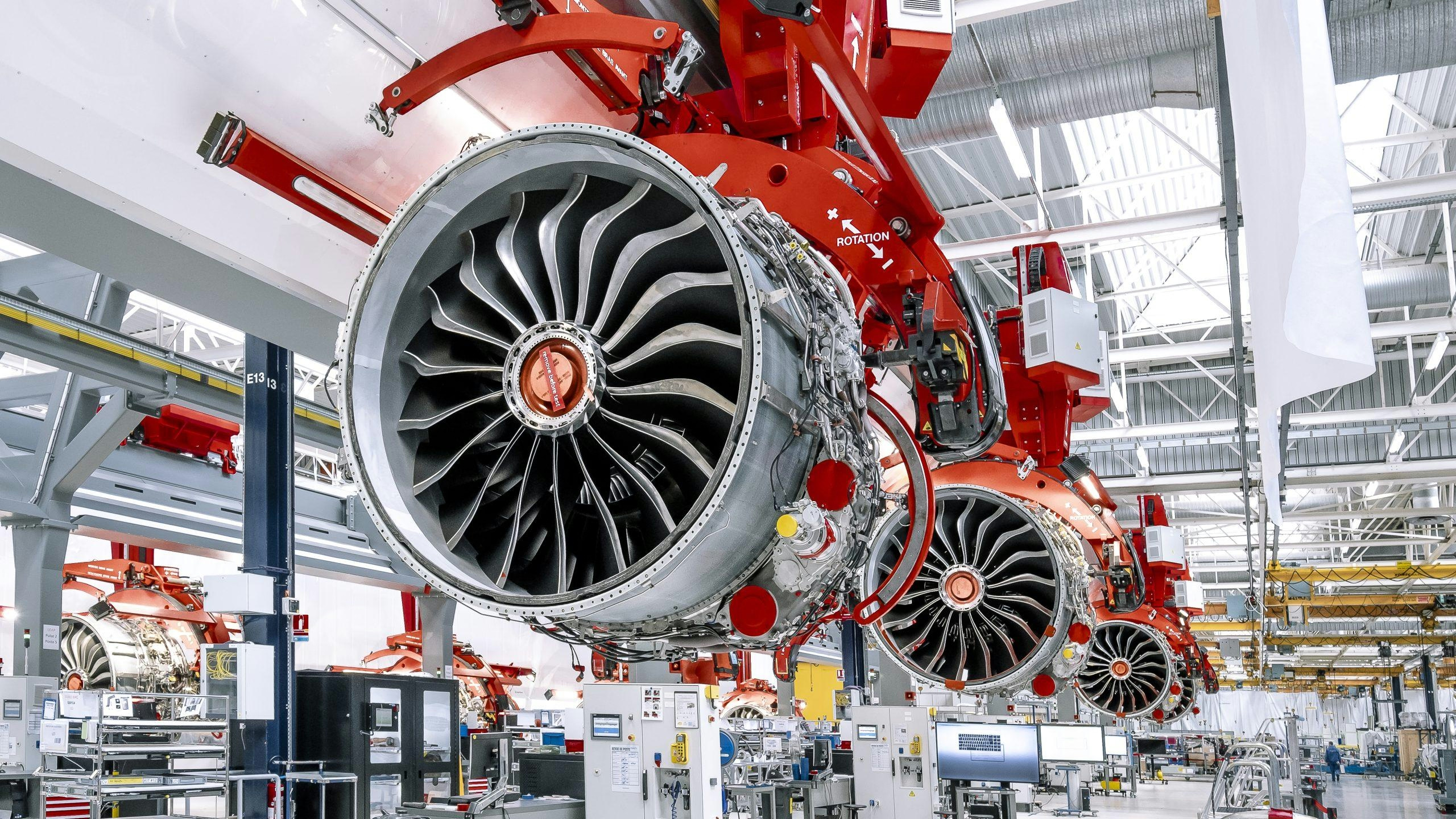
IndiGo Finalizes Largest LEAP Engine Order with 1,000 Units
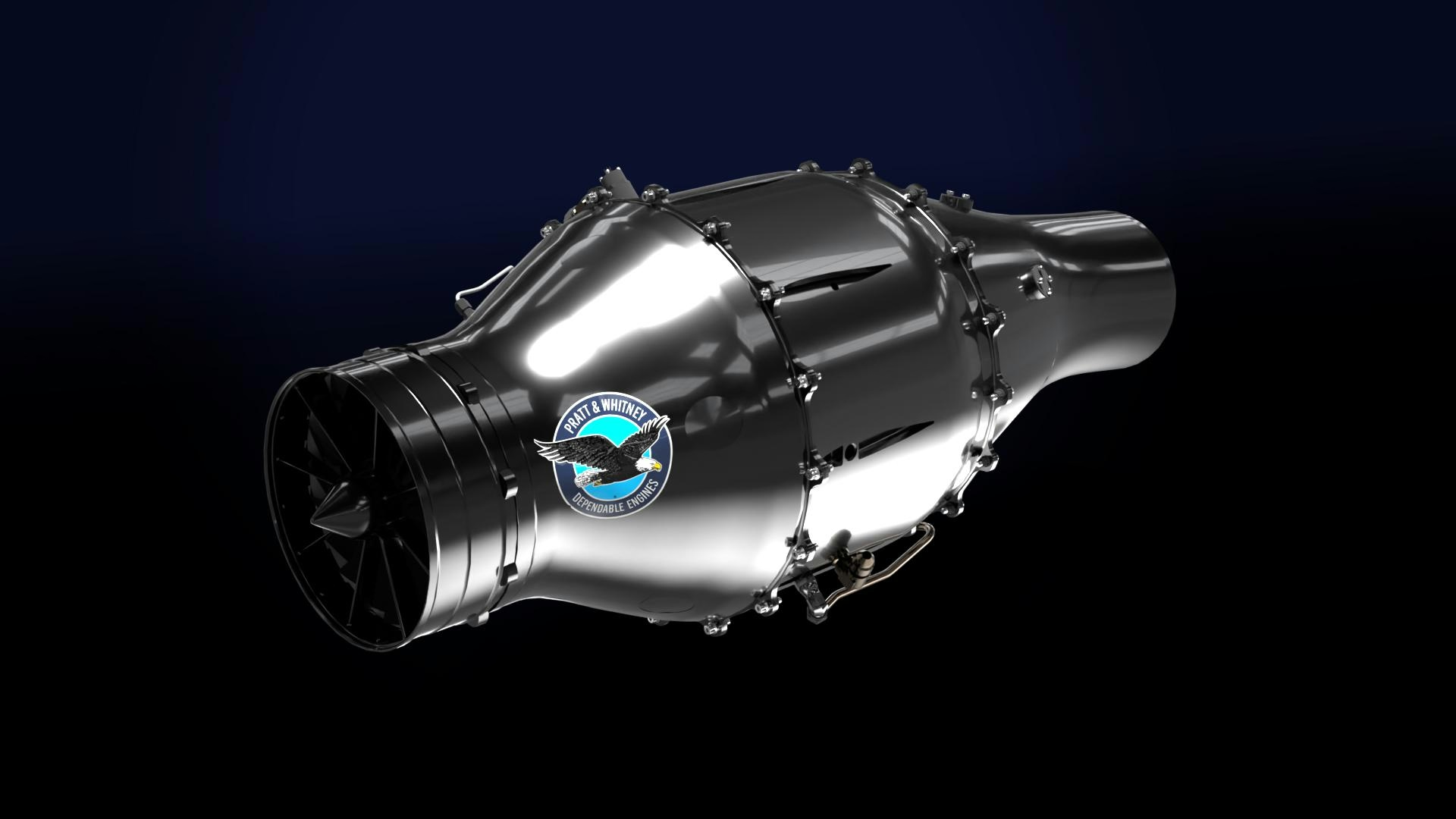
Pratt & Whitney Unveils Valox Small Engine for Uncrewed Fighters
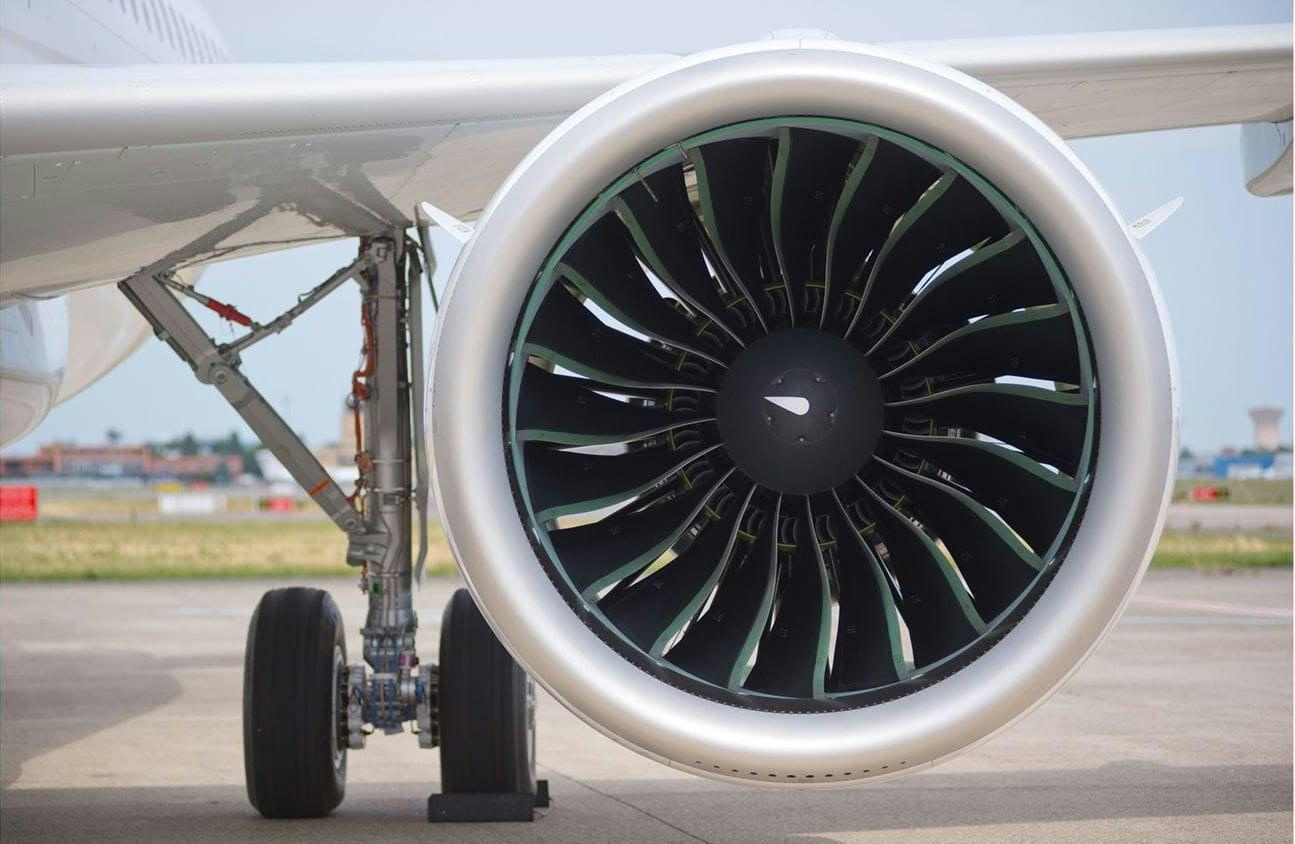
SMBC Orders 100 Airbus A320neos at Farnborough Airshow
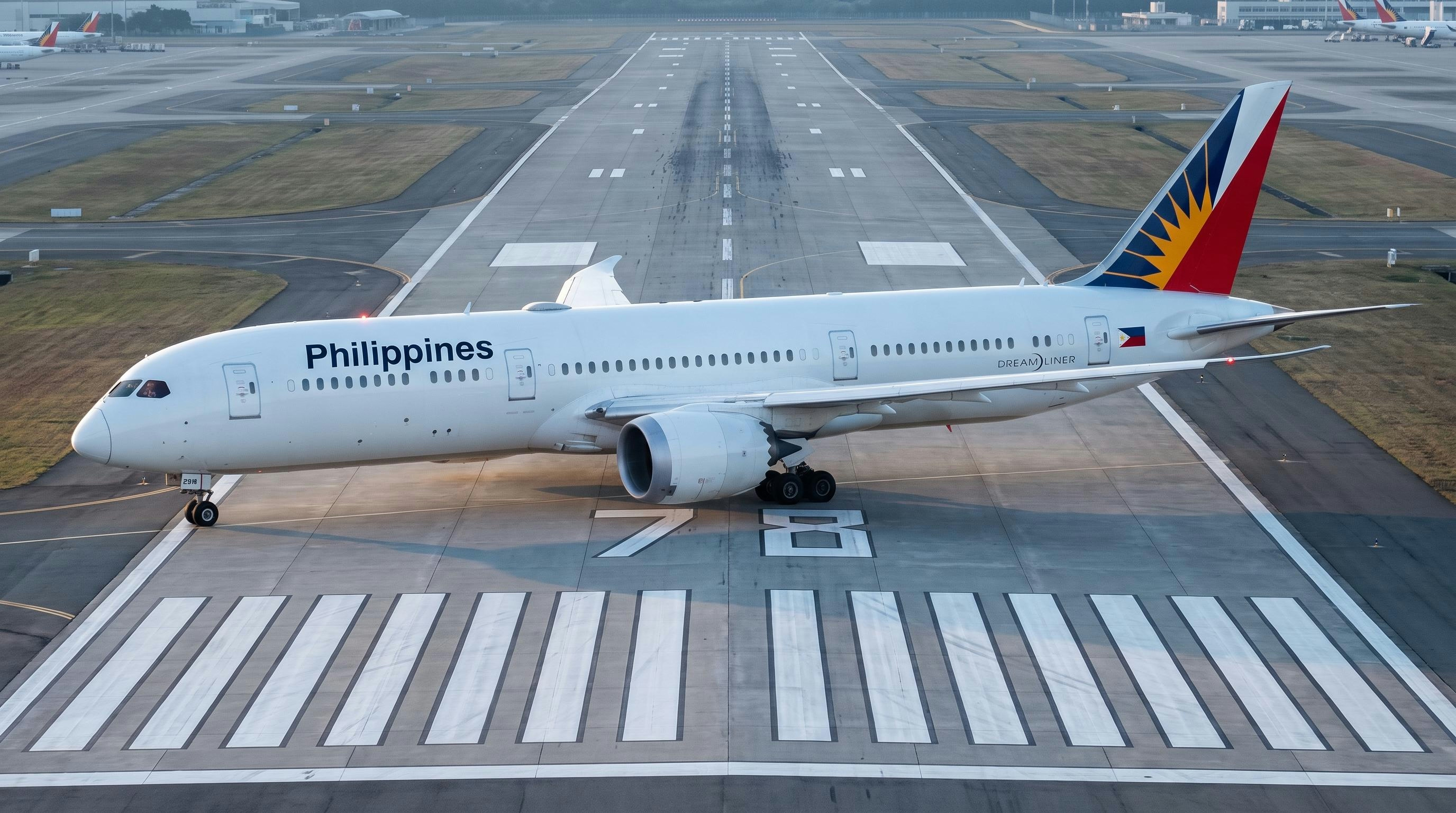
Philippine Airlines Orders Boeing 787-10, Ending Long Gap
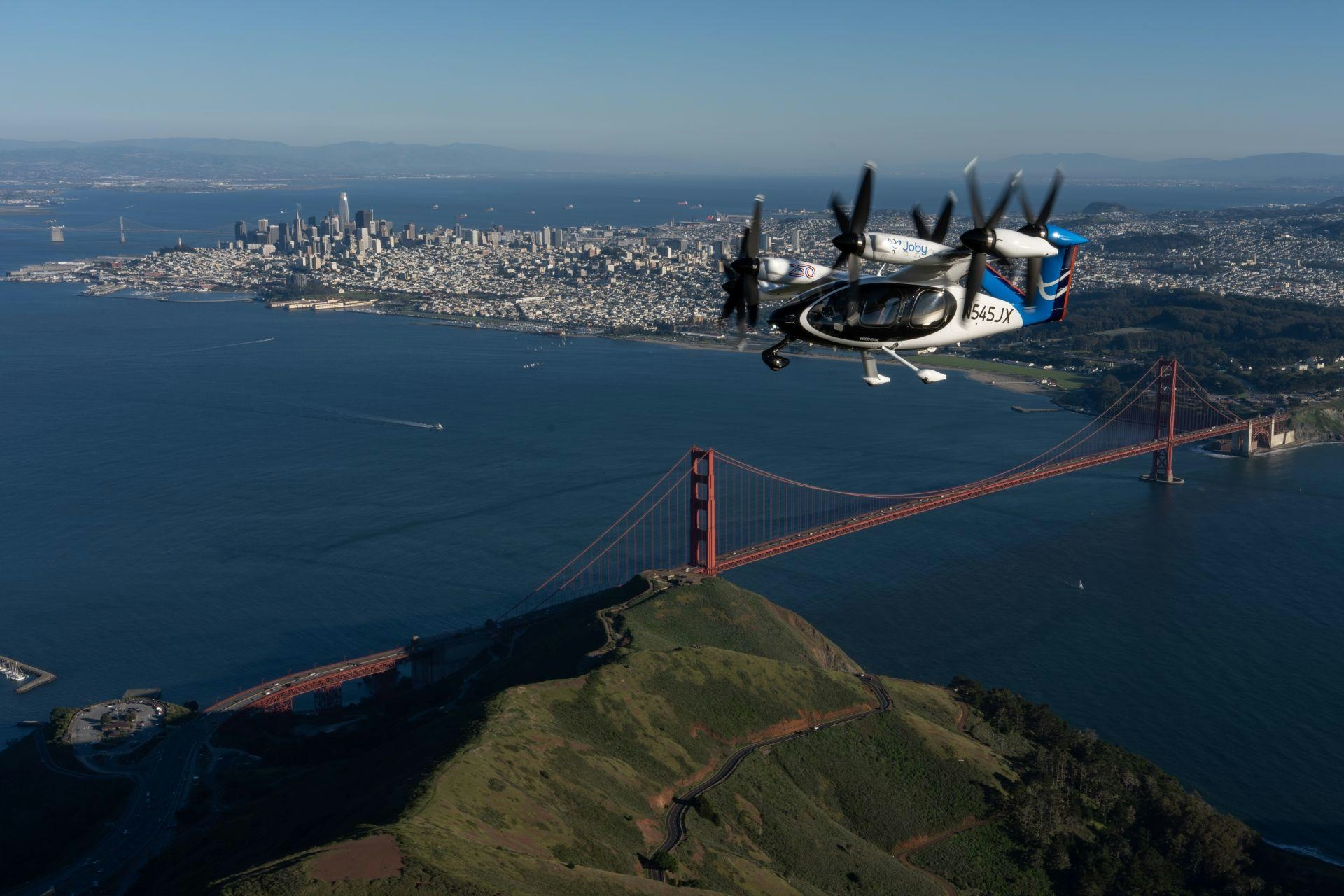
Joby and Electra Executives Highlight Potential of Air Taxi Market
Boeing and Airbus Announce New Aircraft Orders at Farnborough Airshow
Honeywell Signs Major Avionics and APU Agreement with IndiGo for 2026
GE Aerospace Announces Advance in Hybrid-Electric Flight Technology
