
将人工智能洞察转化为可执行行动

热门趋势
Categories
No survivors found after passenger plane crashes in Russia’s far east
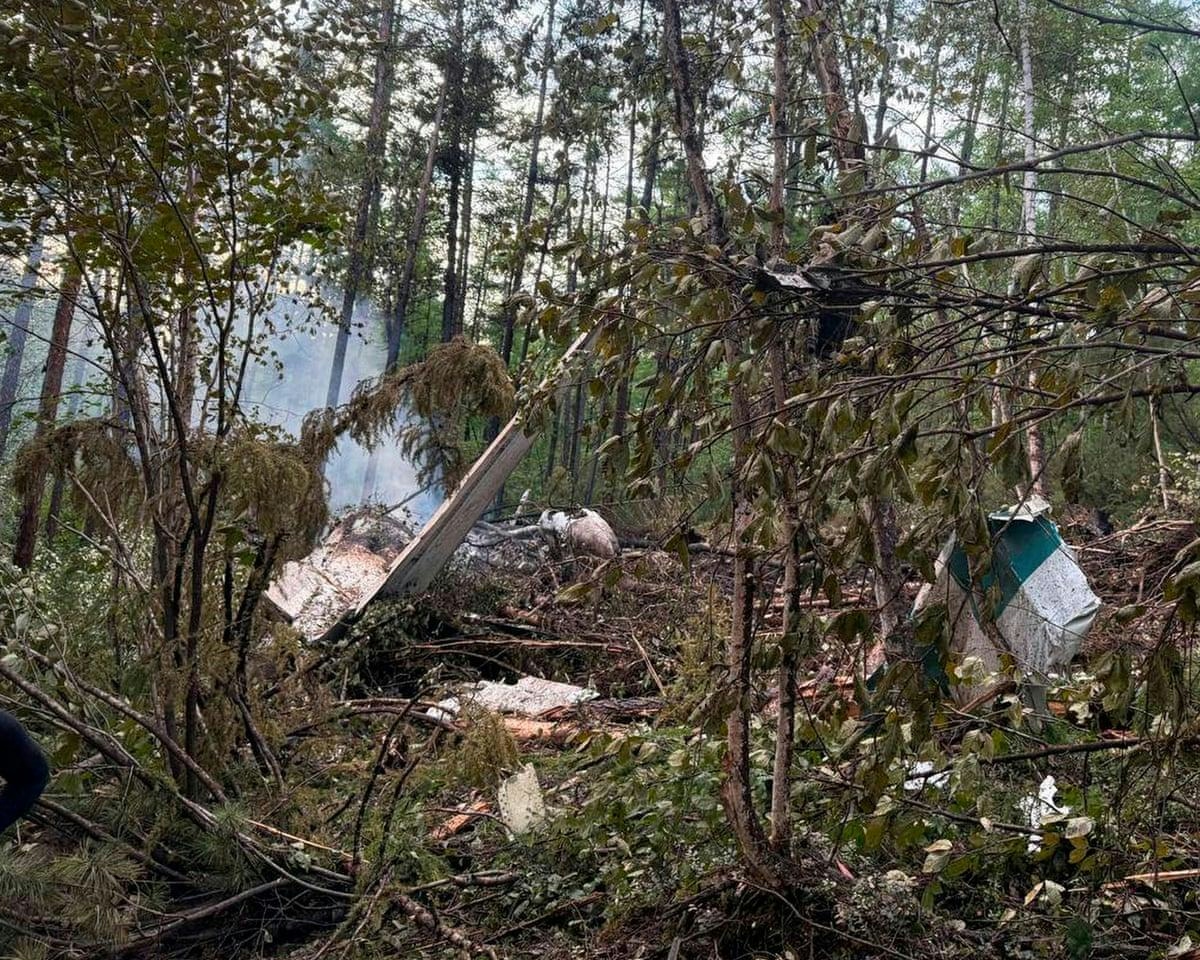
No Survivors Found After Passenger Plane Crashes in Russia’s Far East
A passenger aircraft carrying 49 people has crashed in Russia’s Far East while approaching the remote town of Tynda, near the Chinese border. The An-24 turboprop, operated by Siberia-based Angara Airlines, disappeared from radar shortly before its scheduled landing. Emergency services later located the wreckage on a mountainside approximately nine miles (15 km) from Tynda airport, where aerial inspections confirmed that there were no survivors.
Rescue Efforts and Initial Reports
Authorities have deployed ground teams to continue search operations, though hopes of finding survivors remain slim. Russian media footage from the crash site showed thick smoke rising above a densely forested area, highlighting the difficult conditions faced by rescue personnel. Regional governor Vasily Orlov provided preliminary information indicating that the aircraft was carrying 43 passengers, including five children, along with six crew members. Orlov stated on Telegram that “all necessary forces and means have been deployed to search for the plane.” The Russian emergencies ministry initially reported around 40 people on board but later confirmed the higher figure.
The An-24 had been operating along the Khabarovsk–Blagoveshchensk–Tynda route and reportedly failed to pass security checks near its final destination. Emergency teams remain at the scene as investigations into the cause of the crash are underway.
Implications for Regional Aviation Safety
The absence of survivors in this tragedy is expected to intensify scrutiny of Angara Airlines’ safety record and operational protocols. Aviation analysts suggest that the incident could temporarily undermine passenger confidence in regional carriers, potentially prompting travelers to favor more established airlines. In response, competitors may implement enhanced safety measures and issue public reassurances regarding their operational standards.
This crash also underscores broader concerns about aviation safety and regulatory oversight in Russia’s Far East, a region characterized by challenging terrain and harsh weather conditions. As investigators work to determine the cause of the accident, the incident is likely to prompt renewed calls for improved safety standards and stricter oversight across the regional aviation sector.

American Airlines Plans to Receive New Aircraft Deliveries in 2026

Delta Flight Returns to Atlanta Airport Due to Engine Trouble

Samoa Airways Recovers Damaged DHC-6-300 Aircraft

Man Ingested by Frontier Airlines Engine Marks Denver’s Sixth Airfield Security Breach in Three Years

The Advantages and Disadvantages of Owning Versus Leasing a Private Jet

Former Spirit Employees Express Concerns Over AI Partnership With Google

China Certifies Pilotless Air Taxi for Export; Sri Lanka First Buyer

US Pilot Hourly Pay Ranges from $90 for Regional to $465 for Widebody Flights

NASA Chooses University Teams to Support Aviation Research

Airbus Conducts Freighter First Flight as Delivery Figures Influence Stock
