
将人工智能洞察转化为可执行行动

热门趋势
Categories
Southwest Airlines Boeing 737 Returns to Austin After Engine Debris Found
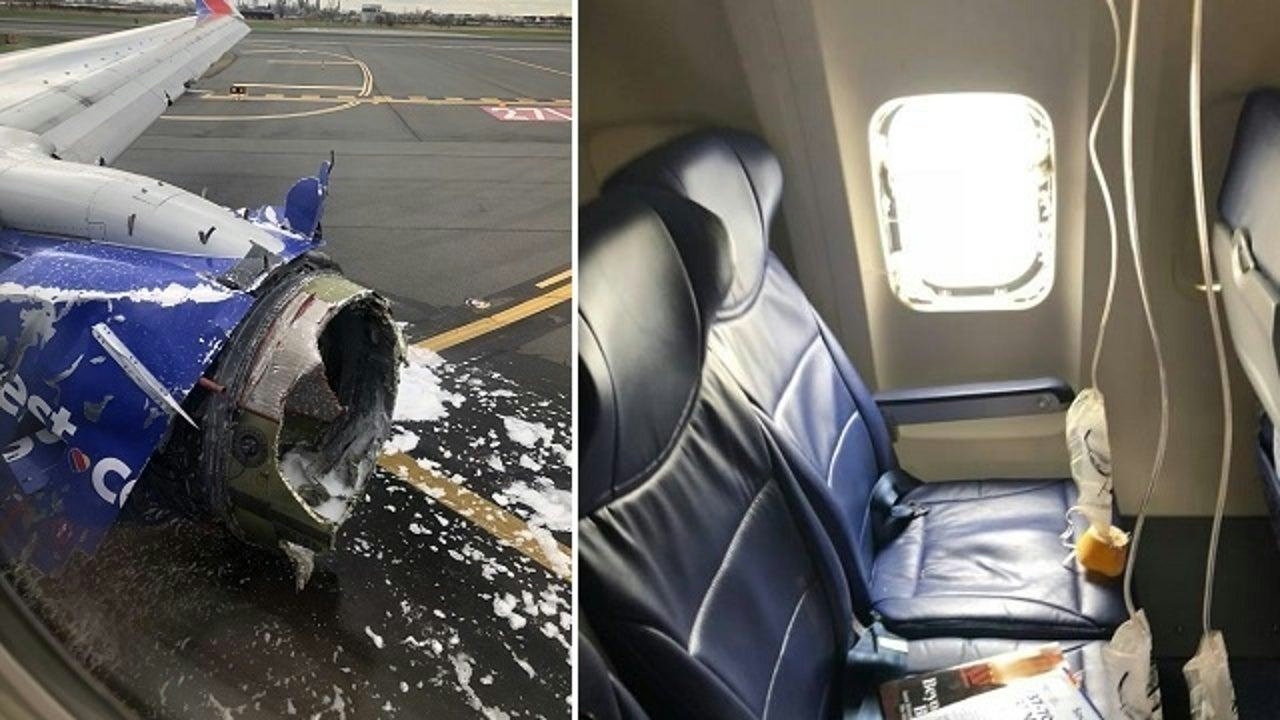
Southwest Airlines Boeing 737 Returns to Austin After Engine Debris Found
A Southwest Airlines Boeing 737 was compelled to return to Austin–Bergstrom International Airport on Thursday after pilots detected issues with the aircraft’s right-hand engine. The 21-year-old jet, operating as Southwest flight WN-375, departed Austin at approximately 11:53 a.m. on June 4, en route to Phoenix. Shortly after takeoff, while climbing to 13,000 feet, the flight crew reported engine trouble to air traffic control and requested an immediate diversion back to Austin.
Incident and Response
Adverse weather conditions delayed the aircraft’s return, forcing the pilots to descend to around 5,000 feet and circle north of the airport before receiving clearance for approach. Flight tracking data from Flight Radar 24 indicates the plane landed safely roughly 40 minutes after departure. Emergency services were on standby as the aircraft touched down and briefly held on the runway for inspection by airport fire crews. After being cleared, the plane taxied under its own power to the terminal, where passengers disembarked without incident.
A subsequent inspection revealed what the Federal Aviation Administration (FAA) described as “metal debris and damage to the right engine.” Although the pilots did not receive an engine fire warning during the event, the severity of the situation justified the precautionary return and emergency response. The aircraft has remained grounded since, while investigators continue to determine the source of the metal debris.
Safety Concerns and Industry Context
This incident has prompted immediate questions regarding aircraft safety and maintenance protocols at Southwest Airlines. The airline may face heightened scrutiny from regulators and the public, with potential repercussions for customer confidence and operational reliability. Industry analysts observe that such events often lead competitors to emphasize their own safety records and can intensify broader debates about regulatory oversight and the challenges of maintaining aging aircraft fleets.
The episode occurs amid increased industry vigilance over engine safety following previous high-profile incidents. Notably, in 2018, a Southwest Boeing 737 experienced a catastrophic engine failure resulting in a fatality, which led the FAA to mandate design modifications to the engine cowlings of Boeing 737 Next Generation (NG) aircraft. However, airlines are not required to complete these upgrades until 2028, meaning some aircraft continue to operate with older engine designs.
As the FAA investigates the cause of the recent engine damage, Southwest Airlines confronts the dual challenge of addressing immediate safety concerns while managing potential operational and reputational consequences. The findings of this investigation may have broader implications for the airline industry, particularly concerning the pace of safety enhancements and the adequacy of current regulatory frameworks.

Amadeus and Accenture Introduce AI Travel Advertising Platform to Help Hotels and Airlines Optimize Campaigns
First Flight of Pratt & Whitney PurePower PW1100G-JM Engine
Pratt & Whitney’s GTF Engine Presents Unexpected Challenges for Airlines
AI and eVTOL Developments Signal Growing Need for Aviation Training
Adam Goldstein Discusses Archer’s Electric Air Taxis
Military Aviation Maintenance Market Expected to Reach $59.8 Billion by 2035
Qatar Airways Increases Widebody Flights on Doha-Dubai Route
Airbus Reports 379 Orders and 81 Deliveries in May 2026
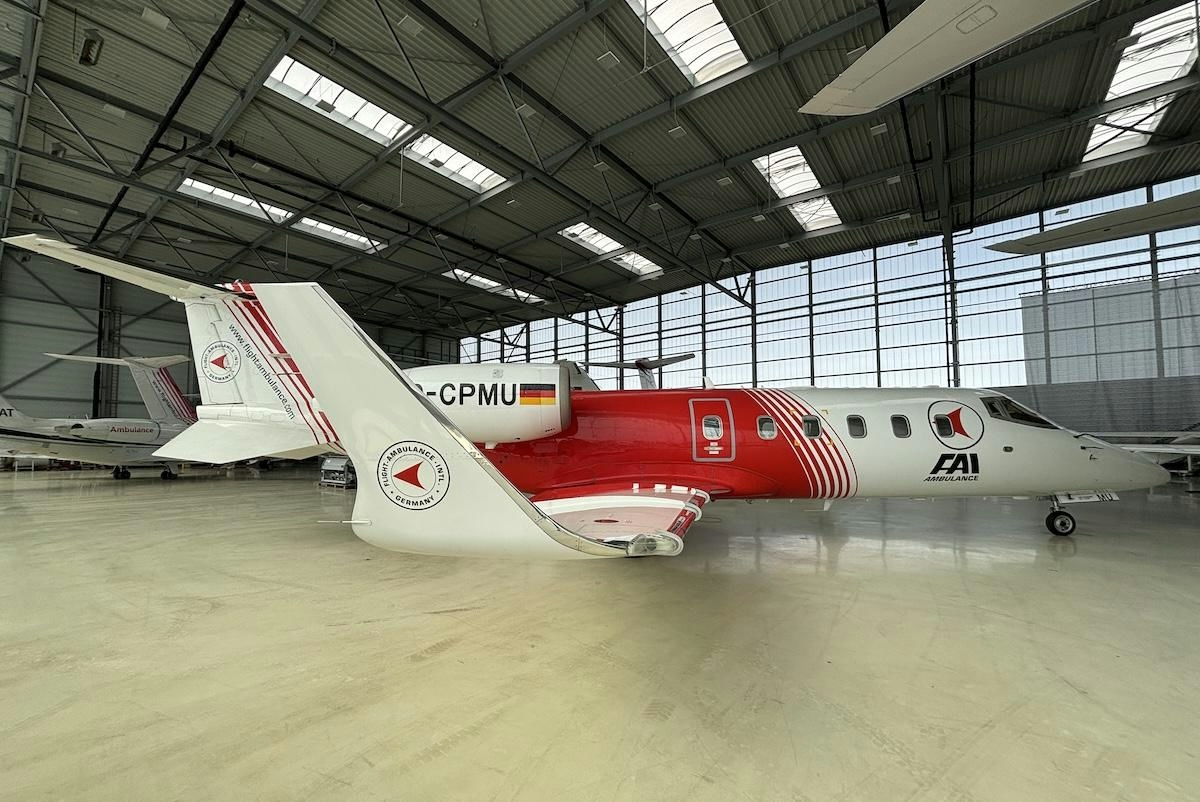
FAI Aviation CEO Discusses Building a Mission-Critical Team
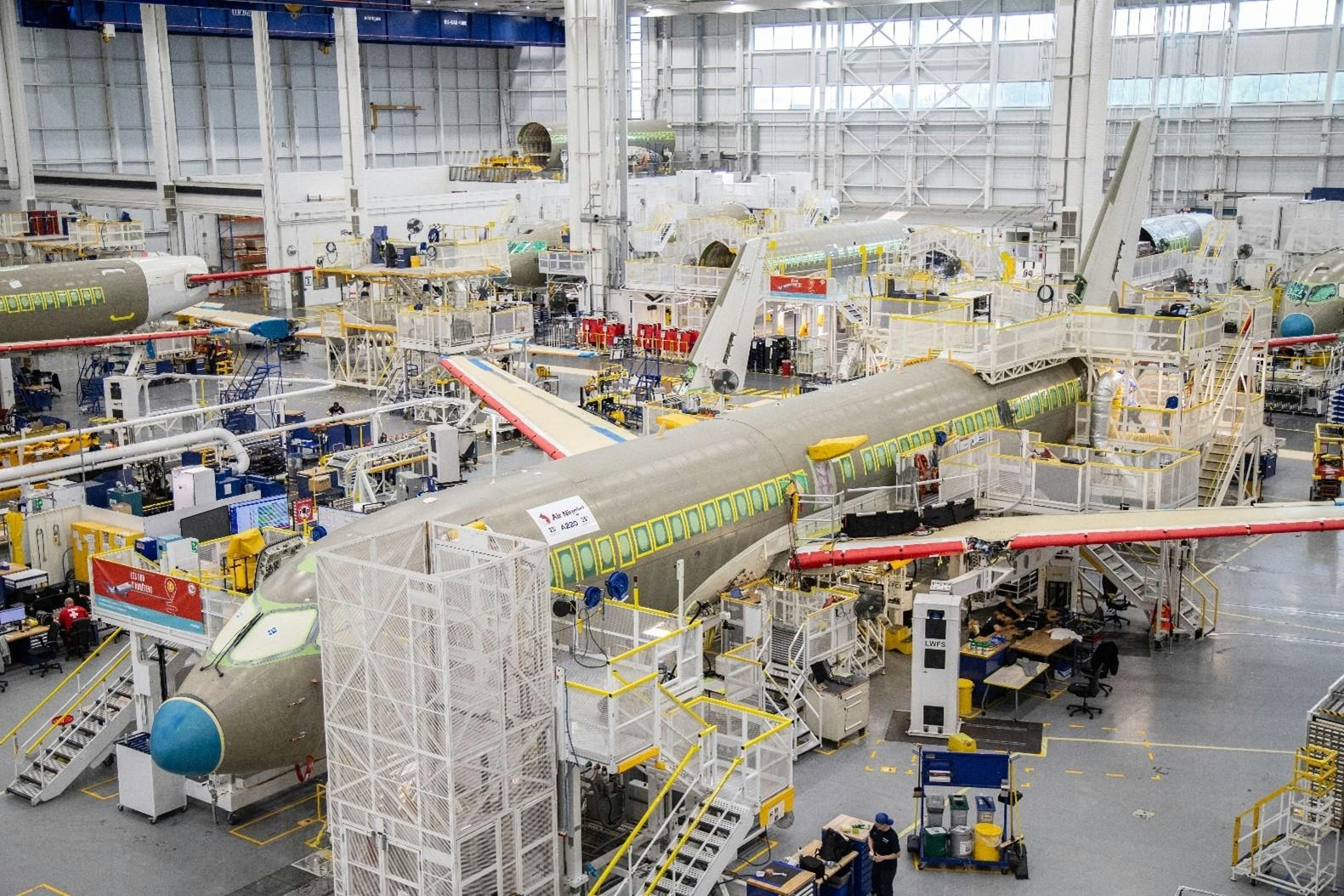
Airbus Outlook for May 2026 Highlights China’s Growing Influence
