
图像

将人工智能洞察转化为可执行行动

立即加入 AeroGenie 候补名单!

热门趋势

Categories

The Impact of Aviation Leasing on Modern Lifestyles
January 31, 2026By ePlane AI
The Impact of Aviation Leasing on Modern Lifestyles
0
0
Aviation Leasing
Dublin Aviation Finance
Guinness Peat Aviation

The Impact of Aviation Leasing on Modern Lifestyles

Dublin: A Global Hub for Aviation Finance

Each January, Dublin’s luxury hospitality sector experiences a remarkable transformation as the city hosts the annual Airline Economics conference, now rebranded as Growth Frontiers Global. This event attracts a wide array of stakeholders from the aviation industry, including aircraft manufacturers, airlines, and engine producers, all gathering to explore the future of aviation leasing. The influx of international delegates provides a significant economic boost to Dublin’s premier restaurants and hotels, effectively bridging the quiet period between the holiday season and the Six Nations rugby tournament. Lavish receptions and generous corporate spending contribute substantially to the city’s upscale dining establishments, reinforcing Dublin’s reputation as a vibrant center for global business.

Ireland’s Leadership in Aviation Leasing

Dublin’s status as a preeminent hub for aviation leasing is largely attributed to the pioneering efforts of Tony Ryan, the founder of Guinness Peat Aviation (GPA). His vision established Ireland as a world leader in this specialized sector, complementing the country’s established strengths in stud farming and dairy exports. Today, nearly all of the world’s leading aviation lessors are headquartered and managed from Ireland, despite many being foreign-owned. A notable example is SMBC Aviation, a Japanese-owned company based in Dublin, which is currently spearheading a consortium to acquire Los Angeles-based Air Lease Corporation in a transaction valued at $28 billion, including debt. This deal underscores Ireland’s central role in the global aviation leasing market.

Challenges and Strategic Adaptations in the Industry

Despite its successes, the aviation leasing sector faces ongoing challenges, including regulatory complexities and fierce market competition. In response, companies are diversifying their portfolios and exploring new avenues such as engine leasing. Recent high-profile transactions, including the partnership between Willis Lease Finance and Blackstone Credit & Insurance, as well as Residco’s $100 million credit facility with Huntington National Bank, illustrate the growing investment and interest in this niche segment.

Industry players are also adapting through strategic partnerships and joint ventures. For instance, Bridgepoint Group’s collaboration with AIP Capital demonstrates how firms are positioning themselves to navigate an increasingly dynamic and competitive environment. These developments highlight the rapid evolution of aviation asset financing, driven by innovation and the need for global reach.

As the conference concludes and Dublin prepares for upcoming events, the city’s role as the heart of aviation leasing remains firmly established. The ongoing transformation of the industry continues to influence not only global financial markets but also the daily rhythms of life in Ireland’s capital.

More news
Precision and Care Essential in Aerospace Coating Applications
Precision and Care Essential in Aerospace Coating Applications

Precision and Care Essential in Aerospace Coating Applications Meeting the exacting demands of aerospace coating applications necessitates a careful integration of precision, innovation, and reliability. Aurore Bournazel emphasizes that the challenge lies not in accepting compromises but in ensuring that multiple stringent requirements—such as weight reduction, accelerated application, consistent appearance, and long-term durability—are simultaneously fulfilled without sacrificing the rigorous standards of the aerospace industry. Technical Challenges and Innovations Every stage of the coating process, from the precise measurement of film thickness to each application step, requires meticulous control. Aerospace coatings must endure extreme conditions, including ultraviolet exposure, weathering, hydraulic fluids, cleaning agents, erosion, and repeated maintenance cycles. The technical objective is to validate that advanced coating systems can consistently deliver on weight efficiency, application speed, and performance under real-world operational stresses. Recent technological advancements illustrate this approach. Akzo Nobel’s Aerobase UPD technology, for example, offers enhanced film build control and sag resistance, combined with a cross-coat application technique that achieves the necessary hiding power and finish quality with a single basecoat layer. Trials conducted on Airbus A320 aircraft demonstrated a coating weight reduction of 24 kilograms per aircraft, underscoring how optimized formulation and application processes can translate into significant operational benefits. This focus on weight savings extends to special effect finishes, including mica and metallic colors, which are increasingly sought after for distinctive airline liveries. By refining color formulations for Aerobase special effects, Akzo Nobel has developed a direct-to-primer application capability for selected colors, eliminating the need for an additional base color layer. Testing on wide-body aircraft such as the Airbus A380 suggests that this direct-to-primer method could reduce coating weight by approximately 300 kilograms compared to conventional systems. Market Dynamics and Sustainability Challenges These technical developments occur amid intensifying market pressures. The aerospace and defense sectors are witnessing growing demand for lightweight, high-precision metal components, fueling expansion in the investment casting market, which is projected to grow at a compound annual growth rate (CAGR) of 5.60% from 2026 to 2035, reaching an estimated USD 32.27 billion by 2035. In response, industry competitors are investing in next-generation technologies, including self-healing coatings, which are expected to grow at a CAGR of 18.4% and reach USD 5.74 billion by 2035, as the sector seeks more durable and low-maintenance surface solutions. Sustainability remains a pivotal concern. While the development of new coating technologies aimed at reducing environmental impact is critical, the aerospace industry’s stringent regulatory environment means that qualification and adoption of such innovations can span several years. Any new coating system must satisfy rigorous standards for safety, compliance, corrosion and chemical resistance, weatherability, adhesion, and service life. These criteria are essential, given the coatings’ vital role in protecting aircraft structures and ensuring long-term operational reliability. Within these constraints, incremental improvements to existing, approved coatings are crucial. Technical teams are collaborating closely with airlines to reconsider livery design and application methods, leveraging established technologies to achieve lighter, more efficient finishes. The overarching objective is to reduce aircraft weight, fuel consumption, and associated emissions, thereby delivering both operational efficiencies and environmental benefits while upholding the highest standards of performance and safety.
Drukair Chooses LEAP Engines for Five Airbus Aircraft
Drukair Chooses LEAP Engines for Five Airbus Aircraft

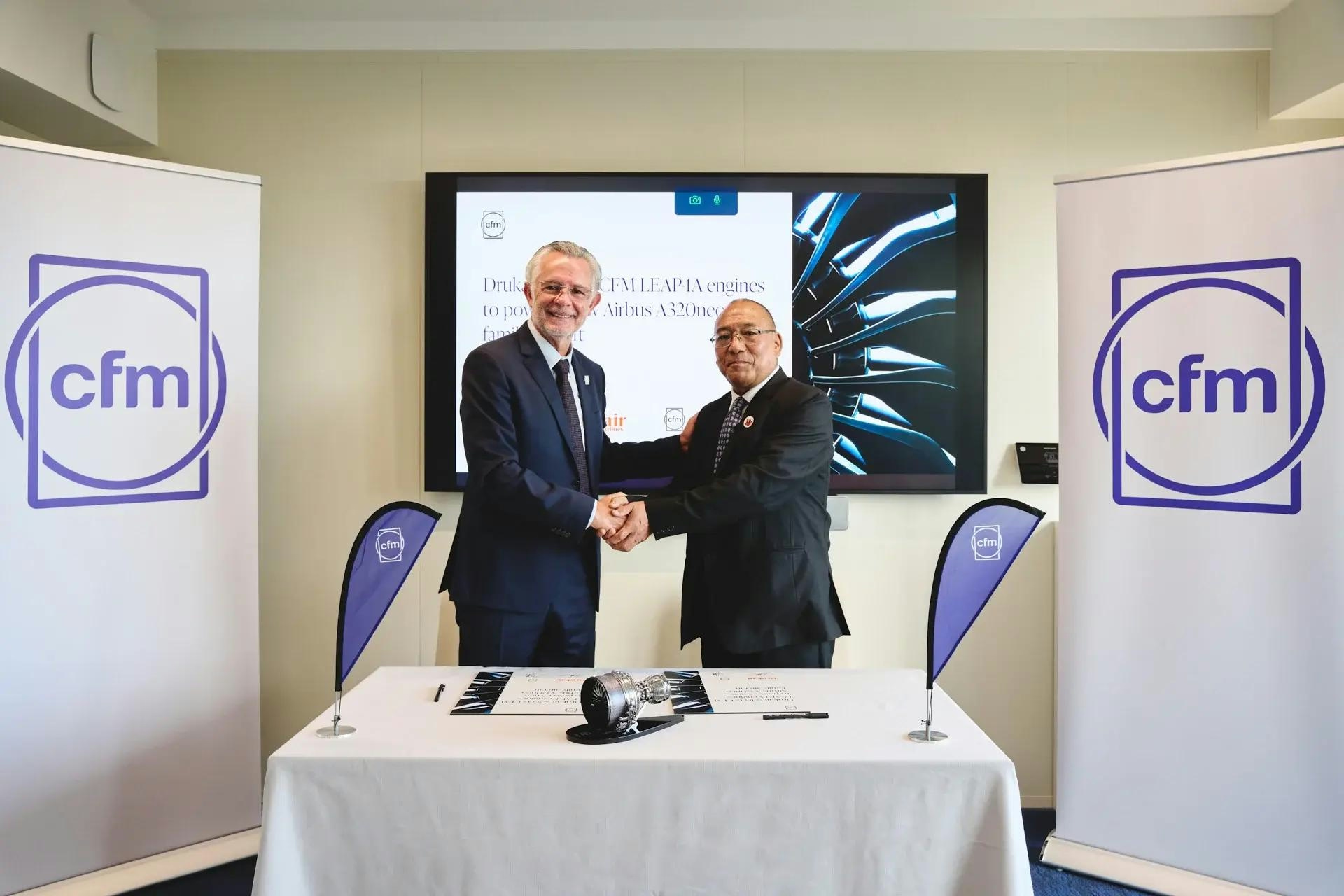
Drukair Selects LEAP Engines for Five New Airbus Aircraft Amid Industry Supply Chain Challenges Drukair, Bhutan’s national flag carrier, has confirmed its order for five new Airbus A320neo-family aircraft powered by CFM International’s LEAP-1A engines. The acquisition includes three A320neos and two A321XLRs, marking a significant expansion of the airline’s fleet and reinforcing its longstanding partnership with CFM. Strengthening a Longstanding Partnership Since 2004, Drukair has relied on CFM engines, initially introducing the Airbus A319ceo equipped with CFM56 powerplants. The airline currently operates one LEAP-powered A320neo alongside three CFM56-powered A319ceos, demonstrating sustained confidence in CFM’s engine technology. Tandi Wangchuk, CEO of Drukair, emphasized the strategic importance of this latest order, stating that the LEAP-1A’s efficiency and reliability will support the airline’s growth ambitions across Asia, enhance connectivity, and deliver greater value to passengers. Navigating Industry Challenges The decision to expand the LEAP-powered fleet comes amid ongoing supply chain disruptions affecting the aviation sector. Honeywell Aerospace’s CEO recently highlighted persistent delays in aircraft component deliveries, which pose challenges for engine installation timelines across the industry. Despite these obstacles, Drukair’s commitment to the LEAP-1A underscores the engine’s strong operational performance, particularly in terms of monthly flight cycles—a critical factor as airlines contend with rising fuel costs. Market sentiment surrounding Drukair’s order is also influenced by broader industry concerns, including recent directives to remove Trent engines from older Airbus A330s and Boeing 777s due to oil pump safety issues. In this context, many carriers continue to favor CFM engines for new aircraft, as evidenced by Drukair’s investment in LEAP-1A engines for its A321XLRs. As Drukair embarks on its next phase of expansion, its selection of LEAP-1A engines reflects both confidence in CFM’s proven reliability and a strategic approach to addressing evolving challenges within the global aviation industry.
Russia Tests Air Taxis with Passenger Flights Possible in 2-3 Years
Russia Tests Air Taxis with Passenger Flights Possible in 2-3 Years

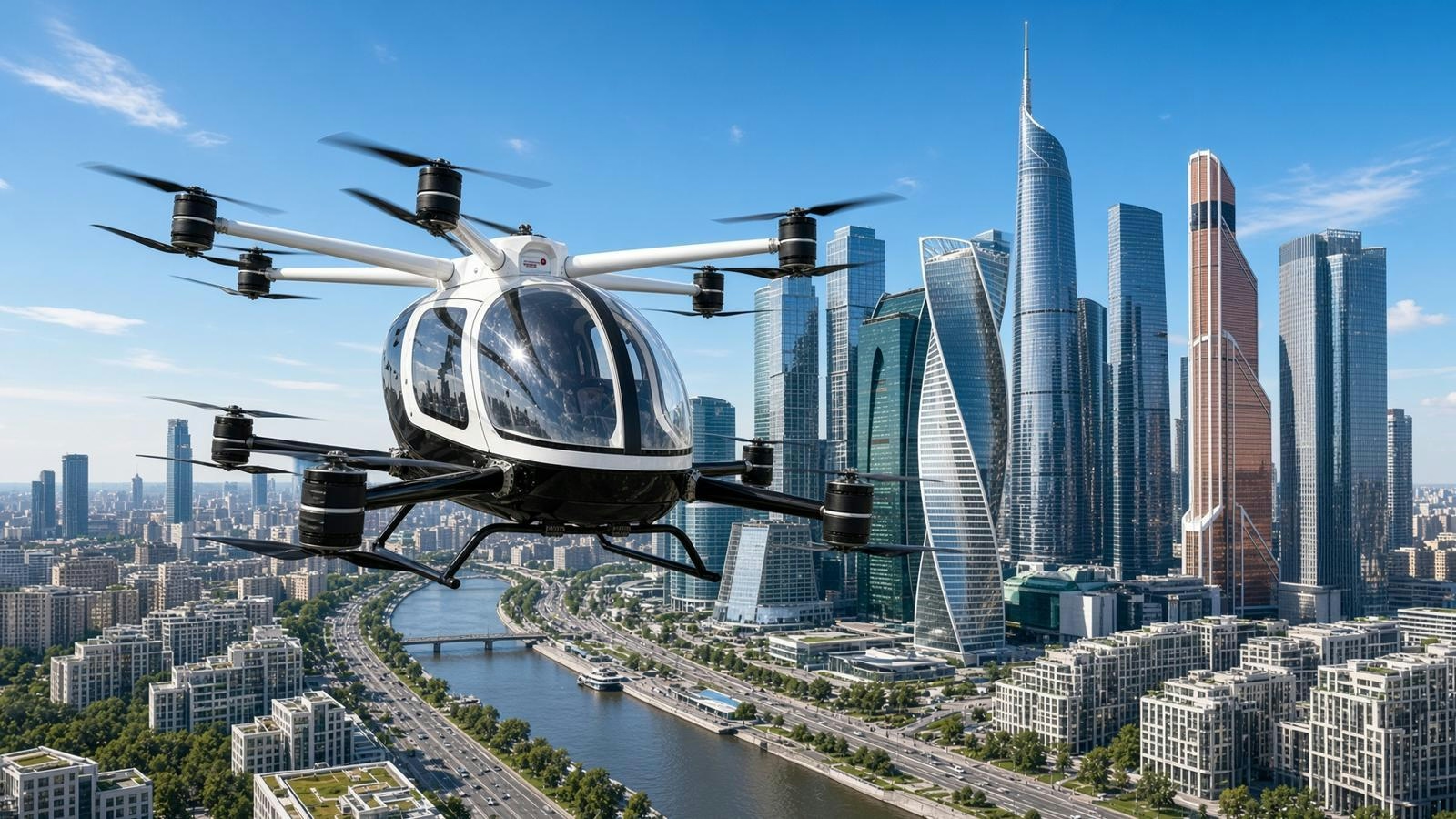
Russia Advances Air Taxi Testing with Passenger Flights Anticipated Within Two to Three Years Russian authorities are currently testing unmanned air taxis, with the prospect of initiating passenger flights within the next two to three years, according to Transport Minister Andrey Nikitin. Speaking at the International Youth Forum, Nikitin acknowledged that although prototypes have been developed, these vehicles are not yet ready for widespread deployment. A primary challenge remains their limited ability to operate reliably under complex weather conditions. Progress and Regulatory Oversight Manufacturers are preparing to submit their latest air taxi models to Rosaviatsia, Russia’s federal air transport agency, for further testing and certification. Nikitin underscored that safety is paramount, emphasizing that these aircraft must satisfy stringent regulatory standards before receiving approval for commercial use. While he expressed optimism that passenger flights could commence within two to three years, he also cautioned that the timeline might extend to five years due to potential regulatory and technical obstacles. Context Within the Global Urban Air Mobility Landscape The development of air taxis in Russia aligns with a broader international movement toward integrating electric vertical takeoff and landing (eVTOL) aircraft into commercial passenger services. Similar projects are underway in the United States and Europe, where companies are competing to bring air taxis to market. This global momentum is intensifying competition, driving manufacturers to accelerate development and invest in advanced technologies to establish a presence in the emerging urban air mobility sector. Despite the promise of rapid urban transport, Russia’s air taxi program confronts significant challenges. Regulatory approval, comprehensive safety certification, and ensuring dependable performance across diverse weather conditions remain critical hurdles. Industry analysts observe that as Russia and other nations advance their programs, the global air taxi industry is poised for increased investment and innovation, with companies striving to be among the first to offer safe, certified passenger flights. Minister Nikitin concluded by reaffirming that while the timeline for commercial air taxi operations in Russia is ambitious, safety and regulatory compliance will not be compromised. The coming years will be pivotal as Russia endeavors to join the forefront of countries pioneering this transformative mode of urban transportation.
EPCOR and MAS Sign Five-Year A330 APU Support Agreement
EPCOR and MAS Sign Five-Year A330 APU Support Agreement

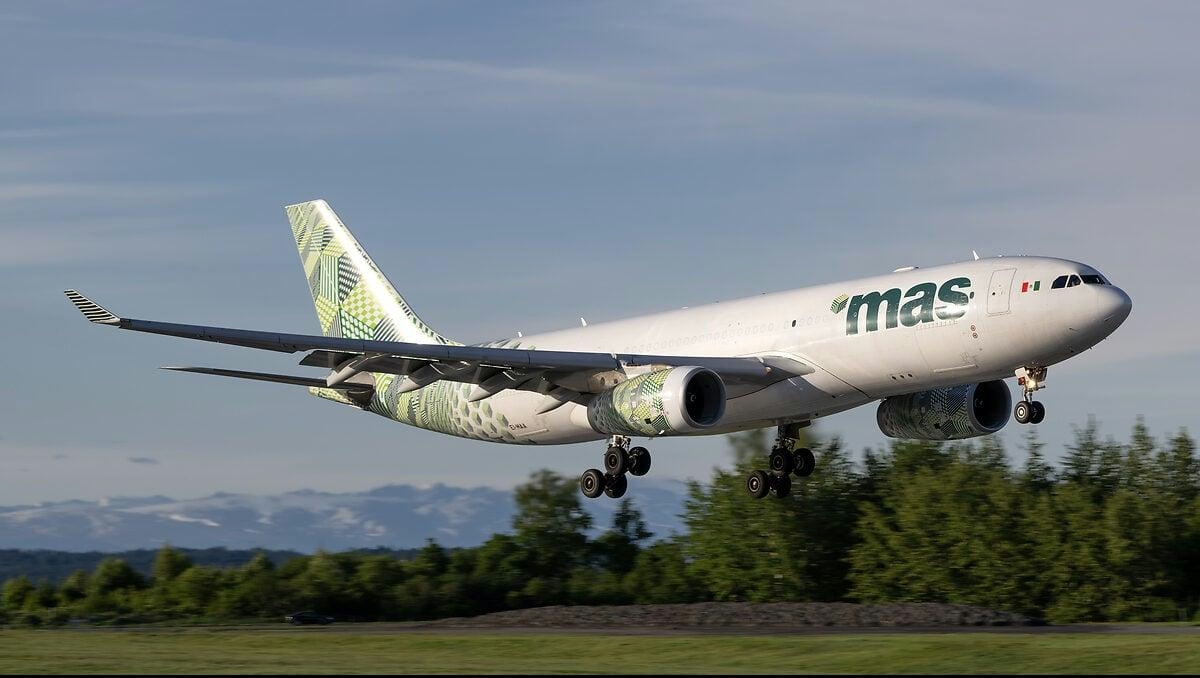
EPCOR and MAS Sign Five-Year Airbus A330 APU Support Agreement EPCOR, a subsidiary of Air France Industries KLM Engineering & Maintenance (AFI KLM E&M), has formalized a five-year contract with Mexican cargo airline mas to provide comprehensive support for its Airbus A330 auxiliary power unit (APU) fleet. This agreement, covering five A330 aircraft equipped with GTCP331-350 APUs, represents the inaugural collaboration between the two companies. It is designed to ensure predictable APU maintenance, maximize fleet availability, and sustain operational continuity as mas expands its international cargo operations. Scope of the Agreement and Services Provided Under the terms of the agreement, EPCOR will deliver a bespoke support package that encompasses APU shop-visit maintenance, access to replacement APUs through its lease pool, engineering assistance, and Prognos® for APU—EPCOR’s proprietary predictive maintenance solution. This integrated approach aims to enhance maintenance planning and reliability, granting mas greater control over its APU requirements while bolstering the operational performance of its A330 fleet. Industry Challenges and Market Context The partnership emerges amid increasing complexity within the aviation maintenance sector. Industry-wide supply chain disruptions, as noted by Honeywell Aerospace’s CEO, have resulted in delayed supplier responses, complicating parts availability and maintenance scheduling. Such challenges necessitate agility from both EPCOR and mas to effectively manage potential bottlenecks and ensure the smooth execution of long-term support agreements. Simultaneously, evolving market dynamics are prompting airlines to optimize fleet and maintenance strategies in response to intensifying competition. Recent developments, such as Drukair’s commitment to CFM engines for its A321XLRs and Israir’s plans to deploy A330s on New York routes following FAA clearance, illustrate broader trends in fleet modernization and route expansion. Israir’s return to the New York-Tel Aviv market, introducing additional competition, further underscores the imperative for airlines like mas to maintain high fleet reliability and operational flexibility. Emphasis on Safety and Technical Support Safety remains a paramount concern, particularly in light of recent technical issues involving oil pump failures that have led to the de-pairing of Trent engines on older A330 and 777 aircraft. These incidents highlight the critical need for robust maintenance and predictive support to mitigate operational risks. This focus on reliability and risk management is central to the EPCOR-mas agreement. EPCOR’s expertise extends across a broad range of commercial aircraft, including the Airbus A330 and A350, offering specialized APU maintenance as well as asset management solutions such as APU leasing and exchanges. As mas continues to expand its fleet—with plans for additional A330s and potential acquisitions of Airbus A350 and Boeing 777F aircraft—the partnership is positioned to provide the technical support and operational flexibility necessary to navigate a rapidly evolving market environment.
Air India Expands Use of Salesforce AI to Enhance Customer Service
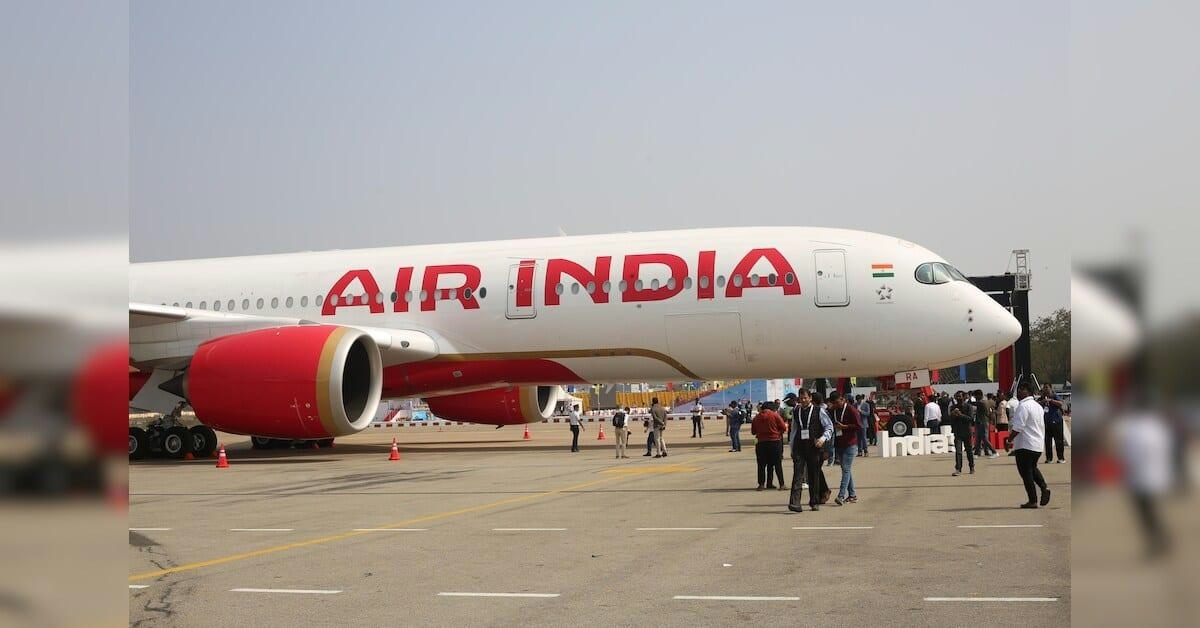
Air India Expands Use of Salesforce AI to Enhance Customer Service

Air India Expands Use of Salesforce AI to Enhance Customer Service Air India is intensifying its collaboration with Salesforce by broadening the deployment of the Agentforce artificial intelligence platform to improve and streamline its customer service operations. The airline’s latest advancements include automated email resolution, AI-powered name change processing, and a knowledge assistant designed to support customer service teams, according to a Salesforce announcement on Monday. Integration and AI-Driven Innovations Air India has developed a comprehensive cloud-based digital ecosystem that integrates over 140 enterprise systems and currently supports more than 30 AI-driven projects. Among these innovations, the airline’s automated name change system now handles eligibility verification, validations, and ticketing processes, including initiating ticket reissuance and delivering updated tickets directly to customers. The automated email resolution feature utilizes Agentforce to detect multiple requests within a single customer email, cross-verify information across various systems, perform necessary actions, and generate consolidated responses using Air India-approved templates. The system only issues responses when its confidence level exceeds 95 percent, with human intervention applied as necessary to maintain accuracy and quality. Air India initially adopted Agentforce for refund processing, which dramatically reduced turnaround times from approximately 14 days to just four hours. Similarly, the time required for passenger name updates has been cut from three days to 30 minutes. The AI-powered knowledge assistant offers customer service teams immediate access to policies, procedures, fare rules, and operational guidance through an intuitive conversational interface. Strategic Impact and Industry Implications The airline measures the success of these AI initiatives against four key criteria: increasing revenue, reducing costs, enhancing customer experience, and enabling new capabilities. Satya Ramaswamy, Chief Digital & Technology Officer at Air India, underscored the transformative potential of AI, stating, “Our journey with Agentforce is not simply about deploying AI; it is about redefining what is possible in airline customer service. The impact is visible in faster resolutions, greater consistency, and lower customer effort.” Arundhati Bhattacharya, President and CEO of Salesforce South Asia, emphasized the broader significance for the aviation industry: “The next chapter of customer experience will be defined not simply by how quickly organisations respond, but by how intelligently they can act on behalf of customers. Air India is bringing that future to life at the scale and complexity of global aviation—combining trusted data, AI agents, and human judgment to make service more proactive, responsive, and effortless.” Despite these advancements, Air India faces challenges in scaling its AI capabilities. Ensuring seamless integration with existing systems, safeguarding data privacy and security, and training staff to effectively utilize AI tools remain critical hurdles. Industry observers are closely monitoring whether these technological enhancements will translate into measurable improvements in customer satisfaction and operational efficiency. The airline’s move may also prompt competitors to accelerate their own AI initiatives, intensifying the race for AI-driven customer service within the aviation sector. Salesforce’s robust, data-rich platform and proven AI integration expertise may provide Air India with a competitive advantage. However, the airline must carefully navigate the complexities of AI adoption to ensure its solutions align with customer expectations and regulatory requirements as it seeks to redefine customer service in the industry.
European Regulators Order Urgent Inspections After Cracks Found in Airbus A380 Wing Spars

European Regulators Order Urgent Inspections After Cracks Found in Airbus A380 Wing Spars

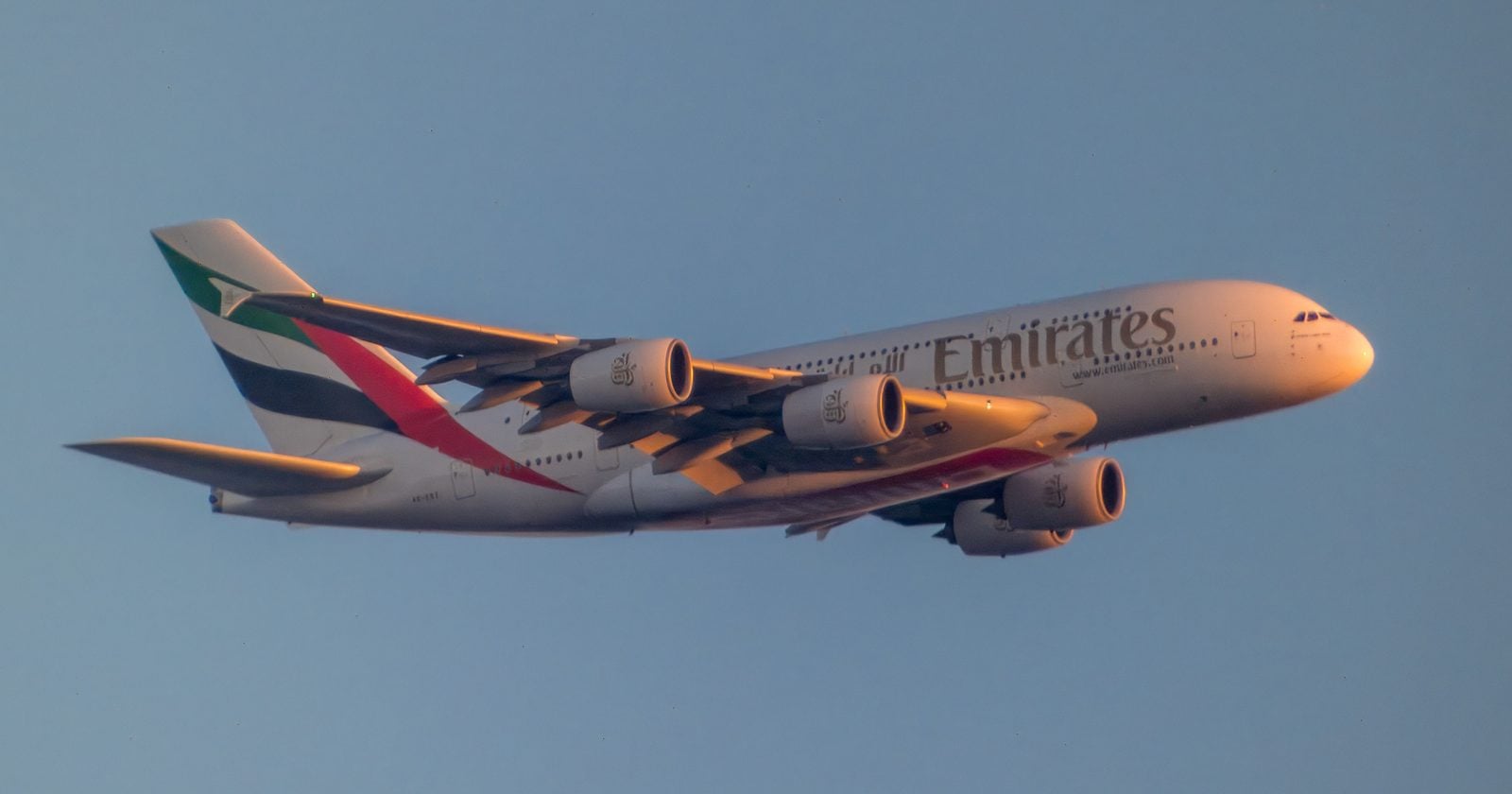
European Regulators Mandate Urgent Inspections Following Cracks in Airbus A380 Wing Spars European aviation authorities have issued an urgent directive requiring immediate inspections of 16 Airbus A380 aircraft after the detection of cracks in their wing spars, a vital structural element. The European Union Aviation Safety Agency (EASA) released the mandate in June 2026, reflecting mounting concerns over the structural integrity of the world’s largest passenger airliner. This development carries significant operational implications and may influence broader industry practices. Structural Concerns and Regulatory Response The wing spar is a fundamental component of an aircraft’s wing, serving as the primary load-bearing beam that supports wing flexing during flight. Aerospace engineering expert Brian Falzon describes spars as “beam-like structures running along the length of the wing that are the main load-carrying structure of the wing.” Cracks in this critical area pose a far greater risk than those in non-structural parts, prompting swift regulatory intervention. EASA’s emergency airworthiness directive, numbered 2026-0119-E, follows a prior inspection order issued in December 2025 (directive 2025-0280), which focused on A380s returning to service after extended storage. According to aviation news outlet AeroTime, the latest directive targets 16 aircraft—15 operated by Emirates and one by Qantas. EASA’s assessment concluded that the identified cracks could compromise wing structural integrity, although it clarified that the issue does not affect the entire A380 fleet. The directive categorizes the affected aircraft into two risk groups. Five Emirates jets (serial numbers MSN 190, 202, 203, 209, and 228) must undergo inspections before their next flight, while the remaining 11 aircraft are allowed up to 25 additional takeoff-and-landing cycles to complete the checks. This differentiated approach indicates a calibrated response, prioritizing aircraft based on assessed urgency rather than imposing a blanket grounding. Industry and Market Implications The discovery of these cracks has immediate consequences for airlines, which may experience operational disruptions as they comply with the inspection requirements. Maintenance protocols are expected to come under heightened scrutiny, and flight schedules could be adjusted to accommodate the temporary withdrawal of aircraft for inspection. Competitors may leverage the situation to highlight their own safety measures and adjust fleet management strategies to maintain passenger and regulator confidence. Financial markets have also reacted to the news, with Airbus’s stock price and those of related suppliers experiencing volatility as investors evaluate the potential impact on aviation safety standards and operational reliability. This episode underscores the delicate balance between sustaining public trust and enforcing rigorous oversight of aging aircraft fleets. While EASA’s directive does not constitute a wholesale condemnation of the Airbus A380, it signals an intensified focus on structural safety and the necessity for ongoing vigilance as large aircraft continue to age. Airlines, regulators, and manufacturers are collaborating closely to address the issue and uphold the highest standards of airworthiness.
GCAA Strengthens Drone Regulations Amid Growing Unmanned Aviation
GCAA Strengthens Drone Regulations Amid Growing Unmanned Aviation

GCAA Strengthens Drone Regulations Amid Growing Unmanned Aviation Expanding Drone Use and Regulatory Challenges The Ghana Civil Aviation Authority (GCAA) is intensifying its regulatory oversight in response to the rapid expansion of drone operations across multiple sectors, including commercial, agricultural, and logistics activities. As remotely piloted aircraft systems become more deeply integrated into the economy, the authority faces the complex task of balancing the promotion of innovation with the imperative of maintaining aviation safety and security. One of the primary challenges confronting the GCAA is ensuring compliance with the evolving regulatory framework. Operators must adapt to new requirements, which can be demanding given the pace of technological advancement and the diversity of drone applications. Additionally, integrating unmanned aircraft into the existing airspace infrastructure presents significant difficulties, as regulators work to mitigate risks of conflict between manned and unmanned flights. Addressing Cybersecurity and Industry Responses Cybersecurity has emerged as a critical concern amid the proliferation of drone technology. The increasing number of connected devices introduces vulnerabilities that could be exploited if not properly managed. The GCAA is expected to implement updated protocols and enhance monitoring systems to address these risks, aiming to safeguard both the airspace and sensitive data. The regulatory tightening has elicited mixed reactions within the drone industry. Some operators anticipate higher operational costs due to investments in compliance and upgraded technologies. There are also apprehensions about potential delays in drone delivery services as companies adjust to the new regulatory environment. In response, industry players are adopting varied strategies; some are focusing on technological innovation to meet stricter standards, while others are forming partnerships to share compliance burdens and improve operational efficiency. Looking Ahead: Industry Dialogue and Regulatory Evolution The evolving regulatory landscape and its implications for unmanned aviation will be a focal point at the upcoming MEBAA Show 2026. Industry leaders are expected to convene to discuss emerging challenges and exchange insights on best practices within business aviation. As the GCAA continues to refine its regulatory approach, its priority remains the promotion of safe and secure drone operations alongside the support of sector growth and innovation.
Embraer Delivers 2,000th E-Jet as Airbus A220 Seeks Market Share
Embraer Delivers 2,000th E-Jet as Airbus A220 Seeks Market Share

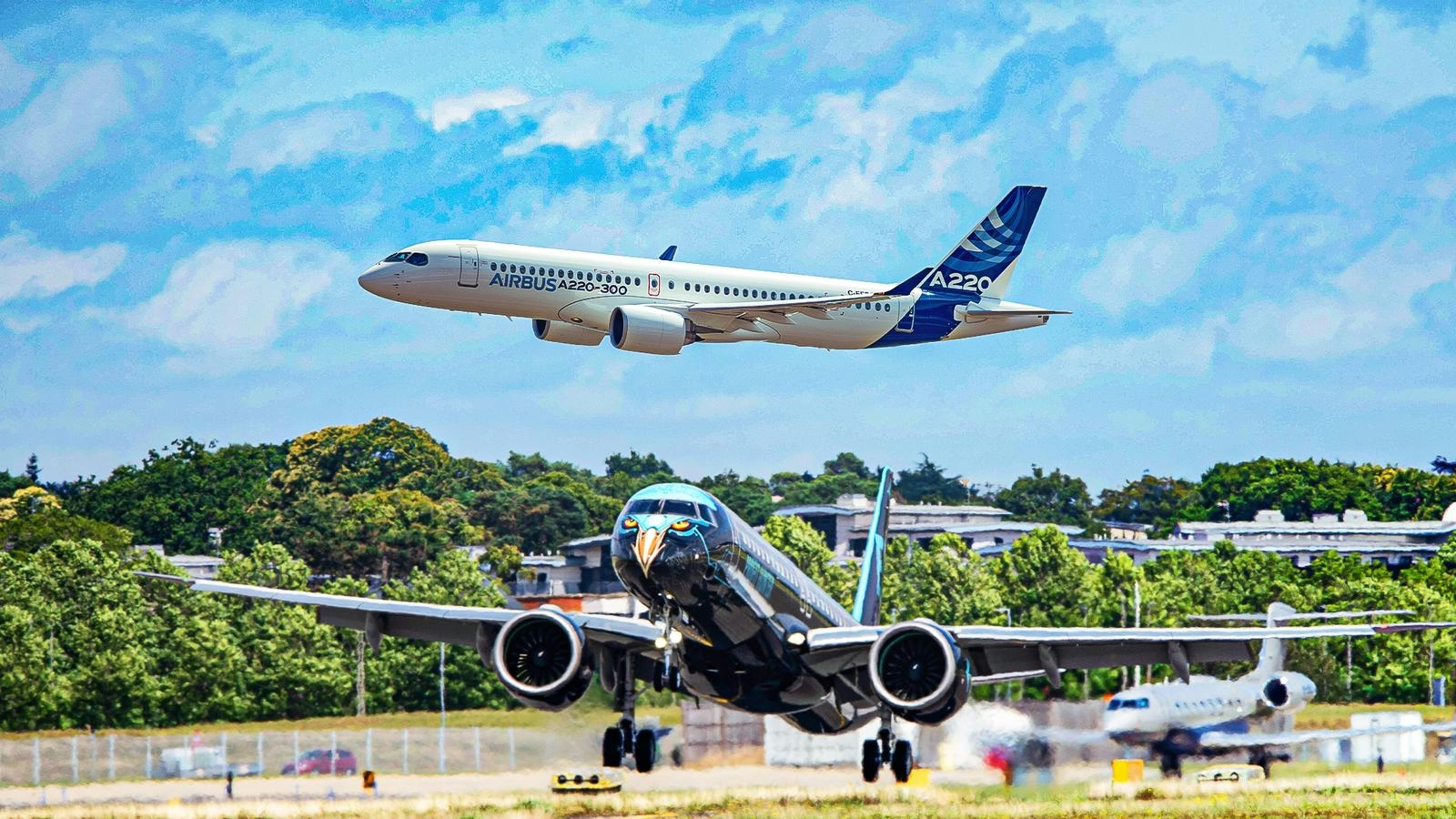
Embraer Reaches Milestone with 2,000th E-Jet Delivery Amid Airbus A220 Market Push In the global commercial aircraft industry, the longstanding rivalry between Airbus and Boeing often dominates headlines, particularly in the narrowbody and widebody sectors. Yet, a significant contest has quietly unfolded in the smaller aircraft segment, where Embraer has established a formidable presence with its E-Jet family. This month, Embraer celebrated a major achievement with the delivery of its 2,000th E-Jet, underscoring its leadership in the regional jet market and its transformative impact on regional aviation. The Evolution and Impact of the E-Jet Family Introduced in the mid-2000s, Embraer’s E-Jets filled a critical niche between traditional regional jets and larger narrowbody aircraft. The family quickly gained global recognition, now operating with over 90 airlines across more than 60 countries. The latest delivery, a state-of-the-art E195-E2 to Brazilian carrier Azul Linhas Aéreas, exemplifies Embraer’s commitment to innovation. This model incorporates advanced technology, enhanced fuel efficiency, and a spacious cabin design, reflecting the company’s focus on operational performance and passenger comfort. Embraer’s path to this milestone began in the 1990s, when the company identified the limitations of its ERJ145, a 50-seat regional jet. As airline demand shifted toward larger aircraft, Embraer recognized the need to expand beyond the ERJ platform. The turning point came in 1997 when American Airlines solicited proposals for both 50-seat and 70-seat regional jets. While Embraer secured the 50-seat order, Bombardier won the larger segment with its CRJ700, revealing a gap in Embraer’s product lineup. Initially contemplating an extended version of the ERJ145, Embraer ultimately chose a clean-sheet design by 1999. This decision enabled the development of a wider fuselage with four-abreast seating and the flexibility to create multiple variants. The E-Jet family was officially launched at the 1999 Paris Air Show with the E170 and E190 models, targeting the 70- to 100-seat market. The E170 entered service in 2004 with LOT Polish Airlines, quickly followed by other variants that solidified Embraer’s position in regional aviation. Competition Intensifies with Airbus A220 The competitive landscape evolved further when Bombardier introduced the CSeries, later rebranded as the Airbus A220, directly challenging Embraer’s larger E-Jets. The A220, featuring a clean-sheet design and modern technology, represents Airbus’s strategic entry into the regional jet market. Despite its advanced features, the A220 faces challenges in gaining market share against Embraer’s well-established and widely adopted E-Jet platform. Market response to Embraer’s 2,000th E-Jet delivery has been notably positive, reflecting strong confidence in the company’s product range and strategic direction. As Airbus continues to promote the A220, Embraer’s proven track record and ongoing innovation remain central to its leadership in regional aviation.
iniBuilds Releases Second In-Depth A380 Video

iniBuilds Releases Second In-Depth A380 Video

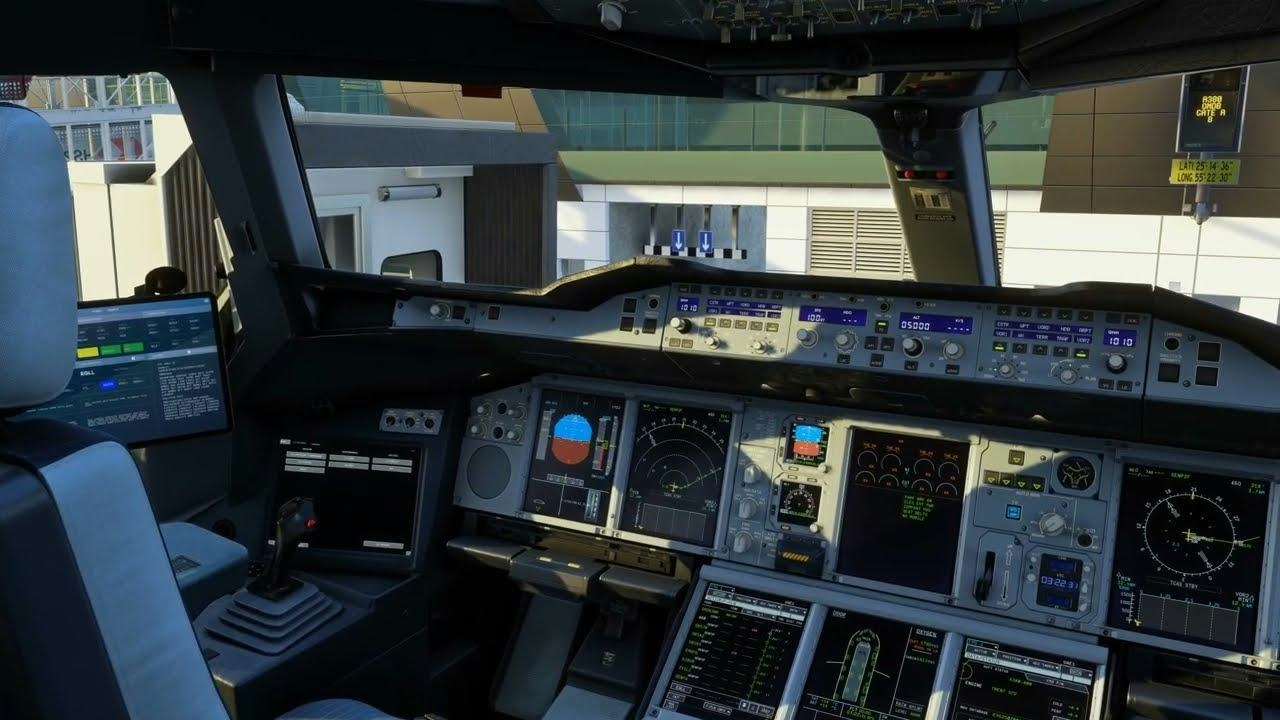
iniBuilds Unveils Second Detailed A380 Video Ahead of Launch iniBuilds has released its second comprehensive video previewing the forthcoming A380 airliner add-on, this time highlighting the Rolls-Royce engine variant. This new installment follows an earlier feature that showcased the Engine Alliance-powered model. The developer has confirmed that the highly anticipated A380 will officially launch tomorrow, September 15, on the in-sim Marketplace for Microsoft Flight Simulator 2024. In-Depth Look at the Rolls-Royce Variant The latest video presents a positioning flight from Cardiff Airport in Wales to London Heathrow, offering an extensive examination of the aircraft’s systems and features. Viewers are guided through detailed cabin walkthroughs, refuelling procedures, and the aircraft’s onboard software. Particular attention is given to the Electronic Centralized Aircraft Monitor (ECAM) and failure simulation systems, designed to deliver an authentic and immersive experience for aviation enthusiasts. The initial video focusing on the Engine Alliance variant remains accessible for those interested in comparing the two engine options. Market Challenges and Industry Context As iniBuilds prepares for the A380’s release, the company faces a competitive and demanding simulation market. Maintaining rigorous production standards is essential, especially as rival developers continue to introduce increasingly sophisticated aircraft models. The launch is expected to attract close scrutiny from the flight simulation community, with inevitable comparisons to official Airbus and Boeing simulation products. Competitors may respond by enhancing their own offerings or intensifying marketing efforts to distinguish their aircraft simulations. Furthermore, the broader aviation industry context could influence demand for the A380 add-on. Airlines such as Qantas are accelerating the retirement of their A380 fleets, potentially affecting interest in detailed simulations of the aircraft as its real-world presence diminishes. Despite these challenges, iniBuilds’ dedication to delivering a high-fidelity A380 experience has generated considerable anticipation. The release tomorrow will offer the community an opportunity to assess the product’s depth and realism amid the evolving market for advanced airliner simulations.
Sophia Space Secures $300 Million Lease to Finance First Orbital Computing Constellation

Sophia Space Secures $300 Million Lease to Finance First Orbital Computing Constellation

Sophia Space Secures $300 Million Lease to Finance First Orbital Computing Constellation Sophia Space, a Pasadena-based startup, has announced a landmark $300 million asset-financing agreement with aerospace leasing specialist SLI. This non-binding letter of support outlines a framework in which SLI would purchase satellites from Sophia Space, retain ownership, and lease them to end users through fixed monthly or quarterly payments over the satellites’ operational lifespans. If finalized, this deal would represent the first application of the aviation industry’s sale-and-leaseback model to a satellite constellation designed primarily for orbital computing rather than traditional communications bandwidth. Adapting Aviation Finance to Space Assets The sale-and-leaseback model has long been a cornerstone of commercial aviation finance, enabling airlines to operate extensive fleets without incurring massive upfront capital expenditures. Currently, approximately half of the world’s commercial aircraft are leased, a structure that has allowed carriers to expand rapidly even during economic downturns. Founded in 2023 by the Libra Group, SLI has been pioneering the adaptation of this financing approach to space assets. Its previous agreements include leasing a ground station in Sweden back to RBC Signals, a $200 million deal for two Ka-band geostationary satellites, and a €150 million contract with Finnish satellite manufacturer ReOrbit. What distinguishes the Sophia Space agreement is its focus on an orbital computing constellation. Unlike SLI’s prior transactions, which centered on communications payloads, this framework targets customers who will pay for artificial intelligence inference and data-processing cycles conducted in orbit, rather than for communications bandwidth. Rob DeMillo, CEO and co-founder of Sophia Space, emphasized the transformative potential of this approach, stating, “Asset financing didn’t invent aviation or shipping, but it accelerated them at scale. We’re doing the same for orbital computing.” SLI CEO Praveen Vetrivel added that the framework addresses a critical gap in the industry: “Sophia has the technology, the team, and the vision. What had been missing was access to scalable, non-dilutive capital. This framework provides it.” Engineering Innovation Underpinning the Financing Model The feasibility of this financing structure is underpinned by a recent engineering breakthrough. On July 14, 2026, Sophia Space and Caltech were awarded a U.S. patent (No. 12,679,564) for a passive thermal management system designed specifically for orbital compute modules. This innovation eliminates the need for active cooling mechanisms such as heat pumps or fluid loops by relying solely on thermal radiation to dissipate heat—a fundamental challenge for high-density computing in the vacuum of space. AMD CTO Mark Papermaster underscored the difficulty of thermal management in space in an April 2026 blog post, noting, “In space, there’s no air to carry heat away, so thermal management becomes a first-principles problem.” The patented passive system directly addresses this challenge, enabling the practical deployment of large-scale orbital computing infrastructure. Market and Industry Challenges Ahead Despite this significant financing and technological progress, Sophia Space faces considerable challenges. Securing launch capacity is becoming increasingly difficult, particularly as SpaceX’s Falcon 9 program is scheduled to conclude in 2028, which is expected to tighten available launch options and potentially increase costs. The high expenses associated with launching and operating data centers in orbit remain a substantial barrier to entry. Market responses to Sophia Space’s announcement have been mixed. While some investors express enthusiasm about the potential of orbital computing, others remain cautious given the nascent stage of the industry. Competition is intensifying, with companies such as Starcloud raising substantial funding to develop their own orbital data centers. As Sophia Space advances, its ability to overcome these technical, financial, and market challenges will be crucial to realizing the promise of orbital computing.
line