
将人工智能洞察转化为可执行行动

热门趋势
Categories
Two Lufthansa Boeing 747s Make Overweight Landings on US Routes Within 24 Hours
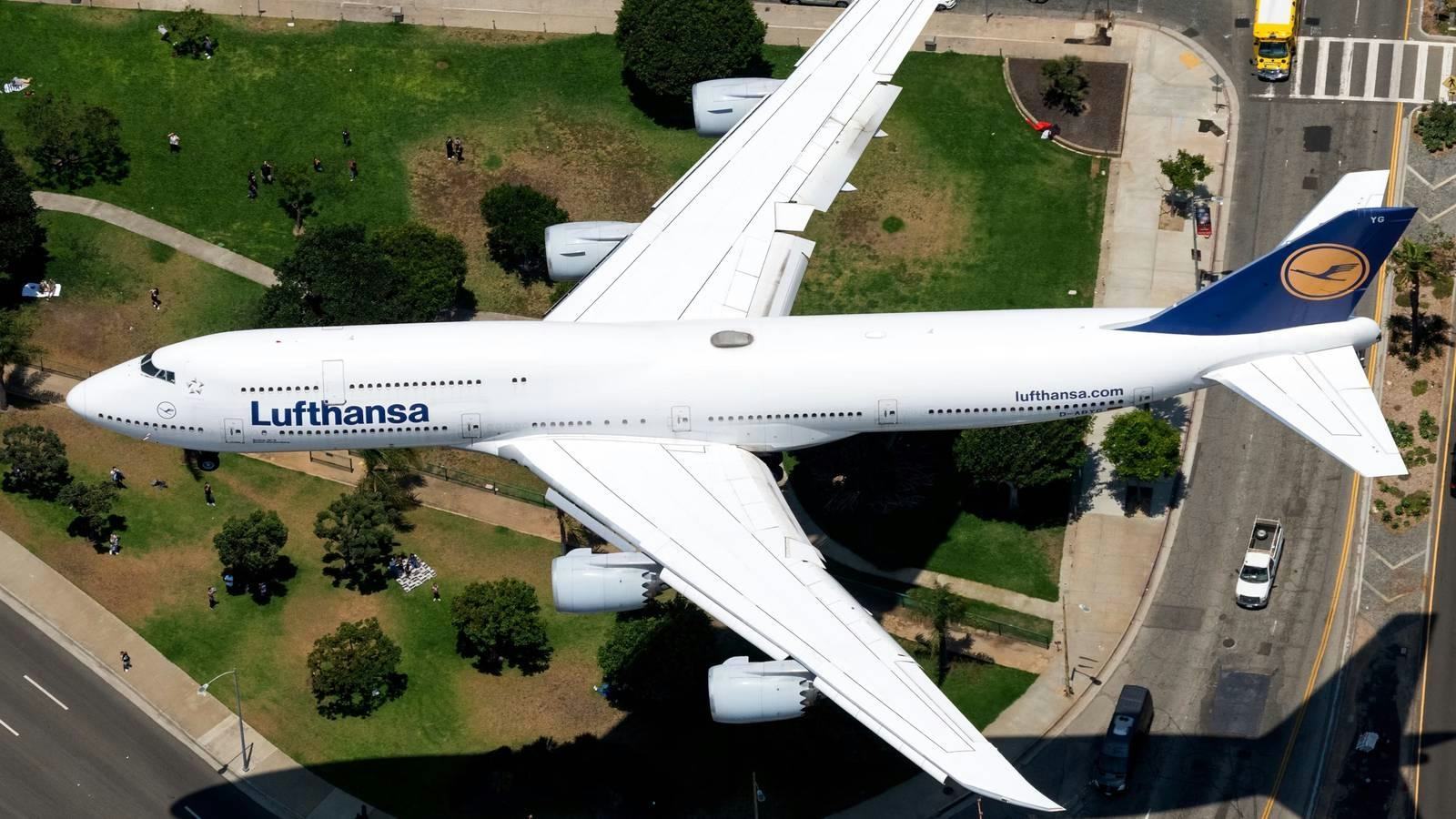
Two Lufthansa Boeing 747s Make Overweight Landings on US Routes Within 24 Hours
Emergency Returns and Overweight Landings
Within a 24-hour period from June 26 to 27, two Lufthansa Boeing 747-8 aircraft operating flights from Frankfurt International Airport (FRA) to the US East Coast were compelled to return shortly after departure, resulting in overweight landings with nearly full fuel tanks. The affected flights, LH418 bound for Washington Dulles International Airport (IAD) and LH402 destined for Newark Liberty International Airport (EWR), were both cancelled following emergency responses on the ground.
Flight LH418 diverted to Cologne Bonn Airport (CGN) on June 26 after a medical emergency involving an infant passenger arose shortly after takeoff. Passengers reported on social media that the crew elected to return immediately without dumping fuel, prioritizing the infant’s health over standard fuel jettison procedures. This decision led to a heavy landing, necessitating a thorough inspection of the aircraft’s landing gear due to the increased stress. Emergency services were present upon arrival to ensure safety.
The subsequent day, flight LH402 returned to Frankfurt after the crew detected a burning brake odor approximately 20 minutes into the flight. Given the potential risk of an in-flight fire and the considerable time required to safely jettison fuel from a fully loaded 747—typically 20 to 30 minutes—the crew opted to land overweight rather than risk further escalation. Video footage circulated by aviation enthusiasts showed the aircraft surrounded by fire trucks as a precautionary measure against overheated brakes.
Operational Challenges and Industry Implications
These back-to-back incidents underscore the critical and time-sensitive decisions flight crews must make during emergencies. Although the Boeing 747-8 is equipped with an efficient fuel jettison system, the process is not always feasible in urgent situations where immediate landing is necessary to safeguard passengers and crew. Overweight landings, while uncommon, remain a vital safety protocol under such circumstances.
The consecutive overweight landings on prominent US routes have attracted attention from aviation regulators and industry analysts. Such events may prompt increased regulatory scrutiny, potentially resulting in fines, mandatory inspections, and heightened compliance costs for Lufthansa. Competitors may also leverage these incidents to highlight their own safety records and operational reliability.
In the immediate term, Lufthansa faces reputational challenges as these incidents circulate within industry circles and public forums. Nevertheless, the airline’s ongoing efforts to consolidate operations and invest in sustainable aviation initiatives may help alleviate long-term reputational damage. Lufthansa’s transparent communication and prioritization of passenger safety during these emergencies will be closely monitored by both regulators and the flying public.
As investigations proceed, Lufthansa is expected to review its emergency protocols and operational procedures to address any findings, reaffirming its commitment to safety and regulatory compliance.

Hong Kong's Five-Year Plan Includes Andrew Fan's Aircraft Parts Processing Hub Proposal

ACIA Aero Leasing Delivers ATR72-600 to Air Nostrum

RTX Appoints Jill Albertelli as Head of Pratt & Whitney

TAT Technologies Joins Beyond Aero Hydrogen Aircraft Program

AURAK Study Highlights Barriers to Air Taxi Adoption in Emerging Economies

Xiamen Air Selects Altitude for 787 Maintenance at Heathrow

Etihad and Swissport Extend Global Partnership
Sepehran Airlines B737 Returns to Mashhad After Tyre and Engine Issues
Etihad Deploys Widebody Fleet to Meet Strong Demand
Korean Air Finalizes $36.2 Billion Deal with Boeing
