
حوّل رؤى الذكاء الاصطناعي إلى أفعال منسّقة

الرائج الآن
Categories
AI-Generated Complaints Ineffective Against Travel Companies

AI-Generated Complaints Ineffective Against Travel Companies
The Pitfalls of AI in Customer Service Disputes
As artificial intelligence becomes increasingly accessible, many travelers have turned to AI tools to draft complaints against airlines, cruise lines, and car rental companies. However, this trend has revealed significant drawbacks. While AI-generated letters often appear polished and well-structured, they frequently resemble aggressive legal briefs rather than sincere requests for resolution. These communications may include bulleted lists of supposed evidence but often suffer from deeper issues, such as citing non-existent laws or regulations—known as “hallucinations”—and making excessive compensation demands or unfounded accusations of fraud with unrealistic deadlines for response.
Travel companies typically disregard such complaints, especially when they are laden with legal threats and lack a solid factual foundation. In some instances, customers find themselves in a worse position, with companies refusing to engage or even blacklisting the individual. Thus, relying on AI-generated advice can transform a minor inconvenience into a significant problem.
Security Concerns and Market Reactions
Beyond the ineffectiveness of AI-generated complaints, there are growing concerns about the security of personal data when using AI platforms. Malfunctions or inadequate safeguards can expose sensitive information, contributing to skepticism about AI’s reliability in handling customer service issues. In response, some travel companies are emphasizing human-powered customer service to distinguish themselves, while others are investing in more advanced AI systems to overcome current limitations.
Real-World Implications: The Case of Onboard Purchases
A common scenario illustrating the limitations of AI assistance involves cruise passengers who regret expensive onboard purchases such as jewelry, artwork, or timeshares. These transactions are typically nonrefundable, and buyer’s remorse does not constitute valid grounds to void a signed contract. While human advocates can clarify these realities to travelers, AI bots may misinterpret buyer’s remorse as fraud, resulting in complaints that are not only ineffective but potentially harmful to the customer’s standing.
The Enduring Value of Human Interaction
The experience with AI-generated complaints underscores a critical lesson: not all AI outputs are accurate or beneficial. Travelers should carefully consider the risks before submitting AI-crafted complaints, weighing both the likelihood of success and the security of their personal data. As the travel industry and consumers adapt to this evolving landscape, the importance of informed, genuine human interaction remains paramount.

Etihad and Swissport Extend Global Partnership

Sepehran Airlines B737 Returns to Mashhad After Tyre and Engine Issues

Etihad Deploys Widebody Fleet to Meet Strong Demand
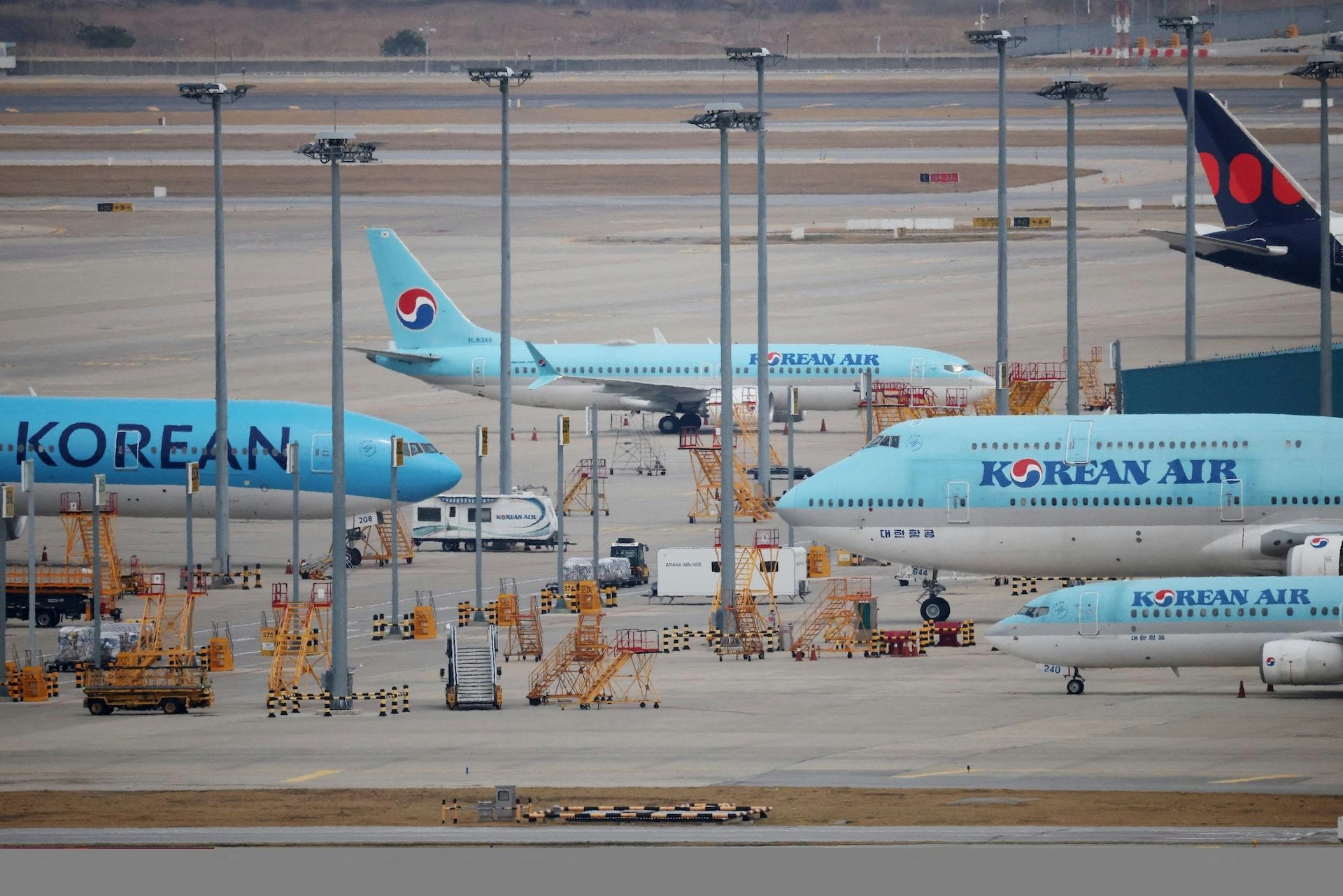
Korean Air Finalizes $36.2 Billion Deal with Boeing

Australia’s RFDS Queensland Section Orders Six King Air 260Cs

Korean Air Finalizes Order for 103 Boeing Jets and Engines

Embraer E195-E2 Features Distinctive Engine Placement Among Regional Jets

What Passengers Can Expect on Boeing’s New 777X Jet

How Ethiopian Airlines Became Africa’s Leading Carrier Amid Gulf Competition
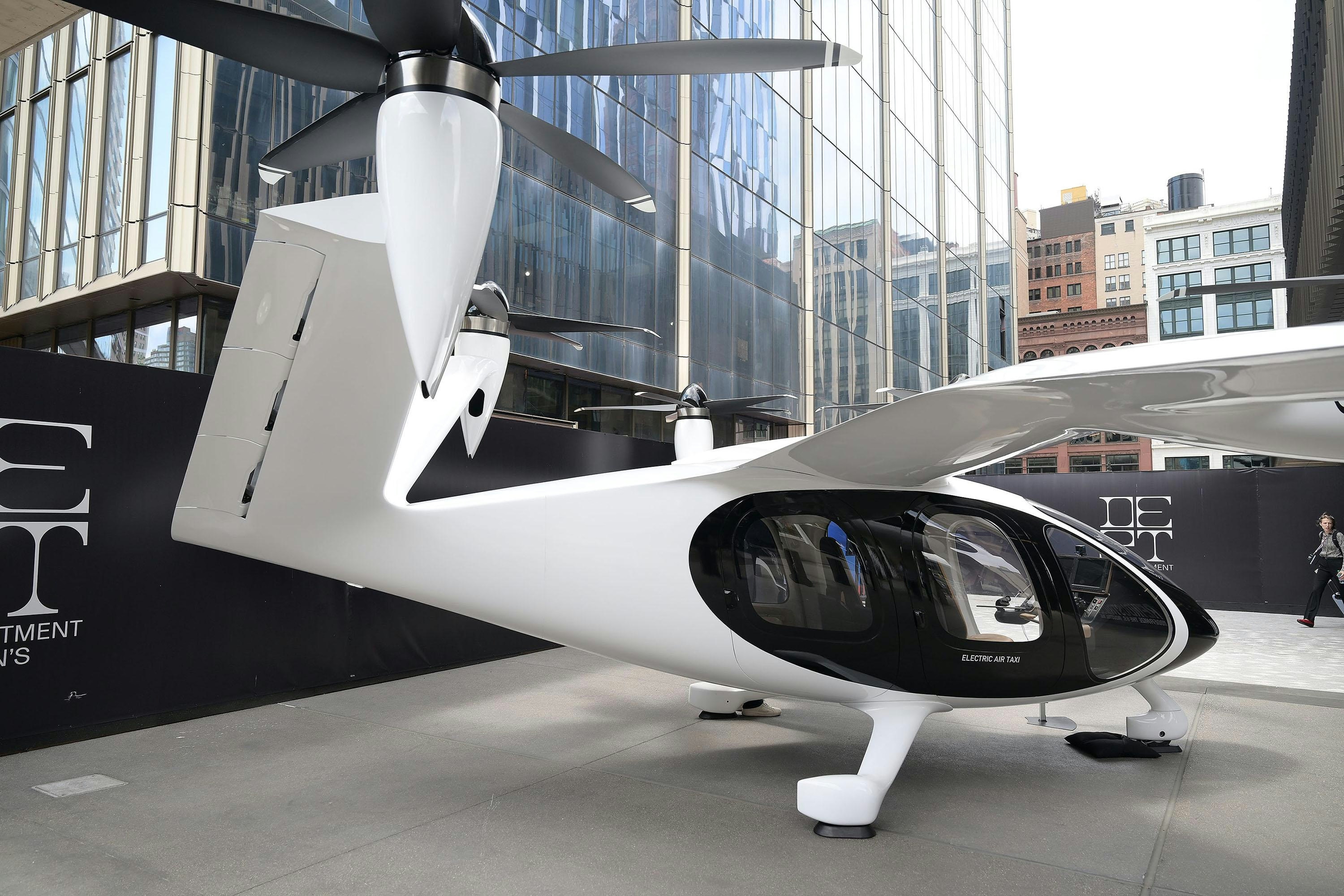
Joby Aviation Extends Autonomous Flight Capabilities with Cross-Country Tour
