
حوّل رؤى الذكاء الاصطناعي إلى أفعال منسّقة

الرائج الآن
Categories
Air India Jet Grounded in UK After Emergency Turbine Deploys During Descent
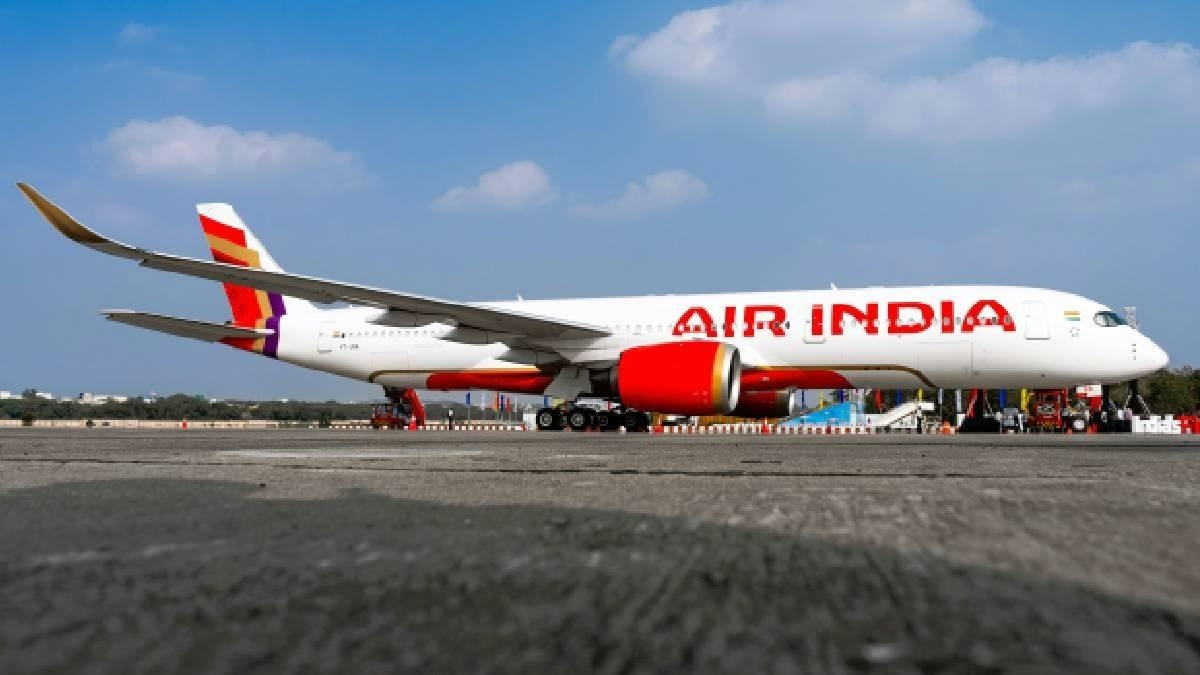
Air India Dreamliner Grounded in UK Following Emergency Turbine Deployment
An Air India Boeing 787-8 Dreamliner was grounded in the United Kingdom after its emergency Ram Air Turbine (RAT) deployed during the aircraft’s descent on a flight from Amritsar to Birmingham. The incident occurred on flight AI117 as the plane was making its final approach to Birmingham Airport on Saturday.
Incident Details and Immediate Response
Air India confirmed that the aircraft landed safely and that all electrical and hydraulic systems were functioning normally upon arrival. The airline stated that the operating crew detected the deployment of the RAT during the final approach, but all system parameters remained within normal limits. In accordance with standard operating procedures, the aircraft has been grounded for further inspection. Consequently, the return flight, AI114 from Birmingham to Delhi, was cancelled, with alternative arrangements being made for affected passengers.
The Ram Air Turbine is a small, fan-like device designed to automatically deploy and generate emergency power if an aircraft experiences a loss of electrical or hydraulic power, typically due to engine failure. In this case, Air India reported no loss of power or system failures despite the RAT deployment.
Context and Ongoing Safety Concerns
This incident occurs amid increased scrutiny of Air India’s safety protocols following a fatal crash involving the same aircraft model in Ahmedabad in June. During that earlier event, the RAT also deployed after a fuel supply cutoff caused engine shutdowns. The interim investigation attributed the emergency to the fuel supply issue, which triggered the RAT deployment.
The aftermath of the June crash continues to pose challenges for Air India. Families of four passengers who perished in the accident have filed a lawsuit against Boeing and Honeywell, alleging negligence and specifically citing allegedly faulty fuel switches. Although the U.S. Federal Aviation Administration has not linked the crash to these switches, the legal proceedings have intensified focus on both the manufacturer and the airline’s safety practices.
Market analysts suggest that such incidents and ongoing litigation could affect Air India’s reputation and prompt closer scrutiny of its operational protocols. Competitors may respond by enhancing safety audits and launching public relations efforts to reassure travelers about their own safety standards.
Air India reiterated its commitment to safety, emphasizing that the welfare of passengers and crew remains its highest priority. The airline is cooperating fully with authorities and conducting a thorough inspection of the grounded aircraft before it returns to service.

Etihad Airways Suspends Airbus A380 Flights on Key Route

Aditya Birla Group Seeks Approval for Aircraft Leasing in GIFT City

Qatar Airways Highlights Innovation and Connectivity at Arabian Travel Market 2026

Hong Kong's Five-Year Plan Includes Andrew Fan's Aircraft Parts Processing Hub Proposal

ACIA Aero Leasing Delivers ATR72-600 to Air Nostrum

RTX Appoints Jill Albertelli as Head of Pratt & Whitney

TAT Technologies Joins Beyond Aero Hydrogen Aircraft Program

AURAK Study Highlights Barriers to Air Taxi Adoption in Emerging Economies

Xiamen Air Selects Altitude for 787 Maintenance at Heathrow

Etihad and Swissport Extend Global Partnership
