
حوّل رؤى الذكاء الاصطناعي إلى أفعال منسّقة

الرائج الآن
Categories
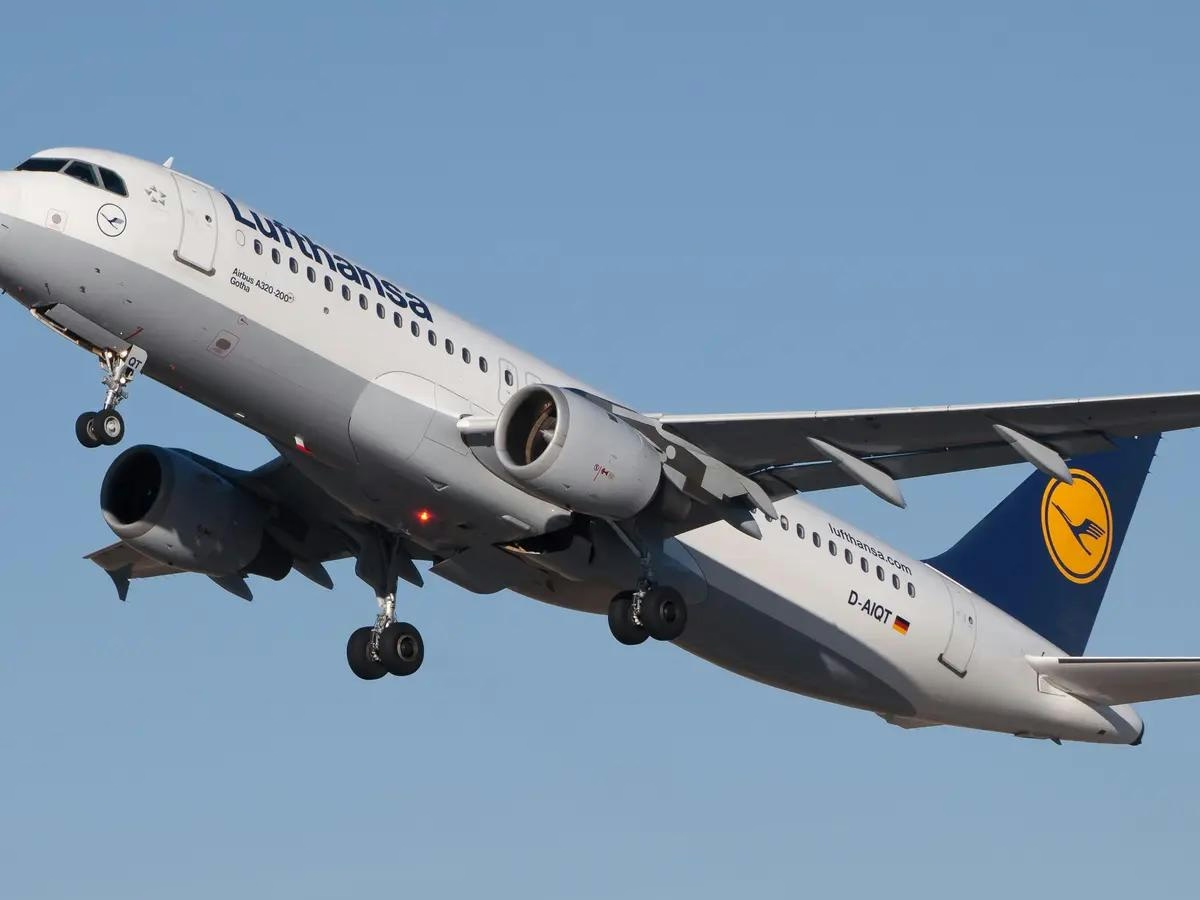
Airbus A320 Recall Highlights Growing Digital Vulnerabilities in Aviation
Airbus A320 Recall Highlights Growing Digital Vulnerabilities in Aviation
The recent recall of approximately 6,000 Airbus A320 family aircraft has brought renewed attention to the increasing digital vulnerabilities within the aviation industry. Although air travel remains one of the safest modes of transportation, a software flaw discovered in the flight-control computers of these jets triggered an in-flight incident, prompting the large-scale recall. This event underscores the inherent risks associated with the growing reliance on automated and software-dependent systems in modern aircraft.
Operational Impact and Industry Response
Airlines around the world have been compelled to implement emergency software updates, resulting in operational disruptions. Major carriers, including United Airlines and Air India, have reported minor delays and adjustments to select flights as they work intensively to resolve the issue. The scale of the recall, affecting thousands of aircraft, presents a significant challenge for the aviation sector in maintaining the safety and reliability of its increasingly digital infrastructure.
Market Reactions and Broader Implications
The recall has also influenced financial markets, with Airbus SE’s stock experiencing notable volatility as investors assess the potential impact of the software vulnerability. Beyond immediate commercial concerns, the incident has raised broader questions about the resilience of aviation technology. Experts have cautioned that heightened solar activity could exacerbate the fragility of digital systems, further testing the robustness of flight-control software and other critical avionics.
This episode should not be interpreted solely as a failure on the part of Airbus but rather as a critical warning for the entire aviation industry. As aircraft become more sophisticated and software-dependent, even minor digital faults can have far-reaching consequences. The situation highlights the urgent necessity for enhanced cybersecurity protocols and more resilient software architectures to ensure the continued safety and stability of global air travel.

Etihad Airways Suspends Airbus A380 Flights on Key Route

Aditya Birla Group Seeks Approval for Aircraft Leasing in GIFT City

Qatar Airways Highlights Innovation and Connectivity at Arabian Travel Market 2026

Hong Kong's Five-Year Plan Includes Andrew Fan's Aircraft Parts Processing Hub Proposal

ACIA Aero Leasing Delivers ATR72-600 to Air Nostrum

RTX Appoints Jill Albertelli as Head of Pratt & Whitney

TAT Technologies Joins Beyond Aero Hydrogen Aircraft Program

AURAK Study Highlights Barriers to Air Taxi Adoption in Emerging Economies

Xiamen Air Selects Altitude for 787 Maintenance at Heathrow

Etihad and Swissport Extend Global Partnership
