
حوّل رؤى الذكاء الاصطناعي إلى أفعال منسّقة

الرائج الآن
Categories
American Airlines Flight Grounded Following Engine Inspection
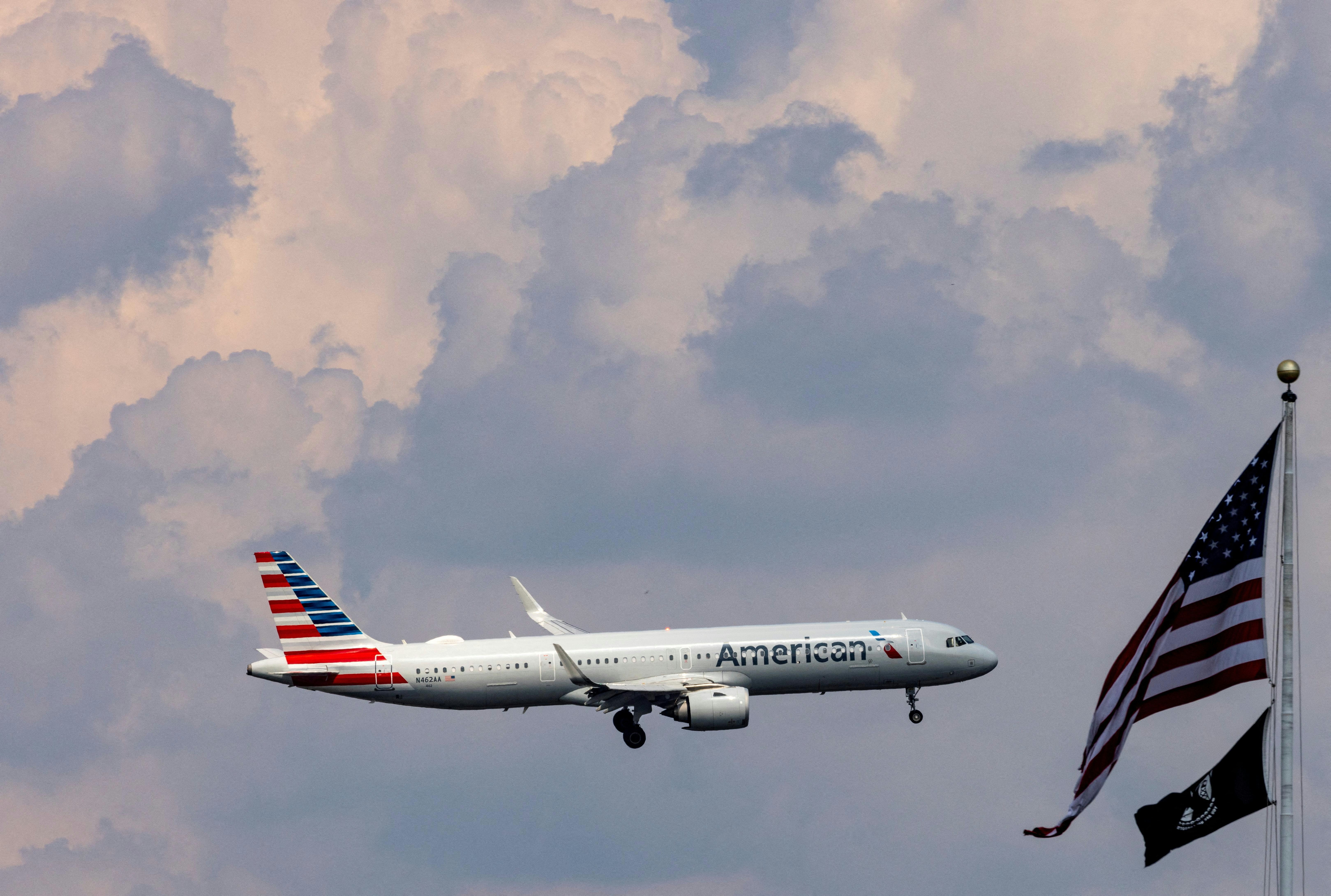
American Airlines Flight Grounded Following Engine Inspection
Unusual Engine Anomaly Causes Flight Delay
An American Airlines flight scheduled for a domestic departure was grounded for over an hour after maintenance crews identified an unusual condition within one of the aircraft’s engines. The issue arose while the plane was still at the gate, prompting an extended inspection that kept passengers onboard during the delay.
The disruption began when the flight crew requested a routine maintenance check prior to takeoff. Technicians discovered an anomaly deemed rare enough to halt the departure. Using specialized tools such as flashlights and borescopes, maintenance personnel conducted a detailed examination of the engine’s internal components. Throughout the process, the aircraft’s doors remained closed, with cabin crew providing periodic updates to passengers. The auxiliary power unit remained active to sustain lighting and air circulation, while the main engines were kept off. Ground support vehicles surrounded the affected engine as technicians documented their findings and consulted technical manuals before deciding on the next steps.
Following a comprehensive review, maintenance staff cleared the aircraft for departure. The flight eventually left the gate later than scheduled. No injuries were reported, and there were no indications of smoke, fire, or visible damage.
Industry Response and Implications
American Airlines has not disclosed detailed technical information regarding the incident. However, aviation experts note that most engine issues detected at the gate typically involve common problems such as sensor faults or minor leaks. The characterization of this anomaly as “rare” suggests a condition outside normal wear patterns or manufacturer expectations, potentially involving unusual debris, unexpected internal wear, or discrepancies in recently installed parts.
When confronted with unfamiliar technical issues, airline protocols mandate a pause in operations, consultation with engineering teams, and sometimes involvement of the engine manufacturer before the aircraft is returned to service. Experts emphasize that such delays demonstrate a cautious approach prioritizing safety over schedule adherence.
The incident presents several challenges for American Airlines, including potential increased scrutiny from regulatory authorities and financial impacts stemming from delayed flights. The airline also faces pressure to address any underlying mechanical concerns to prevent recurrence. Market reactions may include a temporary decline in American Airlines’ stock price as investors assess operational reliability risks. Meanwhile, competitors might seek to leverage the situation by highlighting their own safety records and operational efficiency.
Broader Industry Context
This event highlights a broader industry trend toward the adoption of next-generation engines designed to improve efficiency and performance. For American Airlines, incidents of this nature underscore the importance of investing in advanced technology and maintaining rigorous maintenance protocols as part of their long-term operational strategy.
While inconvenient for passengers, the delay reflects the airline industry’s commitment to safety and the stringent procedures implemented when rare or poorly understood technical issues arise.

Etihad Airways Suspends Airbus A380 Flights on Key Route

Aditya Birla Group Seeks Approval for Aircraft Leasing in GIFT City

Qatar Airways Highlights Innovation and Connectivity at Arabian Travel Market 2026

Hong Kong's Five-Year Plan Includes Andrew Fan's Aircraft Parts Processing Hub Proposal

ACIA Aero Leasing Delivers ATR72-600 to Air Nostrum

RTX Appoints Jill Albertelli as Head of Pratt & Whitney

TAT Technologies Joins Beyond Aero Hydrogen Aircraft Program

AURAK Study Highlights Barriers to Air Taxi Adoption in Emerging Economies

Xiamen Air Selects Altitude for 787 Maintenance at Heathrow

Etihad and Swissport Extend Global Partnership
