
حوّل رؤى الذكاء الاصطناعي إلى أفعال منسّقة

الرائج الآن
Categories
Aviation Industry Struggles with Supply Chain Disruptions and Rising Costs
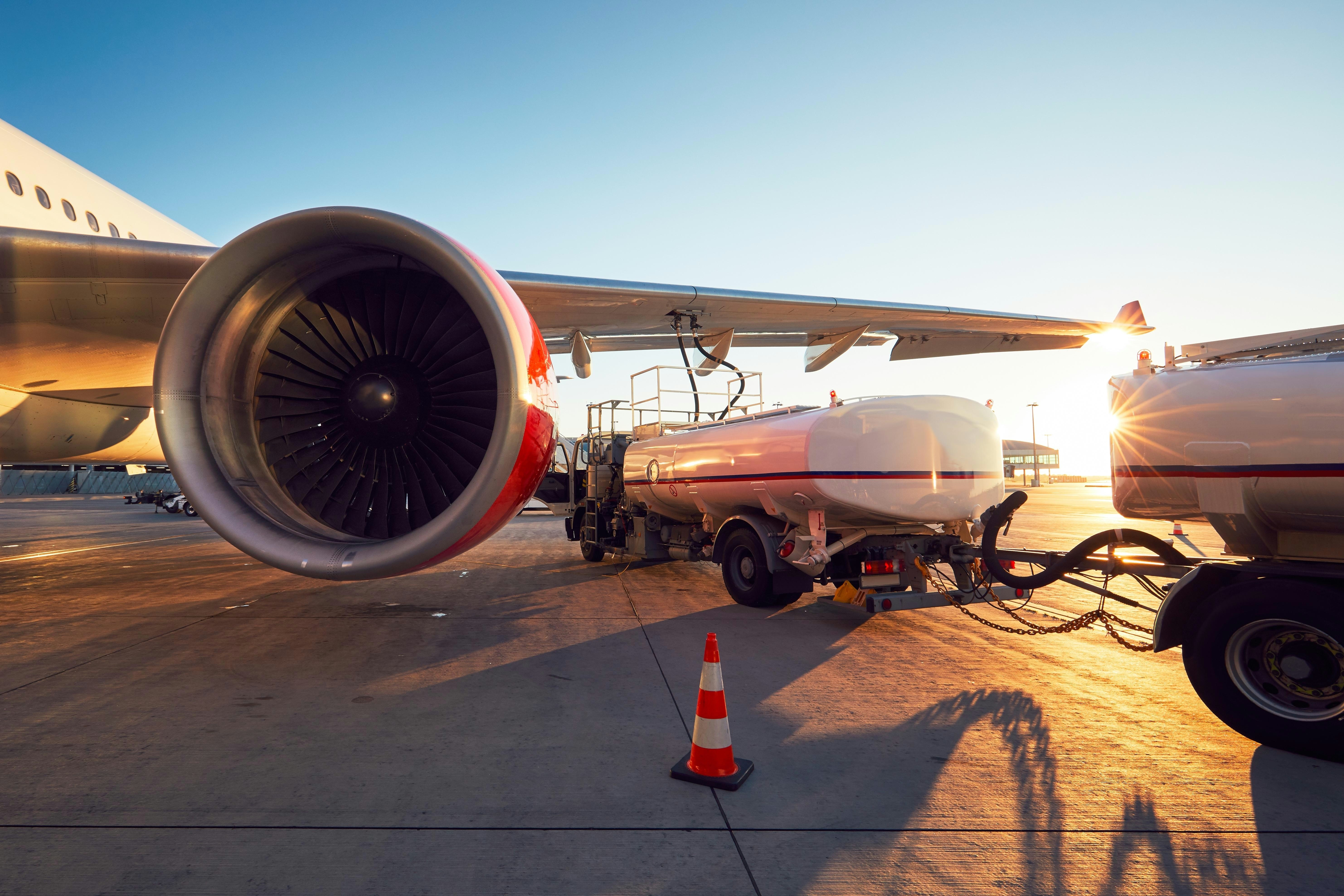
Aviation Industry Faces Intensifying Supply Chain Disruptions and Rising Costs
The aviation sector is currently confronting significant challenges stemming from persistent supply chain disruptions and escalating operational expenses. At the 69th Assembly of Presidents of the Association of Asia Pacific Airlines, International Air Transport Association (IATA) Director General Willie Walsh highlighted growing concerns over proposed price increases by Original Equipment Manufacturers (OEMs). Walsh emphasized the financial pressures on airlines, which are already contending with high OEM profit margins. He pointed to a widening disparity between the profitability of airlines and that of OEMs, noting that engine manufacturers, in particular, have reported improved financial results despite ongoing systemic disruptions within the industry.
Operational and Financial Strains
Beyond disputes over pricing, the aviation industry is grappling with a substantial backlog of more than 17,000 aircraft, which continues to impede fleet renewal and expansion efforts. Supply chain costs are projected to exceed USD 11 billion by 2025, further straining airline finances. Compounding these challenges are tariffs and shifting trade policies that disrupt both supply and demand dynamics. These factors exacerbate the burden on an industry already facing increased non-fuel costs and mounting pressures to meet sustainability targets.
The sector is also contending with fragmentation and a rise in cargo fraud, as sophisticated criminal networks increasingly target aviation supply chains. The escalation in supply chain fraud and theft has prompted urgent calls for enhanced cargo protection measures to safeguard logistics networks and protect consumers from rising costs. Industry leaders stress that addressing these vulnerabilities is critical to maintaining operational resilience and securing the integrity of supply chains.
Geopolitical and Economic Complexities
Geopolitical tensions, rising input costs, and ongoing supply chain disruptions add further layers of complexity to the aviation landscape. Companies such as Aptar have reported heightened risks associated with these factors, which threaten to disrupt production and delivery schedules. In response, industry collaborations, including partnerships between Trax and Aeroxchange, are focusing on improving integration capabilities to streamline operations and strengthen supply chain security.
The broader economic environment remains uncertain, with federal government shutdowns and evolving trade policies contributing to logistical challenges. As airlines navigate these headwinds, Walsh has called for fairer returns for carriers and enhanced service from critical suppliers. He underscored the necessity of industry-wide cooperation to restore stability and support sustainable growth.
With the aviation sector facing a convergence of operational, financial, and security challenges, stakeholders are under increasing pressure to adapt and innovate to safeguard the industry’s future.

Etihad Airways Suspends Airbus A380 Flights on Key Route

Aditya Birla Group Seeks Approval for Aircraft Leasing in GIFT City

Qatar Airways Highlights Innovation and Connectivity at Arabian Travel Market 2026

Hong Kong's Five-Year Plan Includes Andrew Fan's Aircraft Parts Processing Hub Proposal

ACIA Aero Leasing Delivers ATR72-600 to Air Nostrum

RTX Appoints Jill Albertelli as Head of Pratt & Whitney

TAT Technologies Joins Beyond Aero Hydrogen Aircraft Program

AURAK Study Highlights Barriers to Air Taxi Adoption in Emerging Economies

Xiamen Air Selects Altitude for 787 Maintenance at Heathrow

Etihad and Swissport Extend Global Partnership
