
أيروجيني — مساعدك الذكي للطيران.

الرائج الآن
Categories
Aviation Supply Chain Issues Pose Risks to Global Tourism Growth
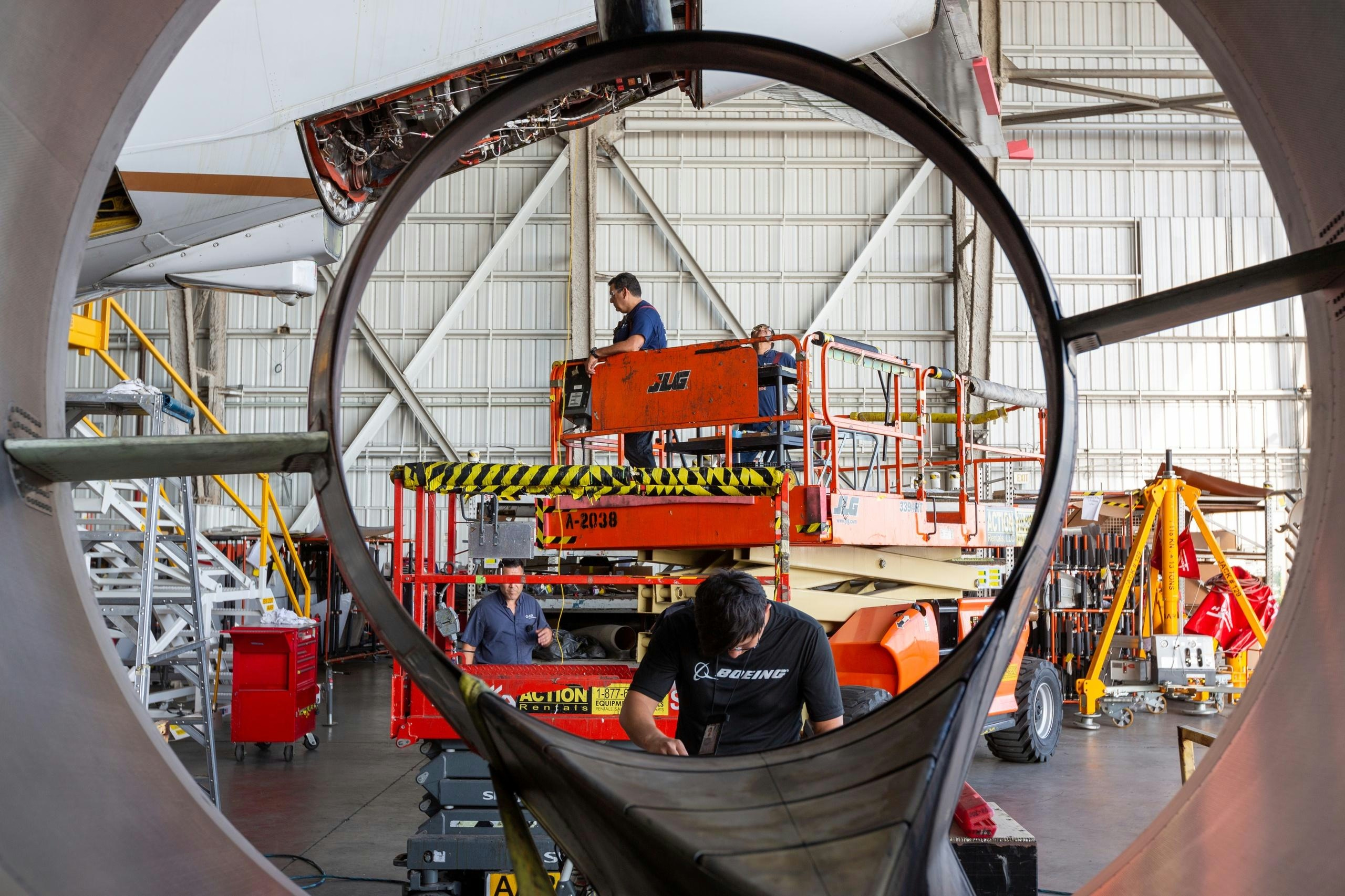
Aviation Supply Chain Issues Pose Risks to Global Tourism Growth
The global air travel industry is poised for a significant resurgence, with projections estimating that airlines will carry 5.2 billion passengers by 2026. This anticipated increase represents a critical juncture for the tourism sector, offering renewed opportunities for destinations worldwide as travelers return following years of disruption. For countries and cities heavily dependent on tourism, the expected rise in passenger traffic promises to revitalize local economies, bolster hospitality industries, and support cultural heritage sectors.
Supply Chain Challenges Threaten Aviation Capacity
Despite this optimistic forecast, the industry faces considerable challenges stemming from persistent supply chain bottlenecks. Experts caution that ongoing disruptions in the availability of aircraft parts, maintenance services, and new technological components could undermine the sector’s capacity to meet growing demand. These issues risk reducing flight availability, driving up operational costs, and potentially restricting access to key tourist destinations.
In response, organizations such as Taiwan’s Aerospace Industrial Development Corporation (AIDC) are adopting innovative solutions. By integrating advanced thermoplastic composites into aircraft manufacturing, AIDC aims to address both the surging market demand and the aviation industry’s commitment to achieving net-zero carbon emissions. Such technological advancements are essential for airlines striving to maintain stable route networks and avoid disruptions that could adversely affect international tourism flows.
Regional Outlook and Industry Adaptation
The Asia–Pacific region is expected to be a major engine of growth, driven by an expanding middle class and robust economic performance. Airlines in this region are projected to reach seat occupancy rates as high as 83.8% by 2026, translating into increased traveler numbers and enhanced business opportunities for hotels, travel agencies, and local operators. Countries including India, China, and those in Southeast Asia are preparing for a substantial influx of visitors, while cities such as Singapore, Bangkok, and Tokyo anticipate significant economic benefits from sustained airline capacity.
In Europe, established tourism destinations like Italy, Spain, and France are also positioned to benefit. The region’s dense flight networks and the popularity of low-cost carriers are expected to attract international tourists seeking affordable travel options. Cities such as Paris, Barcelona, and Rome are already intensifying preparations for higher visitor volumes, with local businesses ranging from restaurants to museums poised to gain from increased foot traffic.
Nevertheless, the risks associated with supply chain disruptions remain considerable. Constraints on accessibility could limit the growth of tourist attractions and raise safety concerns if essential maintenance or upgrades are delayed. Reflecting the industry’s need for agile leadership amid these challenges, Marriott Vacations Worldwide recently appointed Matthew E. Avril as Interim President and CEO, highlighting the importance of strategic management in navigating global supply chain uncertainties and macroeconomic fluctuations.
As the aviation and tourism sectors look ahead to 2026, their capacity to adapt to supply chain challenges will be pivotal. Continued innovation, strategic planning, and collaboration across the industry will determine whether the projected surge in global tourism can be fully realized or if persistent bottlenecks will impede the sector’s recovery and growth.
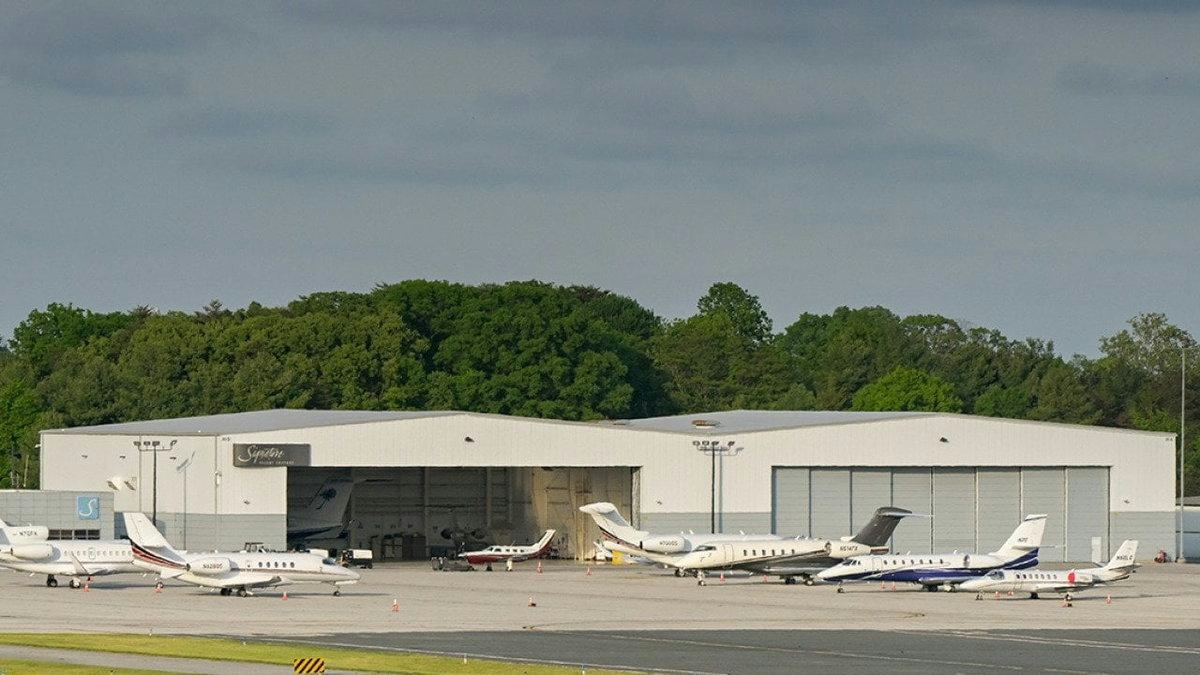
Aircraft Parts Market Projected to Reach $1.4 Trillion by 2034

ITA Joins Major Airlines in Unifying Content on Iris Platform with AI and Advanced Distribution Tools
New Leasing Tax Rules Threaten Ukrainian Aviation Industry
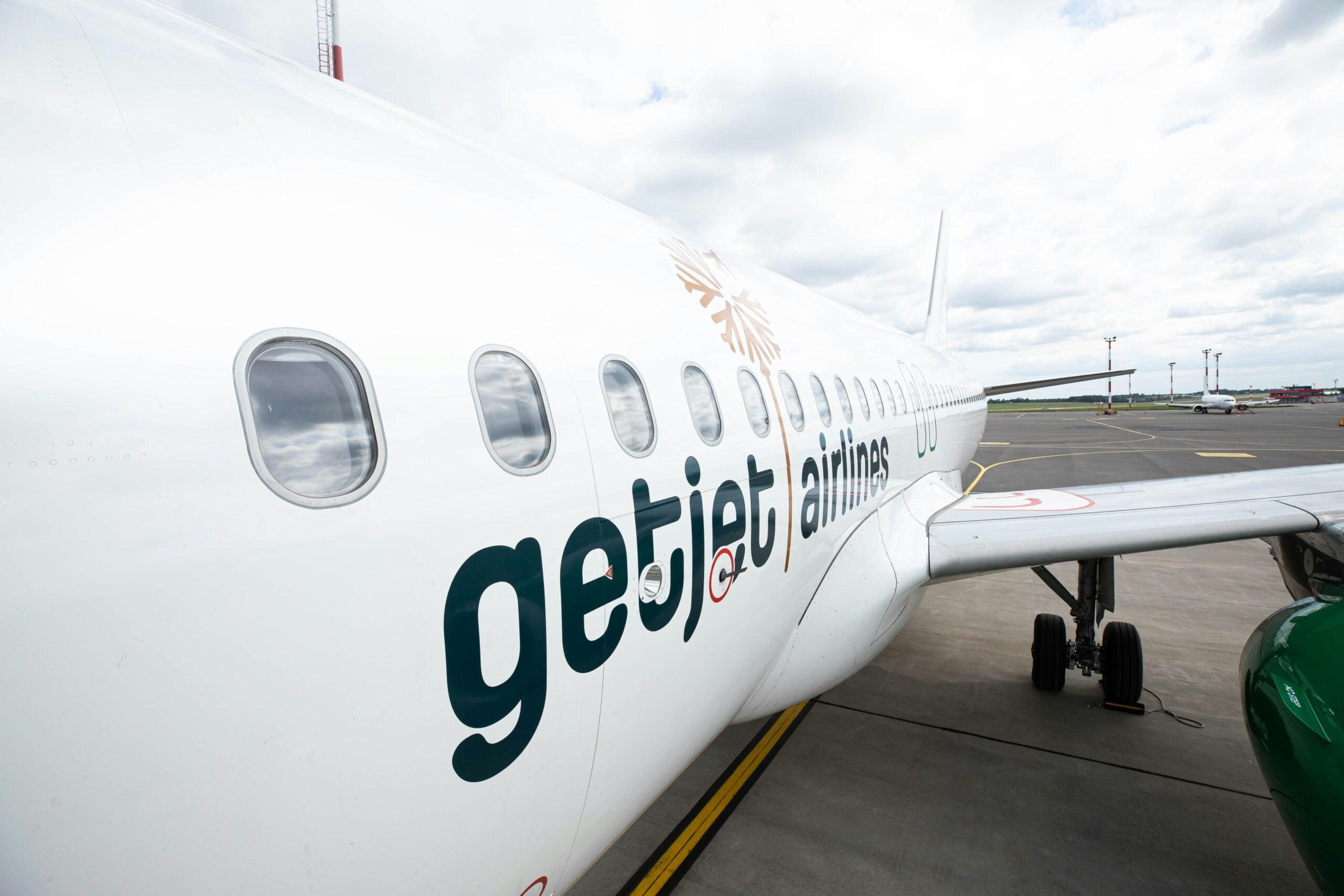
GetJet Raises $31 Million in Financing from Volofin
3D Printing Advances Transform Aerospace Manufacturing
Cutter Aviation Opens Pilatus Maintenance Facility in Colorado
Aircraft Line Maintenance: Industry Overview and Leading Companies

Marubeni Acquires Full Control of DASI

Vietnam Helicopter Corporation Orders Airbus H225 for Offshore Operations

Delta CEO: AI’s Greatest Potential in Aviation Lies in Air Traffic Control
