
حوّل رؤى الذكاء الاصطناعي إلى أفعال منسّقة

الرائج الآن
Categories
Boeing Surpasses Airbus in Deliveries Amid Ongoing Recovery Challenges
Boeing Surpasses Airbus in Deliveries Amid Ongoing Recovery Challenges
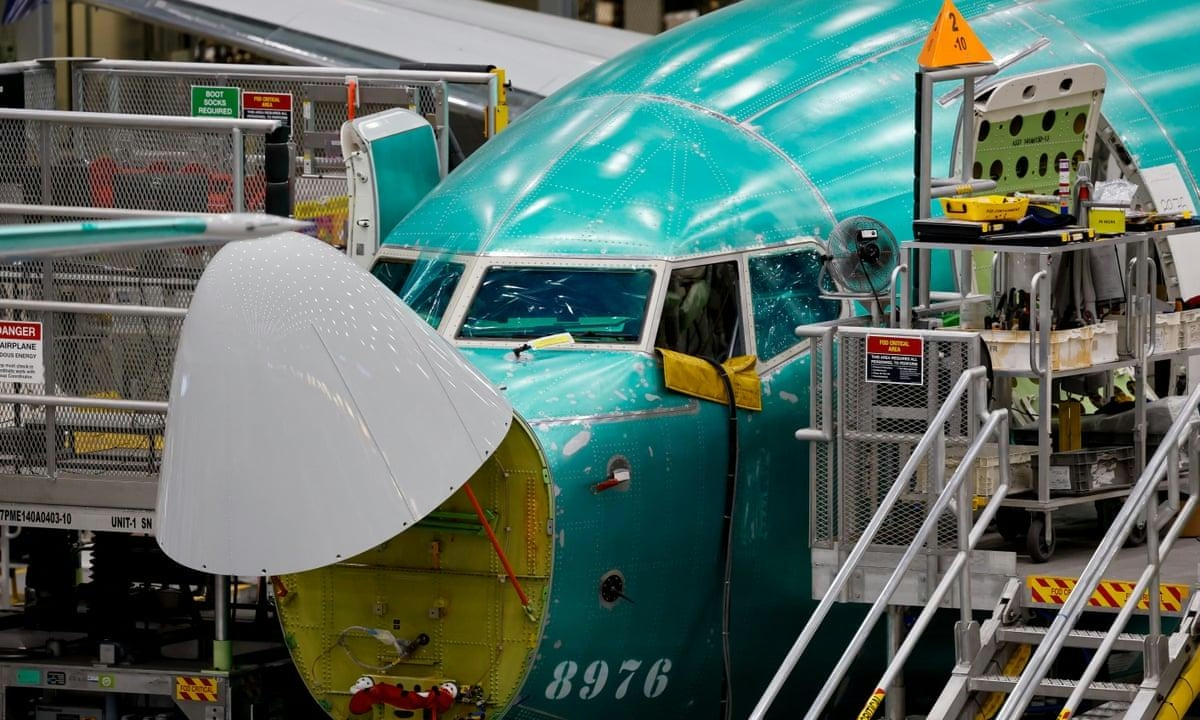
In a notable development within the global aerospace industry, Boeing (NYSE:BA) has overtaken Airbus in aircraft deliveries, signaling a significant shift after years marked by production setbacks and regulatory obstacles. In February 2026, Boeing delivered 51 aircraft, its highest monthly total since 2018, surpassing Airbus and reaching a nine-year peak. This achievement comes despite persistent challenges, including ongoing quality concerns related to premium class seats on the 787 Dreamliner.
Production Momentum and Strategic Wins
The increase in deliveries reflects renewed momentum in Boeing’s production system, which has faced considerable difficulties in recent years. The company’s operational progress is further highlighted by key successes in its defense and space divisions. Boeing recently secured a PAC-3 missile seeker contract and played a pivotal role in the successful launch of the Artemis Space Launch System (SLS) core stage, underscoring its strategic importance in national security and space exploration efforts.
Regulatory developments have also worked in Boeing’s favor. Authorities have approved higher takeoff weights for the 787 series, enhancing payload capacity and range options for airlines. This regulatory approval strengthens Boeing’s competitive position against long-haul rivals such as Airbus, as well as engine and systems partners including General Electric and Rolls Royce.
Challenges and Market Implications
Despite these positive indicators, Boeing’s outlook remains cautious due to several ongoing challenges. Recurring quality issues, delays in the certification of the 777X, rising fuel costs, and geopolitical tensions continue to exert pressure on both its commercial and defense operations. These factors affect production timelines, customer demand, and the pace at which order backlogs can be converted into deliveries and revenue.
The recent shift in delivery figures may influence market sentiment in Boeing’s favor, while Airbus could face increased scrutiny over its own production delays. Industry analysts anticipate that Airbus will respond by intensifying efforts to improve delivery rates and resolve bottlenecks in order to reclaim market share.
For investors, Boeing presents a complex profile. Operational gains, new defense contracts, and regulatory approvals may enhance the company’s competitiveness for future orders. However, unresolved quality concerns and certification delays pose risks that could impact program costs and delivery schedules.
As airlines and governments continue to prioritize fleet renewal, national security, and space initiatives, Boeing’s performance remains a critical factor in the broader aviation sector. Assessing the interplay of these elements is essential for understanding Boeing’s long-term trajectory as it navigates both recovery opportunities and persistent challenges.

Etihad Airways Suspends Airbus A380 Flights on Key Route

Aditya Birla Group Seeks Approval for Aircraft Leasing in GIFT City

Qatar Airways Highlights Innovation and Connectivity at Arabian Travel Market 2026

Hong Kong's Five-Year Plan Includes Andrew Fan's Aircraft Parts Processing Hub Proposal

ACIA Aero Leasing Delivers ATR72-600 to Air Nostrum

RTX Appoints Jill Albertelli as Head of Pratt & Whitney

TAT Technologies Joins Beyond Aero Hydrogen Aircraft Program

AURAK Study Highlights Barriers to Air Taxi Adoption in Emerging Economies

Xiamen Air Selects Altitude for 787 Maintenance at Heathrow

Etihad and Swissport Extend Global Partnership
