
حوّل رؤى الذكاء الاصطناعي إلى أفعال منسّقة

الرائج الآن
Categories
CFM Turbine Upgrade Doubles LEAP Engine Service Life in Harsh Conditions
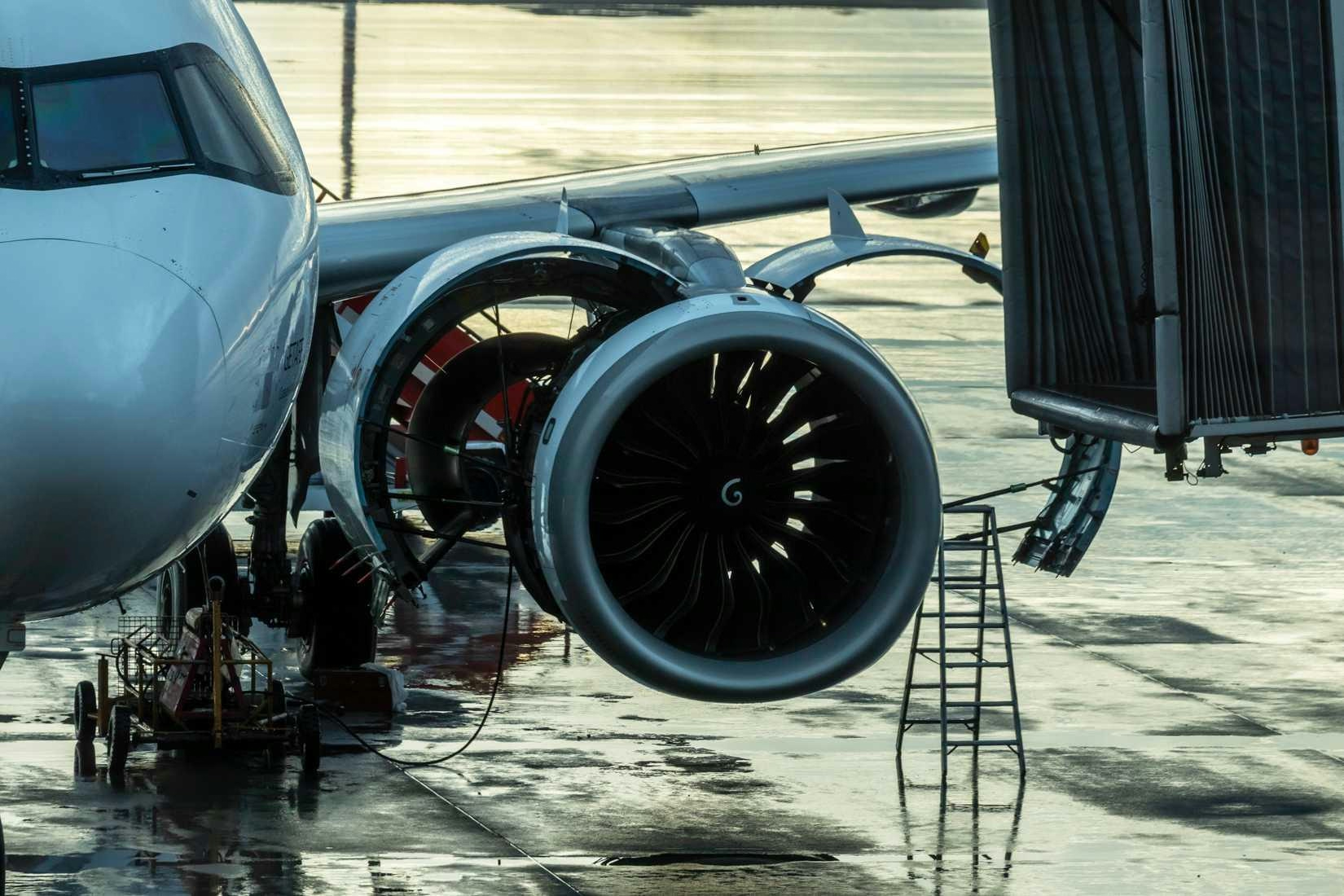
CFM Turbine Upgrade Doubles LEAP Engine Service Life in Harsh Conditions
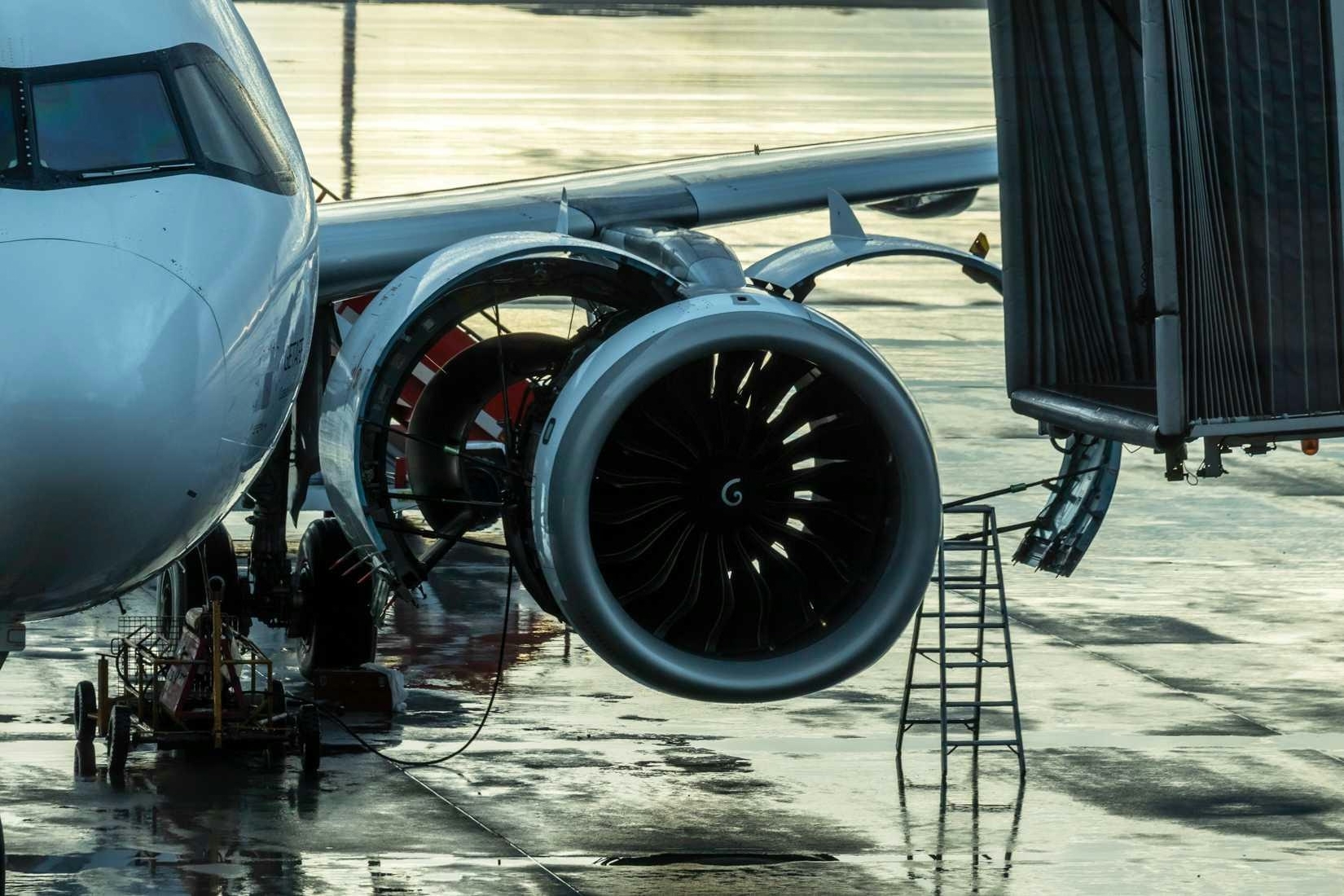
Modern commercial turbofan engines represent the pinnacle of thermodynamic efficiency, yet even the most advanced models encounter significant durability challenges when operating in extreme environments. The CFM LEAP engine, a mainstay on narrowbody aircraft, has historically struggled to match the operational lifespan of its three-decade-old predecessor in regions characterized by high temperatures and airborne particulates, such as the Middle East and India. The ingestion of fine sand particles combined with intense thermal stress has accelerated the degradation of hot-section components, compelling airlines to remove engines from service far earlier than anticipated.
Durability Challenges in Extreme Environments
Within the high-pressure turbine of the LEAP engine, temperatures exceed 2,000°F (1,093°C), surpassing the melting point of the nickel-based superalloys that constitute the engine’s core materials. Although the LEAP-1A and LEAP-1B variants incorporate advanced cooling channels and ceramic coatings designed to withstand such conditions, the abrasive nature of airborne sand presents a formidable obstacle. Sand particles melt into silicate glass upon contact with the turbine blades, coating surfaces, clogging cooling holes, and rapidly eroding protective layers. This phenomenon has led to unscheduled engine removals after approximately 3,000 flight hours in dusty environments—significantly below the expected maintenance interval of 15,000 hours. The resulting operational disruptions have increased costs and necessitated the use of costly spare engines.
Engineering a Comprehensive Solution
Acknowledging that software adjustments and minor operational modifications were insufficient to address these fundamental issues, CFM International—a joint venture between GE Aerospace and Safran—undertook a thorough redesign of the LEAP engine’s high-pressure turbine module. The centerpiece of this effort is a three-part hardware upgrade comprising a newly engineered stage 1 blade featuring revised internal cooling geometry, a reinforced stage 1 nozzle, and a strengthened forward inner nozzle support. These enhancements enable sand particulates to pass through the turbine without clogging critical cooling apertures and mitigate warping caused by thermal gradients.
In addition to these hardware improvements, CFM introduced an automated reverse-bleed system aimed at reducing carbon buildup in fuel injectors. This system reverses airflow through the fuel lines upon engine shutdown, effectively purging residual fuel before it can form damaging carbon deposits.
Implementation and Industry Impact
The upgraded turbine module received certification for Airbus A320neo LEAP-1A models in December 2024 and is currently installed on 40% of active aircraft. The reverse-bleed system is projected to be adopted by 70% of the fleet by July 2026. Despite these advances, widespread integration across existing fleets poses logistical challenges, particularly in retrofitting older engines. Airlines are expected to prioritize these upgrades for aircraft operating on high-utilization routes in harsh environments to enhance reliability and reduce operational disruptions.
The market has responded swiftly to CFM’s innovation, with competitors such as GE Aerospace accelerating their own engine upgrade programs to maintain a competitive edge. Alternative solutions are also in development, including anticipated improvements to the GEnx-1B engine’s time on wing in harsh conditions, expected by 2028.
Looking Ahead
The CFM turbine upgrade represents a significant advancement in extending engine durability and reliability under extreme operating conditions. However, the aviation industry continues to face challenges in achieving fleet-wide implementation and sustaining performance standards. As manufacturers and airlines adapt to these demands, the focus remains on prolonging engine life, reducing maintenance costs, and ensuring consistent performance in some of the world’s most demanding environments.
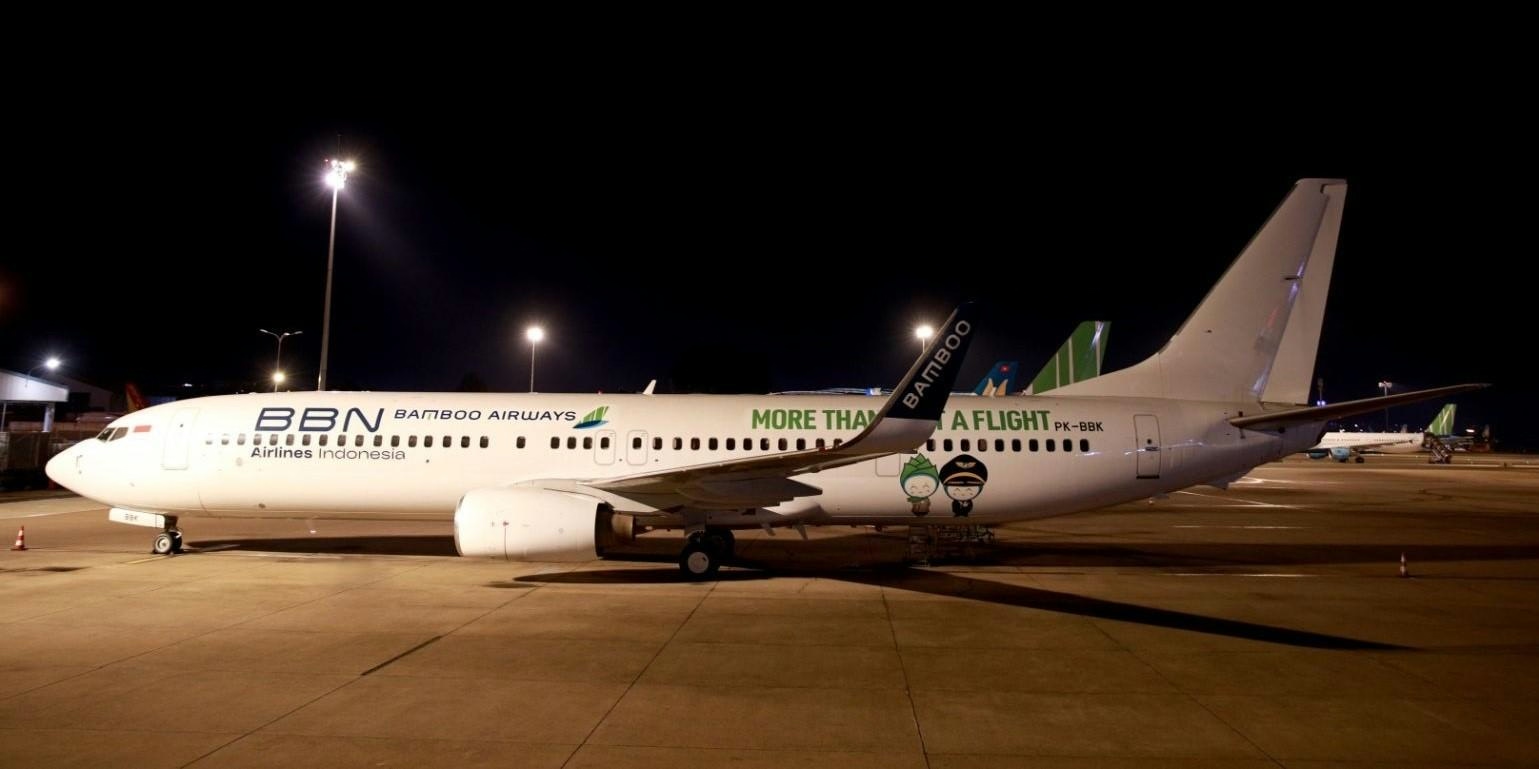
BBN Airlines Becomes IATA Member

FAA Orders Breeze Airways and Delta to Inspect Airbus A220 Fuel Hoses
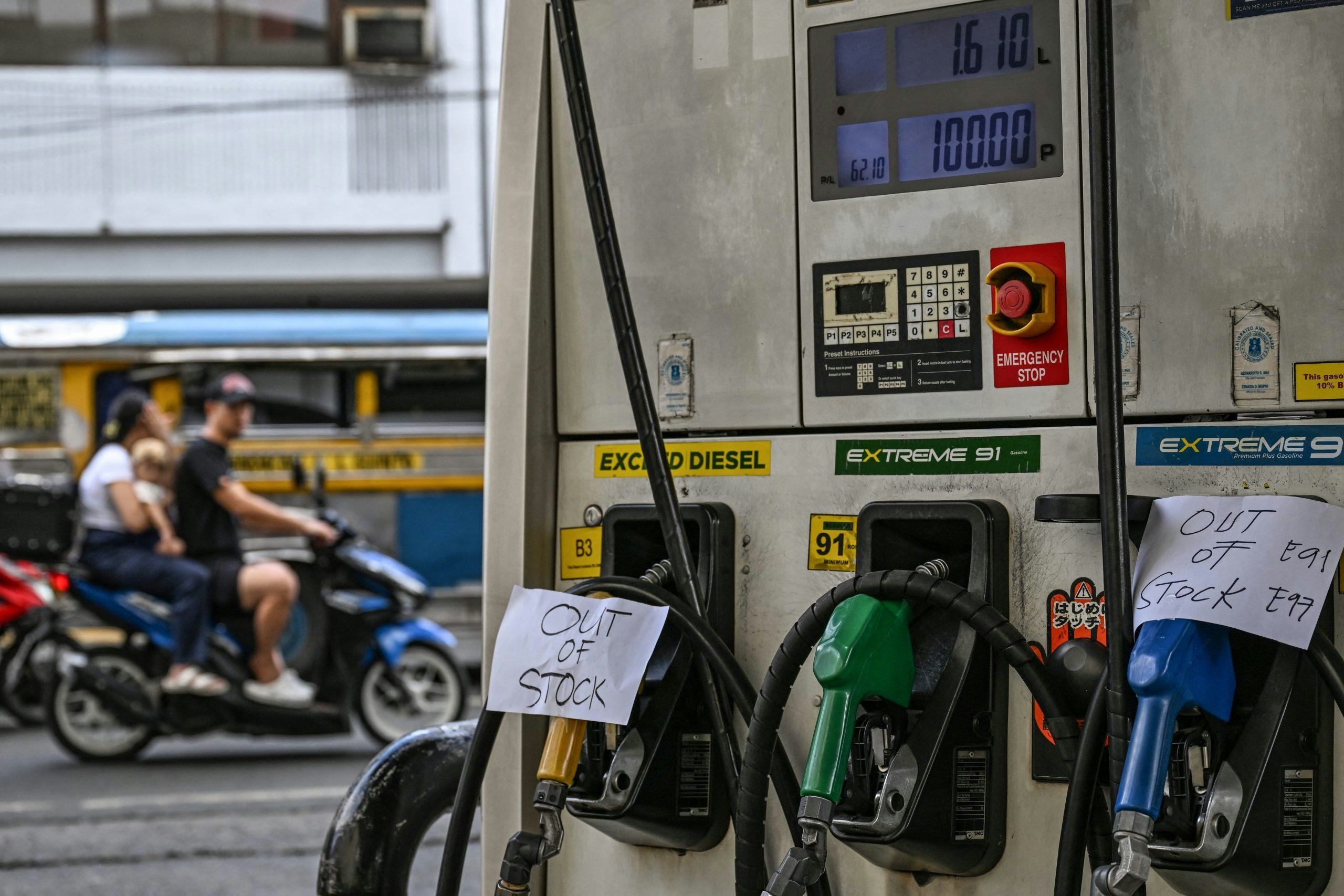
Philippine Aviation Navigates Expansion and Costs Amid Fuel Price Volatility
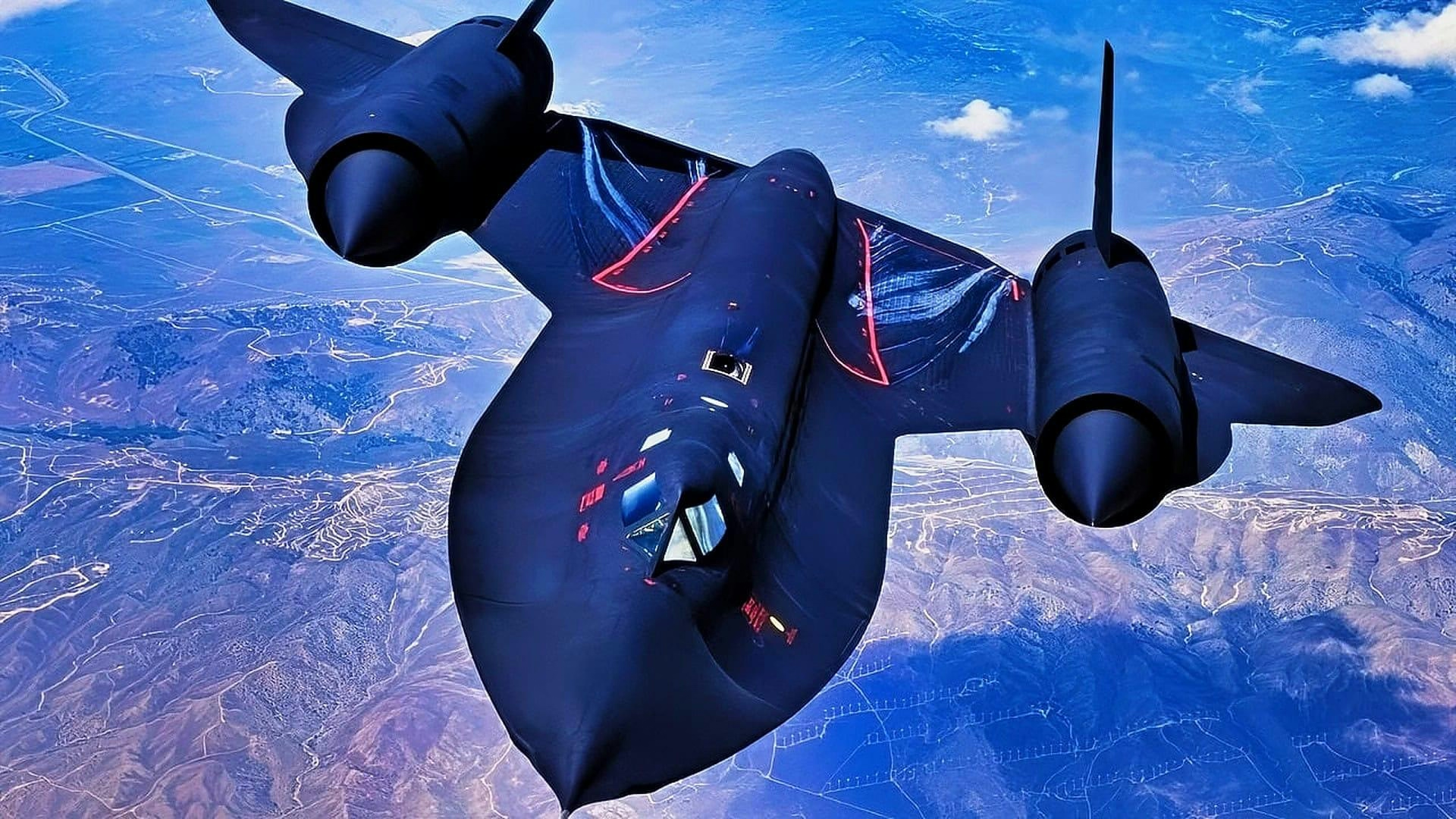
On April 26, 1971, an SR-71 Blackbird Flew Over 15,000 Miles in 10.5 Hours, Limited by Liquid Nitrogen Supply
Boeing 747 Airframe Valued Less Than One Landing Gear Component

The Rear-Fan Engine Behind the Crash of the World's Fastest Airliner
Morphing Aircraft Skin Improves Safety and Fuel Efficiency
BRICS Nations Commit to Enhanced Cooperation on Sustainable Transport and Green Aviation
CFM Upgrade Doubles LEAP Engine Lifespan in Harsh Climates

Sonoma County Board of Supervisors Revisits Controversial Government Office Deal
