
أيروجيني — مساعدك الذكي للطيران.

الرائج الآن
Categories
Delhi Considers Air Taxi Proposal to Ease Traffic
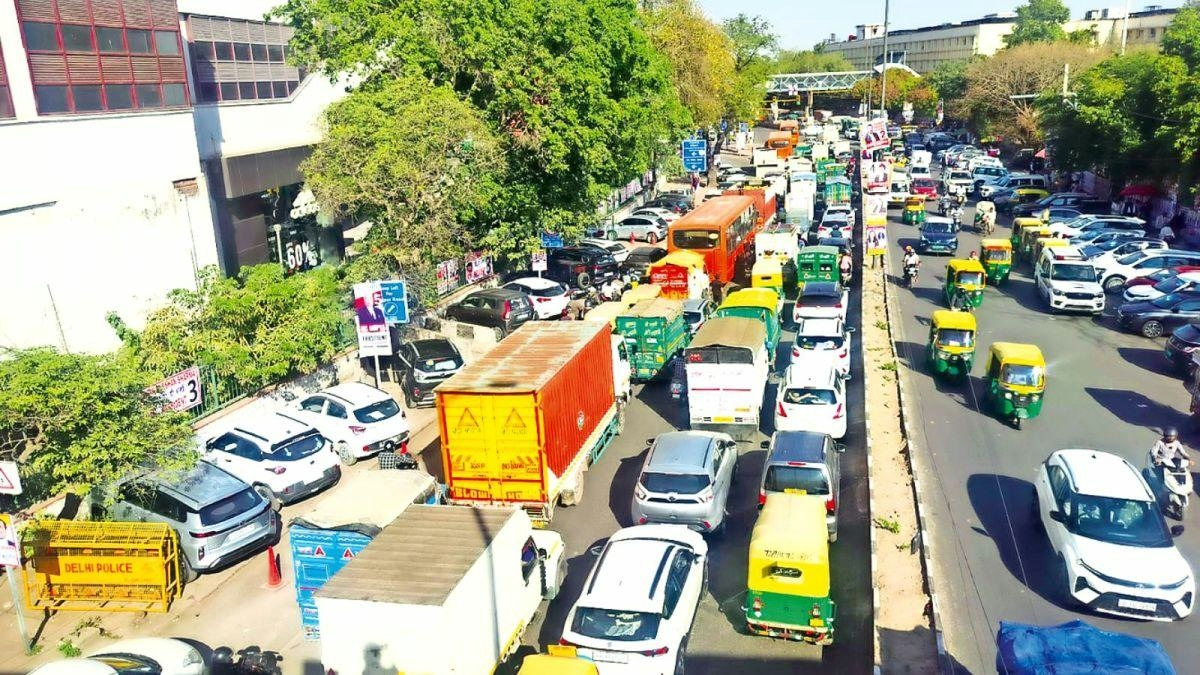
Delhi Explores Air Taxi Corridor to Alleviate Traffic Congestion
New Delhi is considering the introduction of an electric air taxi corridor designed to connect Gurgaon, Connaught Place, and Noida International Airport, aiming to address the persistent traffic congestion that plagues the National Capital Region (NCR). A recent report by the Confederation of Indian Industry (CII), unveiled by Civil Aviation Minister Rammohan Naidu Kinjarapu, outlines a strategic plan to integrate electric vertical take-off and landing aircraft (eVTOLs) into the city’s transportation framework. This initiative seeks to drastically reduce travel times from several hours to mere minutes, potentially revolutionizing urban mobility in Delhi and serving as a pilot model for other major Indian cities such as Mumbai, Bengaluru, Chennai, and Hyderabad.
Proposed Route and Operational Framework
The proposed air taxi corridor focuses on the high-demand triangle formed by Gurgaon, central Delhi, and Jewar Airport, where road congestion results in lengthy commutes. Currently, journeys such as the one from Connaught Place to Noida International Airport can take up to two and a half hours by road. The air taxi service aims to cut this travel time to approximately 18 to 20 minutes, with the entire corridor traversable in under 30 minutes compared to up to three hours during peak traffic.
A distinctive aspect of the proposal is the utilization of rooftop vertiports installed on hospitals, commercial buildings, technology parks, and high-rise structures. This approach addresses the challenges of acquiring ground space in densely populated urban areas, potentially reducing capital expenditure by 30 to 50 percent and enabling operational readiness within a year. Initially, the service would prioritize medical and emergency transport, including organ transfers, leveraging hospital rooftops and upgraded helipads for low-frequency eVTOL flights. This phased rollout is intended to build operational confidence, validate safety protocols, and foster public acceptance before expanding to broader passenger services.
Route Design and Regulatory Compliance
The feasibility study highlights the operational viability of the Delhi-NCR corridor, noting that the aerial route of 65 to 75 kilometers is significantly shorter than the 110 to 120 kilometers by road. To comply with India’s complex airspace regulations, the route would incorporate planned detours to avoid sensitive zones. Flights departing from Gurgaon would arc northward via Punjabi Bagh and Civil Lines, circumventing restricted areas such as Lutyens’ Delhi, Delhi Cantonment, and the airspace around Indira Gandhi International Airport, maintaining travel times under 12 minutes. The segment between central Delhi and Jewar would navigate around Tughlakabad and Okhla, passing through peri-urban regions before entering Uttar Pradesh airspace.
Environmental and Community Considerations
Environmental sustainability is a core component of the proposal. eVTOL aircraft promise zero tailpipe emissions and operate with significantly lower noise levels compared to traditional helicopters, particularly when vertiports and charging infrastructure are powered by renewable energy sources. The report recommends implementing acoustic zoning and continuous noise monitoring to mitigate community concerns and ensure compliance with environmental standards.
Challenges and Industry Context
Despite its potential, the air taxi initiative faces considerable challenges. The market is becoming increasingly competitive, with established players such as Archer Aviation and Joby Aviation actively pursuing regulatory approvals for their own eVTOL services. This competition could lead to legal disputes reminiscent of the ongoing trade-secrets litigation between these companies. Stakeholder reactions to the proposal are mixed; while many welcome the prospect of easing traffic congestion, others express apprehension regarding noise pollution and the adequacy of community engagement. Additionally, broader industry challenges, including intensifying competition and geopolitical uncertainties—as underscored by recent warnings from Korean Air about 2026—may influence the project’s development and implementation.
As Delhi deliberates on this ambitious air taxi proposal, the city confronts the complex task of balancing technological innovation, regulatory frameworks, and public acceptance in its pursuit of transforming urban transportation.
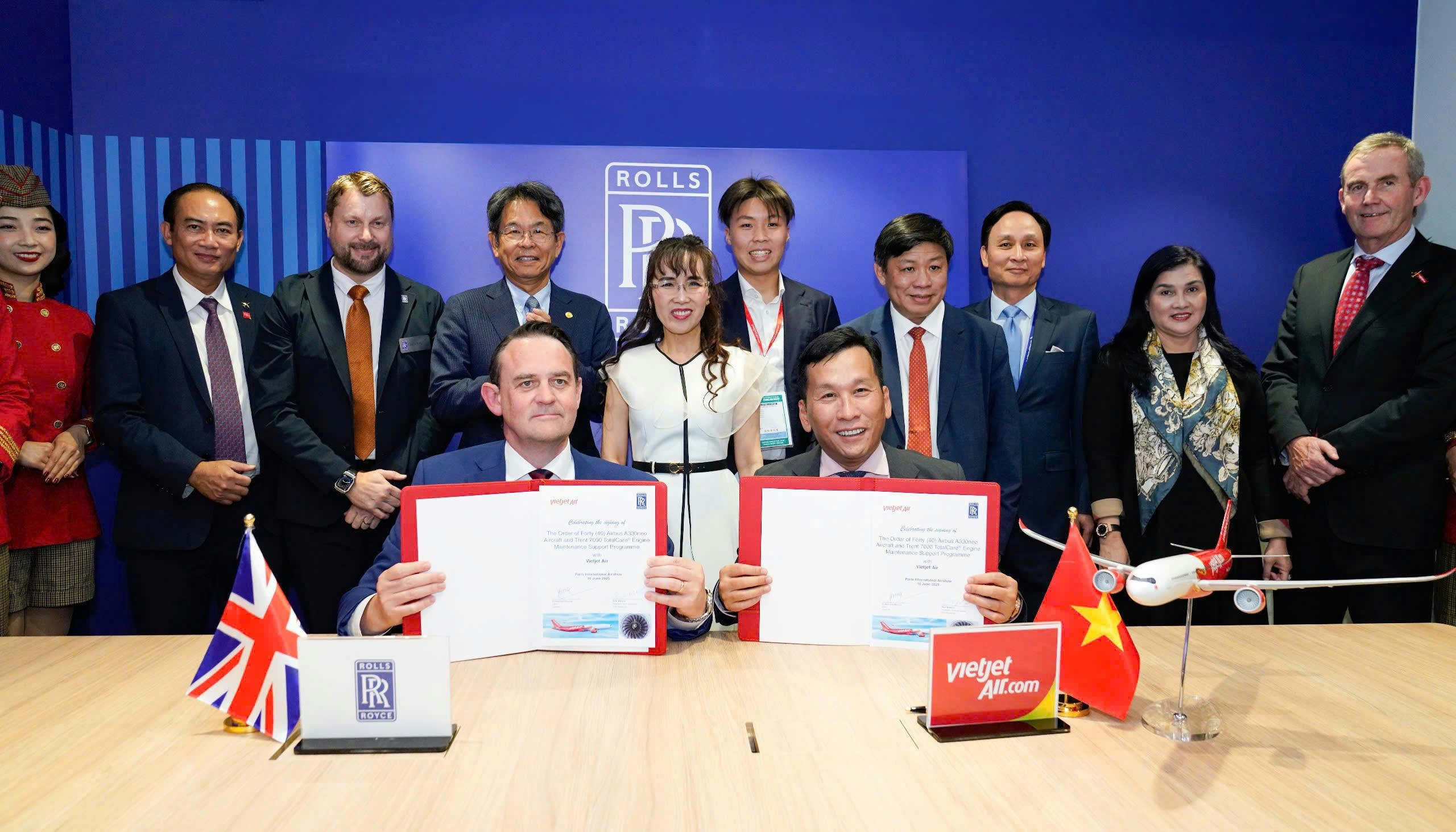
Vietjet Signs Key Engine and Financing Deals to Support Regional Expansion
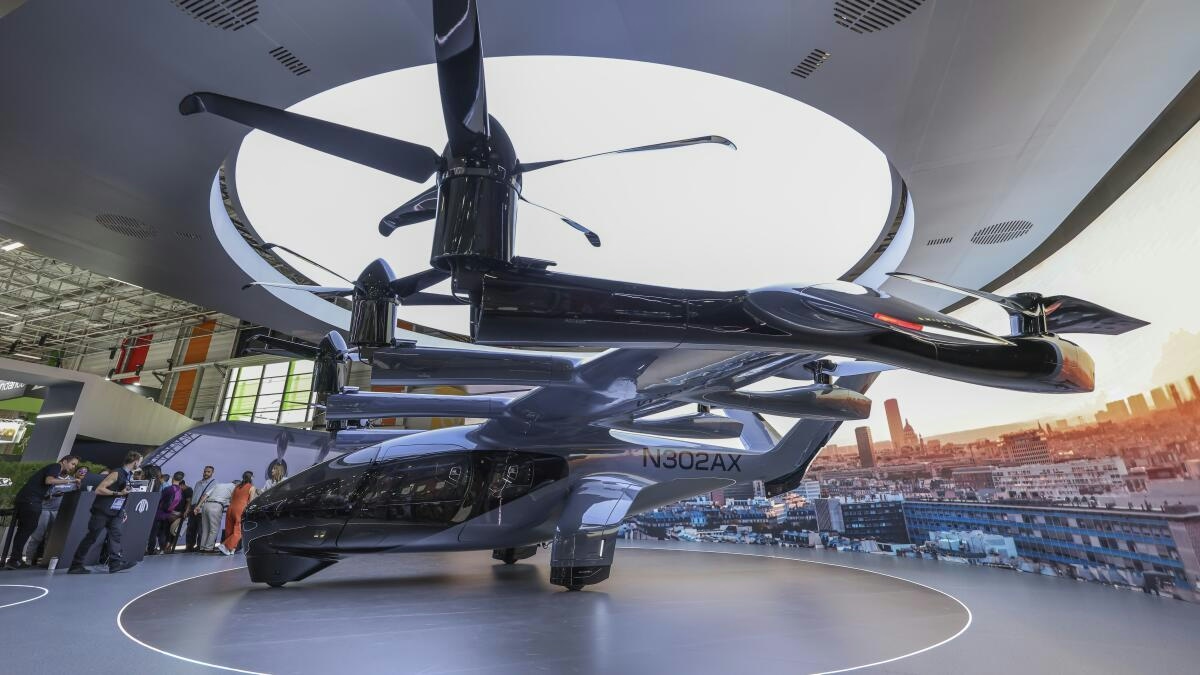
Dubai to Launch Flying Taxis at Airports, Resorts, and Business Districts

Air France Taxi Mistake and Weather Disrupt European Travel

China Eastern Airlines Restructures Supply-Chain Holdings in Connected RMB199.8 Million Deal
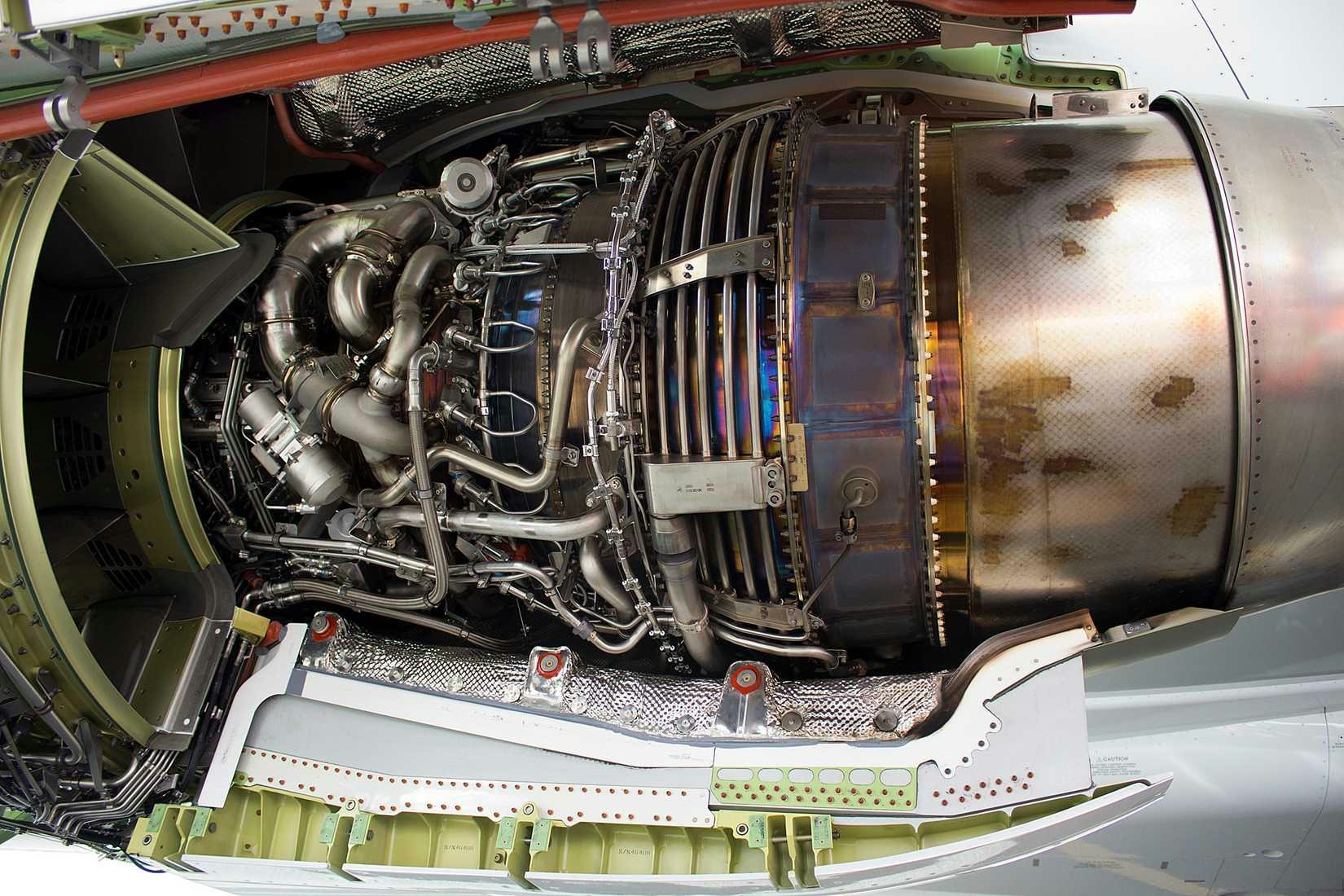
New Overhaul Plan Extends Service Life of CFM56 Aircraft Engines

Vertical Aerospace Launches Zero-Emission Air Taxi Routes in New York

Technology, Defense, and Supply Chains Reshape Aerospace and Aviation

Air France-KLM Appoints Olivier Piette to Expanded Strategy Role
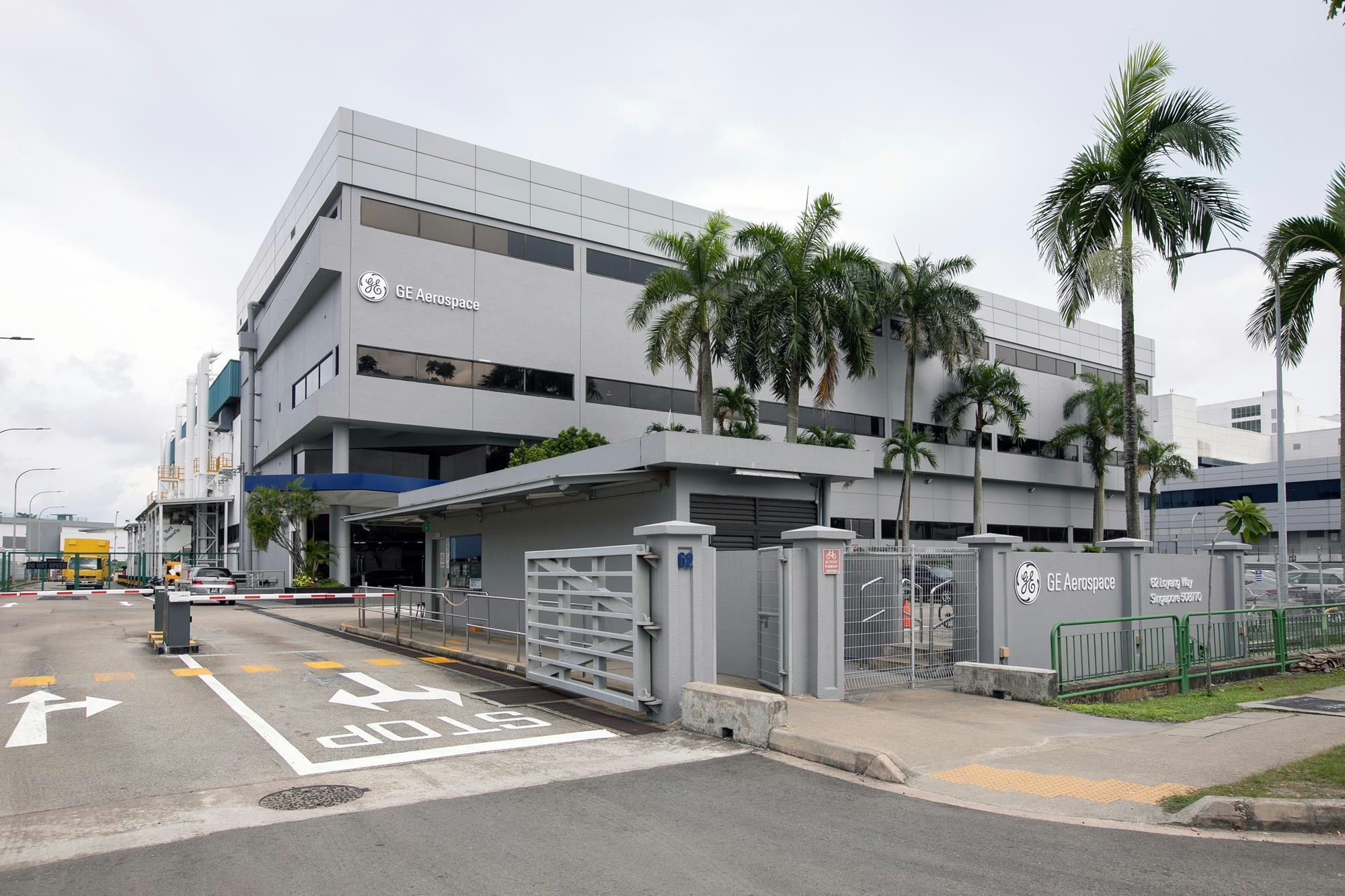
GE Aerospace Announces Major Investments in Next-Gen Tech at Singapore Airshow

Cathay Pacific Chooses Thales for A330neo Avionics Upgrade
