
حوّل رؤى الذكاء الاصطناعي إلى أفعال منسّقة

الرائج الآن
Categories
Delta Airlines Uses AI to Adjust Ticket Prices Dynamically
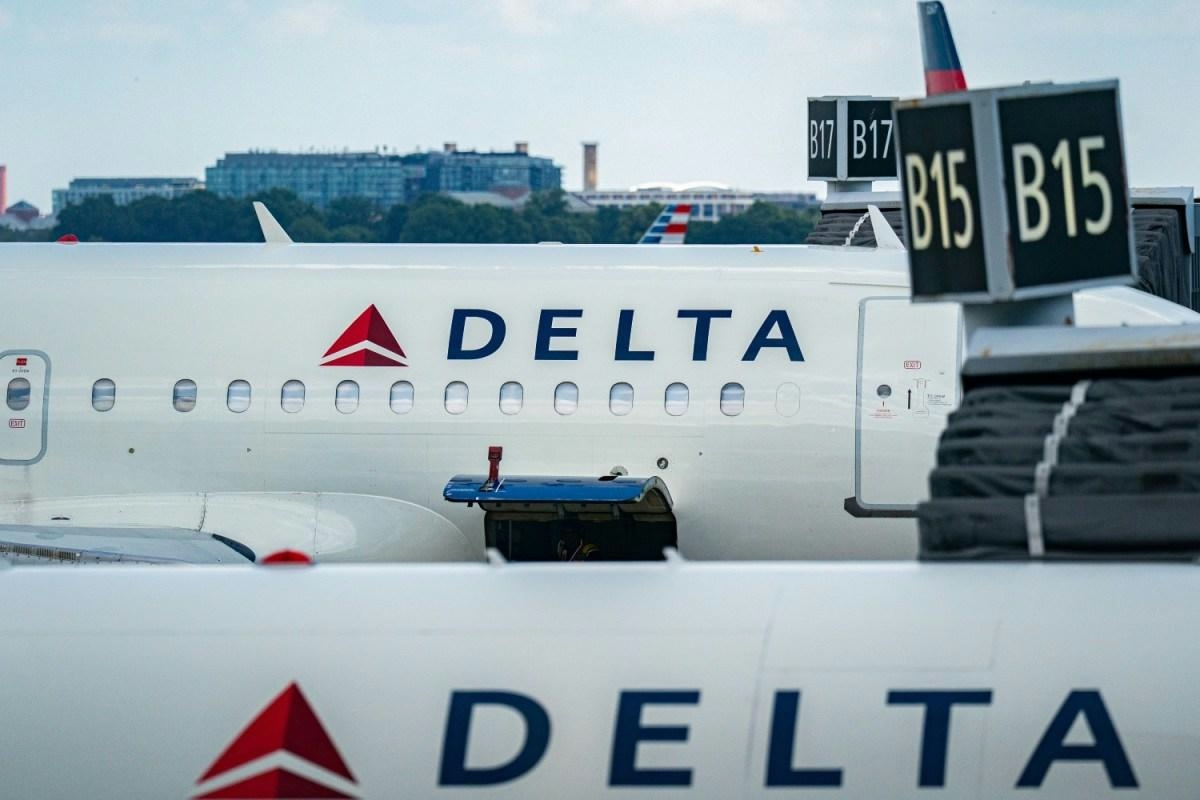
Delta Airlines Implements AI-Driven Dynamic Pricing for Flight Tickets
Delta Airlines has introduced an artificial intelligence system to transform its ticket pricing strategy, aligning with a broader industry shift toward dynamic pricing models. In collaboration with Israeli startup Fetcherr, the airline has deployed an AI platform that processes extensive real-time data to adjust fares on an individual basis. This system evaluates a variety of factors, including flight-specific elements such as timing, route, and competitive landscape, alongside wider economic indicators and customer behaviors like browsing history and previous bookings. The objective is to tailor prices uniquely for each passenger, optimizing revenue while adapting to fluctuating market demand.
Expansion and Regulatory Considerations
The airline began discreetly testing this AI-driven pricing last year, initially applying it to approximately 1% of its ticket inventory. Encouraged by favorable outcomes, Delta has since increased the scope to 3% of fares, with plans to extend dynamic pricing to 20% of domestic tickets by the end of 2025, as stated by Delta President Glen Hauenstein. The company maintains that its AI pricing system adheres strictly to federal regulations and avoids discriminatory practices. A spokesperson highlighted that all fares remain publicly filed and are determined solely by trip-related factors such as advance purchase timing and cabin class, with robust safeguards implemented to ensure compliance with legal standards.
Despite these assurances, the introduction of AI-based pricing has ignited debate regarding transparency and fairness. Critics question the opacity of the AI’s decision-making processes and express concern over the system’s potential to maximize revenue at the expense of consumer trust.
Challenges and Industry Implications
Delta faces several challenges in implementing dynamic pricing. Consumer dissatisfaction may arise from unpredictable fare fluctuations, potentially leading to backlash. Furthermore, regulatory scrutiny is expected to intensify as authorities evaluate the fairness and transparency of AI-driven pricing mechanisms. The airline’s adoption of this technology may also prompt competitors to accelerate their own AI initiatives, intensifying competition and further transforming airfare determination.
Market responses are anticipated to be varied. While some travelers may accept personalized pricing as an inevitable evolution in the digital economy, others may perceive it as an aggressive revenue extraction strategy. As the airline industry continues to evolve, Delta’s pioneering use of AI in dynamic pricing could establish a benchmark for pricing strategies not only within aviation but across other sectors embracing digital innovation.

Etihad Airways Suspends Airbus A380 Flights on Key Route

Aditya Birla Group Seeks Approval for Aircraft Leasing in GIFT City

Qatar Airways Highlights Innovation and Connectivity at Arabian Travel Market 2026

Hong Kong's Five-Year Plan Includes Andrew Fan's Aircraft Parts Processing Hub Proposal

ACIA Aero Leasing Delivers ATR72-600 to Air Nostrum

RTX Appoints Jill Albertelli as Head of Pratt & Whitney

TAT Technologies Joins Beyond Aero Hydrogen Aircraft Program

AURAK Study Highlights Barriers to Air Taxi Adoption in Emerging Economies

Xiamen Air Selects Altitude for 787 Maintenance at Heathrow

Etihad and Swissport Extend Global Partnership
