
حوّل رؤى الذكاء الاصطناعي إلى أفعال منسّقة

الرائج الآن
Categories
Engine Fire on Swiss Flight During Delhi Takeoff, Passengers Unharmed
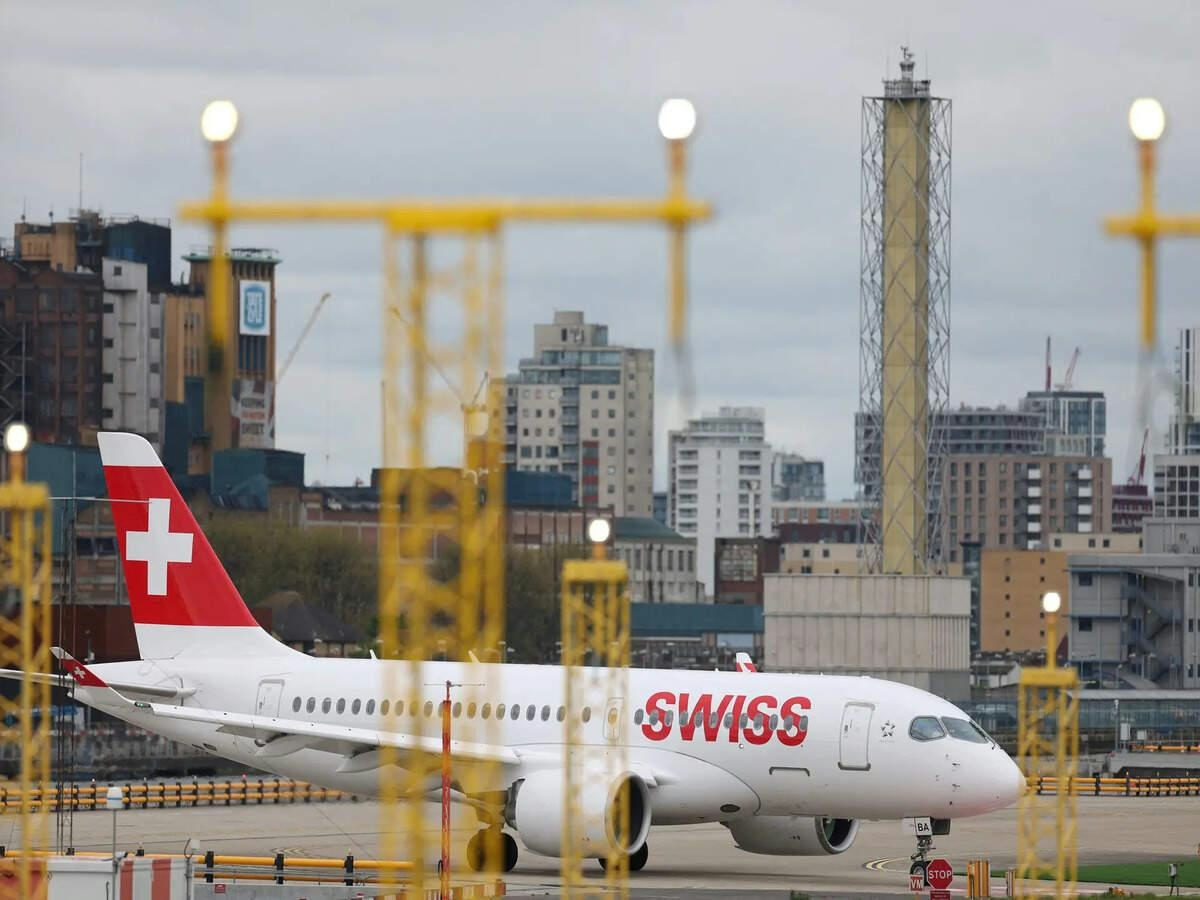
Engine Fire Forces Emergency Evacuation on Swiss Flight in Delhi; All Passengers Safe
On the night of April 27, 2026, a serious incident was averted at New Delhi’s Indira Gandhi International Airport when Swiss Air Flight LX-147 experienced an engine failure and subsequent fire during takeoff. The Airbus A330, carrying 232 passengers—including four infants—and 13 crew members, was en route to Zurich when the emergency occurred.
Incident Details and Response
The aircraft had reached a speed of 104 knots (approximately 193 km/h) on the runway when engine number one malfunctioned and ignited. The flight crew promptly aborted the takeoff and initiated an emergency evacuation using the aircraft’s slides. All passengers were evacuated safely, although six individuals sustained minor injuries amid the ensuing panic and were transported to hospital for treatment. Additionally, one cabin crew member suffered a sprained ankle during the evacuation process.
Airport fire services responded swiftly, extinguishing the blaze and securing the aircraft, which was subsequently towed to a safe location. Delhi Airport authorities declared a “full emergency” as a precautionary measure, but normal airport operations resumed once the situation was under control.
Investigation and Industry Implications
India’s Aircraft Accident Investigation Board (AAIB) has launched an inquiry into the cause of the engine failure and will evaluate the airline’s handling of the emergency. The incident is expected to attract close scrutiny from aviation safety regulators, with potential repercussions for Swiss International’s maintenance practices and flight operations. The damage sustained by the aircraft’s engine may necessitate extensive repairs or replacement, likely resulting in costly delays and operational disruptions for the airline.
This event underscores the critical importance of rigorous emergency protocols and well-trained crews in ensuring passenger safety during in-flight emergencies. Industry experts note that such incidents often prompt airlines and their competitors to reassess and strengthen safety measures. Public relations efforts typically intensify as carriers seek to reassure passengers of their commitment to safety.
Context and Broader Safety Concerns
This marks the second significant aviation incident at Indira Gandhi International Airport within a fortnight. On April 16, a SpiceJet Boeing 737-700 collided with a stationary Akasa Air aircraft while taxiing, causing damage to both planes but no injuries.
The Swiss Air engine fire highlights the ongoing necessity for stringent engineering standards and robust safety protocols throughout the aviation sector. As investigations proceed, both authorities and airlines are expected to review and enhance existing procedures to further safeguard passengers and prevent similar incidents in the future.

Etihad Airways Suspends Airbus A380 Flights on Key Route

Aditya Birla Group Seeks Approval for Aircraft Leasing in GIFT City

Qatar Airways Highlights Innovation and Connectivity at Arabian Travel Market 2026

Hong Kong's Five-Year Plan Includes Andrew Fan's Aircraft Parts Processing Hub Proposal

ACIA Aero Leasing Delivers ATR72-600 to Air Nostrum

RTX Appoints Jill Albertelli as Head of Pratt & Whitney

TAT Technologies Joins Beyond Aero Hydrogen Aircraft Program

AURAK Study Highlights Barriers to Air Taxi Adoption in Emerging Economies

Xiamen Air Selects Altitude for 787 Maintenance at Heathrow

Etihad and Swissport Extend Global Partnership
